Mercer International Announces Planned Downtime at Peace River Pulp Mill to Optimize Operations and Ensure Long-Term Sustainability
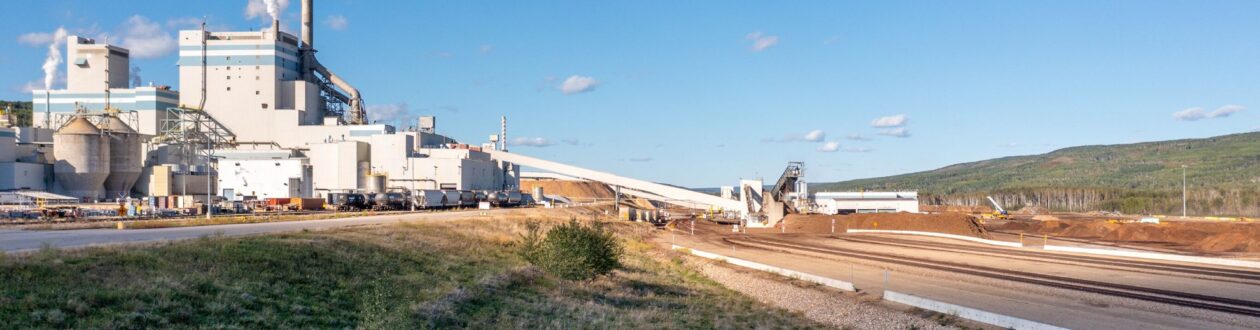
Mercer International Inc. has officially announced a planned period of downtime at its Peace River Pulp Mill, located in Alberta, Canada. This temporary cessation of operations, scheduled to commence on [Insert approximate start date or timeframe, e.g., mid-October] and expected to last for approximately [Insert approximate duration, e.g., three to four weeks], is a strategic initiative aimed at optimizing the mill’s operational efficiency, undertaking essential maintenance, and enhancing its long-term sustainability. The decision, while impacting production schedules, underscores Mercer’s commitment to maintaining a high standard of operational excellence and ensuring the continued reliable supply of its premium softwood kraft pulp to global markets.
The Peace River Pulp Mill is a cornerstone of Mercer’s pulp production capabilities, specializing in the manufacture of high-quality softwood kraft pulp, a critical component in the production of various paper products, including printing and writing paper, tissue, and packaging. The mill’s strategic location in Alberta provides access to abundant, sustainably managed forest resources, which are essential for its pulp manufacturing processes. This downtime is not a reflection of any unforeseen operational challenges or market downturns, but rather a proactive measure designed to facilitate a comprehensive program of planned maintenance, upgrades, and process improvements.
A significant driver behind this planned downtime is the imperative to conduct extensive preventative maintenance on key machinery and infrastructure within the mill. Pulp mills, by their very nature, operate under demanding conditions, involving high temperatures, pressures, and the continuous processing of wood fiber. Regular and thorough maintenance is crucial to prevent unexpected breakdowns, minimize costly unscheduled downtime, and ensure the safety and efficiency of all operations. During this period, the Peace River facility will undergo detailed inspections, servicing, and potential component replacements of critical equipment such as digesters, recovery boilers, turbines, and finishing machinery. This meticulous approach to maintenance is designed to extend the lifespan of these assets, reduce the risk of future operational disruptions, and maintain optimal performance levels.
Beyond routine maintenance, the planned downtime also provides an opportune window for Mercer to implement targeted upgrades and process optimizations. The pulp and paper industry is characterized by a continuous drive for innovation and efficiency. Mercer International actively invests in technologies and methodologies that can enhance production yields, reduce energy consumption, improve environmental performance, and ultimately, lower operating costs. The Peace River mill will leverage this period to integrate new equipment, refine existing processes, and potentially implement digital solutions that can provide real-time data analytics for better operational control and decision-making. These enhancements are crucial for maintaining the mill’s competitive edge in the global market and ensuring its long-term economic viability.
Environmental stewardship and sustainability are integral to Mercer International’s corporate philosophy. The planned downtime at Peace River will also facilitate initiatives aimed at further improving the mill’s environmental footprint. This can include upgrading wastewater treatment systems, enhancing air emission control technologies, or implementing new energy-saving measures. Regular assessments and improvements in environmental performance are not only regulatory requirements but also fundamental to responsible corporate citizenship and meeting the growing demand for sustainably produced products from consumers and downstream manufacturers. By undertaking these upgrades during a scheduled shutdown, Mercer minimizes any potential disruption to ongoing environmental compliance and reinforces its commitment to operating in an environmentally sound manner.
The economic impact of such a planned downtime, while temporary, is a carefully considered aspect of the decision-making process. Mercer International acknowledges that this period will result in a temporary reduction in pulp output from the Peace River facility. However, the company has proactively communicated with its customers to manage supply chain expectations and ensure minimal disruption to their operations. Mercer’s diversified production base across its various mill locations is designed to provide a degree of flexibility, allowing the company to reallocate production where necessary to meet customer demand during this period. The long-term benefits of optimized operations and enhanced efficiency are expected to outweigh the short-term production adjustments.
The decision to implement a planned downtime at the Peace River mill is a testament to Mercer’s strategic foresight and its commitment to operational excellence. By proactively addressing maintenance needs, investing in technological advancements, and prioritizing sustainability, Mercer aims to ensure that the Peace River facility continues to operate at peak performance for years to come. This strategic approach is vital for maintaining the mill’s competitiveness in the dynamic global pulp market and for securing its long-term contribution to Mercer International’s overall success and its role as a significant economic contributor to the Peace River region of Alberta. The skilled workforce at the Peace River mill will be instrumental in executing the planned maintenance and upgrade programs, with many employees actively involved in the preparations and subsequent execution of the downtime activities. Their expertise and dedication are crucial to the successful completion of this important operational initiative. The company is committed to supporting its employees through this period, ensuring their continued engagement and development.
Mercer International’s operational strategy often involves cyclical, planned maintenance periods across its global facilities. This approach is standard practice within the heavy industrial sector and is designed to maximize uptime and minimize the risk of unplanned disruptions. The Peace River Pulp Mill is a significant asset within Mercer’s portfolio, and its efficient operation is paramount. This planned downtime is a reflection of a well-structured operational plan that prioritizes asset integrity, technological advancement, and sustainable practices. The company’s robust supply chain management and close relationships with its customers enable it to navigate these planned interruptions effectively, ensuring continuity of supply for its high-quality pulp products. The strategic importance of the Peace River mill to Mercer’s North American operations cannot be overstated, and this downtime is an investment in its future productivity and reliability. The company’s ongoing focus on innovation and continuous improvement means that such planned downtimes are not just about maintaining current operations but also about enhancing future capabilities and competitiveness.
The successful execution of this planned downtime will enable the Peace River Pulp Mill to continue to be a leading producer of softwood kraft pulp, meeting the evolving demands of the global paper and packaging industries. Mercer International’s commitment to responsible resource management and operational efficiency positions it favorably to navigate the challenges and opportunities of the modern industrial landscape. The company’s proactive approach to maintenance and modernization ensures that its facilities remain at the forefront of technological advancement and operational best practices, contributing to both its financial success and its positive environmental and social impact. The investment in the Peace River mill through this planned downtime signifies Mercer’s dedication to its long-term strategic vision and its unwavering commitment to delivering value to its stakeholders, including its customers, employees, and the communities in which it operates. The company will continue to provide updates on the progress of the downtime and the mill’s operational status as appropriate.

