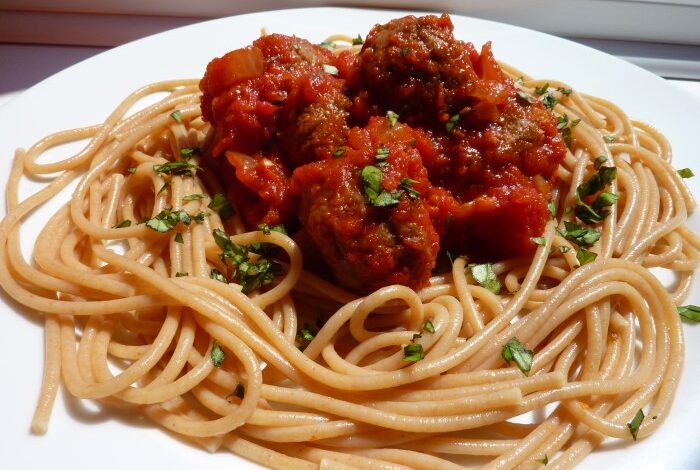
Vegetarian spaghetti and meatballs, a dish that effortlessly blends comfort and creativity, has taken its rightful place on dinner tables worldwide. This culinary masterpiece, a testament to the ingenuity of plant-based cuisine, offers a symphony of flavors that tantalizes taste buds and nourishes the soul.
From its humble beginnings as a vegetarian adaptation of a classic Italian dish, vegetarian spaghetti and meatballs has evolved into a culinary sensation, captivating both seasoned chefs and home cooks alike. This adaptable dish allows for endless variations, catering to diverse palates and dietary preferences.
The heart of this dish lies in its versatile “meatballs,” crafted from an array of plant-based ingredients, such as lentils, mushrooms, soy-based alternatives, or a medley of vegetables. The meatballs are then enveloped in a rich and flavorful sauce, whether it’s a traditional tomato-based concoction, a creamy delight, or a vibrant pesto creation.
Each variation adds a unique character to the dish, making it a culinary adventure with every bite.
Vegetarian Spaghetti and Meatballs
While spaghetti and meatballs is a classic Italian-American dish, its vegetarian counterpart has gained significant popularity in recent years, becoming a staple in many households and restaurants worldwide. This adaptation reflects the growing interest in plant-based diets and the desire to enjoy familiar flavors in a healthier and more sustainable way.
The Origins and Evolution of Vegetarian Spaghetti and Meatballs
Vegetarian spaghetti and meatballs have evolved over time, reflecting the changing culinary landscape and the increasing demand for plant-based alternatives. The dish’s origins can be traced back to the early days of vegetarianism, where individuals sought to create meatless versions of traditional dishes.
Vegetarian spaghetti and meatballs are a classic comfort food, and while the meatballs might be different, the sauce is always a delicious blend of flavors. I’m always amazed at how something as simple as a few basic stitches can transform fabric into something beautiful, just like a good sauce transforms spaghetti.
If you’re interested in learning more about basic stitches, check out these sewing lessons basic stitches. And speaking of deliciousness, I’m craving vegetarian spaghetti and meatballs now!
Early vegetarian meatballs were often made with simple ingredients like breadcrumbs, vegetables, and herbs, offering a flavorful and satisfying substitute for their meat-based counterparts. As vegetarianism gained traction, more sophisticated recipes emerged, incorporating ingredients like lentils, chickpeas, and tofu to create a wider range of textures and flavors.
The Cultural Significance of Vegetarian Spaghetti and Meatballs
Vegetarian spaghetti and meatballs have become a cultural phenomenon, transcending geographical boundaries and appealing to a diverse range of palates. The dish’s popularity can be attributed to its versatility, affordability, and ability to satisfy both vegetarians and meat-eaters alike.
Vegetarian spaghetti and meatballs are a classic comfort food, and they’re perfect for a casual outdoor dinner party. Just make sure you have all the essentials for a great al fresco experience, like comfortable seating, a stylish tablecloth, and maybe even a citronella candle to keep the bugs away.
Check out this helpful guide for everything you need for outdoor dining , and you’ll be ready to host the perfect gathering for your vegetarian spaghetti and meatballs feast!
In many cultures, spaghetti and meatballs is a cherished comfort food, evoking memories of family gatherings and special occasions. The vegetarian version allows individuals to enjoy this beloved dish while adhering to their dietary preferences.
The Popularity of Vegetarian Spaghetti and Meatballs in Modern Cuisine
The popularity of vegetarian spaghetti and meatballs has surged in recent years, driven by several factors. The growing awareness of the environmental impact of meat consumption has led many individuals to explore plant-based alternatives. Moreover, the rise of veganism and vegetarianism has created a demand for meatless options that are both delicious and satisfying.
Vegetarian spaghetti and meatballs have also become a popular choice in restaurants, catering to a wider range of dietary needs and preferences.
Ingredients and Variations
Vegetarian spaghetti and meatballs offer a flavorful and satisfying alternative to traditional meat-based dishes. The key lies in finding creative and delicious ways to mimic the texture and taste of classic meatballs, using plant-based ingredients.
Vegetarian Meatball Ingredients
Vegetarian meatballs are made with a variety of ingredients that provide texture, flavor, and nutritional value. Here are some common ingredients:
- Legumes: Lentils, chickpeas, and black beans are popular choices for vegetarian meatballs. They provide protein, fiber, and a hearty texture.
- Vegetables: Finely chopped vegetables like carrots, onions, zucchini, and mushrooms add moisture, flavor, and nutrients to the meatballs.
- Grains: Oats, breadcrumbs, or quinoa bind the ingredients together and add a slightly chewy texture.
- Nuts and Seeds: Adding chopped nuts like walnuts or almonds, or seeds like flaxseeds or chia seeds, adds a boost of protein and healthy fats.
- Flavor Enhancers: Spices like garlic powder, onion powder, oregano, and basil enhance the flavor profile of the meatballs. Fresh herbs can also be used for a more vibrant taste.
- Alternatives to Meat: Some vegetarian meatballs use meat alternatives like soy protein, tempeh, or seitan, which provide a meaty texture and flavor.
Vegetarian Meatball Types
Vegetarian meatballs come in a variety of forms, each with its unique texture and flavor profile:
- Lentil Meatballs: These meatballs are often made with brown or green lentils, which provide a hearty texture and a slightly earthy flavor. They are typically seasoned with spices like cumin, coriander, and turmeric.
- Mushroom Meatballs: Made with chopped mushrooms, these meatballs offer a savory and umami flavor. They can be made with a variety of mushrooms, such as cremini, shiitake, or portobello, for different flavor profiles.
- Soy-Based Meatballs: These meatballs use soy protein as the primary ingredient, providing a meaty texture and a neutral flavor that easily absorbs other seasonings. Soy-based meatballs are often found in Asian cuisine.
- Vegetable Mixture Meatballs: These meatballs combine a variety of chopped vegetables, such as carrots, zucchini, onions, and bell peppers, for a colorful and flavorful dish. They often include breadcrumbs or oats for binding.
Spaghetti Sauce Variations
The sauce is a crucial component of spaghetti and meatballs. Here are some popular variations:
- Tomato-Based Sauce: This classic sauce is made with crushed tomatoes, onions, garlic, and herbs like oregano and basil. It provides a tangy and slightly sweet flavor.
- Creamy Sauce: Creamy sauces, often made with heavy cream, milk, or ricotta cheese, add a rich and indulgent flavor to the dish. They can be flavored with herbs, spices, or vegetables.
- Pesto Sauce: Pesto, a sauce made with basil, pine nuts, garlic, and olive oil, adds a bright and herbaceous flavor to the spaghetti and meatballs. It pairs well with lighter, vegetable-based meatballs.
Vegetarian Meatball Recipe Comparison
| Recipe Type | Ingredients | Texture | Flavor |
|---|---|---|---|
| Lentil Meatballs | Lentils, carrots, onions, breadcrumbs, garlic powder, cumin, coriander | Hearty, slightly firm | Earthy, savory, with a hint of spice |
| Mushroom Meatballs | Mushrooms, breadcrumbs, Parmesan cheese, garlic, parsley, oregano | Moist, slightly spongy | Savory, umami, with a hint of garlic and herbs |
| Soy-Based Meatballs | Soy protein, onions, garlic, breadcrumbs, soy sauce, ginger | Firm, slightly chewy | Neutral, easily adaptable to different seasonings |
| Vegetable Mixture Meatballs | Zucchini, carrots, bell peppers, onions, breadcrumbs, herbs, spices | Soft, slightly moist | Bright, flavorful, with a mix of vegetable sweetness and herbs |
Nutritional Value and Health Benefits
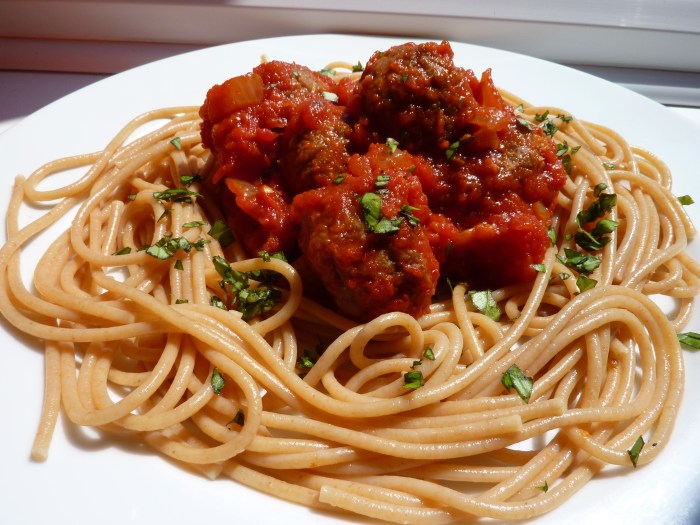
Vegetarian spaghetti and meatballs offer a delicious and nutritious meal option, packed with essential nutrients and promoting overall well-being.
Vegetarian spaghetti and meatballs are a classic comfort food that’s always a hit. I love making my own meatballs, but sometimes I just don’t have the time. For those days, I like to have a few easy square aprons on hand, like the ones you can find with easy square aprons no sew option because they’re so quick and easy to throw on.
That way, I can whip up a delicious vegetarian spaghetti and meatballs meal without worrying about getting sauce all over my clothes!
Nutritional Profile of Vegetarian Spaghetti and Meatballs
This dish provides a balanced blend of protein, fiber, and vitamins, contributing to a healthy and satisfying meal.
- Protein: Vegetarian meatballs are a good source of protein, particularly from plant-based sources like lentils, beans, and soy. Protein is crucial for muscle growth and repair, hormone production, and maintaining a healthy immune system.
- Fiber: The combination of spaghetti and vegetarian meatballs provides a good amount of dietary fiber. Fiber aids digestion, promotes satiety, and helps regulate blood sugar levels.
- Vitamins: Vegetarian meatballs are rich in essential vitamins like iron, folate, and potassium. Iron is vital for red blood cell production, folate supports cell growth and development, and potassium helps regulate blood pressure.
Comparison with Traditional Meatballs
Vegetarian meatballs, while offering a similar taste and texture to their meat-based counterparts, provide a unique nutritional profile.
- Lower Saturated Fat: Vegetarian meatballs typically contain lower levels of saturated fat compared to traditional meat-based meatballs. Saturated fat can contribute to heart disease, so opting for vegetarian alternatives can be beneficial for heart health.
- Higher Fiber Content: Vegetarian meatballs are naturally higher in fiber due to the inclusion of legumes and grains. This increased fiber intake can contribute to improved digestion and overall gut health.
- Rich in Plant-Based Nutrients: Vegetarian meatballs are packed with essential vitamins and minerals found in plant-based ingredients. This makes them a nutritious choice for those seeking to increase their intake of plant-based nutrients.
Health Benefits of Vegetarian Spaghetti and Meatballs
Incorporating this dish into a balanced diet can offer several health benefits.
- Weight Management: The high fiber content in vegetarian spaghetti and meatballs can help promote feelings of fullness, aiding in weight management by reducing overall calorie intake.
- Improved Digestion: The fiber-rich ingredients in this dish can improve digestion and prevent constipation, promoting a healthy gut microbiome.
- Reduced Risk of Chronic Diseases: The lower saturated fat content and higher fiber content in vegetarian spaghetti and meatballs can contribute to a reduced risk of chronic diseases like heart disease, type 2 diabetes, and certain types of cancer.
Cooking Techniques and Methods
Preparing vegetarian spaghetti and meatballs is a culinary adventure that allows you to create a flavorful and satisfying meal without any meat. The process involves a few key steps, from crafting the meatballs to simmering the sauce, each contributing to the final dish’s deliciousness.
Cooking Methods
Different cooking methods can impact the texture and flavor of your vegetarian spaghetti and meatballs. Here are some popular methods and their effects:
Baking
Baking meatballs in the oven allows for even cooking and a crispy exterior. It’s a hands-off method, making it convenient for busy weeknights. You can bake the meatballs directly on a baking sheet or in a baking dish with a little oil or sauce.
Pan-Frying
Pan-frying meatballs in a skillet over medium heat gives them a beautiful golden-brown crust and a slightly crispy texture. This method is quick and ideal for smaller batches of meatballs.
Slow-Cooking
Slow-cooking meatballs in a crockpot or Dutch oven creates tender, flavorful meatballs with a melt-in-your-mouth texture. The slow cooking process allows the flavors to meld and deepen, resulting in a rich and satisfying dish.
Recipe for Classic Vegetarian Spaghetti and Meatballs
Here’s a classic recipe for vegetarian spaghetti and meatballs:
Ingredients:
- 1 tablespoon olive oil
- 1 onion, chopped
- 2 cloves garlic, minced
- 1 (28-ounce) can crushed tomatoes
- 1 (15-ounce) can tomato sauce
- 1/2 cup water
- 1 teaspoon dried oregano
- 1/2 teaspoon salt
- 1/4 teaspoon black pepper
- 1 cup cooked lentils
- 1/2 cup bread crumbs
- 1/4 cup grated Parmesan cheese
- 1 egg
- 1/4 cup chopped fresh parsley
- 1 pound spaghetti
- Grated Parmesan cheese, for serving
Instructions:
- Preheat oven to 375 degrees F (190 degrees C).
- In a large skillet, heat olive oil over medium heat. Add onion and cook until softened, about 5 minutes. Stir in garlic and cook for 1 minute more.
- Stir in crushed tomatoes, tomato sauce, water, oregano, salt, and pepper. Bring to a simmer and cook for 15 minutes, stirring occasionally.
- In a large bowl, combine lentils, bread crumbs, Parmesan cheese, egg, and parsley. Mix well.
- Form the mixture into 1-inch meatballs.
- Place the meatballs in a baking dish and pour the sauce over them.
- Bake for 20-25 minutes, or until the meatballs are cooked through.
- While the meatballs are baking, cook the spaghetti according to package directions.
- Serve the meatballs over the spaghetti and top with grated Parmesan cheese.
Substitutions:
- Lentils:You can use other beans, such as kidney beans, black beans, or chickpeas, as a substitute for lentils.
- Bread crumbs:For a gluten-free option, use almond flour or panko bread crumbs instead of regular bread crumbs.
- Parmesan cheese:You can use another hard cheese, such as pecorino romano or asiago, as a substitute for Parmesan cheese.
- Fresh parsley:If fresh parsley is unavailable, you can use dried parsley instead.
Serving Suggestions and Accompaniments: Vegetarian Spaghetti And Meatballs
Vegetarian spaghetti and meatballs, a hearty and flavorful dish, can be served in various ways, from casual weeknight dinners to festive gatherings. The versatility of this dish allows for creative presentation and pairings, making it a crowd-pleaser for any occasion.
Serving Options for Different Settings
The way you serve vegetarian spaghetti and meatballs can significantly impact the dining experience. Here’s a table showcasing different serving options for formal, casual, and festive settings:
| Setting | Serving Style | Plating | Additional Tips |
|---|---|---|---|
| Formal | Individual portions | White or cream-colored plates, with a decorative garnish of fresh basil or parsley. | Use a ladle to create a visually appealing mound of spaghetti and meatballs, ensuring the sauce coats the pasta evenly. |
| Casual | Family-style | Large platter or bowl for the spaghetti and meatballs, with smaller bowls for individual portions. | Serve with crusty bread and a simple green salad. |
| Festive | Buffet-style | Chafing dishes or large serving bowls for the spaghetti and meatballs, with a variety of toppings available for guests to customize their dishes. | Offer toppings like grated Parmesan cheese, fresh basil, red pepper flakes, and a selection of sauces like marinara, pesto, or Alfredo. |
Side Dish Ideas
Accompanying your vegetarian spaghetti and meatballs with the right side dishes can elevate the dining experience. Here are some ideas for complementary dishes:
- Salads:A simple green salad with a light vinaigrette dressing or a caprese salad with fresh mozzarella, tomatoes, and basil can add a refreshing contrast to the richness of the main dish.
- Garlic Bread:Crusty bread, toasted and rubbed with garlic and olive oil, is a classic accompaniment to pasta dishes.
- Roasted Vegetables:Roasted vegetables like asparagus, broccoli, or bell peppers add a vibrant color and contrasting flavor to the meal.
- Side of Rice:A side of rice, especially a flavorful pilaf or risotto, can be a satisfying addition to the dish.
Presentation Tips, Vegetarian spaghetti and meatballs
Presentation is key to making any dish visually appealing. Here are some tips for plating your vegetarian spaghetti and meatballs:
- Use a Ladle:A ladle can help you create a visually appealing mound of spaghetti and meatballs, ensuring the sauce coats the pasta evenly.
- Garnish with Fresh Herbs:A sprig of fresh basil or parsley adds a touch of color and freshness to the dish.
- Use a Decorative Plate:A white or cream-colored plate with a decorative border can enhance the presentation.
Vegetarian Spaghetti and Meatballs: A Culinary Trend
Vegetarian spaghetti and meatballs have become a popular dish, reflecting the growing interest in plant-based diets. This trend is driven by several factors, including concerns about animal welfare, environmental sustainability, and personal health.
The Rise of Vegetarian and Vegan Cuisine
The popularity of vegetarian and vegan cuisine has been steadily increasing in recent years. This shift is evident in the growing number of restaurants offering plant-based options, the availability of vegetarian and vegan products in supermarkets, and the increasing popularity of plant-based cooking shows and online resources.
According to a 2021 study by the Vegetarian Resource Group, approximately 5% of Americans identify as vegetarian or vegan. This represents a significant increase from previous years, indicating a growing interest in plant-based diets.
Vegetarian Spaghetti and Meatballs: A Plant-Based Staple
Vegetarian spaghetti and meatballs play a crucial role in promoting plant-based diets. The dish offers a familiar and comforting flavor profile, making it an appealing option for those transitioning to a vegetarian or vegan lifestyle. It provides a satisfying and nutritious meal, showcasing the versatility and deliciousness of plant-based ingredients.
Sustainability and Ethical Food Choices
Vegetarian spaghetti and meatballs contribute to the broader movement towards sustainable and ethical food choices. By opting for plant-based ingredients, consumers reduce their environmental footprint and promote animal welfare. Meat production is a major contributor to greenhouse gas emissions, deforestation, and water pollution.
Choosing plant-based alternatives helps mitigate these impacts and promotes a more sustainable food system.