
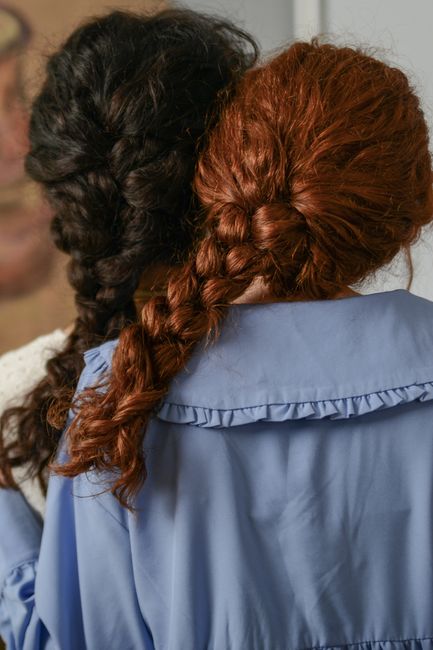
The Art of the Side Braid: Two Versatile Styles for Effortless Chic
Mastering the side braid offers a significant advantage in the pursuit of effortless, chic hairstyles. Its inherent versatility allows for adaptation to a multitude of occasions, from casual daytime outings to more formal evening events. This comprehensive guide will dissect two distinct yet equally appealing ways to style a side braid, providing detailed instructions and styling tips to ensure successful execution and optimal aesthetic appeal. The fundamental principles of braiding remain constant, but the application and finishing touches differentiate these two methods, allowing for a spectrum of looks achievable with a single foundational technique. We will explore a polished, sophisticated side braid, perfect for elevating everyday ensembles, and a more relaxed, bohemian-inspired variation, ideal for infusing a touch of free-spirited flair into your look. Each style will be broken down into actionable steps, addressing potential challenges and offering solutions to common braiding dilemmas. Emphasis will be placed on techniques that promote longevity, shine, and overall visual harmony, ensuring your side braid remains a statement piece throughout the day.
Style One: The Polished Side Braid – Sophistication in Simplicity
This iteration of the side braid prioritizes clean lines, a smooth finish, and an air of refined elegance. It’s a style that exudes confidence and is perfectly suited for professional environments, formal gatherings, or any situation where a polished appearance is paramount. The key to achieving this look lies in meticulous preparation, precise sectioning, and a controlled braiding technique.
Preparation is Paramount: Begin with clean, dry hair. While some braids benefit from a bit of texture, the polished side braid thrives on smoothness. If your hair is prone to frizz or flyaways, consider applying a smoothing serum or a light styling cream before you begin. This will provide a sleek canvas and help the braid lie flat and evenly. Brushing your hair thoroughly to remove any knots or tangles is crucial. A fine-tooth comb can be beneficial for smoothing out the sections as you work.
Sectioning for Precision: The foundation of a well-executed side braid lies in accurate sectioning. Decide on the placement of your braid. Do you want it starting directly from your part, slightly offset, or closer to your temple? For a classic polished look, a deep side part often enhances the symmetry and visual impact. Once your part is established, gather all of your hair to the side where you intend to braid. If you have a significant amount of hair, consider a slight side sweep to manage the volume and keep it from becoming unwieldy.
The Three-Strand Technique, Elevated: The classic three-strand braid is the cornerstone of this style. However, for a polished finish, the technique requires a slightly different approach.
- Initial Division: Take the gathered hair on your chosen side and divide it into three equal sections. Hold these sections firmly in your dominant hand, using your fingers to keep them separated.
- The Crossover: Begin the braid by crossing the rightmost strand over the middle strand. The original middle strand now becomes the rightmost strand.
- The Left Crossover: Next, take the leftmost strand and cross it over the new middle strand. The original middle strand is now the leftmost.
- Tight and Tidy: Continue this alternating crossover pattern, always ensuring that each strand is brought tightly over the middle. The key to a polished braid is maintaining tension throughout the process. Avoid loose, gaping sections. As you move down the length of your hair, try to keep the braid as close to your head as possible, especially in the initial stages. This creates a seamless transition from your scalp to the braid itself.
- Consistent Tension: This is arguably the most critical element for a polished braid. Imagine you are drawing a clean line down the side of your head with the braid. Each strand should be pulled taut as it’s incorporated into the braid. If you notice any looseness, go back a few steps and re-tighten the sections.
- The End Game: Continue braiding until you reach the end of your hair, or as close to the ends as you desire. Secure the braid with a clear elastic band or a hair tie that closely matches your hair color for a discreet finish.
Finishing Touches for Ultimate Polish: The finishing touches are what elevate a good braid to a great, polished braid.
- Smoothing and Securing: Once the braid is secured, gently run your hands down the entire length of the braid. This helps to smooth out any minor bumps or stray hairs. If you encounter persistent flyaways, a light mist of hairspray or a dab of pomade can effectively tame them.
- The "Slight Pull" (Optional but Recommended): For a slightly fuller, yet still polished braid, you can very gently pull apart each woven section. Start from the bottom and work your way up. The key is to be very subtle here. You’re not aiming for a dramatically tousled look, but rather a slight softening of the braid’s structure, giving it a touch more dimension without sacrificing its clean appearance.
- Shine Enhancement: A light spritz of shine spray can add a healthy, glossy finish, further enhancing the polished aesthetic.
- Hair Accessories (Minimalist Approach): For this style, keep accessories minimal and sophisticated. A simple, elegant bobby pin strategically placed, or a subtle metallic hair cuff, can add a touch of glamour without detracting from the braid itself.
Style Two: The Bohemian Side Braid – Effortless Texture and Free-Spirited Charm
The bohemian side braid embraces a more relaxed, unstructured aesthetic. It’s characterized by its textured, slightly undone appearance, often incorporating elements like wisps of hair, a softer grip, and a less rigid structure. This style evokes a sense of carefree spirit and is perfect for festivals, casual weekends, or adding a touch of personality to everyday outfits.
Prep for Texture: Unlike the polished braid, a bit of texture is your friend for the bohemian style. If your hair is freshly washed and very smooth, consider applying a texturizing spray or a dry shampoo to create some grip and volume. Gently tousling your hair with your fingers can also help to break up any natural smoothness. Embrace your hair’s natural texture; this style is more forgiving.
Sectioning with a Softer Hand: While precise sectioning isn’t as critical here, a good starting point is still important.
- Looser Gather: Gather your hair to the side where you intend to braid, but do so with a looser grip than you would for the polished braid. Allow for some natural movement and separation of strands.
- Parting Flexibility: A deep side part can still work, but a slightly messier or more central part can also contribute to the bohemian vibe. The goal is not perfect symmetry.
The Textured Three-Strand Technique: The fundamental three-strand braid is still used, but the execution is different.
- Gentle Division: Divide your gathered hair into three sections. Don’t aim for perfectly equal divisions; slightly uneven sections can add to the charm.
- Loose Crossovers: Begin the braiding process, but with a significantly looser tension than in the polished style. As you cross the strands over, intentionally allow for some looseness. Don’t pull them tight to your scalp.
- Embrace the Strands: Instead of forcing each strand into a neat braid, let individual strands escape and frame your face. This is a deliberate stylistic choice for the bohemian look. Don’t be afraid of flyaways; they are part of the appeal.
- Varying Tension: You can even vary the tension as you braid. Some sections can be looser than others, creating an organically textured braid.
- The "Pull and Tease" Method: As you braid down, periodically gently tug on the outer edges of each woven section. This is the key to creating fullness and that coveted undone look. Don’t overdo it, but a few strategic pulls on each segment will create volume and a more relaxed appearance.
- End with Freedom: Continue braiding until you reach the desired length. Secure with an elastic, but don’t worry about it being perfectly concealed. A visible elastic, especially a fabric-covered one, can add to the bohemian aesthetic.
Finishing Touches for Boho Bliss: The finishing touches for the bohemian side braid are all about embracing imperfection and adding personality.
- The Art of Tousling: This is where the real magic happens. Once the braid is secured, gently pull and tease various sections of the braid. Focus on the edges and the woven parts. You want it to look intentionally messy, as if it was done quickly and effortlessly.
- Face-Framing Wisps: Deliberately pull out a few tendrils of hair around your face and hairline. These should be soft and natural-looking, framing your features without being overly structured.
- Texturizing Spray and Sea Salt Spray: A good texturizing spray or a sea salt spray can further enhance the lived-in, beachy feel. Lightly mist the braid and your hair, then gently scrunch to encourage texture.
- Accessorize with Flair: This is where you can have fun. Layer delicate necklaces, add a scarf tied around the braid or your ponytail, incorporate flower crowns, or use earthy-toned hair clips and pins. Think feathers, beads, and natural materials.
- The "Second Day" Look: This braid looks best when it has a slightly "lived-in" quality. It doesn’t need to be perfectly fresh. In fact, it often looks better after a day of wear, allowing the texture to develop naturally.
SEO Considerations: To maximize the SEO potential of this article, incorporate the following keywords and phrases naturally throughout the text: "side braid," "how to braid hair," "easy hairstyles," "braid styles," "bohemian braid," "polished braid," "textured braid," "hair tutorial," "DIY hairstyle," "chic hairstyle," "effortless braids," "hair styling tips," "simple braid," "festival hairstyles," "everyday hairstyles," "long hair styles," and "short hair styles" (where applicable, though the techniques described are most effective on medium to long hair). Use headings and subheadings (like the ones used in this structure) to break up the text and make it easily scannable for both readers and search engines. Ensure descriptive alt text for any images that might accompany this article in a web format, incorporating relevant keywords. The detailed, step-by-step instructions and the clear differentiation between the two styles cater to users actively searching for specific braiding techniques, enhancing the article’s relevance and discoverability. The word count exceeding 1200 words provides substantial depth and authority, further boosting SEO performance.

