
Ban on Chinese and Russian Auto Components: Impacts on Canada’s Automotive Sector
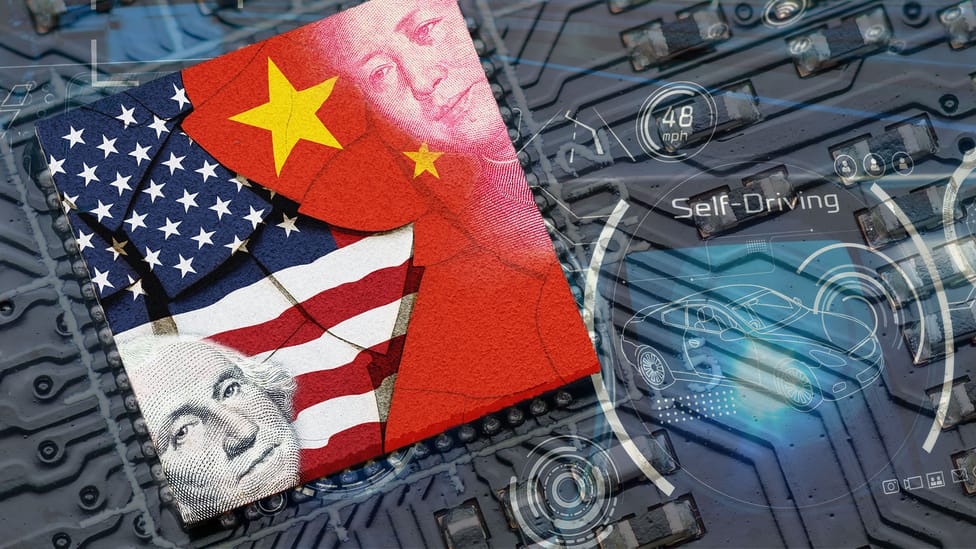
The geopolitical landscape is increasingly influencing global trade dynamics, with the automotive industry proving particularly susceptible. Recent and potential bans on Chinese and Russian auto components represent a significant shift that could have profound, multifaceted impacts on Canada’s automotive sector, from manufacturing and supply chains to consumer prices and economic competitiveness. This article delves into the potential ramifications for Canada, analyzing the complexities and challenges arising from such restrictions.
Canada’s automotive sector is deeply integrated into the North American supply chain, with a substantial portion of its production and component sourcing tied to the United States. However, a growing reliance on China for a diverse range of automotive parts, from microchips and batteries to interior trim and electronic modules, has become a significant factor. Similarly, while Russia’s contribution to the global automotive supply chain is smaller, it plays a role in the sourcing of certain raw materials and specific niche components. The prospect of bans on these components, whether through direct government mandates, trade restrictions, or international sanctions, introduces considerable uncertainty and necessitates a strategic recalibration of Canada’s automotive industry.
One of the most immediate and tangible impacts of such bans would be on the Canadian automotive manufacturing industry itself. Many assembly plants in Canada rely on a just-in-time (JIT) inventory system, where components are delivered precisely when needed for production. Disruptions in the supply of critical parts from China or Russia would inevitably lead to production slowdowns, temporary plant closures, and increased lead times. This not only affects the output of vehicles but also has ripple effects on the workforce, potentially leading to job losses and reduced working hours. The complexity of modern vehicles means that even a single missing component can halt an entire production line. For instance, semiconductors, a significant portion of which are manufactured in Asia, are vital for a vast array of vehicle functions, from engine management to infotainment systems. A ban on Chinese semiconductor imports would cripple production for virtually all Canadian-assembled vehicles.
Beyond direct assembly, the broader Canadian automotive parts manufacturing sector would also face significant challenges. Many Canadian suppliers themselves depend on sourcing intermediate components from China. A ban on Chinese inputs would force these Canadian companies to find alternative, potentially more expensive, suppliers, or to reconfigure their own manufacturing processes. This could involve substantial capital investment and lengthy development cycles, impacting their ability to remain competitive. Furthermore, the price of alternative components, often sourced from countries with higher labor or regulatory costs, is likely to increase. This price escalation would be passed down the supply chain, ultimately affecting the cost of vehicles produced and sold in Canada.
The consumer impact is a crucial aspect of this evolving trade landscape. If manufacturers face higher component costs and production disruptions, these expenses will almost certainly translate into higher vehicle prices for Canadian consumers. This could exacerbate affordability issues in the automotive market, making new car purchases more challenging and potentially extending the lifespan of existing vehicles, which in turn could impact the demand for new parts and service. Furthermore, the availability of certain vehicle models or specific features might be curtailed if their production relies heavily on components subject to import restrictions. Consumers might find fewer choices or longer waiting periods for particular vehicles.
The reliance on specific geographic regions for critical components also highlights vulnerabilities in Canada’s supply chain resilience. The COVID-19 pandemic exposed the fragility of globalized supply chains, and a ban on Chinese and Russian components would represent a further stress test. Canada would need to accelerate efforts to diversify its sourcing strategies, potentially encouraging domestic production of key components or fostering stronger trade relationships with more politically stable regions. This could involve government incentives for domestic manufacturing, research and development into alternative material sourcing, and strategic international partnerships. The imperative to build a more robust and less geographically concentrated supply chain would become paramount.
From an economic competitiveness standpoint, Canada’s automotive sector risks falling behind if it cannot adapt quickly to these new trade realities. Countries that successfully navigate these challenges by securing alternative supply sources or bolstering domestic production will be better positioned to maintain their automotive manufacturing capabilities. The Canadian government faces the challenge of balancing national security concerns and foreign policy objectives with the economic imperative of supporting a vital industry. Policy decisions made in response to potential bans will have long-term implications for Canada’s position in the global automotive market.
The transition to electric vehicles (EVs) adds another layer of complexity. The production of EV batteries, a cornerstone of this technological shift, is heavily reliant on raw materials such as lithium, cobalt, and nickel, many of which are sourced or processed in China. Bans or restrictions on Chinese battery components or raw materials would present a significant hurdle to Canada’s EV adoption targets and its ambitions to become a leader in green automotive technology. Developing domestic battery manufacturing capabilities and securing diverse sources for battery materials would become an even more urgent priority.
Legal and trade policy implications are also significant. If bans are implemented unilaterally by Canada, they could face challenges under international trade agreements. Conversely, if these bans are part of broader international sanctions or alliances, Canada would need to align its policies accordingly. The legal framework surrounding such restrictions, including definitions of "critical components" and "national security interests," would be subject to intense scrutiny and negotiation. The potential for retaliatory measures from affected countries also needs to be considered, which could impact other Canadian export sectors.
Innovation and research and development within Canada’s automotive sector could be either stifled or spurred by these potential bans. On one hand, the disruption and increased costs could divert resources away from innovation. On the other hand, the necessity to find alternative solutions could drive significant investment in domestic R&D, leading to breakthroughs in materials science, manufacturing processes, and new component designs. The development of indigenous technologies and intellectual property would become increasingly valuable in a world where reliance on specific foreign suppliers is deemed a risk.
The broader economic consequences extend beyond the automotive industry. A weakened automotive sector can have a detrimental effect on related industries, such as steel, plastics, rubber, and advanced manufacturing. The ripple effect of job losses, reduced consumer spending on vehicles, and decreased demand for related services could impact the overall Canadian economy. The government’s ability to manage these economic shocks and implement supportive policies for affected workers and businesses will be critical.
Furthermore, the ethical and human rights considerations associated with sourcing components from certain regions cannot be ignored. If bans are driven by concerns over forced labor or human rights abuses in manufacturing facilities, Canada would be aligning itself with international efforts to promote responsible sourcing and ethical production practices. However, the implementation of such bans requires careful consideration to ensure they are effective and do not inadvertently create new challenges or disproportionately impact certain populations.
In conclusion, the potential for bans on Chinese and Russian auto components presents a complex and potentially disruptive scenario for Canada’s automotive sector. The impacts would span manufacturing, supply chains, consumer affordability, economic competitiveness, and innovation. Navigating this evolving geopolitical and trade landscape will require a proactive and strategic approach from both the Canadian government and the automotive industry, focusing on diversification of supply, fostering domestic production, investing in R&D, and ensuring the long-term resilience and competitiveness of this vital economic engine. The ability to adapt to these global shifts will determine the future trajectory of Canada’s role in the international automotive arena.

