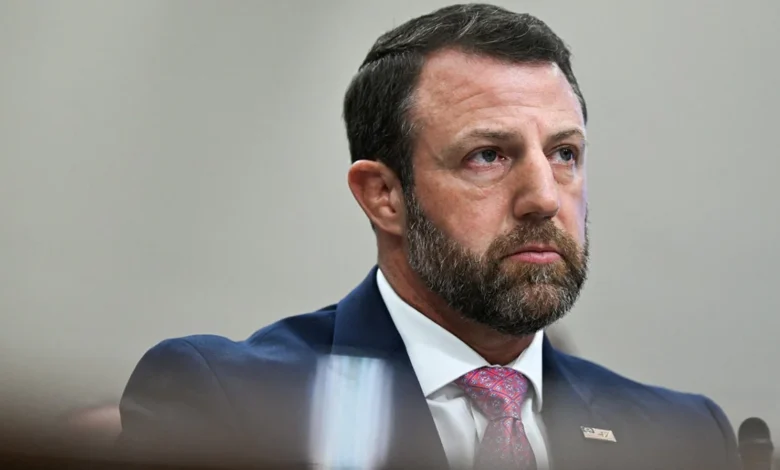
The debate over the efficacy of airport security protocols intensified on Wednesday as Homeland Security Secretary Markwayne Mullin defended the Transportation Security Administration’s (TSA) decision to allow travelers to remain in their shoes during security checkpoints. The defense came during a heated House Homeland Security Committee hearing, where Secretary Mullin faced rigorous questioning from Rep. Eli Crane (R-Ariz.) regarding the status of a classified watchdog review that raised significant red flags about the current policy.
The controversy centers on a policy shift implemented in July 2025 by then-Homeland Security Secretary Kristi Noem, which eliminated the requirement for travelers to remove their footwear during standard screening processes. At the time of the announcement, the administration argued that advancements in automated screening technology—specifically, high-resolution imaging and sophisticated explosive detection systems—would permit the agency to accelerate the flow of passengers without compromising safety. However, the move has faced persistent criticism from lawmakers and internal oversight bodies who argue that the shift may have created a latent vulnerability in the national aviation security infrastructure.
The Congressional Clash and Inspector General Findings
During the committee hearing, Rep. Eli Crane pressed Secretary Mullin on the status of the Department of Homeland Security (DHS) Inspector General’s (IG) report. Crane, who confirmed he had received a classified briefing on the matter, described the findings as "very concerning." The exchange highlighted a growing friction between the executive branch and congressional oversight committees regarding the transparency of security protocols.
Secretary Mullin, appearing before the committee to discuss departmental operations, maintained a firm stance that the current protocols are safe. "We have never put anyone at risk at all," Mullin stated. He informed the committee that he had personally met with Inspector General Joseph Cuffari in a secure, sensitive compartmented information facility (SCIF) to discuss the findings. According to Mullin, the department has proactively addressed three of the four specific security concerns identified in the IG’s report. Regarding the fourth concern, the Secretary dismissed it, asserting that in his professional judgment, it did not pertain to security risks.
Despite these assertions, the Secretary declined to provide specific details regarding the nature of the identified weaknesses or the precise remediation steps taken by the agency, citing the classified nature of the documentation. This lack of transparency has left several members of the committee unsatisfied, leading to requests for follow-up private briefings to assess whether the identified vulnerabilities have been fully mitigated or merely masked by temporary operational adjustments.
A Chronology of the Policy Shift
The current tension is the culmination of a series of events that began in mid-2025. To understand the gravity of the situation, it is necessary to examine the timeline of the policy’s implementation and the subsequent pushback from oversight entities:
- July 2025: Secretary Kristi Noem formally ends the routine mandate for travelers to remove shoes at TSA checkpoints, citing "significant upgrades" in screening hardware.
- August 2025: Within weeks of the policy change, the Inspector General’s office issues a formal warning to DHS and TSA leadership, flagging potential screening weaknesses identified during pilot testing of the new protocols.
- November 1, 2025: The Inspector General issues the final, classified report detailing the specific risks associated with the revised shoe-screening policy.
- March 2026: In an internal memorandum, the Inspector General notes that the 90-day deadline for the agency to provide a formal response to the recommendations has passed without a satisfactory submission.
- April 2026: Senator Maria Cantwell (D-Wash.) formally requests that the TSA suspend the policy until the security gaps identified by the IG are sufficiently closed.
- May 2026: Then-acting TSA Administrator Ha Nguyen McNeill issues a response to the Senate, stating that current intelligence assessments indicate there are "no direct, credible threats related to shoes," thereby justifying the continuation of the policy.
- June 2026: Secretary Mullin appears before the House Homeland Security Committee, where the policy is subjected to renewed scrutiny.
Supporting Data and Security Context
The TSA faces the monumental task of screening millions of passengers annually. According to data provided by the agency, the Memorial Day 2026 holiday period alone saw over 18.3 million air travelers processed at security checkpoints across the United States. When volume reaches these levels, efficiency is often prioritized alongside security. Proponents of the policy argue that the "shoe-on" initiative saves an average of 15 to 30 seconds per passenger, which, when aggregated over millions of travelers, significantly reduces queue wait times and operational congestion.
However, security experts have long viewed footwear as a potential vector for prohibited items. The historical context—most notably the 2001 "shoe bomber" incident involving Richard Reid—is what led to the original implementation of mandatory shoe removal. The transition away from this requirement is predicated on the deployment of Advanced Imaging Technology (AIT) scanners, which use millimeter-wave technology to detect concealed objects.
The crux of the current dispute is whether these scanners, when calibrated for high-throughput environments, are as effective at detecting non-metallic threats concealed within the structure of a shoe as they are at identifying items on the body. If the Inspector General’s report suggests that these scanners have a higher "false negative" rate for footwear than previously acknowledged, the argument for a return to manual inspection gains significant weight.

Official Responses and Internal Discord
The divergence in opinion between the Office of the Inspector General and the Department of Homeland Security remains a focal point of the current debate. While the TSA relies on intelligence-based risk assessments—which currently suggest no specific threat to aviation via footwear—the Inspector General’s role is to assess the physical integrity of the security screening process itself.
In her correspondence to the TSA, Senator Cantwell emphasized that the lack of current intelligence on a specific threat does not equate to an absence of physical vulnerability. The TSA’s reliance on "current intelligence" has been criticized by some security analysts as a reactive posture that ignores the possibility of "unknown unknowns"—threats that have not yet been flagged by intelligence agencies but could be exploited if the screening layer is weakened.
Furthermore, the hearing also touched upon broader concerns regarding the agency’s internal culture. There were moments of friction between legislators and the Secretary, with some Democratic members expressing concern over what they described as a "pattern" of defensive posturing by agency leadership when faced with legitimate questions regarding operational transparency.
Implications for Aviation Security
The ongoing debate over the shoe-screening policy has significant implications for the future of travel in the United States. If Congress determines that the Inspector General’s findings have not been adequately addressed, they possess the legislative authority to mandate a reversal of the policy through the appropriations process or by passing specific oversight legislation.
For the traveling public, the primary impact is uncertainty. While the policy currently remains in place, the potential for a sudden reinstatement of shoe removal protocols—should the political or security climate shift—remains a possibility. Furthermore, the case highlights the tension inherent in balancing the "frictionless travel" experience demanded by the public with the rigorous, often invasive security measures required to maintain a secure aviation system.
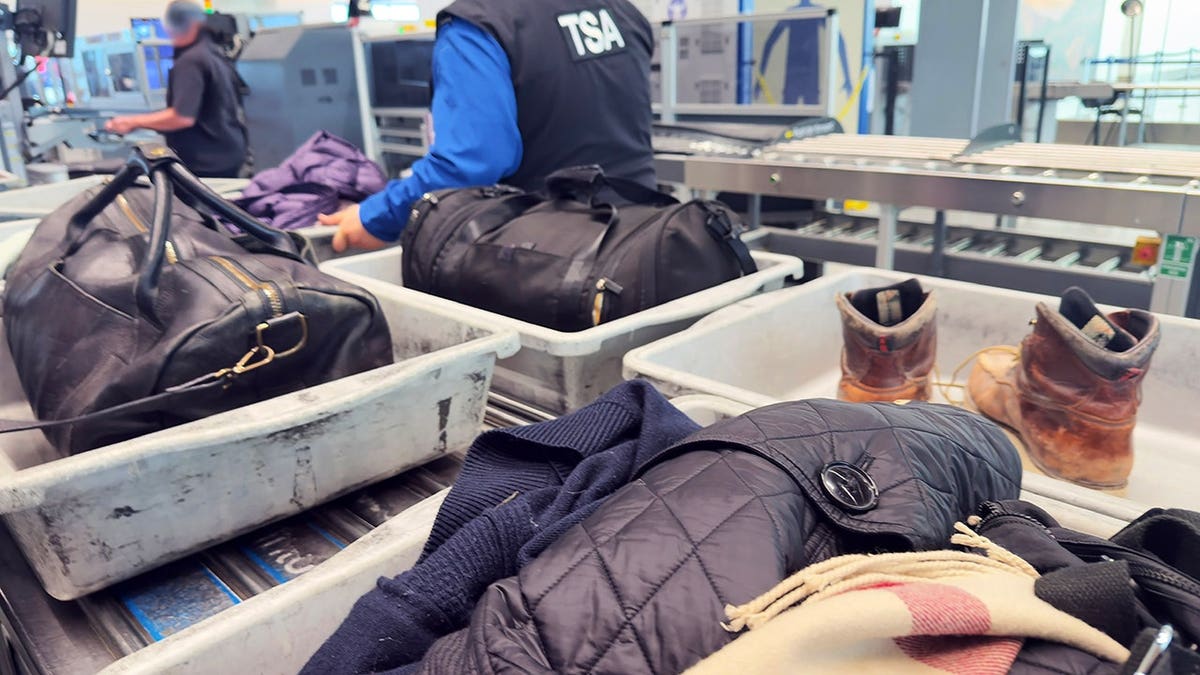
As the House Homeland Security Committee continues its review, the department is under mounting pressure to provide a more detailed account of how it intends to satisfy the Inspector General’s remaining recommendations. Whether the agency chooses to bolster its current technology, increase the frequency of random manual checks, or revert to the previous mandate will likely depend on the results of ongoing classified discussions between the Secretary’s office and the oversight committees.
Ultimately, the dispute underscores the necessity of a transparent relationship between the executive agencies tasked with public safety and the congressional bodies responsible for holding them accountable. As air travel continues to reach record highs, the need for a security posture that is both efficient and undeniably robust remains the paramount challenge for the Department of Homeland Security.