
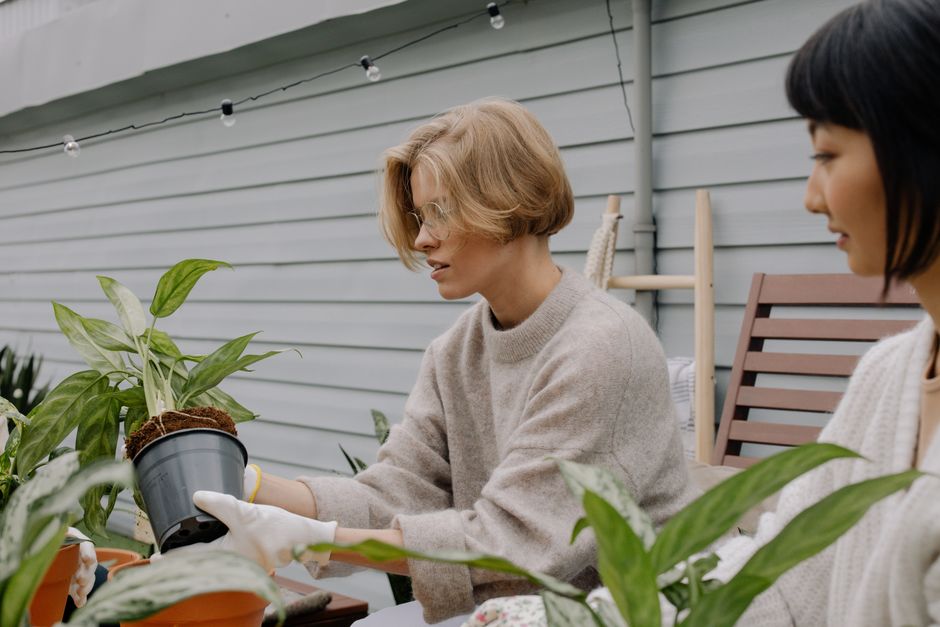
25 Essential Outdoor DIY Tips for the Avid Plant Lady
Elevating your outdoor space into a plant-lover’s paradise doesn’t require a professional landscaper or an unlimited budget. With a bit of creativity and some hands-on effort, you can transform patios, balconies, and yards into thriving green sanctuaries. These 25 outdoor DIY tips are designed to empower plant ladies to maximize their growing potential, enhance their aesthetics, and ensure the health and longevity of their beloved flora. From space-saving solutions to pest control strategies, this guide covers practical and impactful projects.
1. Vertical Garden Wall Creation: Maximize limited horizontal space by building a vertical garden. Utilize pallet wood, repurposed gutters, or specialized modular planters to create tiered planting systems. Securely fasten these to walls or fences, ensuring proper drainage for each level. This DIY allows for a significant increase in planting real estate without encroaching on your floor space, perfect for balconies or small patios. Consider using lightweight potting mix and plants that don’t require extensive root systems.
2. Self-Watering Planter Box Construction: Combat inconsistent watering schedules with DIY self-watering planters. This involves creating a reservoir at the bottom of a planter box, separated by a barrier (like landscape fabric) and connected to the soil via wicking material (cotton rope or fabric strips). Water added to the reservoir is drawn up into the soil as needed. This is a game-changer for busy plant ladies, vacationing plant parents, and those with plants sensitive to over or under-watering. Ensure the reservoir is accessible for refilling.
3. Upcycled Container Transformation: Give old items new life as unique planters. Think discarded tires painted in vibrant colors, old watering cans with drainage holes drilled, vintage bathtubs, or even sturdy ceramic sinks. Clean thoroughly and drill adequate drainage holes to prevent root rot. This not only saves money but also adds character and a touch of personality to your garden. Ensure materials are non-toxic and won’t leach harmful substances into the soil.
4. DIY Trellis and Support Structures: Provide climbing plants with the support they need to thrive and add vertical interest. Use bamboo stakes, salvaged branches, or even repurposed metal shelving to create custom trellises. Woven willow branches or simple wooden lattices are also effective. Securely anchor these structures in the ground or attach them to walls to support the weight of mature plants. Consider the eventual size and weight of your climbing varieties.
5. Natural Pest Deterrent Sprays: Combat common garden pests organically. Blend ingredients like garlic, chili peppers, and dish soap with water to create a potent, homemade insecticide. Essential oils like neem or peppermint can also be effective. Strain the mixture and store it in a spray bottle. Regularly apply to affected plants, focusing on the undersides of leaves where pests often hide. Always test on a small area first to ensure it doesn’t harm your plants.
6. Compost Bin Construction from Pallets: Reduce garden waste and create nutrient-rich compost for your plants with a simple DIY compost bin. Pallets are readily available and can be easily assembled into a three-sided or four-sided enclosure. Layer organic materials like kitchen scraps (no meat or dairy), yard waste, and shredded paper. Regular turning and moisture management will speed up the decomposition process.
7. Seed Starting Station Setup: Get a head start on the growing season by creating an indoor or outdoor seed starting station. Use repurposed shallow trays, egg cartons, or small plastic containers as seed pots. A simple DIY setup could involve a sturdy shelf with a grow light suspended above it. Ensure good airflow and consistent moisture for optimal germination. Label everything clearly to avoid mix-ups.
8. Mulch Application Strategy: While not strictly a "build," a smart mulch strategy is a vital DIY. Using organic mulches like wood chips, straw, or shredded bark helps retain soil moisture, suppress weeds, and regulate soil temperature. Apply a 2-3 inch layer around plants, keeping it a few inches away from the stems to prevent rot. This is a low-effort, high-reward DIY for plant health.
9. Raised Garden Bed Building: Improve drainage, soil quality, and accessibility by building raised garden beds. Utilize lumber (cedar or redwood are naturally rot-resistant), concrete blocks, or even large rocks. The height of the bed can be customized to your needs, making gardening easier for those with mobility issues. Ensure the base is level and the sides are securely constructed.
10. DIY Plant Markers and Labels: Never forget what you’ve planted again. Craft unique plant markers using painted rocks, stamped metal tags, or even pieces of old crockery. Wooden craft sticks can be written on with permanent markers. This adds a charming, personalized touch to your garden while keeping your plant inventory organized. Consider weather-resistant materials for longevity.
11. Rain Barrel Installation for Water Conservation: Harness the power of free, natural water by installing a DIY rain barrel. Connect it to your downspout to collect rainwater for irrigating your plants. This reduces your reliance on municipal water, saves money, and provides plants with chlorine-free water, which they often prefer. Ensure the barrel is screened to prevent mosquito breeding.
12. Patio Paver Refurbishment or Laying: Enhance your outdoor living space by refreshing existing patio pavers or laying new ones. Clean and reseal old pavers for a renewed look. For a DIY paver patio, prepare a level base of gravel and sand, then lay the pavers, ensuring they are tightly fitted. This creates a durable and attractive foundation for your potted plant collection.
13. Garden Tool Storage Solutions: Keep your essential gardening tools organized and readily accessible. Build a simple wall-mounted rack from wood or repurpose an old pallet. Consider adding hooks for trowels, shovels, and pruning shears. A dedicated tool caddy can also be a lifesaver for smaller spaces or for moving tools around the garden.
14. Bird Feeder and Bath Creation: Attract beneficial wildlife to your garden, which can help with natural pest control. DIY bird feeders can be made from recycled materials like pinecones coated in peanut butter and seeds, or wooden structures. A shallow dish filled with water serves as a simple bird bath. Place these in areas visible from your windows for enjoyable wildlife viewing.
15. Garden Bench or Seating Area Construction: Create a comfortable spot to relax and admire your hard work. Simple DIY garden benches can be built from reclaimed lumber or cinder blocks and wooden planks. Even a few strategically placed logs can serve as rustic seating. Position these in shaded areas or among your favorite plants for a tranquil retreat.
16. String Light Ambiance Enhancement: Extend your enjoyment of your outdoor space into the evening hours by installing DIY string lighting. Drape fairy lights or Edison bulb strands across pergolas, fences, or trees. Secure the wires safely and consider solar-powered options for ease of installation and energy efficiency. This adds a magical glow to your plant-filled oasis.
17. Edible Herb Garden Layout and Design: Maximize the usability of your outdoor space by creating a dedicated edible herb garden. Design a layout that allows for easy access and sufficient sunlight for your chosen herbs. Raised beds or containers are ideal for this. Consider companion planting herbs that benefit each other.
18. DIY Weed Barrier Installation: Suppress weed growth effectively without harsh chemicals. Lay down a layer of newspaper or cardboard directly on the soil before adding mulch. This suffocates existing weeds and prevents new ones from sprouting. This is a simple yet highly effective DIY for maintaining a tidy garden.
19. Hanging Basket Mounts and Systems: Utilize vertical space for cascading beauties. Create custom hanging basket mounts from sturdy hooks screwed into eaves, fences, or sturdy branches. You can also repurpose old chains or rope to create your own unique hanging systems. Ensure they are securely fastened to support the weight of mature, wet plants.
20. Garden Path Creation with Natural Materials: Define pathways and add visual appeal to your garden with DIY paths. Use stepping stones, gravel, wood chips, or even repurposed bricks. Ensure the path is well-drained and provides a clear route through your planting areas, making maintenance easier and preventing soil compaction from foot traffic.
21. Insect Hotel Construction: Provide a habitat for beneficial insects like solitary bees and ladybugs. Build a simple insect hotel using recycled materials like hollow reeds, drilled wood blocks, and old terracotta pots. This promotes biodiversity in your garden and can contribute to pollination and natural pest control.
22. Drought-Tolerant Plant Grouping and Design: For those in drier climates or seeking low-maintenance options, group drought-tolerant plants together. Research succulents, cacti, and native species that thrive with minimal watering. Design your landscape to accommodate these needs, reducing water consumption and your watering workload.
23. Soil Amendment Enhancement: While not a "build," proactive soil improvement is a crucial DIY for plant health. Regularly incorporate compost, well-rotted manure, or other organic matter into your garden beds and containers. This improves soil structure, drainage, and nutrient content, creating a fertile foundation for your plants to flourish.
24. Garden Art and Sculptures from Recycled Materials: Inject personality and artistic flair into your garden with DIY garden art. Repurpose old metal scraps, broken pottery shards, or driftwood into unique sculptures. Even painted rocks or mosaics can add a whimsical touch, transforming your outdoor space into a personal gallery.
25. Vertical Vegetable Gardening Solutions: Grow your own delicious produce even in small spaces. Construct vertical trellises for vining vegetables like cucumbers, beans, and peas. Consider DIY hanging planters for strawberries or compact tomato varieties. This maximizes your growing potential in limited areas, allowing you to enjoy a bounty of fresh food.

