The geopolitical landscape of 2026 has been defined by a singular, harrowing focal point: the Strait of Hormuz. When the conflict between Iran and a coalition led by the United States and Israel erupted earlier this year, the immediate closure of this narrow maritime artery sent shockwaves through the global economy. As the primary transit point for nearly 20 percent of the world’s traded petroleum, the strait’s blockade effectively removed 15 million barrels of oil per day from the global supply chain overnight. While initial projections suggested an immediate descent into a "Great Depression" style energy famine, the first four months of the conflict have revealed a global market that is far more resilient—and far more desperate—than many analysts originally anticipated. However, as a fragile mid-summer ceasefire collapses and the world enters what experts are calling "Hormuz 2.0," the buffers that prevented a total economic meltdown are rapidly eroding.
The Strategic Chokepoint: Understanding the Initial Shock
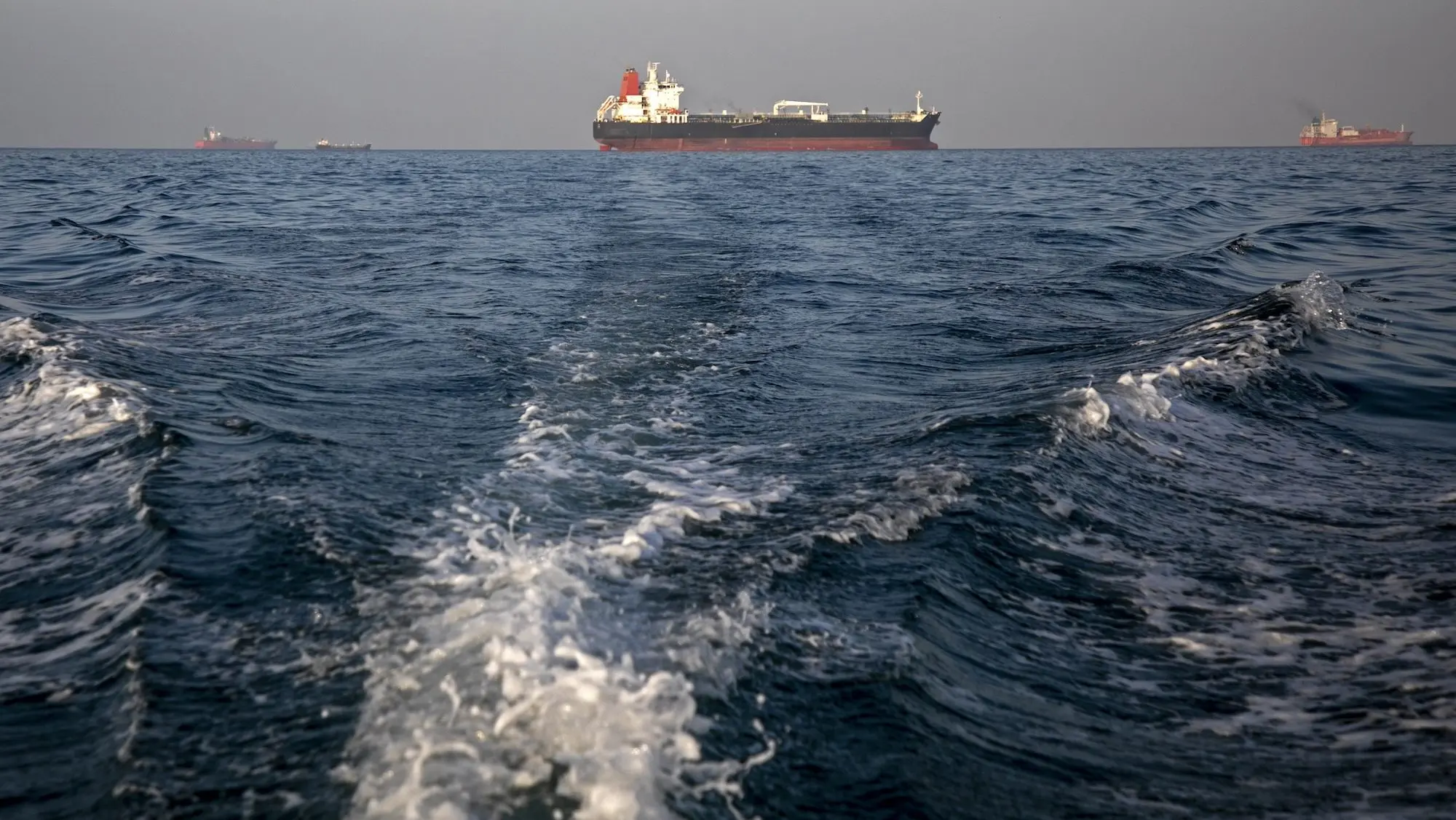
The Strait of Hormuz, separating the Persian Gulf from the Gulf of Oman, is widely considered the world’s most important energy chokepoint. In the weeks leading up to the 2026 hostilities, the International Monetary Fund (IMF) and major financial institutions like Goldman Sachs issued dire warnings. Traders braced for oil to surpass $200 per barrel, a price point that would have likely triggered a global recession. In Australia, the government began drafting emergency legislation for fuel rationing, while the European airline industry prepared for a systemic shutdown due to a projected 60 percent spike in jet fuel costs.
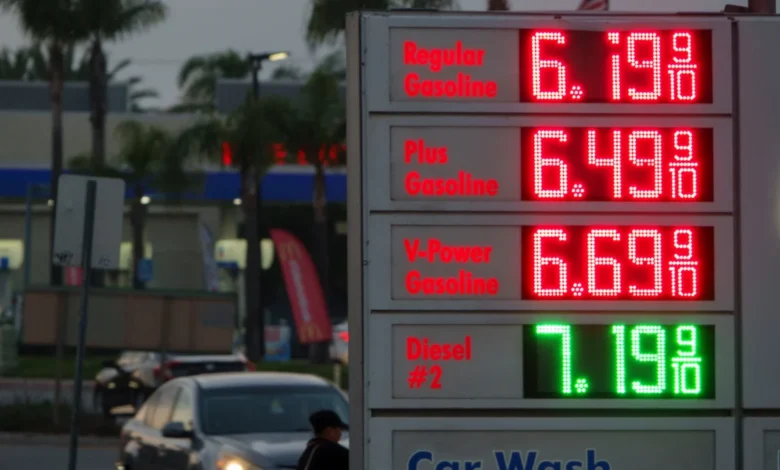
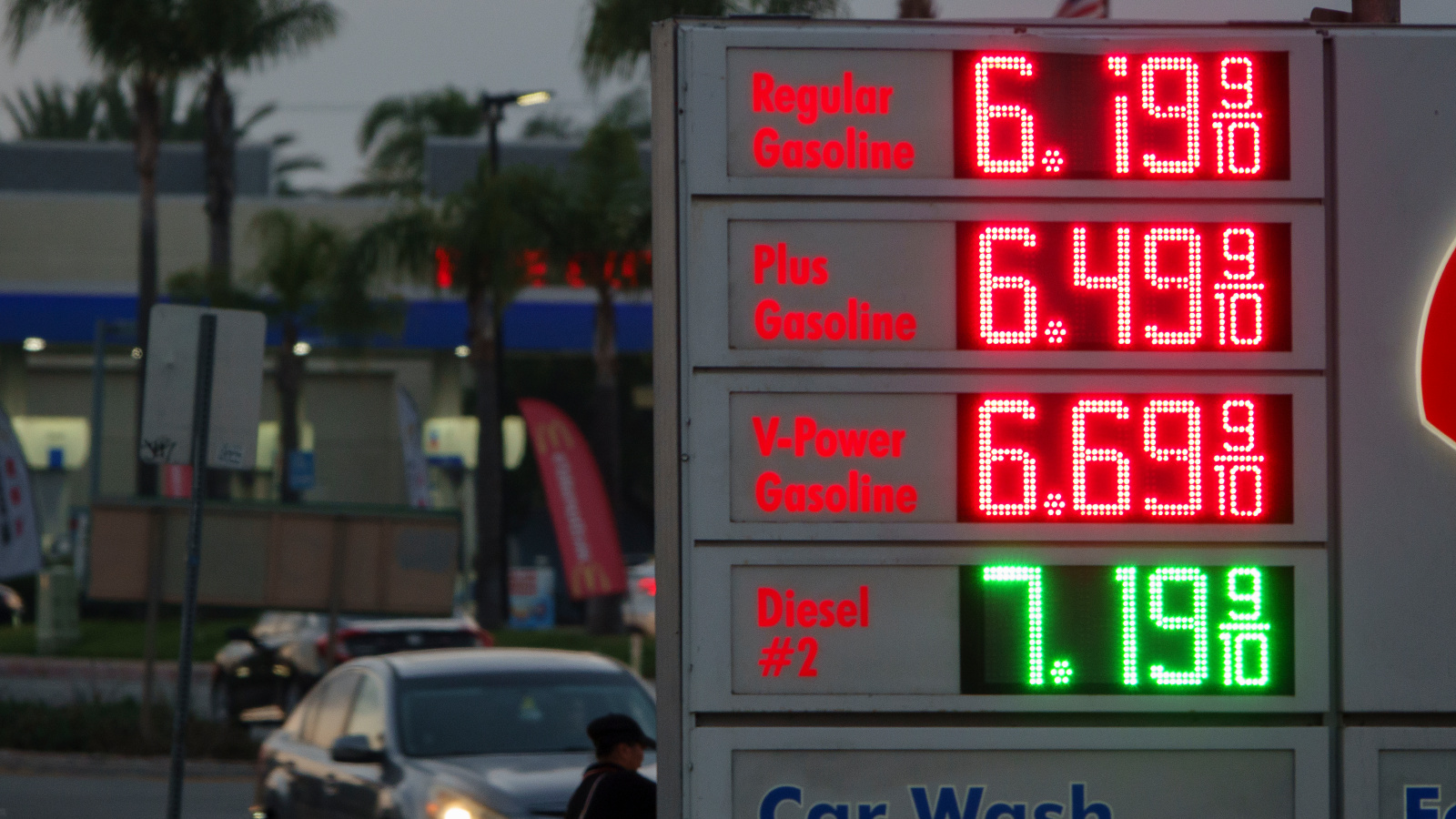
The reality of the first quarter of the war was indeed severe, but it did not reach the apocalyptic levels predicted. While Brent crude did surge toward $120 per barrel in May, the catastrophic "supply cliff" was mitigated by a series of unprecedented international interventions. The global response was twofold: a frantic search for alternative supply and an aggressive, state-mandated reduction in demand.
A Chronology of the 2026 Energy Crisis
To understand the current precarious state of the market, it is necessary to examine the timeline of the conflict and the subsequent market reactions:
- Late February 2026: The United States and Israel initiate a joint military operation targeting Iranian nuclear and military infrastructure. Iran retaliates by deploying sea mines and anti-ship missiles, effectively closing the Strait of Hormuz.
- March 2026: Oil prices breach the $100-per-barrel mark. The International Energy Agency (IEA) coordinates the largest strategic reserve release in history, flooding the market with 400 million barrels from 30 member nations.
- April 2026: Major Asian economies, including the Philippines, Pakistan, and Bangladesh, implement drastic energy conservation measures, including four-day work weeks and restrictions on private vehicle use.
- May 2026: Non-OPEC producers, led by the U.S., Norway, and a revitalized Venezuelan sector, ramp up production to record levels. Brent crude peaks at $120 before stabilizing as new supply routes are confirmed.
- June 17, 2026: A surprise ceasefire is signed in Muscat, Oman. Shipping briefly resumes, and oil prices plummet to $70 per barrel in a wave of relief selling.
- July 2026: The ceasefire collapses following a series of maritime skirmishes. Iran re-imposes transit restrictions, and the U.S. announces a total secondary boycott of Iranian petroleum. Prices rebound to $85-$90 per barrel, marking the beginning of "Hormuz 2.0."
Supply-Side Ingenuity: Scraping the Barrel
The avoidance of a $200-per-barrel scenario in the early months was largely due to the "all-of-the-above" supply strategy adopted by the West and its allies. The IEA’s coordinated release of 400 million barrels provided a 20-day cushion for the 15 million barrels lost daily from the Gulf. This move was bolstered by the United States, which utilized its domestic shale capacity to fill the void left by Middle Eastern exports.
Furthermore, regional powers found ways to bypass the strait. Saudi Arabia and Iraq, though hindered by the conflict, managed to reroute approximately 6 million barrels per day through overland pipelines to the Red Sea and the Mediterranean. While these pipelines were not originally intended to carry such volumes, emergency technical upgrades allowed them to operate at 115 percent capacity.
South Korea and Japan, traditionally the most vulnerable to Persian Gulf disruptions, pivoted their procurement strategies almost overnight. Data from the Energy Information Administration (EIA) indicates that South Korea doubled its crude imports from the United States and Norway between February and May. This shift, while expensive due to increased shipping distances and freight insurance premiums, ensured that industrial output in Seoul and Tokyo did not grind to a halt.
Demand Destruction: The Asian "Austerity" Model
While the West focused on supply, the Global South—specifically Asia—focused on demand destruction. Over 100 countries enacted conservation measures that would have been unthinkable in peacetime. In Myanmar, the government implemented an "even-odd" license plate system, restricting vehicle usage to every other day. In Bangladesh, public university buildings were shuttered, and air conditioning in government offices was legally capped at 77 degrees Fahrenheit to preserve the power grid.
The Philippines and Sri Lanka moved to a mandatory four-day work week to reduce commuting fuel consumption. These measures, while economically painful, prevented a total collapse of the electrical grids in nations that rely heavily on imported liquefied natural gas (LNG) and fuel oil. Analysts estimate that these collective conservation efforts reduced global oil demand by approximately 3.5 million barrels per day during the height of the first phase of the war.
Europe also contributed to this demand shift, albeit through more subsidized means. The Netherlands and Sweden introduced aggressive "green swaps," allowing citizens to trade internal combustion engine vehicles for electric ones with massive state rebates, while simultaneously slashing public transit fares to encourage a permanent shift away from petroleum-based commuting.
The China Factor: A "Crash Diet" for the Dragon
Perhaps the most significant factor in stabilizing global prices was the behavior of China. As the world’s largest oil importer, China’s continued demand would have almost certainly pushed prices past $150 per barrel. Instead, Beijing entered what energy analyst Bob McNally termed a "crash diet."
China halted all purchases for its own strategic reserves and temporarily shuttered several major refineries, citing "scheduled maintenance" that many observers saw as a strategic move to lower global demand and pressure the U.S. to seek a diplomatic solution. To compensate for the energy deficit, China rapidly scaled up its coal-fired power generation and accelerated the deployment of utility-scale solar arrays in the Gobi Desert. By removing itself as a primary bidder for spot-market crude, China effectively freed up 5 million barrels per day for the rest of the world, acting as an unintentional stabilizer for the global economy.
The Collateral Damage: Food, Tech, and Inflation
Despite the relative stability of oil prices, the war has exacted a heavy toll on other sectors. The Strait of Hormuz is not merely an oil artery; it is a critical corridor for helium, sulfur, and fertilizer components. The disruption of fertilizer shipments has created a secondary crisis in global agriculture. Rice farmers across Southeast Asia have reported a 400 percent increase in the cost of nitrogen-based fertilizers, leading to predictions of significantly lower crop yields in the coming harvest season.
The tech sector has also felt the sting. The strait is a transit route for essential minerals used in semiconductor manufacturing and nickel refining. Consequently, the price of consumer electronics and electric vehicle batteries has begun to climb, threatening the very "green transition" that many countries are using to escape oil dependency. In Myanmar and Thailand, the lack of affordable fuel has devastated local logistics, with taxi drivers and small-scale delivery workers losing their livelihoods as the cost of operation exceeds their daily earnings.
Hormuz 2.0: Why the Second Phase is More Dangerous
As of late July 2026, the optimism brought by the June ceasefire has evaporated. The collapse of diplomatic talks has ushered in "Hormuz 2.0," a phase that experts warn will be far more difficult to manage. The "tricks" used in the first four months—massive strategic reserve releases and China’s demand holiday—are no longer viable.
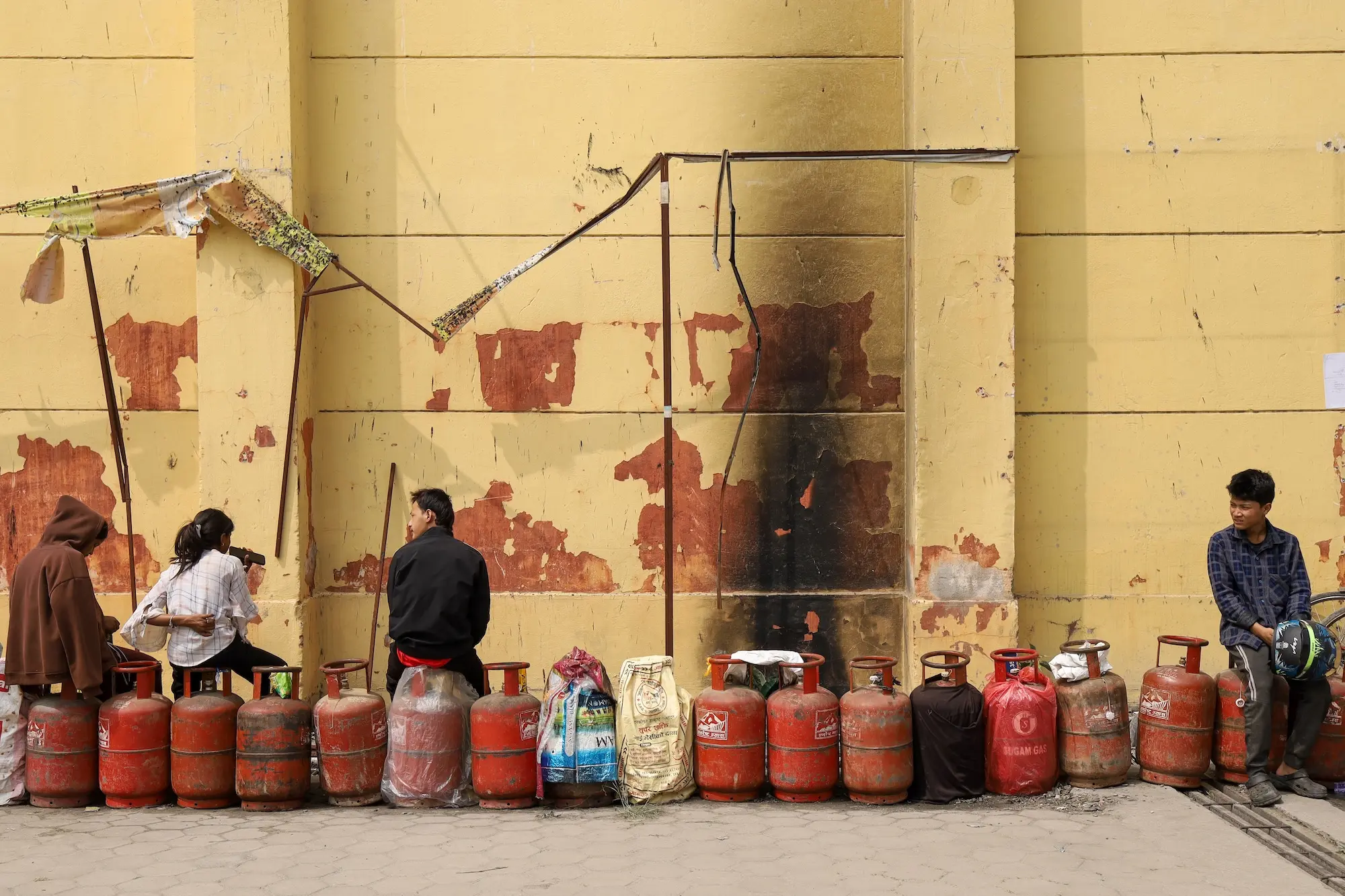
The U.S. Strategic Petroleum Reserve (SPR) is currently at its lowest level in decades, with engineers warning that frequent drawdowns are threatening the structural integrity of the salt caverns used for storage. Simultaneously, China has ended its "crash diet" and resumed large-scale purchasing to refuel its recovering industrial sector.
"The market priced for perfection during the ceasefire," said Bob McNally, founder of Rapidan Energy Group. "Now, we are entering a period where the buffers are gone. In Hormuz 2.0, prices will have to do the heavy lifting of balancing the market. Because demand for energy is inelastic—people have to eat and move—the price spike required to force enough people off the market will be significantly higher than what we saw in the spring."
Implications and Outlook
The 2026 Iran war has proven that the global energy market is more adaptable than previously thought, but that adaptability has a ceiling. The world has successfully navigated the "Supply Shock" phase through emergency coordination and mandatory conservation. However, as the conflict drags into the autumn, the structural deficits of a world without the Strait of Hormuz are becoming permanent fixtures of the global economy.
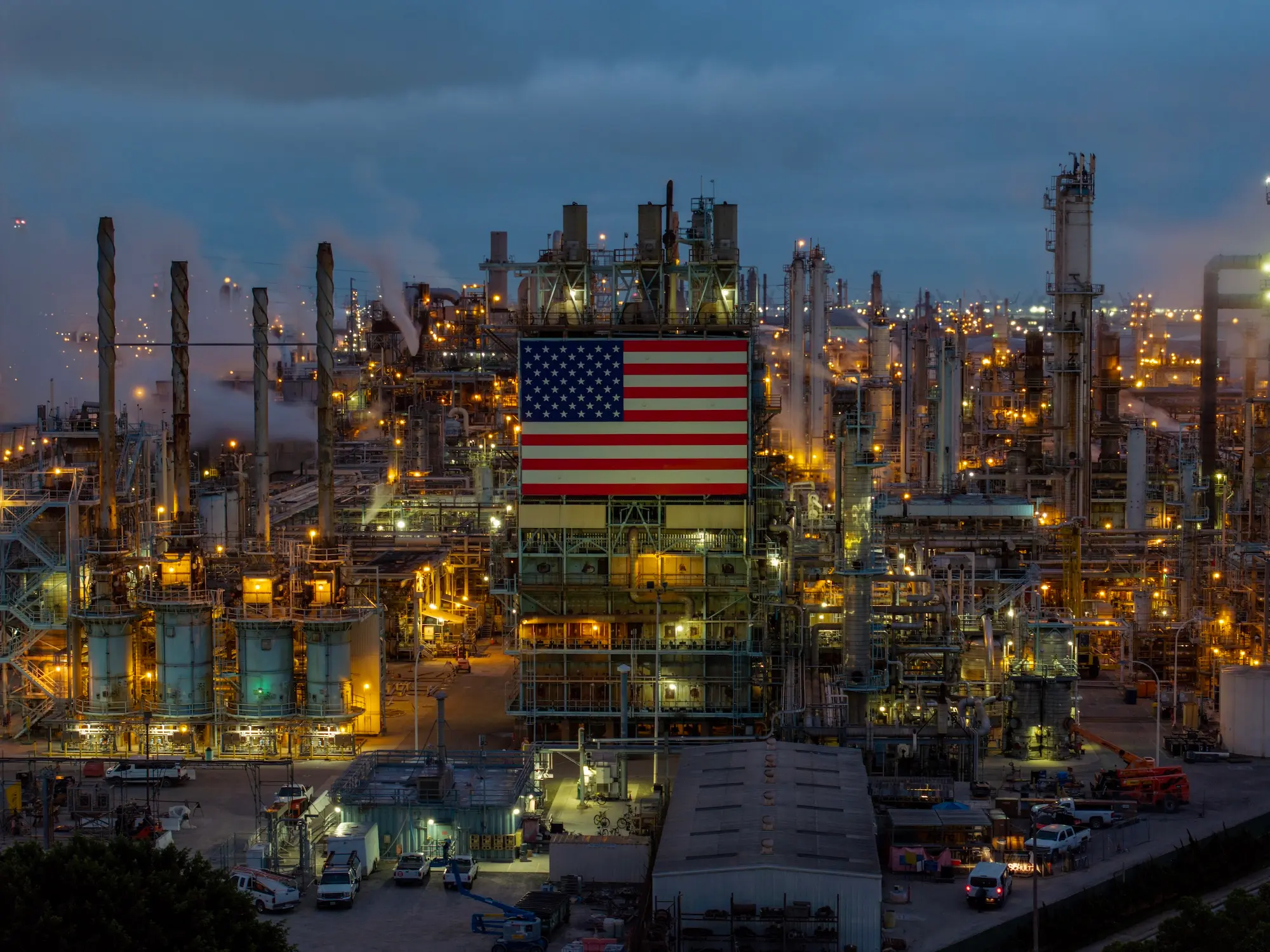
Refineries in the U.S. and Europe are currently running at maximum capacity to produce jet fuel and diesel, but this has led to a dangerous thinning of gasoline inventories. As the Northern Hemisphere approaches the winter heating season, the competition for non-Gulf energy sources will intensify.

If the strait remains closed through the end of the year, the "managed crisis" of the spring may give way to a more chaotic economic reality. Without the cushion of strategic reserves, the global economy is now directly exposed to the volatility of the front lines. The resilience shown thus far has bought the world time, but as the conflict enters this new, more aggressive phase, time is the one commodity that is running as low as the oil itself.