
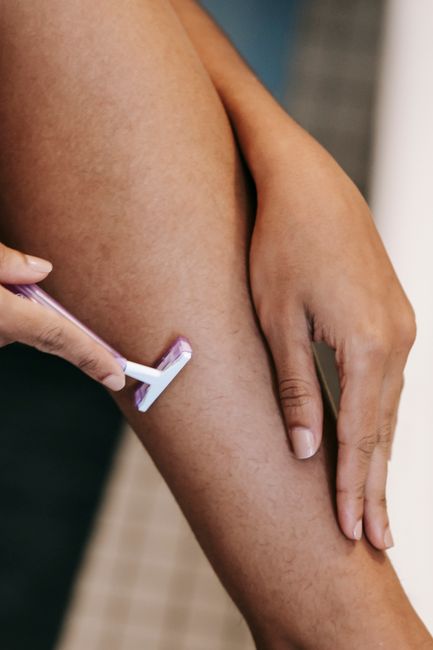
The Ultimate Guide: 3 Expert Tips for Shaving Sensitive Legs Without Irritation
Shaving sensitive skin on the legs presents a unique challenge, often leading to redness, bumps, razor burn, and ingrown hairs. The delicate nature of this skin requires a specialized approach to hair removal. This comprehensive guide delves into three crucial tips designed to minimize discomfort and achieve a smooth, irritation-free shave. Understanding the underlying causes of sensitivity and implementing targeted strategies is paramount for anyone prone to adverse reactions. Sensitive skin can be a result of genetics, environmental factors, underlying skin conditions, or even the products and tools used. The goal is not simply to remove hair, but to do so in a way that respects and protects the skin’s natural barrier. This article will break down the essential steps, from preparation to post-shave care, offering actionable advice for achieving your smoothest, most comfortable shave yet.
Tip 1: Master the Art of Pre-Shave Preparation
Proper pre-shave preparation is arguably the most critical, yet often overlooked, step in shaving sensitive legs. This stage sets the foundation for a smooth and irritation-free experience by softening the hair and skin, opening pores, and creating a protective barrier. Rushing this phase is a surefire way to invite razor burn and discomfort. The primary objective of pre-shave preparation is to make the hair shaft more pliable and the skin more yielding to the razor’s glide.
Begin with a warm to hot shower or bath. The heat and steam from the water work wonders in softening the hair and opening the pores. Aim for a duration of at least 5-10 minutes in the shower. Avoid excessively hot water, as this can strip the skin of its natural oils and lead to dryness and irritation. Lukewarm water is generally sufficient. During this time, gently cleanse your legs with a mild, fragrance-free body wash. Harsh soaps with high pH levels can disrupt the skin’s natural acid mantle, making it more susceptible to irritation. Look for cleansers that are specifically formulated for sensitive skin, containing ingredients like ceramides or hyaluronic acid, which help to replenish moisture. Avoid any exfoliating scrubs or harsh loofahs at this stage, as these can create micro-tears in the skin, exacerbating sensitivity and increasing the risk of razor burn. The goal is gentle cleansing, not aggressive exfoliation, before the shave.
Following the cleansing and softening, the next crucial element of pre-shave preparation is the application of a high-quality shaving cream, gel, or oil. This is where many individuals with sensitive skin make a mistake by opting for conventional, lathering shaving creams that can contain alcohol and artificial fragrances, both of which are known irritants. Instead, invest in a product specifically designed for sensitive skin. These formulations are typically hypoallergenic and free from common irritants. Shaving creams and gels create a slick surface that allows the razor to glide effortlessly over the skin, reducing friction and the likelihood of nicks and cuts. Shaving oils, while less common, offer an excellent alternative by forming a protective barrier that further lubricates the skin and softens the hair. Apply the chosen shaving product generously, ensuring complete coverage of the areas to be shaved. Allow it to sit on the skin for a minute or two to further soften the hair and maximize its protective benefits. This is not a step to be rushed. The longer the product has to work, the better the results.
For those who experience significant sensitivity or have a history of ingrown hairs, consider a pre-shave oil or lotion. Applied before the shaving cream, these products add an extra layer of lubrication and protection. Look for ingredients like jojoba oil, almond oil, or shea butter, which are known for their moisturizing and skin-soothing properties. These oils can help to create a barrier between the skin and the razor, preventing the blade from dragging and causing irritation. Massage the pre-shave oil into damp skin, allowing it to absorb for a moment before applying your shaving cream.
The importance of the razor itself cannot be overstated in the context of pre-shave preparation. While not directly a preparation step, having a sharp and clean razor is integral to a successful shave. A dull razor will tug at the hair and drag across the skin, causing irritation and increasing the risk of cuts. Ensure your razor blades are fresh and haven’t been used excessively. For sensitive skin, consider razors with multiple blades, as they can distribute the pressure more evenly and provide a closer shave with fewer passes. However, some individuals find fewer blades to be less irritating. Experimentation is key. Furthermore, always rinse your razor thoroughly under hot water after each use to remove any hair or shaving cream residue, which can harbor bacteria and dull the blades.
Finally, remember that the temperature of the water used to rinse your razor is also important. Rinsing with cool water can help to close the pores after shaving, but during the shave, warm water is preferable to keep the pores open and the hair soft. Maintaining a consistent flow of warm water to rinse the razor between passes is crucial for an efficient and comfortable shave.
Tip 2: The Strategic Shaving Technique
Once your legs are adequately prepared, the actual shaving technique becomes paramount for sensitive skin. This involves more than simply running a razor over your legs. It’s about adopting a mindful approach that prioritizes minimizing friction, pressure, and the number of passes made with the razor. The goal is to achieve a close shave with the least possible disruption to the skin’s surface.
First and foremost, always shave with the grain of your hair growth, not against it, especially when starting. Shaving against the grain is what typically leads to razor bumps, ingrown hairs, and irritation because it pulls and snags the hair, as well as potentially cutting the hair below the skin’s surface. For sensitive legs, prioritize a comfortable shave over the absolute closest shave possible. You can always go back for a second, lighter pass with the grain if necessary, but never against it in the initial stages. Observe the direction of hair growth on different parts of your legs. It can vary, so pay attention. Applying gentle, consistent pressure is key. Do not press down hard on the razor. Allow the sharpness of the blade and the lubrication from your shaving product to do the work. Excessive pressure will only increase friction and irritation.
When it comes to the number of passes, aim for as few as possible. Each time the razor glides over the skin, it causes some level of micro-trauma. For sensitive legs, two passes (both with the grain) are generally the maximum recommended. If your hair is fine or you are new to shaving, one pass with the grain might be sufficient to achieve satisfactory results without compromising comfort. If you find that you still have stubble after one pass, reapply shaving cream and make another pass in the same direction as the hair growth. Avoid making multiple passes in different directions, as this significantly increases the risk of irritation.
The rinsing of the razor is a critical component of the shaving technique. Between each stroke or every few strokes, thoroughly rinse the razor under hot running water. This removes any hair and shaving cream that can clog the blades and reduce their effectiveness. A clogged razor will drag and pull, leading to irritation. Keep the razor clean and the blades free to glide smoothly. You can also rinse your legs with warm water periodically during the shave to keep the pores open and the skin hydrated.
For individuals with very sensitive skin or a tendency for ingrown hairs, consider using a single-blade razor or a safety razor. While multi-blade razors are often marketed as providing a closer shave, the increased number of blades can sometimes lead to more irritation for sensitive individuals. A single blade, when sharp, can provide a close shave without the added friction of multiple blades. Safety razors, with their open comb design, can also be gentler on the skin. However, it’s crucial to note that the technique for using a safety razor is different and may require some practice.
When navigating difficult-to-shave areas like the knees and ankles, adjust your technique accordingly. For knees, bend your leg slightly to create a flatter surface. For ankles, stretch the skin taut with your free hand. Avoid shaving over bony areas or folds of skin with excessive pressure. Be mindful of any moles or blemishes, and shave around them carefully.
Another important aspect of the shaving technique for sensitive skin is the angle of the razor. Hold the razor at a slight angle to your skin, typically around 30 degrees. This angle allows the blades to cut the hair effectively without digging into the skin. A steeper angle can increase the risk of nicks and cuts.
Finally, if you have very sensitive skin that is prone to nicks and cuts, consider using a facial razor or a specialized "sensitive skin" razor. These often have protective guards that minimize contact between the blade and the skin. While they may not provide the absolute closest shave, they can be a lifesaver for those who struggle with irritation. Remember, the goal is a comfortable, irritation-free shave, not necessarily a baby-smooth finish on the very first pass.
Tip 3: Embrace Post-Shave Soothing and Protection
The final, and equally vital, stage of shaving sensitive legs is post-shave care. This phase is dedicated to calming the skin, replenishing lost moisture, and preventing potential post-shave issues like dryness, redness, and ingrown hairs. Skipping this crucial step can undo all the hard work you’ve put into preparation and technique.
Immediately after shaving, rinse your legs with cool water. This helps to close the pores, which have been opened during the warm shower and shaving process, and can further reduce redness and inflammation. Gently pat your legs dry with a clean, soft towel. Avoid rubbing vigorously, as this can irritate the freshly shaved skin.
The application of a post-shave balm or lotion is essential. Look for products that are specifically formulated for sensitive or post-shave use and are free from alcohol, fragrances, and harsh chemicals. These ingredients can further dry out and irritate the skin. Opt for formulations containing soothing and moisturizing ingredients such as aloe vera, chamomile, calendula, hyaluronic acid, or ceramides. Aloe vera is renowned for its anti-inflammatory and cooling properties, while hyaluronic acid helps to hydrate and plump the skin. Ceramides are essential lipids that help to restore the skin’s natural barrier function, which can be compromised during shaving. Gently massage the balm or lotion into your skin, ensuring even coverage. This step replenishes lost moisture, calms any residual irritation, and helps to create a smooth, comfortable feel.
For those prone to ingrown hairs, consider using a post-shave product that contains a mild exfoliant. Ingredients like salicylic acid (a beta-hydroxy acid) or glycolic acid (an alpha-hydroxy acid) in low concentrations can help to gently slough away dead skin cells and prevent them from trapping hairs. However, use these with caution and start with a low concentration to avoid further irritation. If your skin is highly reactive, it might be best to stick to simple, hydrating balms.
Avoid wearing tight clothing immediately after shaving. Tight garments can cause friction and irritation on the freshly shaved skin. Opt for loose-fitting, breathable fabrics like cotton to allow your skin to breathe and recover. This is particularly important for the first few hours after shaving.
Sun exposure should also be minimized after shaving. Shaved skin is more sensitive to the sun’s harmful UV rays, increasing the risk of sunburn and hyperpigmentation. If you must go out in the sun, apply a broad-spectrum SPF 30 or higher sunscreen to your legs.
Don’t shave on consecutive days if your skin is particularly sensitive. Allow your skin at least 24-48 hours to recover between shaves. This gives the skin cells time to regenerate and the skin barrier to repair itself. If you need to remove hair daily, consider alternating between shaving and other hair removal methods, or adjust your shaving frequency based on your skin’s tolerance.
Finally, consider incorporating a dedicated ingrown hair serum or treatment into your routine, especially if ingrown hairs are a persistent problem. These products often contain ingredients designed to gently exfoliate and reduce inflammation, helping to prevent future ingrown hairs. Apply them as directed, typically once or twice a day, depending on the product and your skin’s sensitivity. Consistent post-shave care is not an optional add-on; it’s an integral part of achieving and maintaining smooth, healthy, and comfortable legs.

