
Maximize Leg Day Gains: 3 Proven Strategies for Explosive Lower Body Development
Leg day is often the most dreaded, yet paradoxically, the most crucial workout in any comprehensive fitness regimen. It targets the largest muscle groups in the body, leading to significant metabolic boosts, hormonal responses, and overall functional strength. However, many individuals approach leg day with a haphazard strategy, resulting in suboptimal results and increased risk of injury. To truly unlock the potential of your lower body, a strategic approach is paramount. This article will delve into three essential tips, grounded in scientific principles and practical application, to ensure you extract maximum value from every leg day session, fostering explosive strength, lean muscle growth, and enduring lower body power.
Tip 1: Prioritize Compound Movements as Your Foundation
The cornerstone of any effective leg day program lies in the judicious selection and execution of compound exercises. These multi-joint movements simultaneously engage several muscle groups, mimicking natural human biomechanics and allowing for the recruitment of a greater number of muscle fibers. This not only leads to more efficient training but also stimulates a more profound hypertrophic (muscle growth) and strength-building response. For leg day, this means prioritizing exercises like squats, deadlifts (specifically Romanian deadlifts or conventional deadlifts with a focus on leg drive), lunges, and leg presses.
The squat, arguably the king of lower body exercises, demands a comprehensive engagement of the quadriceps, hamstrings, glutes, and even the core for stabilization. Variations like the barbell back squat, front squat, and goblet squat each offer unique benefits and can be used to target specific muscle weaknesses or preferences. For instance, a front squat tends to emphasize the quadriceps more, while a conventional back squat allows for heavier loads and greater overall glute and hamstring activation. The depth of the squat is also a critical factor. Aiming for a full range of motion, where your hips descend below your knees (if mobility and technique allow without compromising form), ensures maximal muscle fiber recruitment and improves hip and ankle mobility.
Deadlifts, while often considered a full-body exercise, place a significant demand on the posterior chain – the hamstrings, glutes, and erector spinae. Romanian deadlifts (RDLs) are particularly effective for isolating the hamstrings and glutes, emphasizing a controlled eccentric (lowering) phase to maximize muscle stretch and subsequent contraction. Conventional deadlifts, when executed with a strong leg drive from the start, also contribute significantly to overall leg development, particularly in the quads and glutes. Proper form is non-negotiable with deadlifts; prioritize a neutral spine, engaged core, and controlled movement to prevent injury.
Lunges, in their various forms (forward, reverse, walking, Bulgarian split squats), are excellent unilateral exercises that address muscular imbalances between the left and right legs. They also challenge balance and stability, further engaging stabilizing muscles in the hips and core. Bulgarian split squats, in particular, offer a deep stretch on the front leg’s quadriceps and glutes and require significant single-leg strength and stability.
Leg presses, while machine-based, can be a valuable tool for safely overloading the leg muscles, especially when fatigue sets in from free weight exercises. By varying foot placement on the platform, you can subtly alter the emphasis. A lower foot placement tends to target the quadriceps more, while a higher placement shifts the focus towards the hamstrings and glutes.
The principle of progressive overload is paramount when utilizing compound movements. To continue making gains, you must consistently challenge your muscles by gradually increasing the weight lifted, the number of repetitions, the number of sets, or by reducing rest periods. This consistent stimulus forces the muscles to adapt and grow stronger. It’s also crucial to master the technique of each compound exercise before attempting to lift maximal loads. Poor form under heavy weight is a recipe for injury and will hinder long-term progress. Consider seeking guidance from a qualified coach or trainer to ensure your technique is sound. Periodization, or cycling through different training phases (e.g., strength, hypertrophy, power), can also be incorporated to optimize progress and prevent plateaus by varying the intensity and volume of your compound lifts over time.
Tip 2: Integrate Targeted Isolation Exercises for Comprehensive Muscle Development
While compound movements form the bedrock of a powerful leg day, they often don’t provide sufficient direct stimulation to every individual muscle within the lower body, particularly for hypertrophy-focused goals. This is where targeted isolation exercises come into play. These movements focus on a single joint and primarily engage one muscle group, allowing for a more concentrated effort and ensuring that even smaller or lagging muscles receive adequate attention. Incorporating isolation exercises after your compound lifts can lead to a more complete and aesthetically balanced lower body.
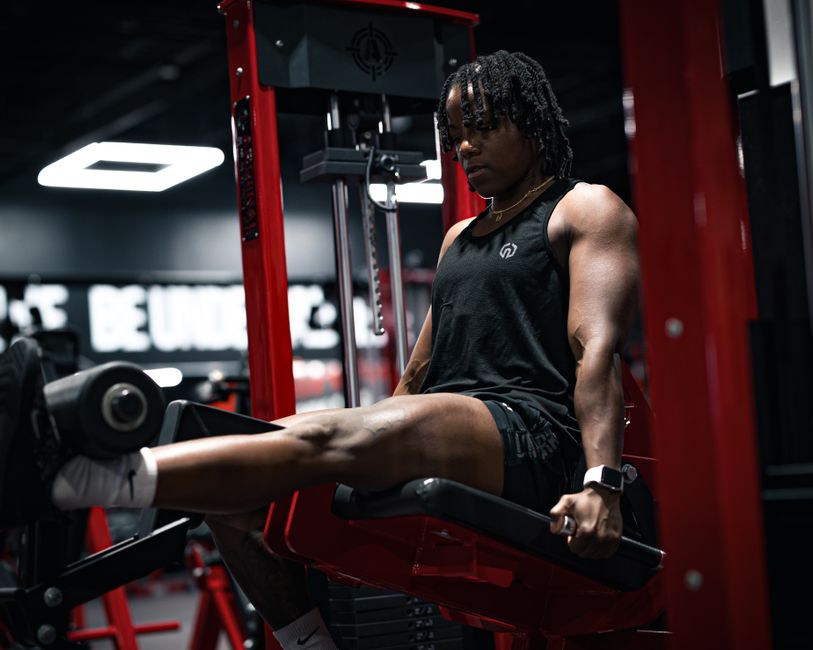
For the quadriceps, exercises like leg extensions are highly effective. This machine-based movement allows for a significant peak contraction in the quads, promoting hypertrophy and improving definition. It’s crucial to control the eccentric phase of the leg extension, resisting gravity as you lower the weight, to maximize the time under tension. Avoid simply letting the weight drop, as this diminishes the effectiveness of the exercise. Variations in tempo, such as pausing at the top of the movement or performing slow, controlled negatives, can further enhance muscle activation.
The hamstrings, often underdeveloped compared to the quadriceps, benefit greatly from direct isolation work. Lying leg curls and seated leg curls are excellent choices. These exercises allow for a strong contraction of the hamstrings as they flex the knee. Similar to leg extensions, a controlled eccentric is vital. Moreover, focusing on squeezing the hamstrings at the peak of the contraction can enhance muscle mind connection and lead to greater gains. Incorporating different variations, such as hamstring curls with straight legs (Romanian deadlift style) or single-leg variations, can provide a more comprehensive stimulus. Some athletes also find standing hamstring curls beneficial for isolating each leg independently.
The glutes, essential for power, stability, and aesthetics, also require dedicated attention. While compound movements like squats and deadlifts engage the glutes significantly, exercises like glute bridges, hip thrusts, and cable kickbacks offer targeted stimulation. Hip thrusts, in particular, have gained immense popularity for their ability to target the gluteus maximus effectively, allowing for heavy loading and a powerful gluteal squeeze at the top. Glute bridges, while similar, can be a good starting point or a lighter accessory movement. Cable kickbacks provide a more isolated contraction and allow for a sustained tension throughout the movement, which can be beneficial for mind-muscle connection and building endurance within the glutes. For even greater glute activation, consider performing these exercises with a resistance band around the thighs, forcing extra engagement from the gluteus medius and minimus, which contribute to hip stability and abduction.
Calf raises are another vital isolation exercise that is often overlooked. The calves (gastrocnemius and soleus) contribute to ankle stability, power in jumping and running, and overall lower leg development. Standing calf raises primarily target the gastrocnemius, while seated calf raises emphasize the soleus due to knee flexion. Performing calf raises with a full range of motion, stretching at the bottom and contracting at the top, is essential. Consider incorporating variations such as donkey calf raises or calf raises on a leg press machine to further challenge these muscles and add volume to your training. To maximize the effectiveness of isolation exercises, focus on proper form, a controlled tempo, and achieving a strong mind-muscle connection. Aim to feel the target muscle working through the entire range of motion, rather than simply moving the weight.
Tip 3: Optimize Recovery and Nutrition for Sustained Growth and Injury Prevention
The most meticulously planned leg day is rendered ineffective without adequate recovery and precise nutritional support. Muscle growth occurs not during the workout itself, but in the hours and days that follow, when the body repairs and rebuilds damaged muscle fibers. Neglecting recovery is akin to leaving potential gains on the table and significantly increases the risk of overuse injuries.
Sleep is the cornerstone of recovery. During deep sleep, the body releases growth hormone, a critical anabolic hormone that promotes muscle repair and growth. Aim for 7-9 hours of quality sleep per night. Establish a consistent sleep schedule, create a dark and quiet sleep environment, and avoid screens before bed to optimize sleep quality.
Active recovery techniques can also play a significant role in accelerating the recovery process. Light cardiovascular exercise, such as walking or cycling, on rest days can increase blood flow to the muscles, delivering vital nutrients and removing metabolic waste products. Foam rolling and static stretching, performed post-workout or on rest days, can help to alleviate muscle soreness, improve flexibility, and increase range of motion, thereby reducing the likelihood of injury. However, it’s important to differentiate between pre-workout dynamic stretching (to prepare muscles for activity) and post-workout static stretching (for flexibility and recovery).
Nutrition is the fuel that drives muscle repair and growth. Adequate protein intake is paramount. Protein provides the building blocks (amino acids) necessary for muscle protein synthesis. Aim for a daily protein intake of 1.6-2.2 grams per kilogram of body weight, spread throughout the day. This includes lean protein sources like chicken, fish, lean beef, eggs, dairy, and plant-based options like tofu, lentils, and beans.
Carbohydrates are essential for replenishing glycogen stores, the primary fuel source for high-intensity exercise like leg day. Consuming complex carbohydrates, such as whole grains, oats, sweet potatoes, and fruits, provides sustained energy release. Timing your carbohydrate intake around your workouts, with a focus on post-workout replenishment, can significantly aid in recovery and future performance.
Healthy fats are also crucial for hormone production, including testosterone, which plays a vital role in muscle growth and recovery. Incorporate sources of omega-3 fatty acids like fatty fish, flaxseeds, and walnuts, as well as monounsaturated fats found in avocados, olive oil, and nuts.
Hydration is often overlooked but is critical for all bodily functions, including muscle repair and nutrient transport. Dehydration can impair performance, increase the risk of cramping, and hinder recovery. Aim to drink plenty of water throughout the day, especially before, during, and after your leg workouts. Electrolyte supplementation may be beneficial during intense or prolonged training sessions, particularly in hot and humid conditions.
Finally, listen to your body. Overtraining can manifest as persistent fatigue, decreased performance, increased irritability, and a higher susceptibility to illness and injury. If you experience any of these signs, it’s crucial to reduce training volume and intensity, prioritize rest, and reassess your overall training and recovery strategy. By diligently implementing these recovery and nutritional strategies, you will not only maximize your leg day gains but also ensure your body is resilient and prepared for the demands of consistent training, ultimately fostering long-term progress and injury-free performance.

