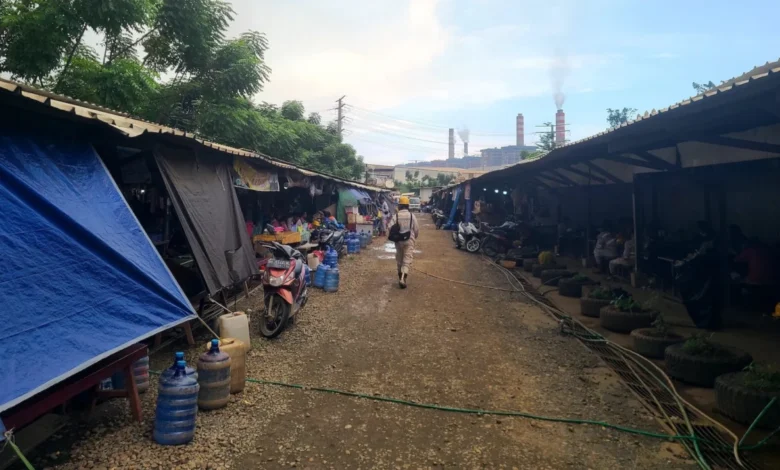
When a young man named Min fled the dusty, war-torn plains of central Myanmar for the rugged eastern border with China, he was not seeking adventure, but survival. In the wake of the 2021 military coup, Myanmar’s formal economy has essentially collapsed, leaving millions of young people with a harrowing choice: face mandatory conscription into a widely loathed military, risk death in an armed uprising, or seek dangerous work in the country’s lawless borderlands. Min chose the latter, paying a broker 2,000 Chinese yuan ($290) to secure positions for himself and his younger brother at a rare earth mining site.
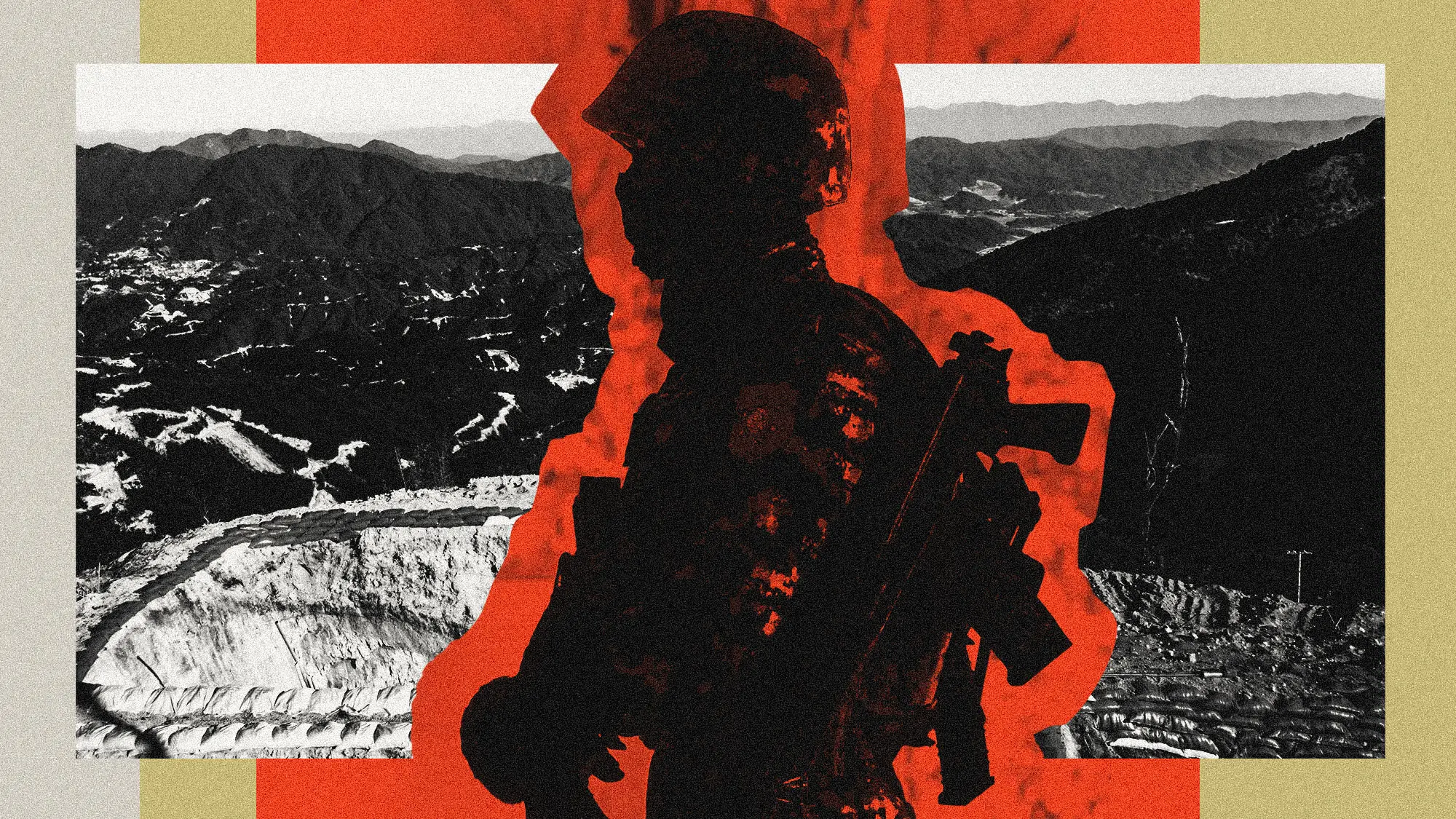
Weeks later, Min’s brother was dead, buried in a landslide on a steep, unstable slope while operating heavy machinery he was never trained to use. His body was never recovered, and his family performed religious rites over an empty grave. Despite the tragedy, Min remains at the site. In a country where the military’s "four cuts" strategy has decimated traditional livelihoods, the $430 monthly wage offered by the mining industry—though fraught with toxic exposure and physical peril—is an opportunity he cannot afford to abandon.
Min’s story is a microcosm of a massive, surreptitious industry that has turned Myanmar into the world’s primary source of heavy rare earths. These 17 elements are the invisible backbone of the 21st-century economy, essential for the permanent magnets found in electric vehicle (EV) motors, offshore wind turbines, and advanced weapons systems like precision-guided missiles and F-35 fighter jets. Yet, as the West and China scramble to secure these "critical minerals" for a green energy transition, the extraction process is leaving a trail of environmental ruin and human rights abuses across Myanmar’s highland frontiers.
The Geopolitics of a Global Sacrifice Zone
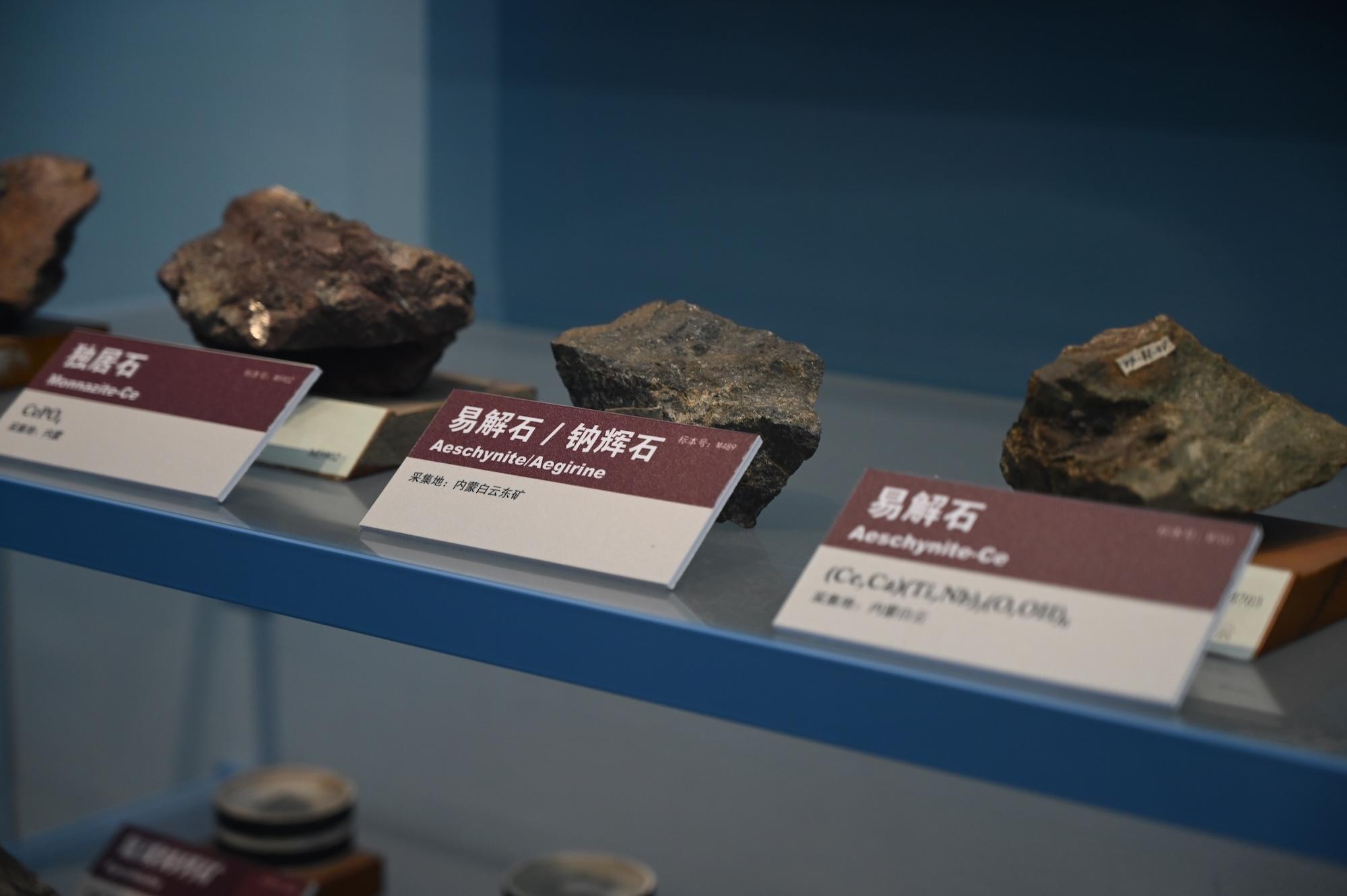
Rare earth elements are not particularly rare in the Earth’s crust, but they are seldom found in concentrations high enough for economical extraction. More importantly, separating them from the surrounding ore is a chemically intensive and highly polluting process. For decades, China dominated the global supply chain, performing both the mining and the high-tech processing. However, as domestic environmental regulations tightened in China’s southeastern provinces, the industry migrated across the border into Myanmar’s Kachin and Shan States.
Myanmar now provides approximately 70% of China’s total rare earth imports. According to Chinese customs data, between 2017 and 2024, China imported more than 320,000 tons of rare earths from Myanmar. Since the 2021 coup, the trade has exploded in value, with imports totaling $3.6 billion in just three years. This surge has positioned Myanmar as the world’s largest producer of heavy rare earths, specifically dysprosium and terbium, which are vital for heat-resistant magnets.
The global demand is projected to skyrocket. The U.S. Department of Energy estimates that if the world meets its net-zero targets, demand for these magnets will triple by 2030. This demand creates a perverse incentive: as superpowers like the U.S. and China view rare earths through the lens of national security, they indirectly fund the very conflict actors currently tearing Myanmar apart.
A History of Ceasefire Capitalism
The roots of this extractive boom lie in Myanmar’s decades-long civil war, the longest ongoing conflict in the world. Since independence from Britain in 1948, ethnic minority groups have fought for autonomy from the Burman-majority central government. In the late 1980s and 1990s, the military began signing ceasefires with various ethnic armed organizations (EAOs), granting them degrees of autonomy in exchange for peace.
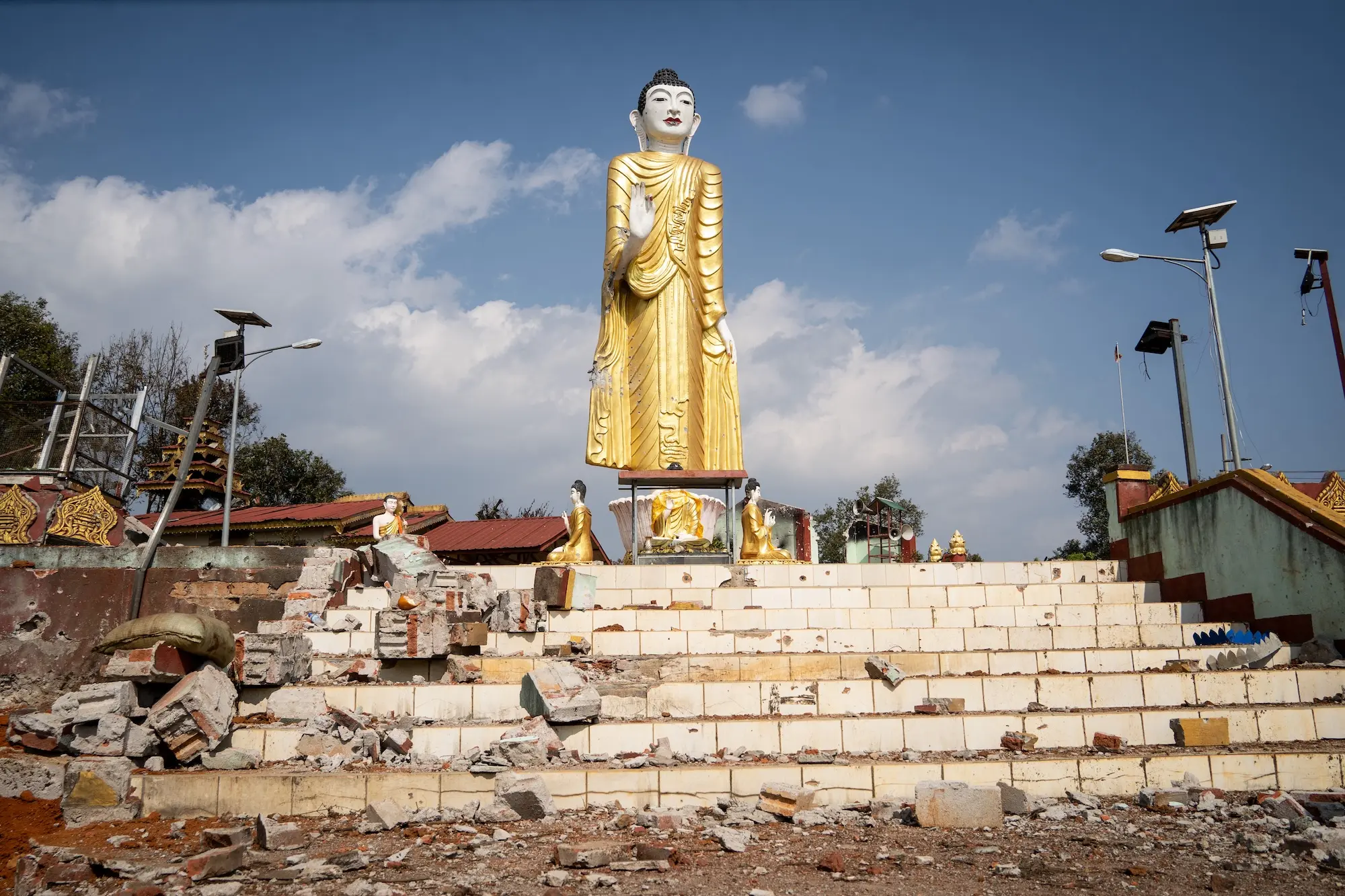
Political ecologists refer to this arrangement as "ceasefire capitalism." Warlords and ethnic leaders were given a green light to exploit natural resources—timber, jade, gold, and now rare earths—to build private fortunes and fund their militias. One of the most prominent figures in this system was Zahkung Ting Ying, a former rebel who founded the New Democratic Army-Kachin (NDA-K). His territory, centered around the border town of Pangwa, became the global epicenter of rare earth mining.
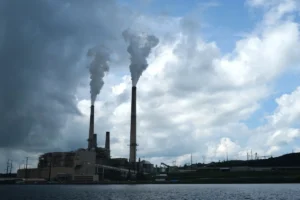
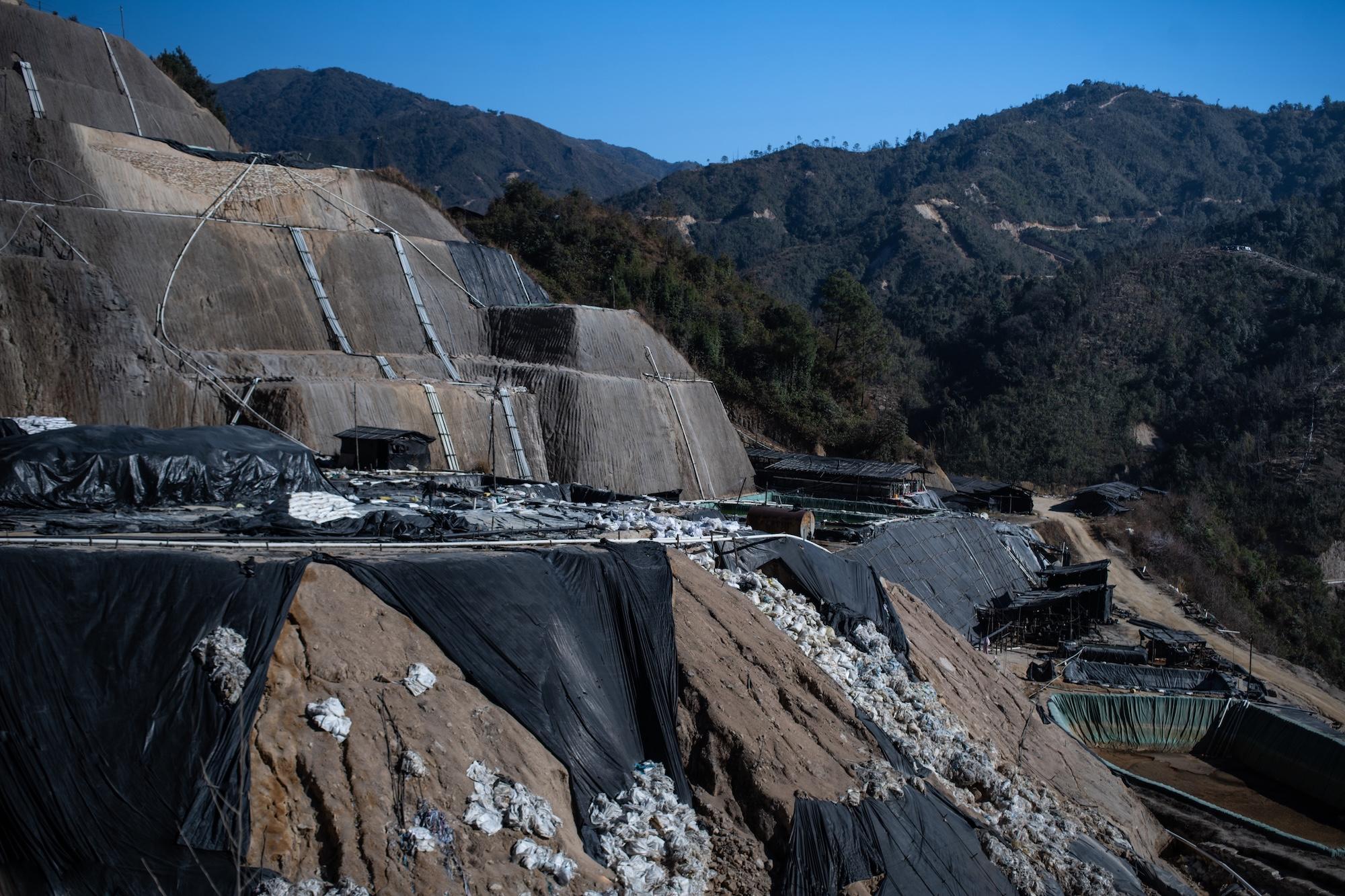
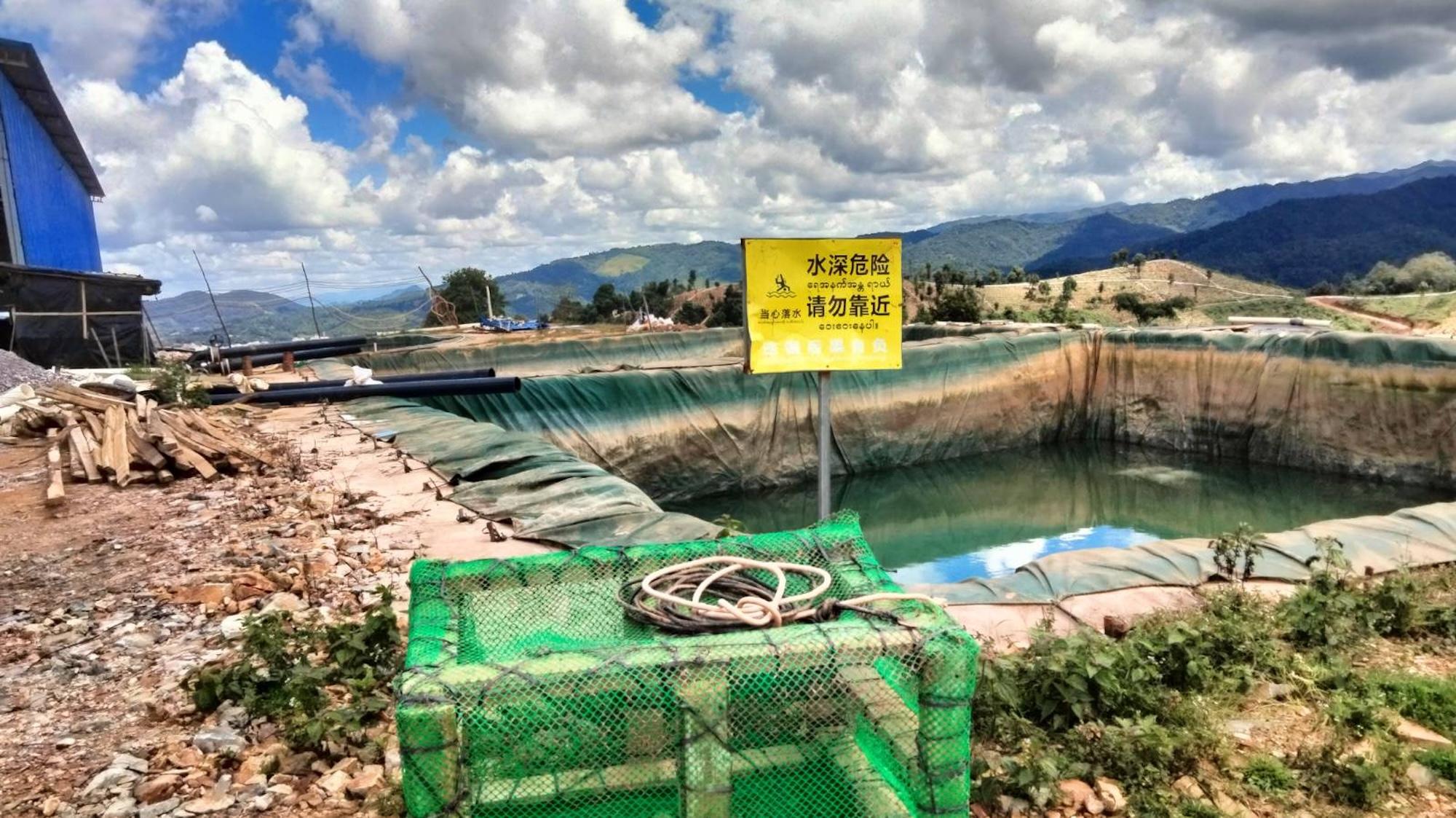
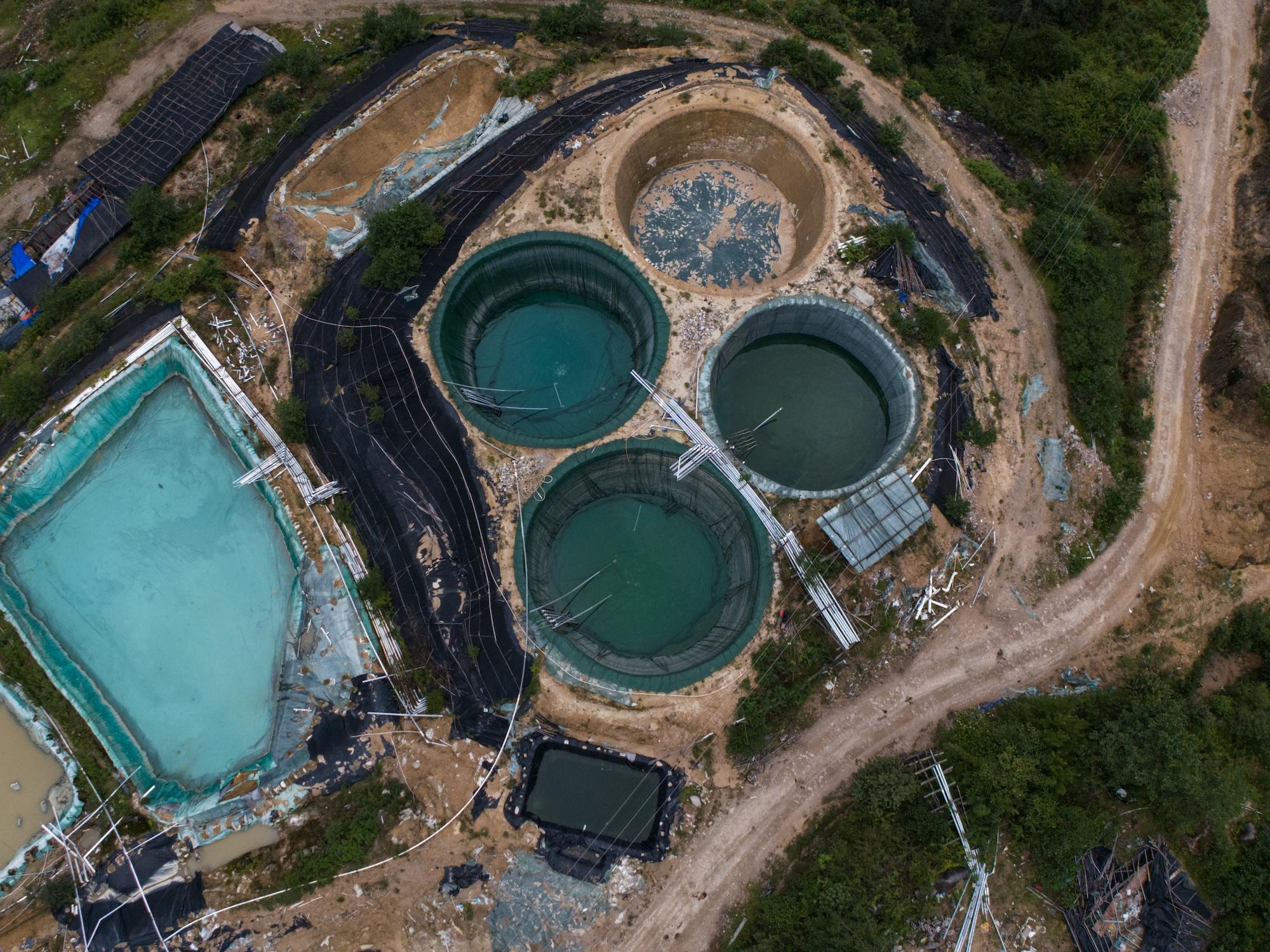
Under Ting Ying’s protection, Chinese companies moved in with "in-situ leaching" technology. Unlike traditional open-pit mining, this method involves drilling thousands of holes into mountainsides and injecting a mixture of ammonium sulfate and other acids directly into the earth. The chemicals dissolve the rare earths, which are then collected in plastic-lined pools at the base of the mountain. While efficient, the process is an environmental nightmare, often resulting in acidified soil, poisoned groundwater, and frequent, deadly landslides.
The Environmental and Public Health Toll
The consequences of this unregulated mining are visible from space. Satellite imagery shows hundreds of white chemical pools and scarred hillsides across Kachin State. On the ground, the impact is even more devastating. In the villages surrounding the mines, the traditional way of life—based on hill cultivation and livestock—is disappearing.
Nyi Tun, a local villager, describes a landscape transformed into a desert. "The soil used to be rich and reddish; now it is pale and yellowish," he said. "The water is lifeless. We can only farm enough for our own consumption; the yield isn’t good enough to sell."

Scientific research confirms these anecdotal reports. Water samples taken from extraction areas in Kachin State by researchers at Thailand’s Naresuan University revealed levels of radioactive elements and toxic heavy metals that "substantially exceed" regulatory thresholds. Chronic exposure to these substances is linked to severe health issues, including damage to the liver, bones, and immune systems. Among workers, there are whispered reports of infertility and respiratory ailments caused by the fumes from rare earth burning furnaces.
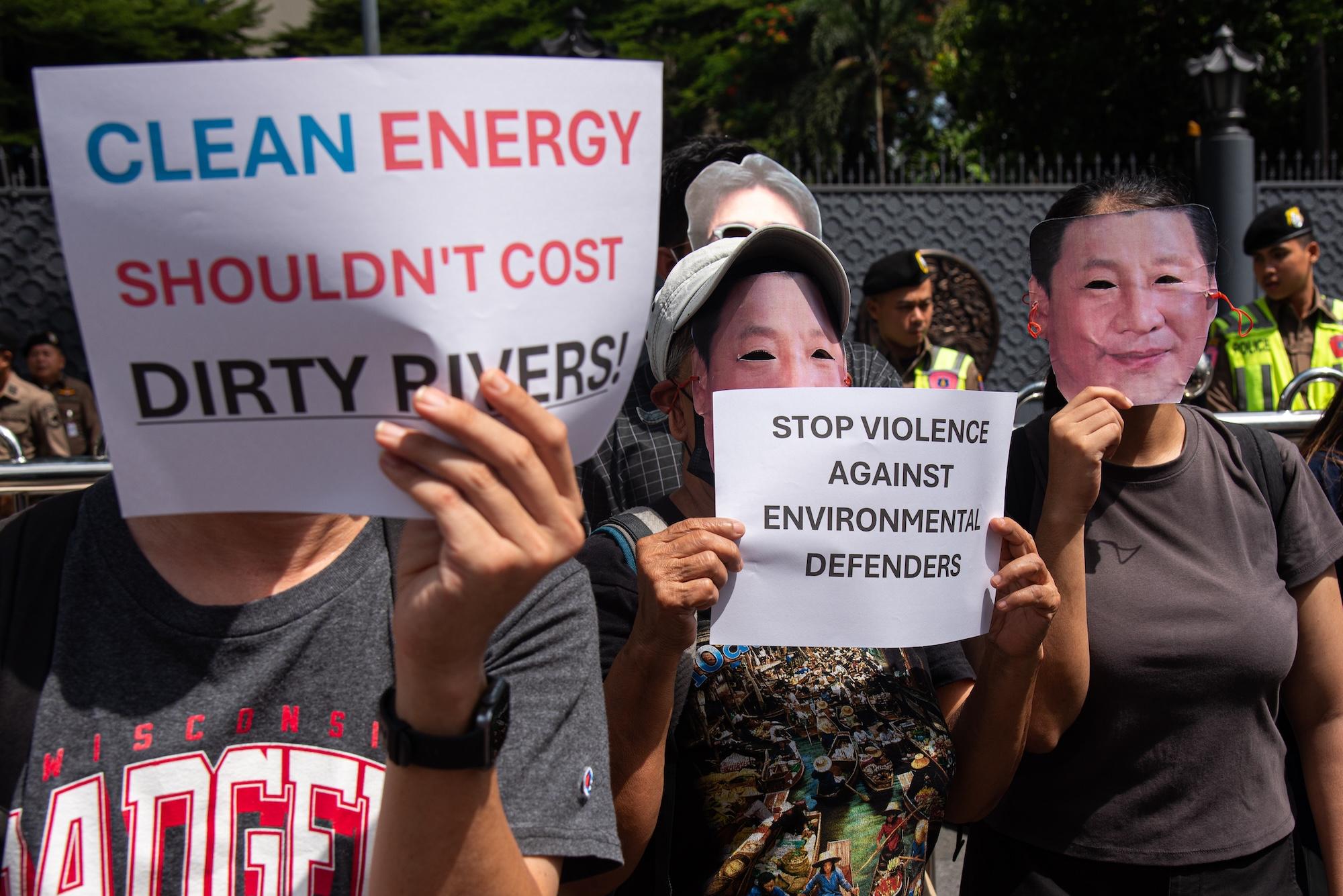
The pollution does not respect borders. In 2024, Thai activists protested outside the Chinese embassy in Bangkok, demanding action after water testing showed that toxic runoff from mines in Myanmar’s Shan State was contaminating the Mekong River’s tributaries.
Labor Exploitation and Human Rights Abuses
The industry operates in a legal "grey zone," where neither the Myanmar military nor the resistance forces provide oversight. This lack of accountability has fostered a culture of extreme labor exploitation. Workers interviewed for this report described a rigid hierarchy where Chinese nationals hold all senior management positions, while Myanmar laborers are subjected to dangerous conditions without formal contracts.
Discrimination is systemic. According to Kaung, a former supervisor, the compensation for the death of a Myanmar worker is typically around 100,000 yuan ($14,000), whereas the family of a Chinese national killed on-site can receive up to 2 million yuan ($280,000). Women in the camps face additional risks, including sexual harassment and dismissal if they refuse the advances of supervisors.
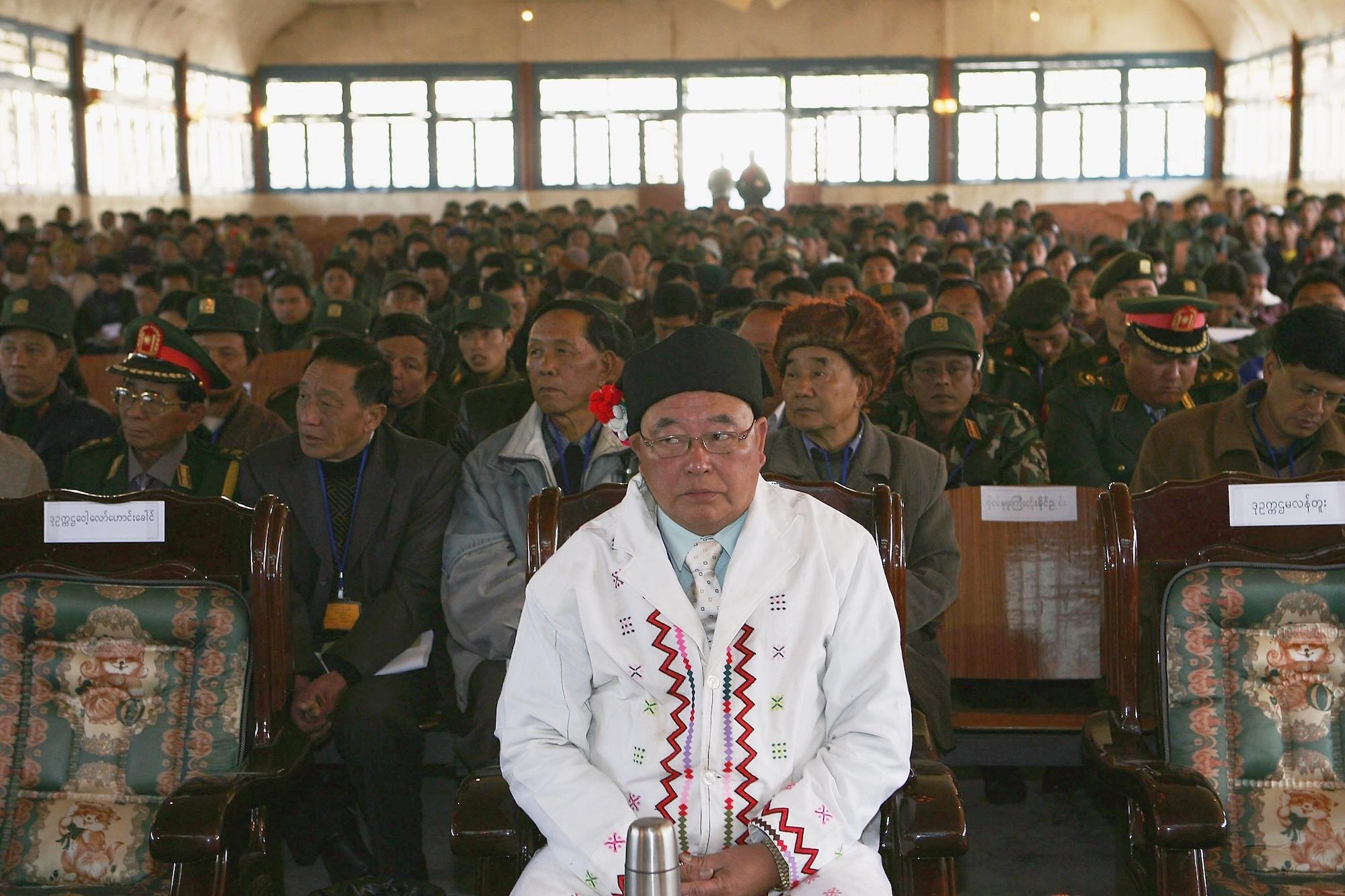
Perhaps most disturbing are reports from human rights groups, such as the Shan Human Rights Foundation, which documented the use of "slave labor" in eastern Shan State. Their findings suggest that Chinese mining firms, in complicity with both the Myanmar military and the United Wa State Army (UWSA), have used prisoners and victims of human trafficking to work the mines.
The Supply Chain "Laundry"
For global consumers, the origin of these minerals is almost impossible to trace. Once the rare earth oxides are trucked across the border into China, they enter a highly centralized processing system. At this stage, material from Myanmar is blended with ore from domestic Chinese mines and other international sources.
"It’s like a coffee grinder," says Ryan Castilloux, managing director of Adamas Intelligence. Once the materials are processed into magnets, the individual molecules are indistinguishable. Consequently, any company sourcing magnets from China—whether for a Tesla Model 3 or a GE wind turbine—is almost certainly utilizing minerals tied to the environmental and human rights crisis in Myanmar.
While Western companies often tout their commitment to "responsible sourcing," experts argue that these claims rarely reflect the reality of the rare earth supply chain. There is currently no global mechanism to ensure that minerals destined for the "green transition" are not funding war crimes or environmental destruction.
A Precarious Future
The political landscape of Myanmar’s mining regions is currently in flux. In late 2024, the Kachin Independence Army (KIA), which supports the pro-democracy resistance, defeated Zahkung Ting Ying’s forces and took control of the Pangwa mining hub. While this was a military victory for the resistance, it has placed the KIA in a difficult position. The group needs mining revenue to fund its war against the military junta, but it also faces intense pressure from local civil society to stop the environmental destruction.
China, meanwhile, has used its leverage to pressure the KIA to keep the minerals flowing, even as it shuts down its own border crossings to influence the conflict’s outcome. The Trump administration in the U.S. has also shown interest in Myanmar’s rare earths as a way to decouple from China, hiring lobbyists to explore ties with the military junta despite international sanctions.
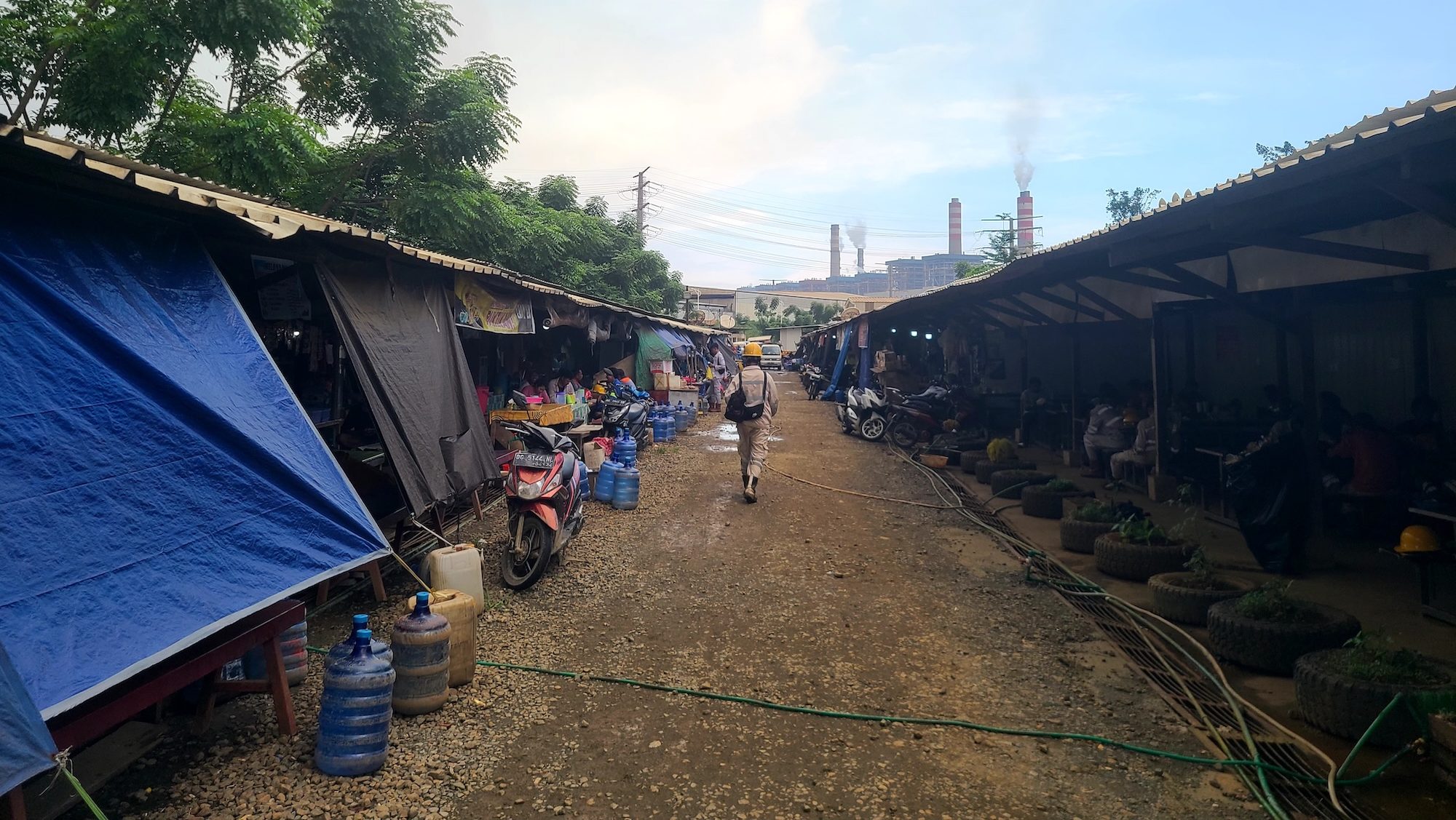
As the global race for critical minerals intensifies, Myanmar remains a "sacrifice zone" for the rest of the world’s technological ambitions. For workers like Min, the geopolitical maneuvering of superpowers is a distant concern compared to the daily reality of the mines. "There is no freedom to speak," he says. "Workers simply work, rest, and receive their salaries. There are no other options."
The tragedy of Myanmar’s rare earth boom is that the very materials intended to save the planet from climate change are being extracted through a process that destroys the local environment and sustains one of the world’s most brutal conflicts. Without radical changes in supply chain transparency and international regulation, the "just energy transition" will remain a bitter irony for the people of Myanmar.