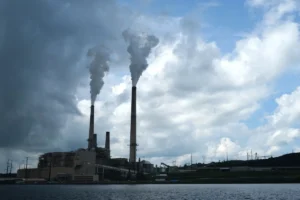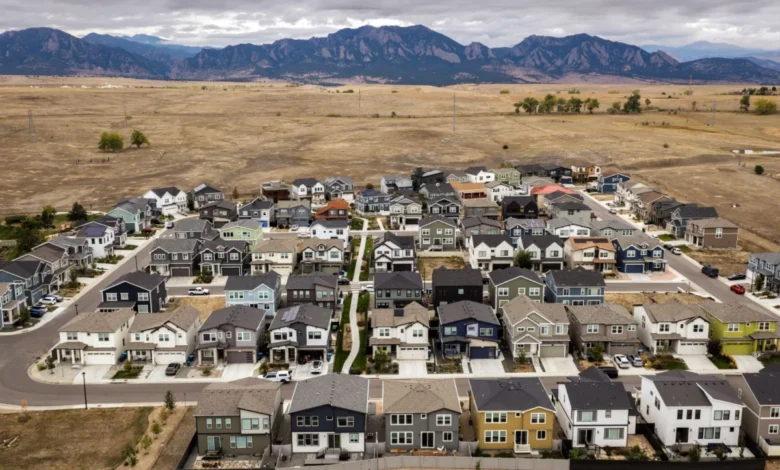
The Supreme Court officially commenced its 2026-2027 term this Monday by wading into one of the most consequential legal battles in modern American history: a climate-focused lawsuit brought by Boulder, Colorado, against energy giants ExxonMobil and the Canadian-based Suncor. The case represents a significant flashpoint in a burgeoning nationwide trend where local and state governments are attempting to hold fossil fuel companies financially accountable for the mounting costs associated with global warming, ranging from wildfire remediation to infrastructure fortification against extreme weather events.
As the justices convened, the atmosphere in the courtroom was characterized by a palpable struggle to distill the complex intersections of tort law, global environmental policy, and federal jurisdictional authority into a manageable legal framework. With Justice Samuel Alito recused from the proceedings—amidst ongoing scrutiny regarding his personal financial holdings in the energy sector—the remaining eight justices engaged in a rigorous two-hour debate that underscored the judiciary’s profound hesitation to position state courts as the arbiters of global climate policy.
A Chronology of Legal Escalation
The genesis of this litigation lies in the shifting landscape of climate jurisprudence that has evolved over the last decade. For years, plaintiffs, including cities, counties, and states, have filed dozens of lawsuits across the United States. These cases generally follow a similar strategic arc: they argue that fossil fuel companies knowingly misled the public regarding the catastrophic impacts of greenhouse gas emissions, thereby creating a public nuisance that necessitates compensation.
The timeline of this specific legal journey began in Colorado state courts, where Boulder and other local entities sought damages. However, the oil and gas industry successfully pushed to elevate the conflict, arguing that climate change is inherently a federal issue that transcends state boundaries. By moving the case into the federal arena, the defendants sought to invoke federal statutes that might preempt state-level claims. The Supreme Court’s intervention now serves as a potential final word on whether these cases can proceed in the venues where they were originally filed or whether they are effectively blocked by the federal framework.
The Core Legal Conflict: Regulation vs. Compensation
A central point of contention during Monday’s oral arguments was the framing of the lawsuit itself. Attorneys for the oil companies, led by Kannon Shanmugam, painted a portrait of judicial overreach. They argued that if a state court is allowed to adjudicate the damages caused by global climate change, that court is, in effect, acting as a global regulator of emissions.
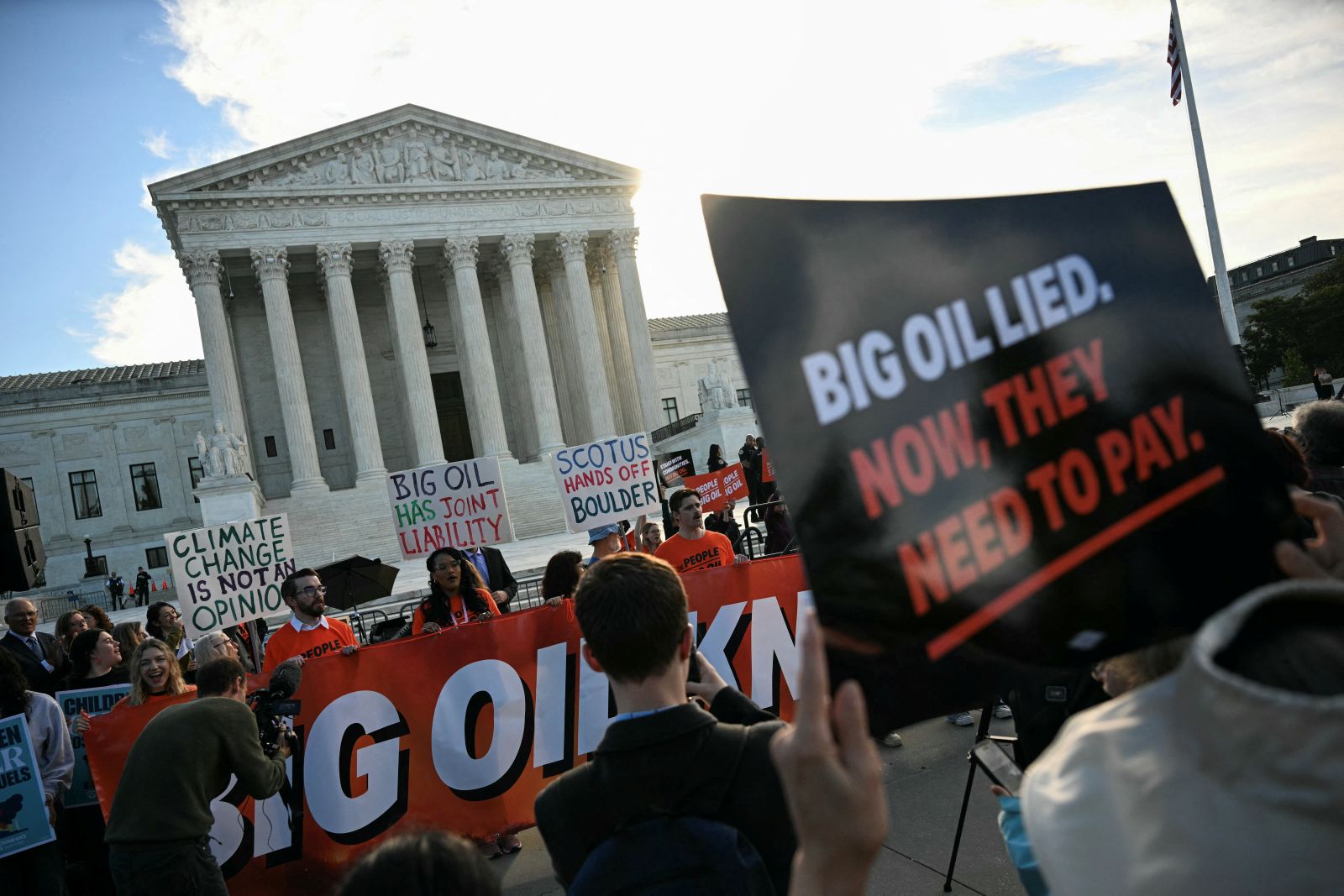
"This case involves an unprecedented effort to use state law to regulate global conduct," Shanmugam asserted, suggesting that the logic of the suit could lead to a chaotic legal environment where any consumer filling their gas tank in Colorado could theoretically be subject to litigation for contributing to global warming.
Conversely, legal representatives for Boulder, led by Kevin Russell, pushed back against this interpretation. They framed the lawsuit not as an attempt to regulate the energy industry out of existence, but as a classic tort claim. Drawing a parallel to the landmark tobacco litigation of the 1990s—where states successfully sued cigarette manufacturers to recover healthcare costs linked to smoking—Russell argued that the city is simply seeking to have companies "internalize the costs" of their past deception and the resulting damages.
"This is not an effort to reduce emissions," Russell stated. "Under our deception theory, they can continue to produce as much fossil fuel as they like… when consumers are properly informed about the consequences of that decision."
Economic and Statistical Context
The economic stakes are staggering. According to recent environmental research, the costs of climate-related disasters in the United States have ballooned, with extreme weather events exceeding $150 billion in annual damages in recent years. Municipalities, particularly in the American West, are struggling to manage the costs of fire-suppression, water scarcity, and the reconstruction of neighborhoods destroyed by infernos like the Marshall Fire, which heavily impacted the region near Boulder.
Industry representatives, including those from Suncor, have repeatedly cautioned shareholders that the accumulation of these lawsuits represents a systemic risk to their business models. Justice Brett Kavanaugh, during questioning, expressed skepticism regarding the plaintiff’s characterization of the suit’s impact, suggesting that the potential for billions of dollars in liability could effectively "bankrupt" smaller energy firms, thereby altering the global energy market in ways that were never intended by state-level legislatures.
The Judicial Dilemma: A Search for Simplicity
Throughout the session, the justices—from the liberal wing to the conservative bench—expressed a shared desire for a simpler path forward, though they struggled to find common ground on what that path should be. They repeatedly questioned the attorneys on why the legal theories presented were so convoluted, highlighting the difficulty of applying 20th-century nuisance law to 21st-century planetary phenomena.
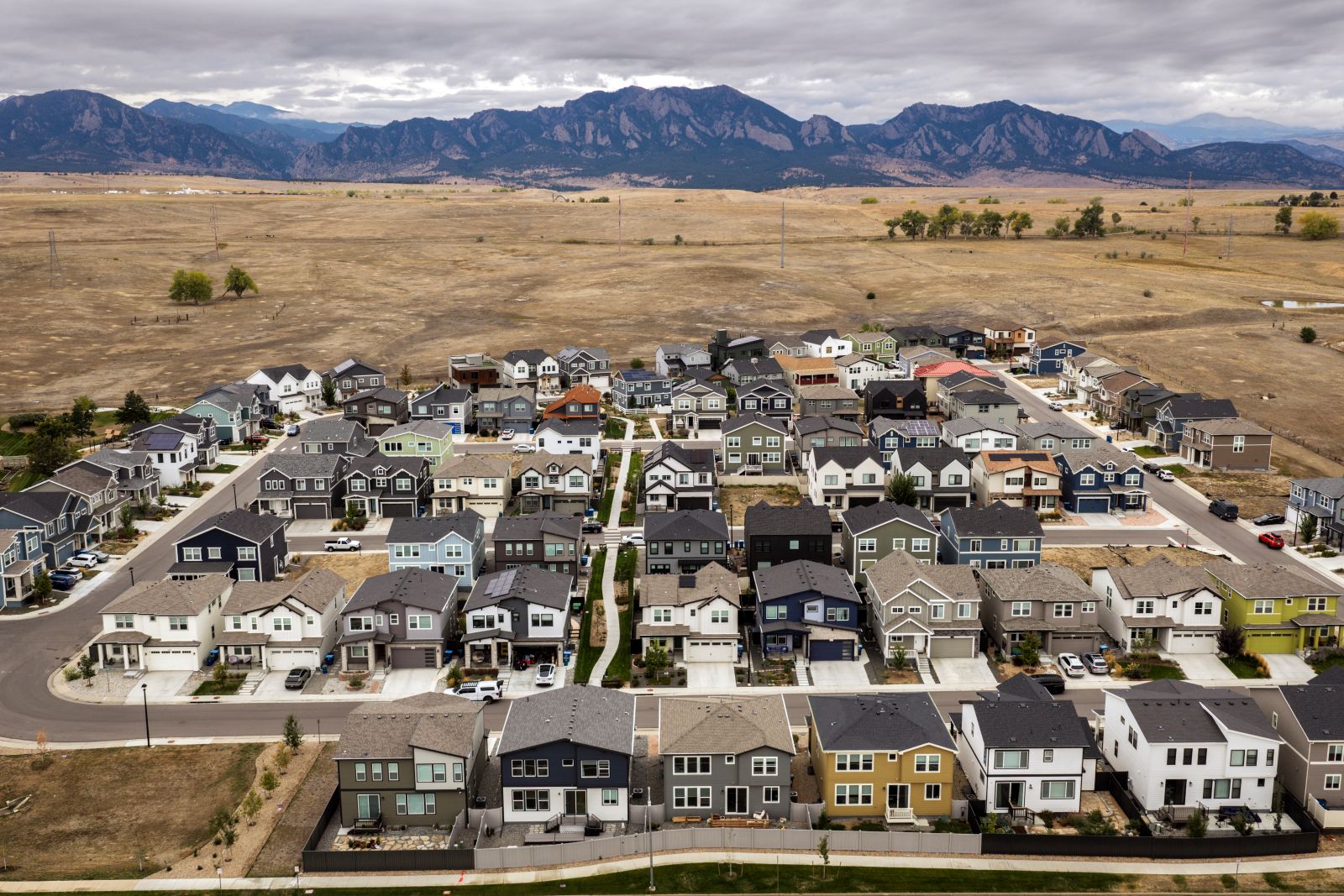
The implications for other ongoing climate cases are profound. The Supreme Court could choose to issue a narrow ruling that addresses only the jurisdictional questions of this specific case, or it could issue a broader mandate that effectively sets a precedent for how climate liability is treated nationwide. Erika Kranz, an attorney with Harvard Law School’s environmental and energy law program, noted that the final decision will likely depend heavily on the specific language chosen by the justices. "Whether these other cases run into trouble will depend on how the justices write their decision," Kranz observed.
Expert Perspectives and Broader Implications
Legal experts monitoring the case suggest that the court is currently caught between two competing institutional fears: the fear of allowing local courts to destabilize a massive global industry, and the fear of creating a "regulatory vacuum" where no entity is held responsible for the documented damages caused by climate change.
Chris Winter, executive director of the Getches-Wilkinson Center at the University of Colorado Law School, pointed out that the industry’s strategy of framing the case as a regulation issue has clearly resonated with several members of the court. "There’s a lot of concern from the oil industry, from corporate actors, and from the conservative justices about the significant consequences of these cases," Winter said. "One way to get at that is to equate this case with previous cases, which were much more directly about the regulation of pollution."
If the court decides to send the case back to Colorado, it would signal a major victory for environmental advocates, allowing the litigation to move into the discovery phase where internal documents regarding the companies’ knowledge of climate change would likely be made public. If, however, the court moves to dismiss or consolidate the claims under federal law, it could effectively end the current wave of climate litigation, forcing proponents of these lawsuits to seek solutions through the more gridlocked halls of Congress or the executive branch.
Conclusion: The Road Ahead
As the Supreme Court begins its months-long deliberative process, the nation watches to see how the highest court in the land will balance the rights of local governments to seek redress for disaster-related damages against the stability of the global energy sector. The outcome of Boulder v. ExxonMobil will not merely decide the fate of a few billion dollars in potential damages; it will define the boundaries of corporate accountability in the era of climate change, setting the standard for how the law interacts with a rapidly warming world. For now, the case remains a complex knot of legal theory, with the court tasked with the formidable job of unraveling it without causing a systemic rupture in the American legal system.