After years of protracted negotiation and intense lobbying from disparate political factions, the United States Congress finds itself on the precipice of enacting a sweeping bipartisan permitting reform bill. Designed to fundamentally reshape the landscape of American infrastructure, the proposed legislation seeks to accelerate the deployment of power plants and long-distance electric transmission lines. While proponents argue that this streamlining is essential for the nation’s transition to renewable energy and the maintenance of a reliable power grid, the bill has ignited a fierce debate, pitting the urgency of climate policy against the long-standing legal and cultural protections afforded to tribal nations.
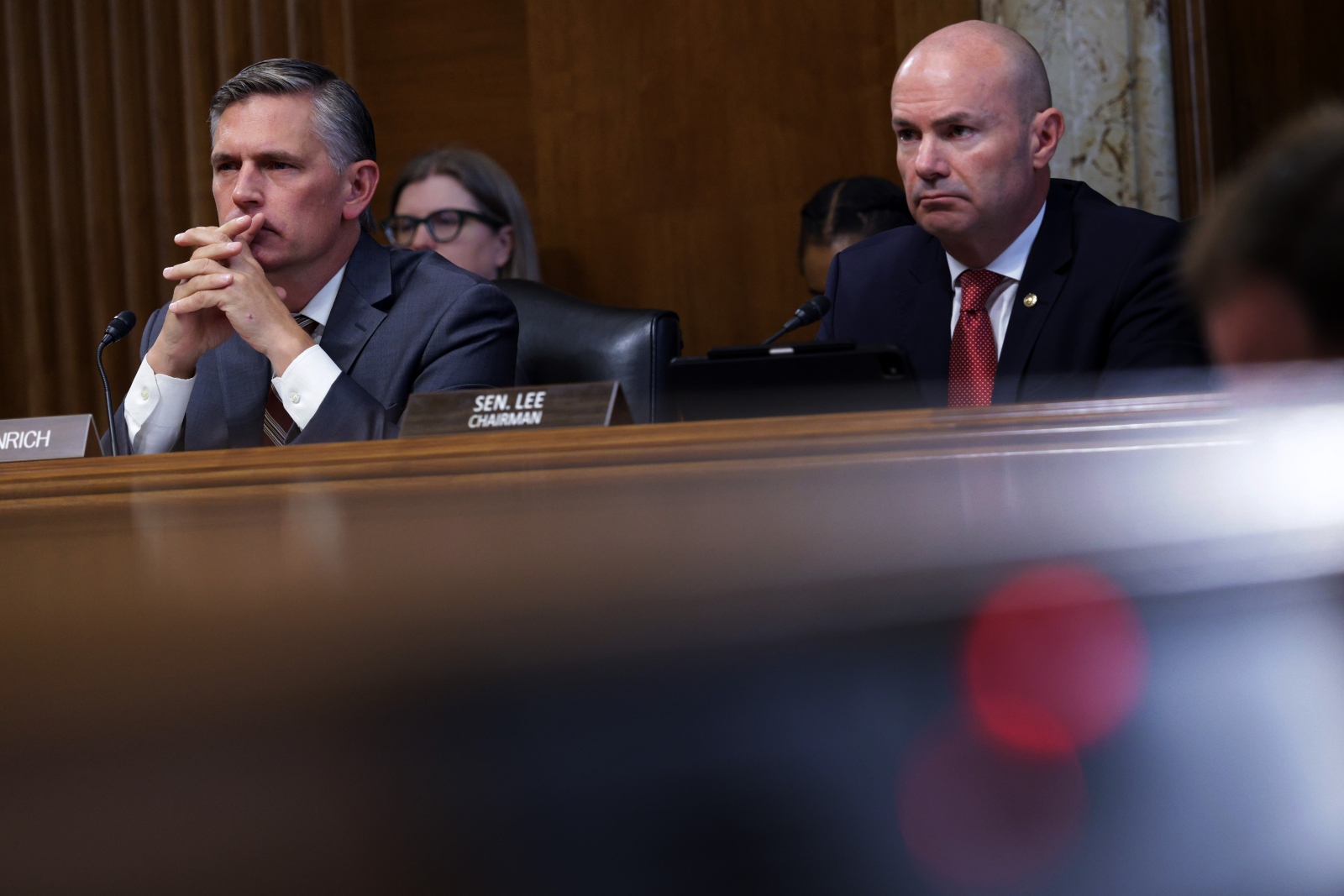
The legislative framework, often referred to by its supporters as a necessary modernization of the 1966 National Historic Preservation Act (NHPA), is the product of an unlikely coalition. Key architects of the bill include Senator Sheldon Whitehouse, a Democrat known for his aggressive stance on climate change, and Senator Mike Lee, a staunch Republican advocate for reducing federal environmental oversight. This cross-aisle cooperation reflects a growing consensus in Washington that the current pace of infrastructure development is insufficient to meet the demands of the modern economy and the rapid electrification of the industrial sector.
The Legislative Impasse and Procedural History
The journey to this legislative moment has been long and arduous. For years, developers of both clean energy projects—such as massive solar arrays and offshore wind farms—and traditional fossil fuel infrastructure have cited the "permitting trap" as a primary hurdle. Under existing federal regulations, projects on public land are subject to rigorous reviews, including the Section 106 process under the NHPA. This process mandates that federal agencies account for the impact of their undertakings on properties of historical, cultural, or religious significance to Native American tribes.
The timeline of this push for reform accelerated following the 2022 passage of the Inflation Reduction Act. While that landmark law provided unprecedented tax incentives for green energy, it became clear within months that the lack of transmission capacity was a bottleneck that could not be solved by financial incentives alone. By late 2026, the urgency to resolve these gridlock issues reached a fever pitch. In early November 2026, the Senate cleared a significant procedural hurdle to move the bill forward, signaling that leadership on both sides of the aisle is eager to secure a win before the end of the legislative session.
However, the path to final passage remains precarious. House leadership, including the presumptive Speaker Hakeem Jeffries, has voiced significant reservations regarding the bill’s impact on tribal consultation. Similarly, key senators like Catherine Cortez Masto of Nevada have signaled that while they recognize the need for reform, they cannot support the current text due to the potential erosion of protections for indigenous communities.
The Conflict Over Cultural Preservation and Modernization
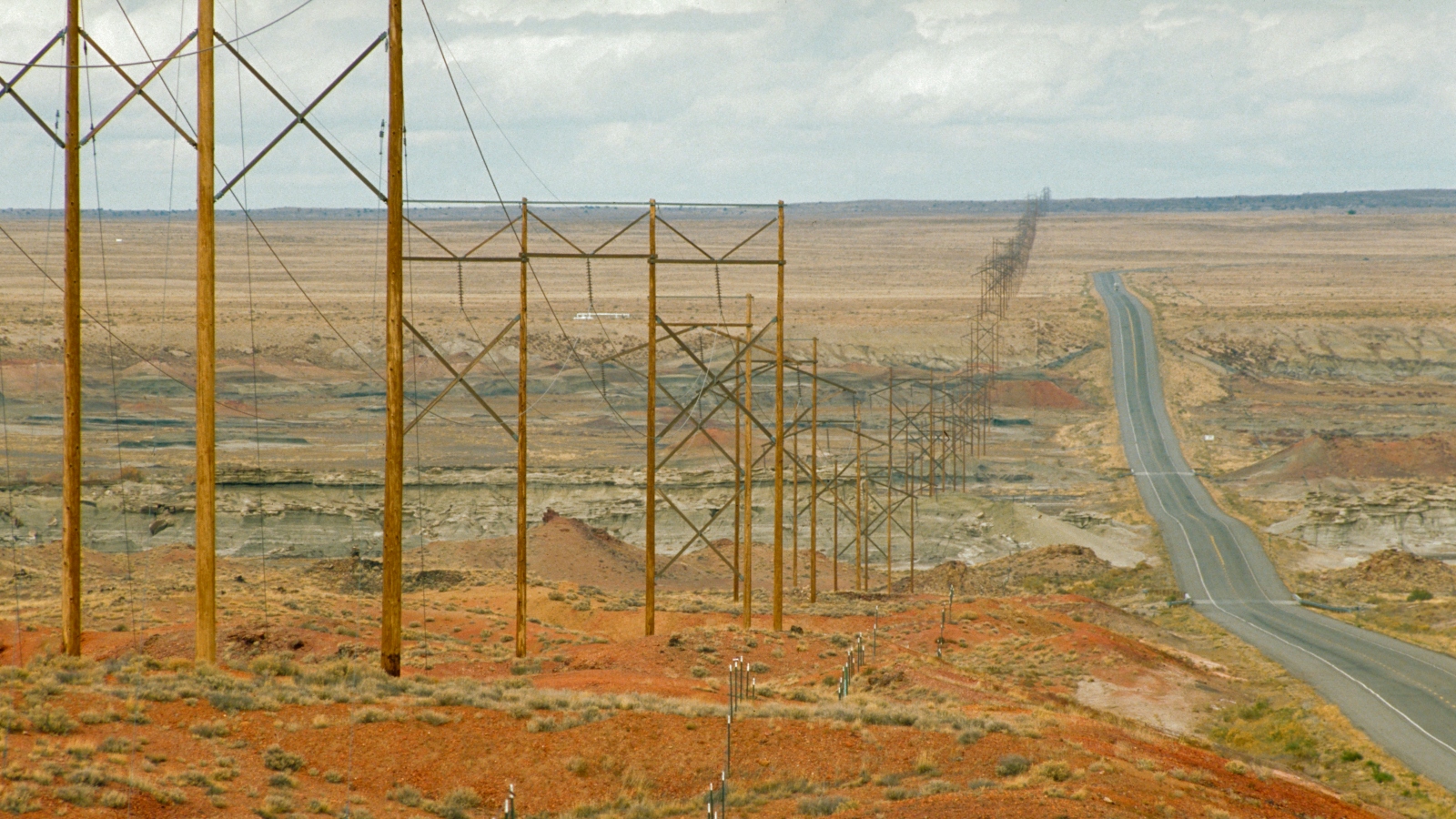
At the heart of the controversy is a fundamental disagreement over what constitutes "undue burden." The Institute for Progress and other industry advocates contend that the current interpretation of the NHPA has morphed from a procedural safeguard into an obstructionist tool. They point to the SunZia transmission project as a cautionary tale. Stretching across hundreds of miles of the American West, the $11 billion project faced a two-decade-long development cycle, partly due to the massive scale of the historical and environmental impact reviews.
The proponents of reform argue that when a single project is required to analyze impacts on sites hundreds of miles away simply because they might be visible on the horizon, the process has ceased to be a reasonable assessment and has instead become an arbitrary veto. The proposed legislation seeks to tighten these definitions by requiring "direct and significant" impacts to trigger specific review protocols and by limiting the ability of courts to issue injunctions that halt construction while legal challenges are litigated.
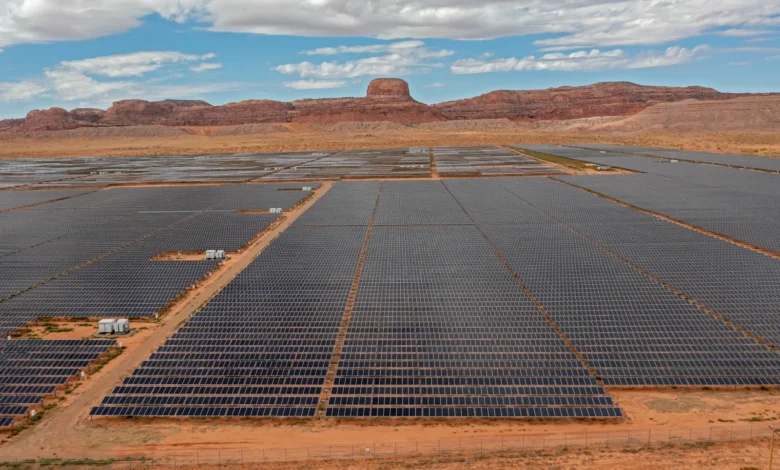
Conversely, tribal nations view these changes as a direct assault on their sovereignty. For many tribes, the land is not merely a resource for development but a living, ancestral record of their history and spiritual practice. The 2010 litigation involving the Quechan Tribe of the Fort Yuma Indian Reservation serves as the touchstone for this argument. In that instance, the tribe successfully sued to stop a 6,000-acre solar farm on federal land, arguing that the project would desecrate sacred sites that had been overlooked by a rushed federal review. Critics of the current bill argue that by narrowing the scope of what can be considered a "historic site" and by effectively rendering tribal consultation a check-box exercise rather than a meaningful negotiation, the government is returning to an era of administrative dispossession.
Economic Implications for Energy-Producing Tribes
While opposition among tribal organizations is widespread, it is not monolithic. A subset of tribes, particularly those whose economies are heavily integrated into the fossil fuel sector or who have significant mineral resources, have expressed support for the bill. For these communities, the promise of a "predictable regulatory environment" is paramount. The Apsáalooke (Crow) Tribe of Montana, for example, has advocated for the bill, noting that the current uncertainty surrounding permitting creates an environment where investors are hesitant to commit capital to tribal lands.
The Alliance for Tribal Clean Energy also highlights that the reform could, in theory, help tribes become partners in the renewable energy transition. By speeding up the transmission and environmental review processes, tribes could theoretically attract more private capital for utility-scale solar and wind projects on their own reservations. The economic argument here is that without a streamlined process, the high cost of compliance acts as a barrier that keeps smaller, tribal-owned developers from competing with larger, better-funded utility corporations.
Analysis: A High-Stakes Balancing Act
The implications of this bill extend far beyond the energy sector. If passed, it would represent the most significant weakening of the National Historic Preservation Act since its inception. Fact-based analysis suggests that the bill would indeed accelerate the construction of major infrastructure, as the current system of long-term litigation and administrative appeals often leads to "death by a thousand cuts" for energy developers.
However, the cost of this efficiency is the potential loss of trust between the federal government and tribal nations. The administration’s recent efforts to weaken environmental review through executive action, combined with this legislative push, have created a climate of apprehension. Legal scholars note that even if the bill passes, the resulting litigation regarding the scope of federal authority and treaty obligations is likely to continue for years.
Furthermore, the "visual impact" clauses of the bill remain highly contentious. Because the definition of what constitutes a "significant" visual impact is inherently subjective, the courts will eventually be forced to decide where the balance lies between a developer’s right to build and a tribe’s right to maintain the integrity of their ancestral landscapes.
The Road Ahead
As the legislative session draws to a close, the fate of the bill rests on the ability of its sponsors to offer enough concessions to appease skeptical lawmakers without alienating the industrial groups that are providing the political momentum for the bill. Some amendments have already been introduced, including mandates for more consistent tribal consultation, but for leaders like Ira Matt of the National Association of Tribal Historic Preservation Officers, these concessions are purely cosmetic.
The political reality is that the United States is currently in a race to secure its energy future against global competitors, and the "permitting reform" bill is seen by many in Congress as the only vehicle capable of moving the needle. Yet, the cost of that speed is a question of constitutional and moral weight. The final vote, whenever it occurs, will serve as a clear indicator of how the modern Congress prioritizes the tension between the immediate demands of industrial decarbonization and the enduring rights of the nation’s original inhabitants. Whether this legislation is viewed in the future as a necessary modernization or a historic error remains a question that only time and the courts will ultimately answer. For now, the bill sits as a stark reminder that in the transition to a new energy era, the geography of the past continues to shape the possibilities of the future.