DIY Media Cabinet: A Comprehensive Guide to Building Your Own Entertainment Hub
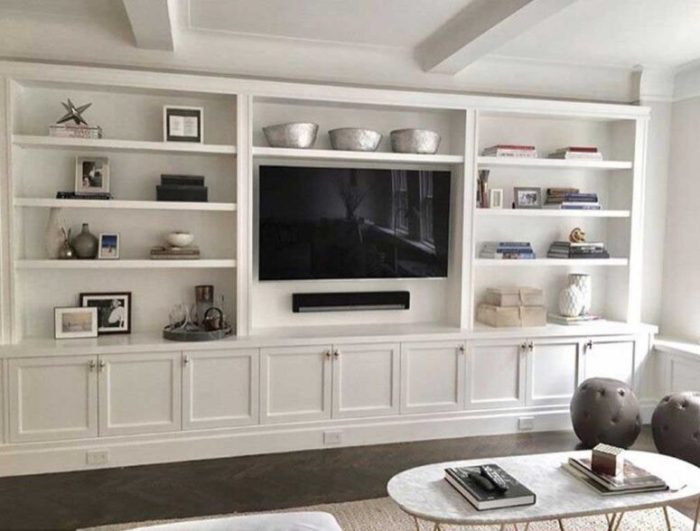
Building a custom media cabinet offers unparalleled opportunities for organization, style, and functionality, tailored precisely to your entertainment setup. Beyond mere storage, a well-designed media cabinet integrates seamlessly with your home décor, conceals unsightly wires, and enhances your viewing and listening experience. This guide provides a detailed, step-by-step approach to constructing your own media cabinet, encompassing design considerations, material selection, construction techniques, and finishing touches. By the end, you will have the knowledge and confidence to embark on this rewarding DIY project, saving money while creating a unique piece that perfectly suits your needs.
The initial phase of any DIY media cabinet project is meticulous planning and design. Before cutting any wood, visualize the final product. Consider the dimensions of your television, any accompanying components like gaming consoles, streaming devices, soundbars, or AV receivers, and the required storage for media like Blu-rays, DVDs, or video games. Measure these items accurately and factor in ventilation space to prevent overheating of electronic components. Think about cable management; will you incorporate grommets, channels, or a dedicated compartment for power strips and excess wiring? Aesthetics are crucial. Will the cabinet be modern and minimalist, or rustic and traditional? Will it be wall-mounted or a freestanding unit? Sketching detailed plans, including precise measurements for each component (shelves, dividers, door panels, back panel, base, etc.), is paramount. This blueprint will serve as your roadmap throughout the construction process, minimizing errors and waste. Consider the overall height, width, and depth, ensuring it complements the scale of your room and existing furniture. For instance, a wall-mounted unit can save floor space in smaller rooms, while a wider, lower cabinet might be more appropriate for larger living areas. When designing shelves, think about adjustable versus fixed. Adjustable shelves offer flexibility for future upgrades or changes in your equipment. If you plan to house a soundbar, ensure adequate depth and width, and consider if it will sit on a shelf or be mounted below the TV. For gaming consoles, ensure sufficient airflow is a top priority.
Material selection significantly impacts the durability, appearance, and cost of your DIY media cabinet. Plywood is a popular choice for its strength, stability, and affordability. Furniture-grade plywood, such as birch or oak, offers a smoother finish and is more aesthetically pleasing than standard construction-grade plywood. For a more premium look and feel, solid wood like pine, oak, maple, or cherry can be used, though it is generally more expensive and prone to warping if not properly sealed. MDF (Medium-Density Fiberboard) is another option, offering a smooth surface ideal for painting, but it is heavier and less resistant to moisture than plywood. For the cabinet’s back panel, thin plywood or hardboard is often sufficient. Hardware such as drawer slides, hinges, and door handles should be chosen based on their functionality and aesthetic appeal. Consider the weight of the components that will be stored; heavy-duty drawer slides are essential for drawers intended for substantial items. For doors, choose hinges that allow for a full range of motion and a smooth, quiet operation. Drawer pulls and door handles can be a subtle yet effective way to tie the cabinet into your existing décor. When purchasing materials, it’s wise to buy slightly more than you think you’ll need to account for potential mistakes or unforeseen issues.
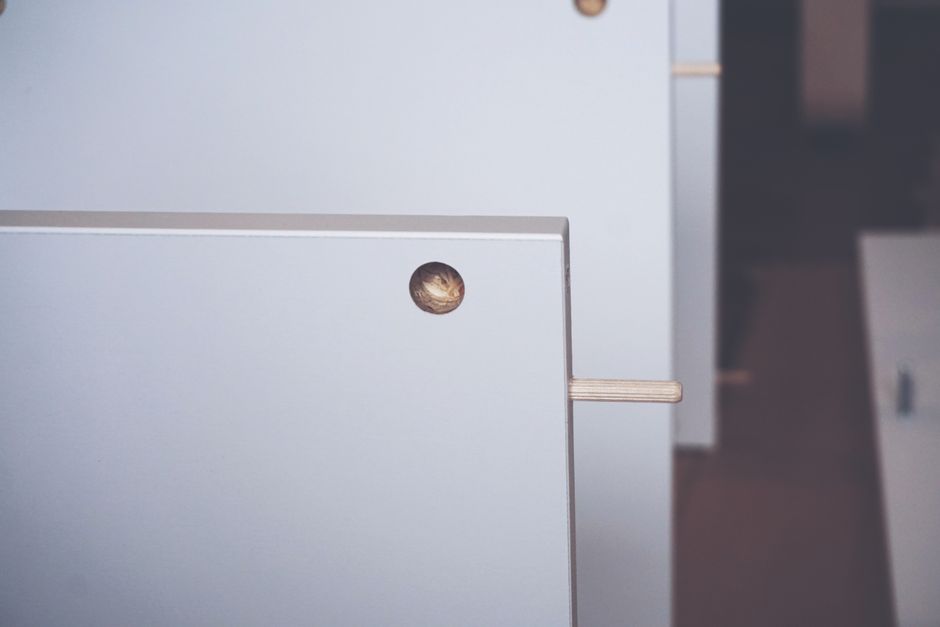
The construction process begins with precise cutting of all components according to your detailed plans. Accuracy here is critical for ensuring a well-fitting and professional-looking finished product. Use a circular saw with a straight edge guide or a table saw for clean, straight cuts. For plywood, a fine-tooth blade will minimize tear-out. After cutting, sand all edges and surfaces to remove splinters and prepare them for assembly and finishing. Start with a coarser grit sandpaper (e.g., 80-120 grit) and progress to finer grits (e.g., 180-220 grit) for a smooth finish. For the main cabinet structure, begin by assembling the side panels to the base. Use wood glue and screws for a strong bond. Pre-drilling pilot holes will prevent the wood from splitting, especially near edges. Ensure all corners are square using a carpenter’s square before fastening. Next, attach the top panel and any internal vertical dividers. If your design includes fixed shelves, install them now. For adjustable shelves, you will need to drill shelf pin holes at consistent intervals on the interior side panels. A shelf drilling jig can ensure accuracy. The back panel can be attached using small finishing nails or screws. Ensure the back panel is square to the rest of the cabinet before fastening; this significantly contributes to the overall rigidity of the unit.
For drawer construction, cut out the drawer box components: front, back, sides, and bottom. Assemble the sides and back using glue and screws, ensuring the corners are square. The drawer front will typically be attached later, after the drawer box is fitted into the cabinet. For the drawer bottom, cut a dado groove into the lower edge of the side and back panels to slide the bottom panel into. This provides a strong and clean joint. Attach the drawer slides to both the drawer box and the interior of the cabinet, following the manufacturer’s instructions precisely. The alignment of drawer slides is crucial for smooth operation. If your cabinet includes doors, attach the hinges to the door panels and then to the cabinet frame. Adjustable hinges are highly recommended as they allow for fine-tuning of door alignment. Install drawer pulls and door handles once the doors and drawers are fitted and operating correctly.
Finishing your DIY media cabinet is where its aesthetic appeal truly shines. Begin with thorough sanding of all surfaces, progressing through finer grits of sandpaper to achieve a smooth, touchable finish. Fill any nail holes or imperfections with wood filler, allowing it to dry completely before sanding smooth. For a painted finish, apply a coat of primer to seal the wood and provide a uniform base for your paint. Multiple thin coats of high-quality paint are preferable to one thick coat for a smoother, more durable finish. For a stained finish, apply wood conditioner if you are working with a porous wood like pine to ensure even stain absorption. Apply the stain evenly with a brush or rag, wiping away excess according to the product’s instructions. Allow each coat of stain to dry completely before applying subsequent coats to achieve your desired depth of color. After staining or painting, apply a protective topcoat. Polyurethane, polycrylic, or varnish offer excellent durability and protection against scratches and spills. Apply multiple thin coats, sanding lightly between coats with very fine grit sandpaper (e.g., 320-400 grit) for a glass-smooth finish. Always follow the manufacturer’s recommendations for application and drying times. Proper ventilation is essential during the finishing process to ensure even drying and to avoid inhaling fumes.
Cable management is a critical, often overlooked, aspect of media cabinet design. Without proper planning, your entertainment center can quickly devolve into a tangled mess of wires. Incorporate cable management solutions during the design and construction phases. This can include drilling holes for grommets, which are rubber or plastic rings that provide a clean opening for cables to pass through. Consider internal channels or raceways within the cabinet to route wires discreetly. A dedicated compartment or box at the back of the cabinet can house power strips and excess cable length, keeping them out of sight. Ventilation is also paramount. Electronic components generate heat, and insufficient airflow can lead to overheating and premature failure. Ensure there are ample openings or vents, especially at the back and sides, to allow for air circulation. If you are housing devices that generate significant heat, consider installing small, quiet computer fans.
For a truly custom look and feel, consider incorporating additional features. Integrated lighting, such as LED strips under shelves, can add a sophisticated ambiance. If you plan on housing a soundbar, consider designing a shelf or mounting solution that allows for optimal sound projection. For gaming setups, dedicated storage for controllers and games is a must. If your AV receiver is particularly large or generates a lot of heat, ensure the shelving unit it occupies has ample clearance and ventilation. Drawer inserts can organize smaller items like remote controls, batteries, and gaming accessories. For a cleaner aesthetic, consider a flush-mount door design or hidden hinges. If you’re building a freestanding unit and have children or pets, consider adding a safety strap to secure the cabinet to the wall to prevent tipping.
When embarking on your DIY media cabinet project, prioritize safety. Always wear appropriate personal protective equipment, including safety glasses, gloves, and a dust mask, especially when cutting and sanding. Use power tools responsibly and ensure you understand their operation. Work in a well-ventilated area, particularly when using adhesives, stains, or finishes. Follow manufacturer instructions for all tools and materials. If you are new to woodworking, start with a simpler design and gradually progress to more complex projects as your skills and confidence grow. Don’t be afraid to seek advice from experienced woodworkers or consult online resources and forums.
The SEO optimization of this article is achieved through the strategic use of relevant keywords, such as "DIY media cabinet," "build media console," "custom entertainment center," "woodworking projects," "home theater furniture," and "DIY furniture." The comprehensive nature of the content, covering design, materials, construction, finishing, and cable management, ensures a high level of detail and utility for search engine users. The logical flow and clear headings, implicitly built into the paragraph structure, enhance readability and user experience, which are also factors in SEO. The inclusion of specific terms related to tools and materials further strengthens keyword relevance. The aim is to provide a thorough, actionable guide that ranks well for searches related to creating a media cabinet. The article is structured to answer common user queries directly and comprehensively, making it a valuable resource.

