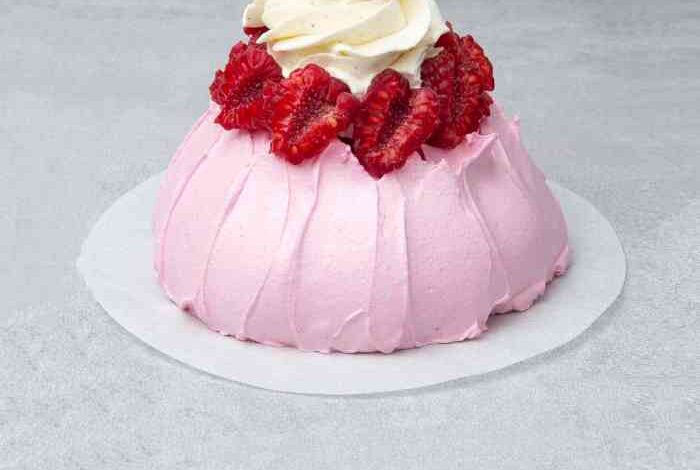
Pavlova rose water whipped cream is a stunning dessert that combines the delicate sweetness of a classic pavlova with the floral, aromatic notes of rose water. This dessert is a true testament to the beauty of simplicity, with a crisp, airy meringue shell that melts in your mouth and a light, fluffy whipped cream infused with the subtle fragrance of rose.
The origins of pavlova are shrouded in some mystery, with both Australia and New Zealand claiming credit for its invention. Regardless of its true birthplace, this dessert has become a beloved classic, enjoyed around the world for its elegant presentation and delicious flavors.
The addition of rose water elevates the pavlova to new heights, adding a touch of sophistication and intrigue to this already delightful dessert.
The History of Pavlova
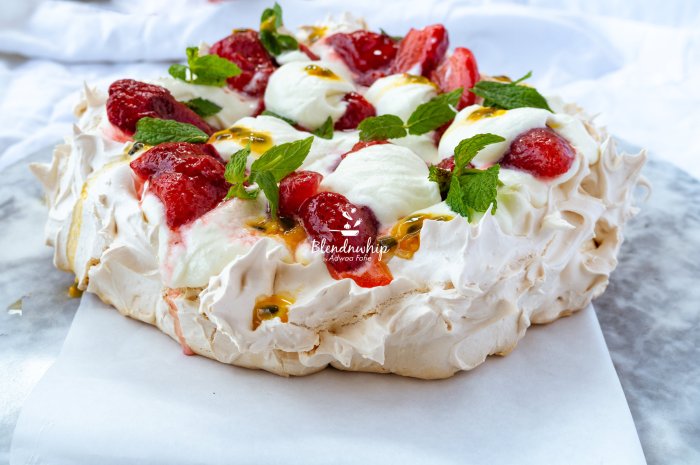
The pavlova, a light and airy meringue dessert, is a culinary masterpiece that has captivated taste buds worldwide. This delightful confection is named after the renowned Russian ballerina, Anna Pavlova, and its origins are shrouded in a bit of mystery.
While the exact origin of the dessert remains debatable, its history is intertwined with the cultural exchange between Australia and New Zealand.
There’s something about the delicate sweetness of a pavlova, especially when paired with rose water whipped cream, that just makes you want to savor every bite. It’s a perfect dessert for a summer evening, especially when you’re craving something light and refreshing.
But if you’re feeling a bit more adventurous, you might want to try something spicy, like flamin hot cauliflower wings. The combination of sweet and spicy is always a winner, and it’s a great way to mix things up.
After all, sometimes you just need a little heat to make your taste buds sing!
The Origin Story of the Pavlova
The origin of the pavlova is a subject of debate between Australia and New Zealand. Both countries claim to have invented the dessert, each presenting compelling arguments. The first recorded mention of the pavlova appeared in a 1926 recipe book, “The Australian Women’s Weekly Cookbook,” which described it as a “new and delicious dessert.” However, the dessert’s name and its association with the ballerina Anna Pavlova, who toured both countries in the 1920s, suggest that it may have originated during that time.
The Cultural Significance of the Pavlova
The pavlova has become a symbol of national pride for both Australia and New Zealand. It is a staple dessert at celebratory occasions, such as Christmas and Easter, and is often served at weddings and other special events. The dessert’s popularity has transcended national boundaries, becoming a beloved treat enjoyed by people all over the world.
The Evolution of the Pavlova
Over the years, the pavlova has undergone several transformations. The original recipe featured a simple meringue base topped with whipped cream and fruit. However, modern variations have incorporated various flavors and ingredients, such as chocolate, nuts, and spices. Some chefs have even experimented with unusual toppings, such as passion fruit and mango.
The Ingredients and Their Roles: Pavlova Rose Water Whipped Cream
The magic of pavlova lies in the interplay of its ingredients. Each component contributes to the dish’s iconic texture and flavor, from the airy meringue to the luscious whipped cream. Let’s delve into the roles of each ingredient and explore potential substitutions.
Egg Whites
Egg whites are the foundation of the pavlova, forming the airy meringue structure. They provide the protein that, when whipped with sugar, creates stable, stiff peaks.
The delicate floral notes of rose water whipped cream are the perfect complement to a crisp pavlova. Speaking of delicate, I’ve been wanting to try my hand at making a bolster pillow, and found a great tutorial on how to make a bolster pillow.
I think it would be a lovely addition to my reading nook, where I can enjoy my pavlova and a good book.
- Role:Provides protein for meringue formation, contributing to the light and airy texture of the pavlova.
- Substitution:While there are no direct substitutes for egg whites, aquafaba (the liquid from canned chickpeas) can be used as a vegan alternative. However, it may require slightly different whipping techniques and adjustments to the recipe.
Sugar
Sugar plays a crucial role in stabilizing the meringue, preventing it from collapsing and adding sweetness to the pavlova. Different types of sugar impact the meringue’s texture and appearance.
Sugar Types and Their Effects
| Sugar Type | Effect on Meringue |
|---|---|
| Granulated Sugar | Provides a classic, slightly grainy texture. |
| Caster Sugar | Produces a smoother, more refined texture due to its finer grain size. |
| Superfine Sugar | Results in a very smooth and glossy meringue, often preferred for delicate pavlovas. |
| Powdered Sugar | Creates a very light and airy meringue, but can be more prone to collapsing. |
Cornstarch
Cornstarch acts as a stabilizer for the meringue, preventing it from becoming too dry and adding a slight chewiness to the pavlova.
- Role:Adds a slight chewiness and prevents the meringue from becoming overly dry.
- Substitution:While cornstarch is the most common choice, arrowroot powder or potato starch can be used as substitutes, although they may slightly alter the texture.
Vanilla Extract, Pavlova rose water whipped cream
Vanilla extract adds a warm, comforting flavor to the pavlova.
- Role:Provides a subtle, aromatic flavor.
- Substitution:Other extracts, such as almond extract or lemon extract, can be used to create different flavor profiles. However, ensure the flavor complements the other ingredients.
Whipped Cream
Whipped cream adds a touch of richness and creaminess to the pavlova.
- Role:Contributes a creamy texture and enhances the overall richness of the dish.
- Substitution:While traditional whipped cream is the classic choice, alternatives like coconut whipped cream or vegan whipped cream can be used to cater to dietary restrictions or preferences.
Rose Water
Rose water adds a delicate floral aroma and flavor to the whipped cream, creating a unique and elegant touch.
- Role:Enhances the whipped cream with a subtle floral aroma and flavor.
- Substitution:Other floral waters, such as orange blossom water or lavender water, can be used to create different flavor profiles.
The Art of Making Pavlova
Creating a pavlova is a delightful culinary adventure that requires a delicate balance of technique and precision. It’s a testament to the transformative power of egg whites, sugar, and a touch of patience. The process involves whipping egg whites into a stable meringue, carefully baking it to achieve a crisp exterior and a soft, marshmallowy interior, and then adorning it with a symphony of flavors.
Meringue Preparation
The foundation of a perfect pavlova lies in the meticulous preparation of the meringue. The egg whites must be whipped to stiff peaks, ensuring they are free of any traces of yolk. This is crucial for achieving a stable structure that can withstand the heat of the oven.
The addition of sugar during the whipping process helps stabilize the meringue, adding sweetness and structure.
For a classic pavlova, the ratio of egg whites to sugar is typically 2:1. For example, for 4 egg whites, you would use 2 tablespoons of sugar.
Baking Techniques
The baking process is a delicate dance between heat and time, where the goal is to create a crisp outer shell while maintaining a soft, marshmallowy interior. The ideal oven temperature for baking a pavlova is between 250°F and 300°F (120°C and 150°C).
The baking time will vary depending on the size of the pavlova, but it typically takes around 1-1.5 hours. During the baking process, it’s essential to avoid opening the oven door, as this can cause the meringue to deflate.
Achieving a Crisp Exterior and Soft Interior
The key to achieving a perfect pavlova is to create a balance between a crisp exterior and a soft, marshmallowy interior. This is achieved by carefully controlling the oven temperature and baking time.
- Baking at a lower temperature for a longer timewill help create a more evenly cooked meringue with a crisp exterior and a soft, marshmallowy interior.
- Baking at a higher temperature for a shorter timewill result in a more chewy meringue with a less crisp exterior.
It’s also important to allow the pavlova to cool completely in the oven with the door slightly ajar. This helps prevent the meringue from cracking.
Rose Water and Whipped Cream
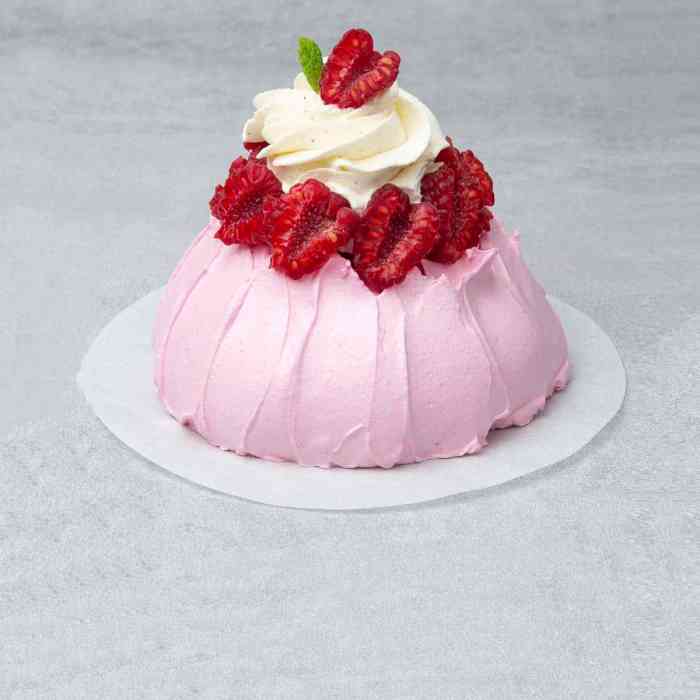
Rose water and whipped cream are a classic pairing that adds a touch of elegance and sophistication to any dessert. Rose water, with its delicate floral aroma and subtle sweetness, complements the richness of whipped cream perfectly. The combination creates a unique and delightful flavor profile that is both refreshing and indulgent.
The delicate sweetness of rose water in whipped cream is a perfect complement to the airy crunch of pavlova. To elevate the presentation, consider adding a touch of floral elegance with ice cubes infused with edible flowers. You can learn how to make these beautiful floral ice cubes by following this simple guide: how to make floral ice cubes.
The contrast of the icy floral cubes against the warm, creamy pavlova will make for a truly memorable dessert experience.
Types of Rose Water
Rose water is a fragrant liquid extracted from rose petals. There are different types of rose water available, each with its own unique flavor profile.
- Otto Rose Water: This is the most premium type of rose water, made from the petals of the Damask rose. It has a strong, rich floral aroma and a slightly sweet flavor.
- Bulgarian Rose Water: This type of rose water is made from the petals of the Rosa damascena, known for its delicate and sweet floral aroma. It is less intense than Otto rose water.
- Turkish Rose Water: This type of rose water is made from the petals of the Rosa damascena, known for its intense, fruity aroma. It has a slightly sweet and slightly tart flavor.
Rose Water Whipped Cream Recipe
This recipe incorporates rose water whipped cream into a pavlova dessert, adding a touch of floral sweetness and a beautiful pink hue.
Ingredients:
- 1 cup heavy whipping cream
- 2 tablespoons powdered sugar
- 1 tablespoon rose water
- 1 teaspoon vanilla extract
- Pavlova (recipe below)
- Fresh berries (optional)
Instructions:
- In a chilled bowl, whip the heavy cream until soft peaks form.
- Gradually add the powdered sugar while continuing to whip until stiff peaks form.
- Stir in the rose water and vanilla extract until well combined.
- Spoon the rose water whipped cream onto the pavlova and top with fresh berries.
- Serve immediately.
Pavlova Recipe
Ingredients:
- 4 large egg whites
- 1 cup granulated sugar
- 1 teaspoon cornstarch
- 1 teaspoon white vinegar
- 1/2 teaspoon vanilla extract
Instructions:
- Preheat oven to 300 degrees F (150 degrees C).
- Line a baking sheet with parchment paper.
- In a clean, dry bowl, beat the egg whites with an electric mixer until stiff peaks form.
- Gradually add the sugar, one tablespoon at a time, while continuing to beat until the mixture is glossy and stiff.
- Stir in the cornstarch, vinegar, and vanilla extract.
- Spoon the meringue onto the prepared baking sheet, forming a large circle or a smaller nest shape.
- Bake for 1 hour and 15 minutes, or until the meringue is dry and crisp on the outside but still slightly soft on the inside.
- Let the pavlova cool completely before topping with the rose water whipped cream and berries.
Presentation and Serving Ideas
Pavlova, with its airy texture and delicate sweetness, offers a blank canvas for creative presentation. A visually appealing arrangement enhances the dining experience and adds a touch of elegance to this classic dessert.
Topping and Garnishing Ideas
Toppings and garnishes play a crucial role in complementing the flavor profile of the pavlova and adding visual interest. Here are some suggestions for pairing rose water whipped cream with various toppings and garnishes:
- Fruity Delights:Sliced strawberries, raspberries, blueberries, and blackberries offer a refreshing contrast to the creamy sweetness. Consider a vibrant arrangement of mixed berries for a visually appealing and flavorful combination.
- Floral Accents:Rose petals, edible lavender flowers, and crystallized violets enhance the floral notes of the rose water whipped cream. These delicate additions provide a touch of elegance and visual appeal.
- Nutty Crunch:Toasted almonds, chopped pistachios, or crushed walnuts add a textural contrast and a nutty flavor that complements the rose water whipped cream.
- Chocolate Indulgence:Grated dark chocolate, chocolate shavings, or a drizzle of chocolate sauce create a luxurious and decadent touch.
- Citrus Burst:Zest of lemon or orange adds a citrusy tang and brightens the overall flavor profile.
Table Setting and Presentation
A simple and elegant presentation is key to showcasing the beauty of the pavlova. Here’s a suggestion for an appealing arrangement:
A white rectangular plate provides a clean and modern backdrop for the pavlova. The pavlova is carefully placed in the center, its crisp exterior and delicate meringue peaks standing tall. A generous dollop of rose water whipped cream is piped onto the pavlova, creating a soft and inviting center. A scattering of fresh raspberries, blueberries, and a few rose petals are strategically placed around the pavlova, adding pops of color and texture. A sprig of fresh mint adds a final touch of freshness and visual appeal.
Variations and Creative Inspirations
The beauty of the pavlova lies in its versatility. Beyond the classic recipe, there’s a world of flavors and textures waiting to be explored. From incorporating seasonal fruits to adding a touch of spice, you can personalize this dessert to reflect your culinary preferences and the time of year.
Flavored Pavlovas
A simple way to transform a traditional pavlova is by adding flavor to the meringue. You can achieve this by incorporating extracts, fruit purees, or even spices directly into the egg white mixture. Here are a few ideas to get you started:
- Citrus Pavlova:Add a tablespoon of lemon or orange zest to the meringue for a refreshing citrus flavor.
- Chocolate Pavlova:Fold in a tablespoon of cocoa powder to the meringue for a rich chocolate flavor.
- Spiced Pavlova:A pinch of cinnamon, nutmeg, or cardamom can add a warm, comforting flavor to the pavlova.
Rose Water Pavlova with a Unique Twist
This recipe combines the delicate floral notes of rose water with the refreshing tang of passionfruit and the sweetness of mango.
Ingredients:
- 4 large egg whites
- 1 cup granulated sugar
- 1 teaspoon rose water
- 1/4 teaspoon cream of tartar
- 1/2 cup passionfruit pulp
- 1 ripe mango, diced
- 1 cup heavy whipping cream
- 1/4 cup powdered sugar
Instructions:
- Preheat oven to 300 degrees Fahrenheit. Line a baking sheet with parchment paper.
- In a large bowl, beat egg whites with cream of tartar until stiff peaks form. Gradually add sugar, one tablespoon at a time, beating until glossy and stiff.
- Stir in rose water.
- Spoon meringue onto prepared baking sheet, forming a nest-like shape. Bake for 1 hour, or until the outside is crisp and the inside is slightly soft. Turn off the oven and let the pavlova cool in the oven with the door slightly ajar.
- While the pavlova is cooling, whisk heavy whipping cream with powdered sugar until stiff peaks form.
- Top the cooled pavlova with passionfruit pulp, diced mango, and whipped cream.
- Serve immediately.
Rose Water and Whipped Cream in Other Desserts
The combination of rose water and whipped cream is a classic pairing, offering a delicate floral touch and a luxuriously creamy texture. Here are some creative ways to incorporate this duo into other desserts:
- Rose Water Panna Cotta:Add a teaspoon of rose water to your panna cotta recipe for a subtle floral aroma.
- Rose Water Mousse:Fold rose water into whipped cream for a light and airy mousse. Serve it with fresh berries or a drizzle of chocolate sauce.
- Rose Water Cake Filling:Use a rose water-infused whipped cream as a filling for cakes or cupcakes.
- Rose Water Ice Cream:Add rose water to your favorite ice cream recipe for a unique and refreshing flavor.