
Ban chinese russian auto components affects canada – Banning Chinese and Russian auto components affects Canada in a profound way, setting the stage for a complex economic and geopolitical narrative. The Canadian automotive industry, heavily reliant on these components, faces a potential storm of challenges. The implications ripple through the supply chain, potentially affecting production, employment, and ultimately, the affordability and availability of vehicles for Canadian consumers.
This ban is not just an economic issue, it also has significant geopolitical ramifications. It could strain relations between Canada and both China and Russia, potentially leading to retaliatory measures. The situation demands a careful analysis of alternative sourcing options, the potential impact on consumers, and the role of the Canadian government in navigating this complex landscape.
Impact on Canadian Automotive Industry: Ban Chinese Russian Auto Components Affects Canada

The potential ban on Chinese and Russian auto components would have significant implications for the Canadian automotive industry, which relies heavily on these imports. While the industry has taken steps to diversify its supply chains, a sudden disruption would likely lead to production delays, job losses, and increased costs for consumers.
Economic Consequences
A ban on Chinese and Russian auto components would have significant economic consequences for the Canadian automotive industry. These consequences could include:
- Job Losses: The industry relies on a vast network of suppliers, many of whom are located in China and Russia. A ban on these components would force Canadian manufacturers to find alternative suppliers, potentially leading to job losses in both the manufacturing and supply chain sectors.
For example, if a major Canadian automaker like Ford or General Motors had to shut down production due to a lack of crucial components, thousands of workers could be laid off.
- Production Delays: Finding alternative suppliers and setting up new supply chains would take time and resources. This could lead to significant production delays, disrupting the flow of vehicles to consumers and impacting sales revenue. For instance, a delay in the production of a popular SUV model due to the unavailability of essential parts from China could result in a backlog of orders and lost sales for the manufacturer.
The ban on Chinese and Russian auto components is certainly a hot topic in Canada right now, and it’s causing a lot of ripples in the automotive industry. But while we’re grappling with the economic implications, it’s a good reminder that life goes on, and there’s still beauty to be found in the world.
Take, for example, the recent artnet highlights andy warhol drawings art video games more , a reminder that even in times of uncertainty, art continues to inspire and connect us. It’s a good reminder that the world is full of possibilities, and that even amidst challenges, there’s always something to celebrate.
- Supply Chain Disruptions: The Canadian automotive industry operates on a complex and interconnected global supply chain. A ban on Chinese and Russian components would disrupt this chain, potentially leading to shortages of other critical components that are manufactured elsewhere but rely on materials from China or Russia.
Imagine a scenario where a Canadian manufacturer is unable to obtain essential wiring harnesses due to a shortage of copper from Russia, leading to a cascade of production delays and disruptions across the entire supply chain.
- Increased Costs: Finding alternative suppliers for components from China and Russia might come at a higher cost, as manufacturers may have to pay more for similar components from other countries. These increased costs could be passed on to consumers in the form of higher vehicle prices, impacting affordability and demand.
The ban on Chinese and Russian auto components is definitely a hot topic in Canada, impacting everything from car prices to the availability of parts. But hey, while we’re talking about things that are in short supply, why not try something different this year?
You can create your own unique holiday pajamas by customizing them with fun patterns and designs – create your own holiday pajamas. It’s a great way to show off your personality and stay cozy during the holidays. And who knows, maybe a little creativity can help us all forget about the car parts shortage for a while!
Dependence on Chinese and Russian Components
Several Canadian automotive manufacturers rely on Chinese and Russian components for their vehicles. These components include:
- Engines and Transmissions: Some Canadian automakers source engines and transmissions from Chinese and Russian manufacturers, particularly for certain models or specific engine configurations. For example, a Canadian automaker might import a particular type of engine from a Chinese manufacturer for a specific line of sedans.
- Electrical Components: A wide range of electrical components, including wiring harnesses, sensors, and electronic control units, are sourced from Chinese and Russian suppliers. These components are crucial for vehicle operation and safety. For instance, a Canadian manufacturer might rely on a Russian supplier for specialized sensors used in its advanced driver-assistance systems.
- Metal Components: Certain metals, such as aluminum and steel, used in the manufacturing of vehicles are sourced from China and Russia. These metals are used in a wide range of components, including chassis, body panels, and suspension systems. For instance, a Canadian automaker might use aluminum sourced from China for its vehicle’s body panels.
- Interior Components: Interior components, such as seats, dashboards, and door panels, are also sourced from Chinese and Russian suppliers. These components contribute to the vehicle’s comfort, aesthetics, and functionality. For example, a Canadian manufacturer might import leather seats for its luxury models from a Chinese supplier.
The ban on Chinese and Russian auto components is a complex issue with far-reaching consequences for Canada’s automotive industry. While we grapple with the economic implications, I can’t help but think of the festive cheer we experienced last year with our Christmas tree train, a delightful tradition that reminds us of the simple joys in life.
Our Christmas tree train was a beautiful sight, bringing families together and reminding us of the spirit of the season. The ban on these auto components highlights the need for Canada to diversify its supply chains and strengthen its domestic manufacturing capabilities, ensuring a more resilient and sustainable future.
Alternative Sourcing Options
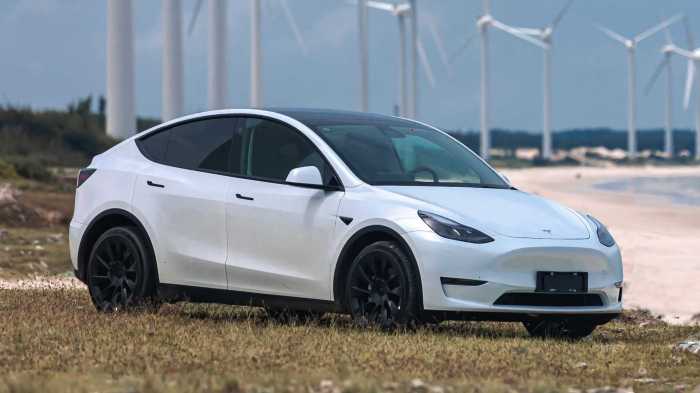
The ban on Chinese and Russian auto components presents a significant challenge for the Canadian automotive industry, forcing manufacturers to seek alternative sources for essential parts. Diversifying supply chains is crucial to ensure production continuity and mitigate risks associated with geopolitical instability.
Potential Alternative Sources
Finding alternative suppliers for the affected auto components requires a comprehensive assessment of various factors, including manufacturing capabilities, cost considerations, and logistical feasibility.
- North America:The United States and Mexico are natural choices for sourcing auto components due to their proximity, established trade relationships, and robust manufacturing ecosystems. North American suppliers offer advantages in terms of shorter lead times, reduced transportation costs, and easier communication.
- South Korea:South Korea has a well-developed automotive industry, known for its high-quality components and competitive pricing. Companies like Hyundai and Kia have established global supply chains, making them potential sources for various auto parts.
- Japan:Japan is a global leader in automotive technology and manufacturing, boasting renowned companies like Toyota, Honda, and Nissan. While Japanese suppliers may be more expensive, their reputation for reliability and innovation is attractive to Canadian automakers.
- European Union:European countries like Germany, France, and Italy possess strong automotive industries with expertise in advanced technologies and high-quality manufacturing. However, sourcing from the EU might involve higher transportation costs and longer lead times.
Cost Comparisons and Feasibility
Transitioning to alternative suppliers involves careful consideration of cost implications and feasibility.
- Cost:Sourcing from different countries will have varying costs, depending on factors such as labor costs, transportation expenses, and currency exchange rates. For example, components from North American suppliers might be cheaper due to proximity and favorable trade agreements, while components from Asia could be more expensive but offer potential cost savings in the long run due to economies of scale.
- Feasibility:The feasibility of sourcing from alternative countries depends on factors such as availability of skilled labor, infrastructure, and regulatory compliance. For example, transitioning to suppliers in countries with different labor regulations or manufacturing standards might require significant adjustments and investment.
Challenges and Opportunities
Shifting to alternative suppliers presents both challenges and opportunities for the Canadian automotive industry.
- Challenges:Key challenges include the need to qualify new suppliers, ensure compatibility of components, and manage potential disruptions to production schedules. The process of finding and vetting new suppliers can be time-consuming and resource-intensive.
- Opportunities:The shift to alternative sourcing presents opportunities for Canadian automakers to strengthen their supply chains, diversify their supplier base, and explore new technologies and innovations. It also provides an opportunity to develop closer relationships with suppliers in other countries, potentially leading to new partnerships and collaborations.
Consumer Impact
A ban on Chinese and Russian auto components would have a significant impact on Canadian consumers, potentially leading to higher prices, reduced vehicle availability, and delays in repairs. These consequences could affect the affordability and reliability of vehicles in Canada, making it more challenging for Canadians to access and maintain their transportation.
Price Increases
The ban could lead to price increases for new and used vehicles. This is because manufacturers would have to source components from alternative suppliers, which may be more expensive or require longer lead times.
- Manufacturers may have to pay higher prices for alternative components, which could be passed on to consumers in the form of higher sticker prices for new vehicles.
- The reduced availability of vehicles due to supply chain disruptions could also drive up prices for used vehicles.
Reduced Vehicle Availability
The ban could lead to reduced vehicle availability in Canada. This is because manufacturers may not be able to source all the necessary components from alternative suppliers, leading to production delays or even shutdowns.
- The reduced availability of vehicles could lead to longer wait times for new vehicles, making it more difficult for consumers to find the vehicles they want.
- In some cases, manufacturers may have to discontinue certain models or trim levels due to the unavailability of critical components.
Delays in Repairs
The ban could also lead to delays in repairs for vehicles that rely on Chinese and Russian components. This is because auto repair shops may have difficulty sourcing replacement parts, particularly if the original components are no longer available.
- Consumers may have to wait longer for their vehicles to be repaired, leading to inconvenience and potential disruptions to their daily lives.
- The cost of repairs could also increase if repair shops have to source replacement parts from alternative suppliers.
Implications for Affordability and Reliability
The ban could have a significant impact on the affordability and reliability of vehicles in Canada.
- Higher prices and reduced availability could make it more difficult for consumers to afford new vehicles.
- Delays in repairs could lead to vehicles being out of commission for longer periods, potentially impacting the reliability and safety of vehicles.
Examples of Consumer Impact, Ban chinese russian auto components affects canada
Here are some examples of how consumers might be affected by the ban:
- A consumer may have to wait several months longer for a new vehicle due to production delays caused by the ban.
- A consumer may have to pay a higher price for a new vehicle due to the increased cost of components.
- A consumer may have to wait several weeks for a repair due to the unavailability of replacement parts.