
The Simple Knot Braid: A Versatile Hairstyle for Effortless Elegance
The simple knot braid, often referred to as a reef knot braid or a two-strand twist braid, is a remarkably versatile and accessible hairstyle. Its appeal lies in its minimalist aesthetic, ease of creation, and ability to adapt to various hair types and lengths. Far from being a mere beginner’s braid, the simple knot braid offers a sophisticated yet understated look that can transition seamlessly from casual daytime wear to more formal evening events. Mastering this technique opens up a world of styling possibilities, from accent braids to full-head styles. Its foundational nature makes it an excellent starting point for anyone looking to expand their braiding repertoire. The beauty of the simple knot braid is its inherent simplicity; it requires no complex interweaving or intricate manipulation of hair strands. Instead, it relies on a straightforward twisting and knotting motion that is both visually appealing and structurally sound. This article will delve into the intricacies of creating and styling the simple knot braid, providing a comprehensive guide for achieving this effortlessly chic look. We will explore the fundamental technique, variations, styling tips for different hair types, and how to elevate this basic braid into something truly special.
The Fundamental Technique: Mastering the Two-Strand Twist Knot
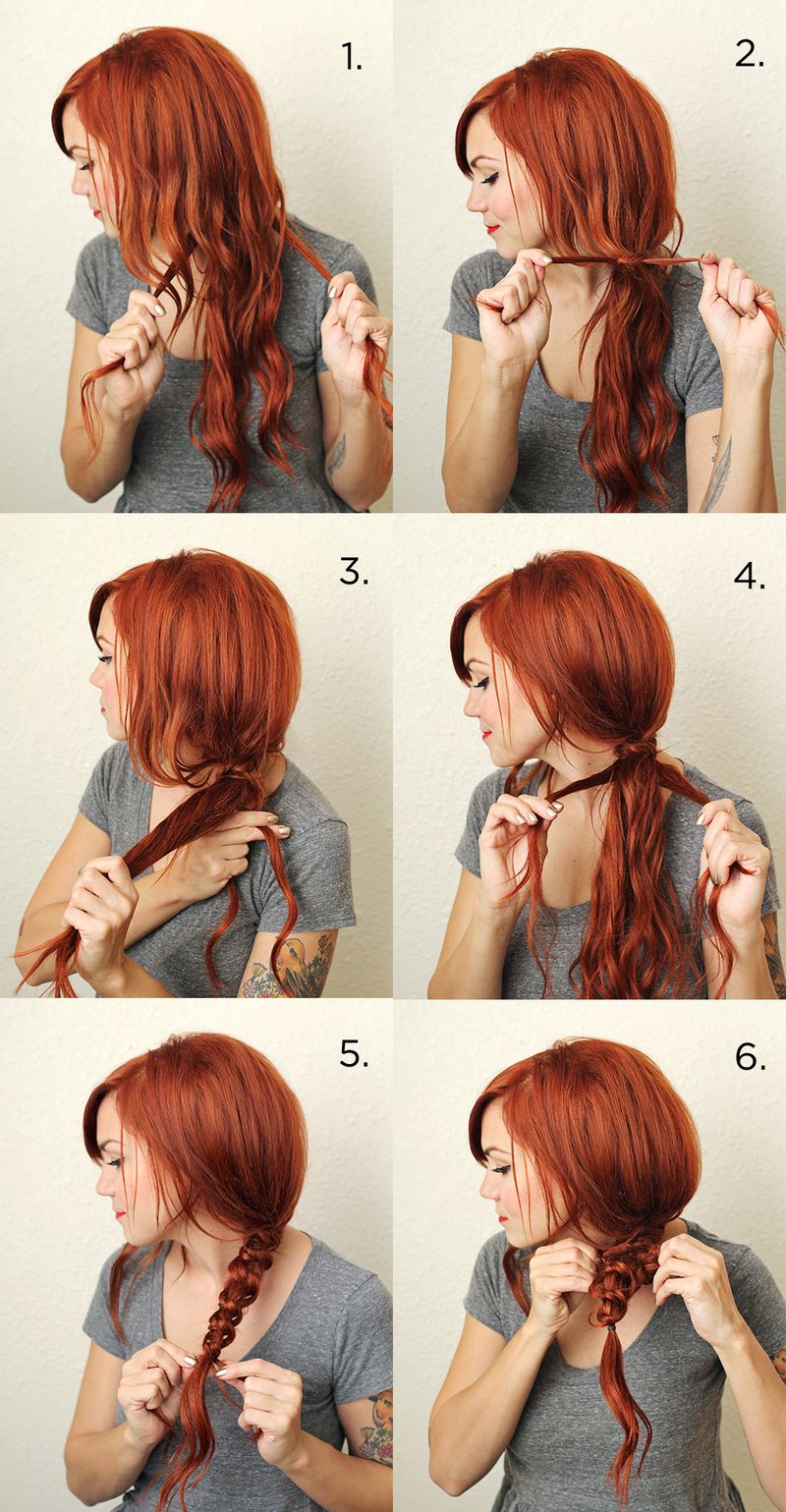
The core of the simple knot braid lies in its two-strand twisting mechanism. Unlike traditional braids that involve three or more strands crossing over each other, the knot braid utilizes only two sections of hair. The process begins by dividing the hair into two equal portions. For a single knot braid accent, you might take a subsection of hair from the front or crown. For a fuller style, you would divide your entire head of hair into two large sections.
Once divided, each section of hair is twisted individually. This is crucial for the braid’s structure and polished appearance. Take one section and twist it in a consistent direction (either clockwise or counterclockwise). Maintain this twist throughout the process. Repeat the same twisting motion with the second section of hair, ensuring it’s twisted in the same direction as the first. Consistency in twisting direction is key to preventing tangles and creating a smooth, cohesive braid.
After both sections are individually twisted, they are then crossed over one another. Imagine you have your left section and your right section, both twisted. Now, take the right twisted section and cross it over the left twisted section. This is the initial "knot" formation. The act of crossing the two twisted strands is what creates the visual interest and the knotted effect.
Following the initial cross, you must continue the twisting motion. This is where the "braid" aspect truly comes into play. After crossing the right section over the left, you then twist the left section again (in the same original direction), and then cross it over the right section. The key is to maintain the individual twists of each section while simultaneously crossing them over each other in an alternating fashion.
Think of it as a continuous process: twist strand A, twist strand B, cross A over B, twist A again, twist B again, cross B over A. However, a more intuitive way to describe it, and often how it’s executed, is to twist each strand individually before crossing them. So, twist strand A clockwise, twist strand B clockwise, then cross strand A over strand B. Then, you continue twisting strand A and strand B in their respective clockwise directions, and then cross strand B over strand A. This alternating crossing motion, combined with the individual twists, is what forms the knot braid.
The tightness of your twists and the closeness of your crosses will determine the final look of the braid. Tighter twists and crosses will result in a more defined and compact braid, while looser twists and crosses will yield a softer, more relaxed braid. It’s important to maintain even tension across both sections throughout the entire process to ensure a uniform braid. As you work your way down the length of the hair, continue the alternating twist and cross motion.
To finish the simple knot braid, you can secure it with a hair tie. For a more integrated look, you can tie off the end of the braid with a small elastic that matches your hair color. If you are creating multiple knot braids, ensure you secure each one individually as you complete it. The beauty of this braid is that it naturally holds its shape due to the twisted strands resisting unraveling, especially when secured at the end.
Variations on a Theme: Expanding the Simple Knot Braid’s Potential
While the fundamental technique is straightforward, there are several ways to adapt and elevate the simple knot braid, making it suitable for a wider range of styles and preferences.
-
The Double Knot Braid: This is a direct extension of the basic technique. Instead of a single crossing, you perform the twist and cross maneuver twice before securing the braid. This creates a more pronounced knotted effect and a slightly thicker braid. For instance, after twisting both sections, cross the right over the left. Then, instead of continuing to twist and cross immediately, you would twist both sections again in the same direction and cross the left over the right once more, creating a double knot. This variation adds visual interest and a more intricate appearance.
-
The Fishtail Knot Braid: This is a more advanced variation that combines elements of the simple knot braid with the fishtail braid. You start by dividing your hair into two sections. Then, you twist each section individually as you would for a simple knot braid. However, instead of crossing the entire sections over, you take a small subsection from the outer edge of one twisted section and cross it over to the inner edge of the opposite twisted section. You then repeat this process with the other side, taking a small subsection from the outer edge of the second twisted section and crossing it to the inner edge of the first. This creates a more intricate, woven look that resembles a fishtail but with the underlying structure of a knot braid.
-
The Accent Knot Braid: This is arguably the most common application of the simple knot braid. It involves taking a small section of hair from the front or sides of your head and creating a single knot braid. This can be used to add a touch of detail to an otherwise down hairstyle, to keep bangs out of your face, or as a decorative element in an updo. The technique remains the same, but applied to a smaller portion of hair.
-
The Crown Knot Braid: For a more bohemian or romantic look, a crown knot braid can be achieved. This involves taking sections of hair from the hairline around your crown, twisting them, and then knotting them together as you move across your head, creating a braided headband effect. You can then allow the remaining hair to hang loose or incorporate it into a larger updo. This requires careful sectioning and securing as you work your way around the head.
-
The Messy Knot Braid: The beauty of the simple knot braid lies in its adaptability to different textures. For a more undone, bohemian aesthetic, you can intentionally pull apart the twists and crosses slightly after the braid is complete. This creates a softer, more relaxed, and textured look. This is particularly effective on second-day hair, as the natural oils can contribute to a more lived-in texture.
-
The Sleek Knot Braid: For a more polished and sophisticated look, focus on creating very tight, uniform twists and crosses. Use a fine-tooth comb to ensure each section is smooth and free of flyaways before twisting. Finishing with a light mist of hairspray will further enhance the sleekness and longevity of the braid.
Styling Tips for Different Hair Types and Occasions
The versatility of the simple knot braid means it can be adapted to suit a variety of hair types and occasions.
For Fine Hair:
- Create Texture: Fine hair can sometimes appear slippery and difficult to braid. Before starting, consider using a texturizing spray or dry shampoo to add grip and body to the hair. This will make it easier to section and twist, and will help the braid hold its shape.
- Looser Twists: Opt for slightly looser twists when creating the knot braid. Overly tight twists can sometimes make fine hair appear thinner. Looser twists will create a fuller-looking braid.
- Accent Braids: For fine hair, accent knot braids are often the most effective. A single braid or a few small braids can add visual interest without overwhelming the hair.
- Teasing: Gently tease the braid after it’s complete to give it more volume and a fuller appearance.
For Thick Hair:
- Thorough Sectioning: Thick hair requires careful and precise sectioning to ensure even braids. Use clips to keep untangled sections separate to avoid confusion.
- Stronger Twists: You can afford to create firmer, more defined twists with thick hair. This will help to control the volume and prevent the braid from becoming too bulky.
- Multiple Braids: Thick hair can support multiple, substantial knot braids. Consider creating two or three larger braids for a dramatic effect.
- Consider Length: If you have very thick and long hair, a full-head knot braid might be quite heavy. Consider half-up styles or incorporating knot braids into updos.
For Curly Hair:
- Embrace Natural Texture: Curly hair naturally has texture, which works wonderfully with the knot braid. You don’t need to over-manipulate it.
- Moisture is Key: Ensure your curly hair is well-moisturized before braiding. Dry, frizzy curls can be more challenging to work with. Use a leave-in conditioner or curl cream.
- Finger Detangling: Gently detangle curls with your fingers or a wide-tooth comb before sectioning.
- Looser, Softer Look: The natural curl pattern will inherently create a softer, more romantic knot braid. Embrace this aesthetic. You can also pull apart the braid gently to enhance this effect.
For Straight Hair:
- Texturizing Products: Similar to fine hair, texturizing sprays and dry shampoos are beneficial for adding grip and preventing slippage.
- Tight Twists for Definition: Straight hair can benefit from tighter twists to create clear definition in the knot braid.
- Sleek or Messy: Straight hair can easily achieve both a sleek, polished knot braid or a deliberately messy, textured one. The choice depends on the desired outcome.
- Adding Waves: If you want to add a more dynamic element, consider adding gentle waves to the hair before braiding, or even to the braid itself after it’s completed.
Occasion-Specific Styling:
- Casual Daytime: A single accent knot braid at the front, or two simple knot braids framing the face, are perfect for a relaxed, everyday look. Letting the rest of your hair hang loose or in a ponytail creates an effortless vibe.
- Work/Professional Setting: A sleek knot braid pulled back into a low ponytail or bun offers a polished and sophisticated appearance. A crown knot braid can also be very elegant and office-appropriate, especially when paired with a smart blouse.
- Evening/Formal Events: For a romantic updo, incorporate knot braids into a chignon or a braided bun. A double knot braid can add an intricate detail to a half-up, half-down style. Consider accessorizing with jeweled pins or delicate hair clips.
- Bohemian/Festival Look: Embrace the messy knot braid. Pull apart the strands generously to create a full, textured effect. Combine multiple knot braids in varying sizes for a truly free-spirited aesthetic.
Elevating the Simple Knot Braid: Beyond the Basic
While the simple knot braid is beautiful in its simplicity, there are numerous ways to elevate it and make it a statement hairstyle.
-
Accessorize Wisely: This is perhaps the easiest way to transform the knot braid. Thin ribbons woven into the braid, delicate chains wrapped around it, or sparkling hairpins can add instant glamour. For a bohemian feel, consider incorporating beads or small charms.
-
Combine with Other Braids: The knot braid can be a fantastic companion to other braiding techniques. Try a waterfall braid that transitions into a knot braid, or incorporate a small knot braid into a larger fishtail or Dutch braid.
-
Strategic Placement: The location of your knot braid can significantly impact the overall look. A braid placed high on the crown creates a regal feel, while a braid starting at the temple can add a touch of asymmetry and intrigue.
-
Color Play: If you have highlights or balayage, a knot braid will beautifully showcase the different tones in your hair, creating depth and dimension. Consider temporary hair chalk for a fun, festival-ready burst of color within the braid.
-
The "Pull-Apart" Technique: As mentioned earlier, gently tugging at the edges of the finished knot braid can create a fuller, more voluminous, and softer appearance. This is especially effective for achieving a romantic or bohemian style. Do this carefully, starting from the ends and working your way up, to avoid unraveling the entire braid.
-
Finishing Touches: A light mist of hairspray will help to keep flyaways at bay and ensure your knot braid stays in place throughout the day or night. For added shine, a touch of hair serum applied to the finished braid can make it gleam.
Troubleshooting Common Knot Braid Issues
Even with a simple technique, occasional challenges can arise.
- Slippage: This is common with fine or silky hair. Ensure hair is clean but not too clean (second-day hair often has more grip). Use texturizing products and aim for tighter twists initially.
- Unevenness: Practice makes perfect! If your braids are consistently uneven, focus on maintaining consistent tension and section size throughout the braiding process. Using a mirror to observe your technique can also help.
- Tangles: Ensure you are twisting each strand consistently in the same direction before crossing them. This minimizes tangles. If a tangle does occur, gently try to work it out with your fingers before continuing.
- Flyaways: A good quality hairspray is your best friend for taming flyaways. Smoothing serums can also be applied to the finished braid for a polished look.
Conclusion:
The simple knot braid, at its core, is a fundamental braiding technique that offers remarkable versatility and elegance. Its ease of execution makes it accessible to beginners, while its adaptable nature allows for sophisticated styling for any occasion. By understanding the basic twist-and-knot method, exploring its various iterations, and applying tailored styling techniques for different hair types, you can unlock the full potential of this enduring hairstyle. From a subtle accent to a captivating updo, the simple knot braid is a testament to the beauty found in elegant simplicity. Its ability to be both understated and impactful ensures its continued popularity as a go-to hairstyle for those seeking effortless style.
