Nursery Decor: Crafting a Serene and Stimulating Space for Your Little One
Designing a nursery is a profound opportunity to create a sanctuary, a stimulating environment that fosters development and provides comfort for your infant. This isn’t merely about aesthetics; it’s about a thoughtful, intentional approach to selecting elements that contribute to a child’s well-being and growth. From wall colors to the placement of furniture and the inclusion of sensory experiences, every decision plays a role. SEO optimization begins with understanding keywords prospective parents are searching for. Terms like "nursery ideas," "baby room design," "gender-neutral nursery," "nursery themes," "organic baby bedding," "montessori nursery," "small nursery solutions," and "safe nursery furniture" are paramount. Integrating these naturally throughout the content will enhance search engine visibility. The goal is to provide actionable advice, inspiration, and practical tips that resonate with parents navigating this exciting, and sometimes overwhelming, phase.
Foundational Elements: Color Psychology and Wall Treatments
The first impactful design choice is wall color. Beyond personal preference, consider color psychology. Soft blues and greens evoke calmness and tranquility, ideal for promoting sleep. Gentle yellows can stimulate alertness without overstimulation, while muted purples can be soothing. For gender-neutral nurseries, consider warm grays, beiges, or creamy whites as a versatile base. Avoid overly bright or jarring colors that might disrupt sleep patterns or create visual fatigue for the baby.
Wall treatments offer diverse creative avenues. Paint is the most common and accessible. Opt for low-VOC or zero-VOC paints to ensure optimal air quality in the nursery. For added texture and visual interest, consider removable wallpaper. This allows for easy updates as your child grows and trends change, and it’s a great option for renters. Patterns can range from whimsical animals and subtle geometrics to more sophisticated, muted designs. Murals, hand-painted or professionally installed, can transform a nursery into a fantastical world. Another trending option is wooden accent walls or shiplap, adding warmth and natural texture. For a minimalist approach, consider leaving walls a clean white or off-white, allowing other decor elements to shine. When selecting wallpaper or murals, prioritize designs that are visually appealing but not overly busy, to avoid overwhelming a developing infant.
Furniture Selection: Safety, Functionality, and Longevity
Nursery furniture must prioritize safety and functionality above all else. The crib is the centerpiece and requires meticulous attention. Look for a crib that meets current safety standards (e.g., JPMA certified). Ensure there are no large gaps between the mattress and the crib frame, and that the slats are no more than 2 3/8 inches apart. Convertible cribs, which can transform into toddler beds and eventually full-size beds, offer excellent long-term value.
The changing table or dresser with a changing pad is another essential. If opting for a dresser, ensure it is stable and securely anchored to the wall to prevent tipping. Consider the height and accessibility of drawers for easy diaper changes and clothing storage. A comfortable glider or rocking chair is crucial for feeding and soothing. Prioritize ergonomics and a supportive design for those long hours spent with your baby. Storage solutions are paramount for maintaining an organized nursery. Baskets, shelves, and toy bins help contain clutter and keep essentials within easy reach. Think vertically to maximize space, especially in smaller nurseries.
Textiles and Soft Furnishings: Comfort, Texture, and Hypoallergenic Choices
Soft furnishings contribute significantly to the nursery’s comfort and aesthetic. Organic cotton bedding is a popular and highly recommended choice, as it’s hypoallergenic and free from harsh chemicals. Look for breathable fabrics like cotton, bamboo, or linen. When selecting crib sheets, ensure they fit snugly to prevent any potential hazards. Blankets should be used with caution for newborns, but for older infants, soft, breathable options are welcome.
Rugs can add warmth, color, and texture to the floor. Opt for low-pile rugs for easier cleaning, especially in high-traffic areas. Natural fibers like wool or cotton are excellent choices for their hypoallergenic properties. Consider a rug with a subtle pattern to add visual interest without being overwhelming. Curtains or blinds play a dual role: light control and privacy. Blackout curtains are invaluable for creating a dark environment conducive to sleep, especially during daylight hours. Choose fabrics that are easy to clean and maintain.
Lighting: Ambient, Task, and Dimmable Solutions
Appropriate lighting is critical for both creating a calming atmosphere and providing functional illumination. A soft, ambient overhead light is essential for general visibility. Consider a dimmer switch for this light, allowing you to adjust the brightness according to the time of day and your baby’s needs. A nightlight is indispensable for late-night feedings and diaper changes, providing just enough light to navigate without disturbing sleep. Wall-mounted sconces can offer a softer, more diffused light than overhead fixtures. Task lighting, such as a small lamp near the glider, can be helpful for reading or feeding. Natural light is also a valuable element. Ensure windows are not obstructed, and consider sheer curtains to diffuse harsh sunlight during the day. Avoid harsh, direct lighting that can be overstimulating for an infant.
Wall Art and Decorative Accents: Personalization and Sensory Stimulation
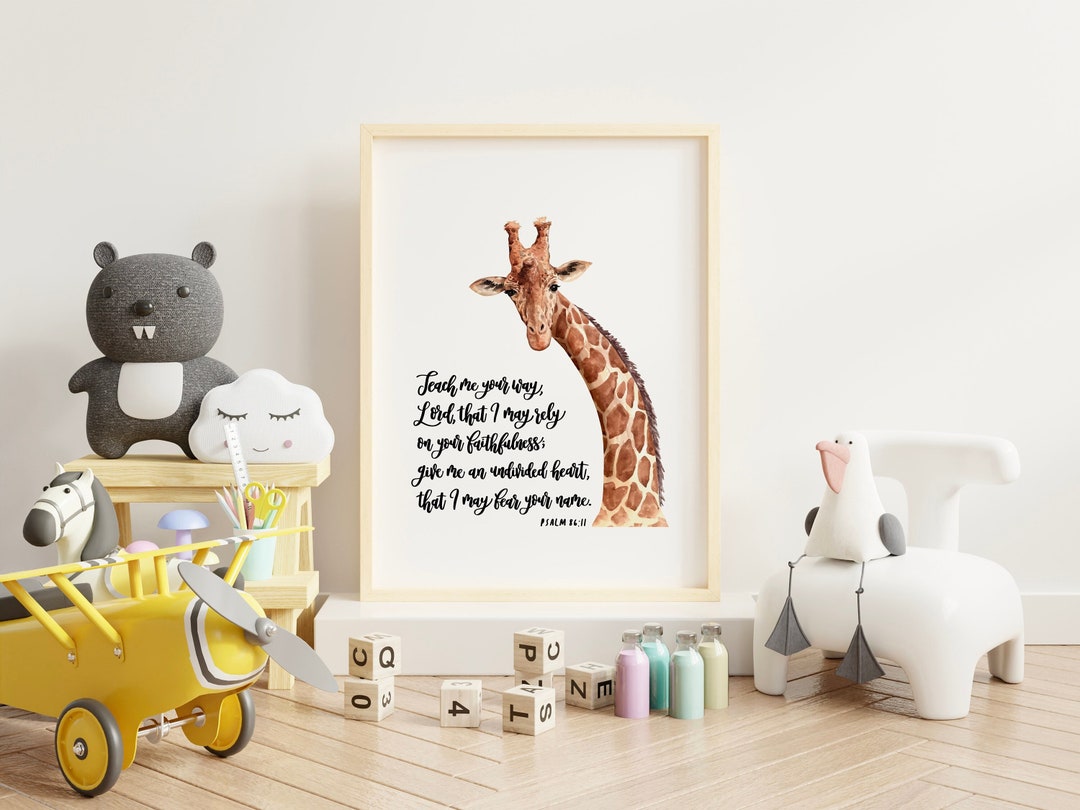
Wall art offers a fantastic opportunity to infuse personality into the nursery. Consider framed prints of whimsical animals, gentle landscapes, or personalized name art. Mobile above the crib can provide visual stimulation for your baby. Ensure mobiles are securely attached and out of reach of your baby as they grow. Natural elements like wooden toys or botanical prints can add a calming, organic feel. Avoid small, detachable parts on any decorative items that could pose a choking hazard. Consider interactive elements like a chalkboard or a magnetic board for when your child is older. Sensory bins filled with safe, natural materials like rice or dried beans can be introduced as your child reaches the crawling stage, but always with supervision.
Organization and Storage Solutions: Decluttering for Peace of Mind
A well-organized nursery is a serene nursery. Utilize wall-mounted shelves for books, toys, and decorative items. Baskets of varying sizes are excellent for corralling small items like pacifiers, burp cloths, and toys. Drawer dividers can keep clothing neat and easily accessible. A changing table with built-in drawers or a separate dresser provides dedicated space for diapers, wipes, and outfits. Consider a mobile changing station if space is limited. Toy chests or bins are essential for larger toys and blankets. Regularly decluttering and rotating toys can keep the nursery fresh and engaging for your child. Vertical storage solutions, such as tall bookshelves or wall-mounted cubbies, are invaluable for maximizing space in smaller rooms.
Safety Considerations: A Non-Negotiable Priority
Safety must be the paramount consideration in every nursery design decision. Ensure all furniture is stable and securely anchored to the wall. Check cribs for any loose parts or potential hazards. Avoid hanging anything heavy from the ceiling that could fall. Electrical outlets should be covered with safety plugs. Cords from blinds or curtains should be secured and kept out of reach. Install smoke detectors and carbon monoxide detectors in or near the nursery and ensure they are regularly tested. When choosing toys and decor, always prioritize items that are age-appropriate and free from small, detachable parts that could be a choking hazard. Regularly inspect all items for wear and tear.
Creating a Gender-Neutral Nursery: Versatile and Timeless Design
Gender-neutral nurseries are a popular and practical choice, offering flexibility and longevity. Instead of relying on traditional pinks and blues, focus on a palette of soft neutrals like grays, beiges, creams, and whites. Introduce color through accent pieces like rugs, artwork, or pillows. Nature-inspired themes are inherently gender-neutral, featuring animals, clouds, stars, or botanical prints. Geometric patterns and abstract designs also work beautifully. The key is to select a cohesive color scheme and style that can adapt as your child’s preferences evolve. Invest in furniture that is classic and functional, ensuring it can transition through different stages of childhood.
The Montessori Nursery Approach: Fostering Independence
A Montessori nursery emphasizes fostering independence, self-direction, and a connection with nature. Key elements include a floor bed, allowing the child to freely move in and out of sleep. Accessible shelves at the child’s eye level display a curated selection of toys and books, encouraging self-selection. A low mirror allows for self-observation and exploration. Natural materials like wood and cotton are prioritized. The space is designed to be orderly and beautiful, creating a calm and respectful environment. Practical life activities, such as a small child-sized sink or accessible cleaning tools, can be incorporated to encourage independence in daily routines.
Small Nursery Solutions: Maximizing Compact Spaces
For smaller nurseries, strategic planning is essential. Utilize vertical space with wall-mounted shelves and hanging organizers. A convertible crib that can later transform into a toddler bed saves space. Opt for multi-functional furniture, such as a changing table that doubles as a dresser. Consider a compact glider or rocking chair that doesn’t take up excessive floor space. Utilize the space above the crib for wall art or a mobile. Baskets and bins are your best friends for organizing, keeping clutter at bay. Light colors on the walls can make a small space feel larger and brighter.
Personal Touches and Creating a Sense of Calm
Beyond the functional aspects, a nursery should reflect the parents’ love and personality. Incorporate personal items like framed family photos, handmade blankets, or a cherished stuffed animal. These touches create a sense of warmth and belonging. The ultimate goal is to create a space that feels both safe and stimulating, a haven where your baby can grow, learn, and thrive. Regularly assessing the nursery as your child develops and making adjustments ensures it remains a functional and nurturing environment. The best nursery decor is a harmonious blend of safety, practicality, aesthetic appeal, and most importantly, love.

