
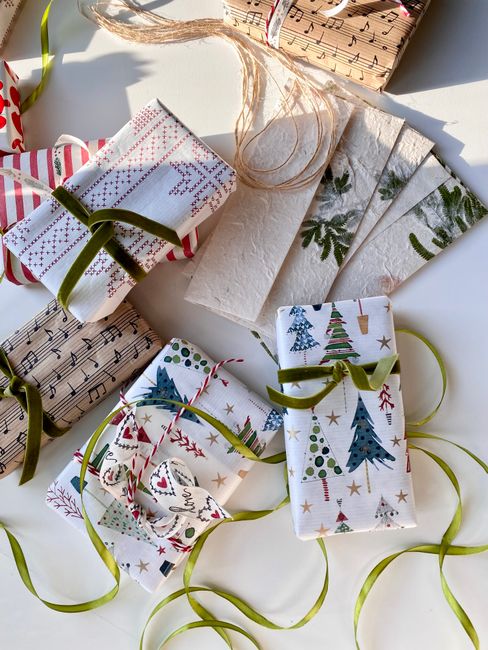
Scraps: The Eco-Chic Revolution in Creative Gift Wrapping
The art of gift wrapping transcends mere concealment; it’s an extension of the present itself, a visual prologue to the joy it holds. In a world increasingly mindful of its environmental footprint, the traditional reliance on single-use wrapping paper has become a point of contention. Fortunately, a powerful and beautiful alternative has emerged, championed by resourcefulness and artistic flair: creative gift wrapping with scraps. This approach not only diverts waste from landfills but also imbues each package with a unique personality, a story of repurposed materials and thoughtful design. Exploring the vast potential of scraps for gift wrapping offers a sustainable, cost-effective, and infinitely customizable solution for every occasion, transforming discarded materials into treasures.
The fundamental principle behind scrap gift wrapping lies in reimagining everyday detritus as valuable decorative elements. This encompasses a broad spectrum of materials, each with its own textural and visual appeal. Fabric scraps, perhaps the most versatile, can range from remnants of clothing projects, old linens, or even worn-out garments. Their tactile quality and inherent drape offer a luxurious feel, transforming a simple box into something akin to a beautifully bound book or a bundled garment. Paper scraps, equally abundant, come from a myriad of sources: old newspapers, magazines, junk mail, brown paper bags, discarded maps, even used parchment paper from baking. Their diverse print patterns, varying weights, and inherent textures provide a rich canvas for layering and embellishment. Even smaller, seemingly insignificant scraps, like yarn ends, ribbon fragments, or button collections, can be woven into the wrapping process, adding intricate details and pops of color. This democratizes the art of gift wrapping, making it accessible to anyone with a desire to be creative and reduce waste.
The aesthetic possibilities of scrap gift wrapping are virtually limitless. Unlike mass-produced wrapping paper, which often adheres to seasonal trends and predictable patterns, scrap wrapping allows for a deeply personal and eclectic style. Consider the rustic charm of newspaper wrapping, where headlines and articles become conversation starters. Black and white photographs from old magazines, carefully cut and arranged, can create a vintage or monochromatic masterpiece. Fabric scraps, particularly those with interesting weaves or subtle patterns, can be used to create furoshiki-style wraps, an ancient Japanese art of fabric wrapping, offering an elegant and reusable alternative to paper. Layering different types of paper scraps, such as a base of plain brown paper embellished with strips of colorful magazine pages or stenciled designs, creates depth and visual interest. The joy lies in the unexpected combinations, the serendipitous pairings that emerge as you work with your collected materials.
Beyond visual appeal, the sustainability aspect of scrap gift wrapping is a significant driver of its popularity. Billions of pounds of wrapping paper are discarded annually in the United States alone, much of which ends up in landfills due to its mixed materials (foil, glitter, plastic laminations) making it difficult to recycle. By repurposing scraps, we actively participate in the circular economy, giving new life to materials that would otherwise contribute to environmental degradation. This conscious choice resonates with a growing consumer base that prioritizes ethical and eco-friendly practices. Furthermore, the cost-effectiveness is undeniable. Acquiring a large quantity of unique wrapping paper can be expensive, whereas utilizing existing scraps is virtually free. This allows for more budget to be allocated to the gift itself or to the creation of more elaborate embellishments.
The process of preparing scraps for gift wrapping is itself a rewarding endeavor. It encourages mindfulness and a different way of seeing everyday objects. A thorough sort and organization of collected materials is the first step. Fabric scraps can be ironed to remove creases and cut into manageable pieces. Paper scraps can be trimmed, sorted by color or pattern, and even ironed if necessary to create a smoother surface. Larger pieces can serve as the primary wrapping material, while smaller fragments can be transformed into decorative elements. This preparation stage can become a creative ritual in itself, akin to a potter preparing clay or a painter mixing pigments.
Embellishment is where scrap gift wrapping truly shines, offering endless opportunities for personalization and artistic expression. Instead of relying on conventional ribbons and bows, which can also be sourced from fabric or yarn scraps, consider a range of innovative additions. Cut shapes from contrasting paper scraps to create collages or stenciled designs. Use old buttons, beads, or even dried natural elements like leaves or flowers to add texture and visual appeal. Twine, yarn scraps, or strips of fabric can be braided or twisted into unique tie-offs. Even natural dyes, made from kitchen scraps like onion skins or avocado pits, can be used to color plain paper or fabric scraps, further enhancing the eco-friendly and artisanal nature of the wrapping. Think about creating hand-drawn patterns or lettering on plain paper scraps, adding a personal message or a thematic element to the gift. The key is to move beyond the expected and embrace the unconventional.
The techniques employed in scrap gift wrapping are as varied as the materials themselves. The basic principles of wrapping a box remain the same, but the way scraps are applied and secured allows for creative interpretation. For fabric scraps, methods like the Japanese furoshiki are ideal. This involves folding and tying the fabric to elegantly envelop the gift, eliminating the need for tape. For paper scraps, various collage techniques can be employed. Pieces can be adhered using eco-friendly glues or double-sided tape. Layering, where different patterns and textures are overlapped, creates depth and visual interest. Consider using a base of plain brown paper and then applying strips of patterned magazine pages or stenciled designs over it. The edges of the scraps can be left raw for a more rustic look or carefully trimmed for a more refined finish. A simple box can be transformed by wrapping it in a patchwork of different fabric scraps, stitched together for a quilted effect.
The context of the gift and the recipient can further inform the scrap wrapping design. For a book lover, old maps or pages from vintage novels would be a fitting choice. For an artist, a collage of colorful paint swatches or discarded sketches could be ideal. For a gardener, wrapping in brown paper and embellishing with pressed leaves or botanical illustrations would be perfect. This thoughtful consideration of the recipient’s interests makes the gift wrapping itself a meaningful part of the present. Imagine a culinary gift wrapped in pages from old cookbooks, or a travel-themed present encased in a collage of vintage postcards and ticket stubs. This level of personalization elevates the act of gift-giving to an art form.
Beyond individual gifts, scrap wrapping can be adopted for larger events or occasions. Consider a wedding where guests’ place cards are wrapped in small, individually crafted scrap packages, or a baby shower where favors are adorned with fabric scraps from baby clothes. This consistent theme can create a cohesive and memorable aesthetic. The environmental benefits also extend to bulk gifting, such as for holiday parties or corporate events, where a commitment to sustainable practices can be visibly demonstrated.
The continued evolution of scrap gift wrapping is fueled by a desire for authenticity and a rejection of disposable culture. As more individuals and communities embrace this approach, innovative techniques and material combinations will undoubtedly emerge. The internet and social media platforms have become vital hubs for sharing inspiration and tutorials, fostering a global community of scrap wrapping enthusiasts. Hashtags like #ScrapWrapping, #EcoGiftWrap, and #UpcycledGifts connect crafters, showcasing the diverse and ingenious ways people are transforming waste into wonder. This collaborative spirit encourages experimentation and pushes the boundaries of what’s possible with discarded materials.
The inherent charm of scrap gift wrapping lies in its imperfections. Unlike perfectly uniform store-bought paper, the slightly uneven edges, the visible stitching, or the unique printing of a found object all contribute to its artisanal appeal. These are not flaws but rather badges of honor, testaments to the resourcefulness and creativity of the giver. This raw, unpolished aesthetic can evoke feelings of nostalgia, handmade warmth, and genuine care. It’s a stark contrast to the often sterile and impersonal nature of mass-produced goods.
The versatility extends beyond just traditional gift boxes. Scrap wrapping can be adapted to various gift shapes and sizes. For oddly shaped items, fabric wrapping offers a more forgiving and adaptable solution. Larger fabric pieces can be used to create unique bundles or even small bags. For flat items like artwork or certificates, a carefully designed paper scrap collage can serve as a protective and decorative sleeve. Even bottles can be wrapped in fabric or intricately patterned paper scraps, transforming them into elegant presents.
The psychological impact of receiving a gift wrapped in scraps can be profound. It communicates a conscious effort, a thoughtfulness that goes beyond simply purchasing a ready-made item. It suggests that the giver values both the recipient and the planet, a message that resonates deeply in today’s world. The recipient is not just receiving a gift; they are receiving a piece of art, a testament to sustainable practices, and a story of repurposed materials. This adds an intangible layer of value and meaning to the present.
In conclusion, scrap creative gift wrapping is not just a trend; it’s a movement towards more mindful, sustainable, and personalized gifting. It empowers individuals to tap into their creativity, reduce their environmental impact, and imbue their gifts with a unique narrative. By embracing the potential of discarded materials, we can transform the act of gift wrapping from a disposable custom into an enduring expression of love, creativity, and environmental responsibility, proving that beauty and sustainability can, and indeed should, go hand in hand. The future of gift wrapping is not in more paper, but in more imagination, and scraps are the perfect medium for this exciting evolution.
