
Palm Springs with Canon: Capturing Mid-Century Modern Magic and Desert Landscapes
Palm Springs, a desert oasis synonymous with mid-century modern architecture, vibrant bougainvillea, and the iconic aerial tramway, offers photographers an unparalleled canvas. My recent trip to this Californian gem, armed with my trusty Canon camera, was a testament to its visual allure. From the meticulously preserved homes to the stark beauty of the surrounding San Jacinto Mountains, every corner begged to be framed. This article details a photography-focused itinerary, highlighting key locations, optimal shooting times, and Canon-specific tips for capturing the essence of Palm Springs.
The foundational element of Palm Springs photography is undoubtedly its mid-century modern architecture. These iconic buildings, characterized by clean lines, flat roofs, geometric patterns, and an integration with the natural environment, are scattered throughout the city. For the most effective capture, consider a Canon lens with a wider focal length, such as the EF 24-70mm f/2.8L II USM or even a prime like the EF 35mm f/1.4L II USM. These lenses will allow you to encompass the full scope of the structures, highlighting their design elements and relationship to the desert landscape. Key neighborhoods to explore include Twin Palms, Vista Las Palmas, and Indian Canyons.
Shooting these modernist marvels requires an understanding of light. Mid-morning and late afternoon offer softer, more diffused light that accentuates textures and minimizes harsh shadows, preventing blown-out highlights on white stucco walls and deep, unrecoverable shadows in recessed areas. The golden hour, just before sunset, paints the desert in warm, inviting tones, casting long shadows that add depth and drama to the architectural forms. Utilize your Canon’s exposure compensation feature extensively here, especially when shooting against bright skies. Experiment with aperture priority mode (Av) to control depth of field; a wider aperture like f/2.8 or f/4 can isolate architectural details, while a narrower aperture like f/8 or f/11 will ensure the entire building and its surroundings are in sharp focus.
Beyond residential architecture, the commercial and public buildings are equally compelling. The Palm Springs Art Museum, with its Brutalist influences and striking geometric façade, is a must-visit. Its expansive windows and courtyards offer unique photographic opportunities. The Kaufmann Desert House, designed by Richard Neutra, is perhaps the most famous example of mid-century modern residential design, though access is often limited. However, many private homes are visible from the street, and a respectful approach can yield stunning images. The area around El Paseo Drive, while more contemporary in its retail offerings, still features some architectural gems that echo the mid-century aesthetic.
When photographing buildings, pay attention to leading lines – the angles of roofs, the lines of windows, and the pathways leading to entrances. These elements guide the viewer’s eye through the composition. Your Canon’s LCD screen is invaluable for checking your framing and ensuring these lines are strong. Consider using a polarizing filter, especially during the day, to deepen blue skies, reduce glare on reflective surfaces like glass and polished concrete, and enhance the saturation of colors. This is particularly effective on the vibrant blues of the desert sky against the muted tones of the architecture.
The natural landscape surrounding Palm Springs is as captivating as its built environment. The San Jacinto Mountains provide a dramatic backdrop, their rugged peaks changing color with the shifting light. The Palm Springs Aerial Tramway offers a spectacular ascent to over 8,500 feet, providing panoramic views of the Coachella Valley. For this, a wider-angle lens is again beneficial, but consider bringing a telephoto lens, like your Canon EF 70-200mm f/2.8L IS III USM, to compress the landscape and bring distant features into sharp focus. The contrast between the arid desert floor and the cooler, alpine environment at the mountain’s summit is a visual narrative worth capturing.
The best time to photograph the mountains is during sunrise and sunset. Sunrise offers a soft, ethereal light that illuminates the peaks, while sunset bathes them in warm, fiery hues. The tram ride itself can be a unique photographic experience, capturing the changing topography and the vastness of the valley below. When shooting from the tram, be mindful of the glass and potential reflections. Experiment with shooting through the windows at an angle to minimize glare. The interior of the tram cars also presents opportunities for documenting the experience, perhaps with a slightly wider aperture to blur the background and emphasize the passengers’ journey.
For landscape photography, consider utilizing a tripod for sharper images, especially in low light conditions at dawn and dusk. Your Canon’s image stabilization (IS) will be a lifesaver, but a tripod provides that extra layer of stability for longer exposures. When composing your landscape shots, look for foreground interest – a gnarled Joshua Tree, a cluster of desert wildflowers, or the texture of the sand – to add depth and scale. The Joshua Tree National Park, while a bit of a drive, is an absolute must for any landscape photographer visiting the region. Its iconic trees, sculpted by wind and time, are a photographer’s dream.
The unique flora of the desert is another subject that demands attention. Cacti, succulents, and the vibrant bursts of color from desert wildflowers, when in season, offer fantastic macro or close-up photography opportunities. Your Canon’s EF 100mm f/2.8L Macro IS USM lens would be ideal here. Look for interesting textures, patterns, and the intricate details of petals and spines. Again, light is key; the soft light of dawn or dusk can reveal the delicate beauty of these plants without harsh shadows. Consider using your Canon’s live view to carefully compose your macro shots, ensuring critical focus on the subject.
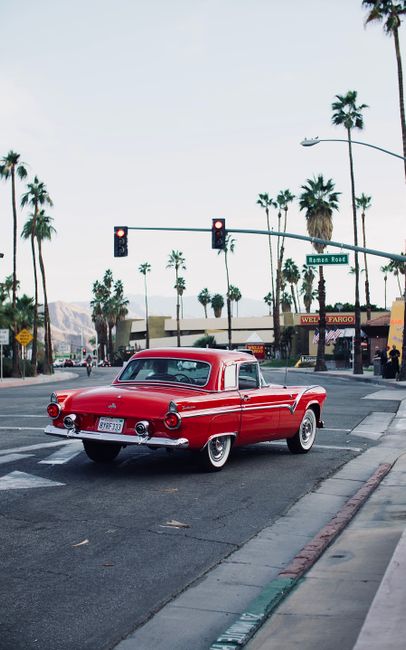
Beyond architecture and landscapes, the vibrant, kitschy charm of Palm Springs itself is a photographic goldmine. The iconic "Hollywood" style sign perched on the hillside, the numerous vintage cars often seen parked outside mid-century homes, and the playful sculptures and murals scattered throughout the city all contribute to its unique character. Capture these details with a discerning eye for composition and color. The bright, often pastel, color palettes prevalent in Palm Springs are ideal for showcasing your Canon’s color reproduction capabilities.
The streets of Palm Springs are often lined with palm trees, their fronds creating striking silhouettes against the sky. Experiment with shooting upwards into the canopy, playing with the interplay of light and shadow. The local shops, particularly those selling vintage items and souvenirs, offer excellent opportunities for still-life photography, capturing the essence of the city’s retro appeal. Your Canon’s ability to capture sharp detail in a variety of lighting conditions will be beneficial in these often dimly lit, eclectic spaces.
For those interested in street photography, Palm Springs offers a relaxed and visually interesting environment. The diverse array of people, from sunbathers by the pool to art enthusiasts browsing galleries, provides ample subjects. Remember to be respectful and discreet when photographing people. Your Canon’s autofocus system, especially if you have a model with advanced tracking capabilities, can be invaluable for capturing candid moments. The late afternoon light can create beautiful, warm tones on people’s skin, adding a timeless quality to your portraits.
When editing your images, your Canon’s RAW files will offer the most flexibility. Utilize software like Adobe Lightroom or Canon’s own Digital Photo Professional to fine-tune colors, adjust exposure, and enhance details. For architectural shots, consider subtly increasing contrast and clarity to bring out the sharp lines and textures. For landscapes, a touch of saturation and vibrancy can make the desert colors pop, but be careful not to overdo it. The goal is to enhance the natural beauty of Palm Springs, not to create an artificial representation.
Essential Canon gear recommendations for a Palm Springs trip include a versatile zoom lens (e.g., 24-70mm), a wide-angle prime (e.g., 35mm or 24mm) for architecture and expansive landscapes, and a telephoto zoom (e.g., 70-200mm) for compressing distant scenes and capturing details. A macro lens is highly recommended for the intricate desert flora. Don’t forget spare batteries, memory cards, and a sturdy tripod. A polarizing filter and neutral density filters can also greatly enhance your landscape and architectural photography.
Remember to research and respect local photography regulations, especially when photographing private residences or within certain parks. Many of the most iconic mid-century homes are private property, and while you can photograph them from the street, always be mindful of privacy. Booking tours of architecturally significant homes can offer exclusive access and unique photographic perspectives.
In conclusion, Palm Springs with a Canon camera is a photographer’s paradise. The city’s unique blend of mid-century modern design, breathtaking desert landscapes, and vibrant cultural scene provides an endless array of photographic opportunities. By understanding light, composition, and utilizing the capabilities of your Canon equipment, you can capture the magic of this iconic destination and create images that truly tell its story. The key is to explore, experiment, and be open to the visual narratives that unfold around you.

