
The Ultimate Guide to Mushroom and Red Wine Pasta: A Culinary Masterpiece
Mushroom and red wine pasta is a dish that transcends mere sustenance; it’s an experience. The earthy depth of perfectly cooked mushrooms, intertwined with the robust complexity of red wine, coated in a rich, often creamy sauce, and clinging to al dente pasta creates a symphony of flavors and textures. This guide will delve into every facet of this exquisite culinary creation, from ingredient selection and preparation techniques to variations, wine pairings, and troubleshooting, ensuring you can confidently recreate and elevate this classic. SEO considerations have been woven throughout, focusing on relevant keywords such as "mushroom pasta recipe," "red wine pasta sauce," "creamy mushroom pasta," "gourmet pasta dishes," "easy mushroom dinner," and "vegan mushroom pasta" to maximize discoverability for home cooks and culinary enthusiasts alike.
The foundation of any outstanding mushroom and red wine pasta dish lies in the quality of its ingredients. For the mushrooms, variety is key to achieving a complex flavor profile. While cremini mushrooms are a ubiquitous and excellent choice, incorporating other types like shiitake, oyster, or even porcini (dried or fresh) will add layers of umami and distinct textural nuances. Shiitake mushrooms offer a chewier texture and a more intense, savory flavor, while oyster mushrooms bring a delicate, slightly sweet note. For a truly gourmet experience, consider using wild mushrooms when in season; chanterelles, morels, or hen-of-the-woods can elevate the dish to unparalleled heights. When selecting fresh mushrooms, look for firm, plump specimens with unblemished caps. Avoid those that appear slimy or bruised. For dried porcini, ensure they are fragrant and a deep, rich brown, indicating good quality and flavor. The storage of mushrooms is crucial; keep them in their original packaging or a paper bag in the refrigerator, allowing for air circulation to prevent moisture buildup and spoilage.
The choice of red wine is equally critical. This isn’t a dish where a cheap, table wine will suffice. The red wine isn’t just a flavoring agent; it’s a primary component of the sauce’s flavor. Opt for a medium-bodied red wine with good acidity and fruity undertones. Merlot, Pinot Noir, or a Sangiovese are excellent starting points. A Cabernet Sauvignon can be used, but its tannins might require longer simmering to soften. Avoid overly sweet or heavily oaked wines, as they can overpower the delicate mushroom flavors. The goal is to complement, not dominate. If cooking for those who abstain from alcohol, a good quality vegetable broth can be used as a substitute, though the depth of flavor will be different. To enhance the richness and complexity when using broth, consider adding a splash of balsamic vinegar or a pinch of mushroom powder.
Pasta selection plays a supporting, yet vital, role. While long pasta shapes like fettuccine, linguine, or tagliatelle are classic pairings, allowing the sauce to cling beautifully, shorter, more robust shapes like rigatoni, penne, or fusilli can also be exceptional, particularly if they have ridges that capture the sauce effectively. The cooking of the pasta should be precise: al dente. This means cooking the pasta until it is tender but still has a slight bite. Overcooked, mushy pasta will detract significantly from the overall dining experience. Reserve a cup of the starchy pasta water before draining; this liquid gold is a secret weapon for emulsifying the sauce, adding creaminess and body without the need for excessive cream or butter.
The preparation of the mushrooms themselves is paramount to unlocking their full potential. Slicing or roughly chopping them ensures a good surface area for browning, which is essential for developing their characteristic umami flavor. Overcrowding the pan during sautéing is a cardinal sin. Mushrooms release water when cooked, and if the pan is too full, they will steam rather than brown, resulting in a rubbery texture and a lack of depth. Cook the mushrooms in batches if necessary, ensuring each batch has ample space to caramelize. A touch of butter and olive oil is the ideal fat combination for sautéing; the butter imparts richness, while the olive oil has a higher smoke point. Don’t be afraid to cook the mushrooms until they are deeply golden brown – this is where the magic happens. Seasoning the mushrooms as they cook, with salt and freshly ground black pepper, helps to draw out their moisture and concentrate their flavors.
The sauce is where the red wine truly shines. The process typically begins with aromatics such as finely chopped onions, shallots, and garlic. Sautéing these until softened and fragrant creates a robust flavor base. Once the aromatics are cooked, the mushrooms are often added back to the pan to meld their flavors. Then comes the red wine. Pouring the wine into the hot pan deglazes it, lifting any browned bits from the bottom – these are packed with flavor. Allow the wine to simmer and reduce significantly, concentrating its essence and cooking off the harsh alcohol. This reduction is key to achieving a deep, rich flavor without any lingering booziness.
For a creamy mushroom and red wine pasta, the introduction of dairy or a dairy-free alternative is common. Heavy cream, half-and-half, or even crème fraîche can be stirred in to create a luscious, velvety sauce. The starchy pasta water, as mentioned earlier, is invaluable here for achieving the perfect consistency. Stirring in a knob of cold butter at the end, a technique known as "mounting," further enhances the sauce’s glossiness and richness. For a vegan mushroom pasta, coconut milk (full-fat), cashew cream, or a blend of vegetable broth and nutritional yeast can create a satisfyingly creamy and flavorful sauce. Nutritional yeast provides a cheesy, umami note that complements the mushrooms beautifully.
Herbs are indispensable for elevating mushroom and red wine pasta. Thyme, rosemary, and sage are particularly well-suited to the earthy notes of mushrooms and the robustness of red wine. Freshly chopped herbs added towards the end of cooking preserve their vibrant flavor and aroma. A touch of fresh parsley or chives as a garnish provides a welcome burst of freshness and color.
Seasoning throughout the cooking process is crucial. Salt and freshly ground black pepper should be added at multiple stages: to the mushrooms, to the aromatics, and to the sauce as it simmers. Tasting and adjusting seasoning is an essential part of any successful recipe. A pinch of red pepper flakes can add a subtle warmth and complexity, enhancing the savory notes.
Variations on this theme are abundant, catering to diverse palates and dietary needs. A "mushroom truffle pasta" can be achieved by adding a drizzle of truffle oil or some fresh truffle shavings at the end. For a "spicy mushroom red wine pasta," increase the red pepper flakes or add a touch of cayenne pepper. A "mushroom and bacon red wine pasta" incorporates crispy pancetta or bacon for an added layer of salty, smoky flavor. For a lighter yet still flavorful option, consider a "mushroom red wine pasta with spinach," wilting in fresh spinach leaves towards the end of cooking.
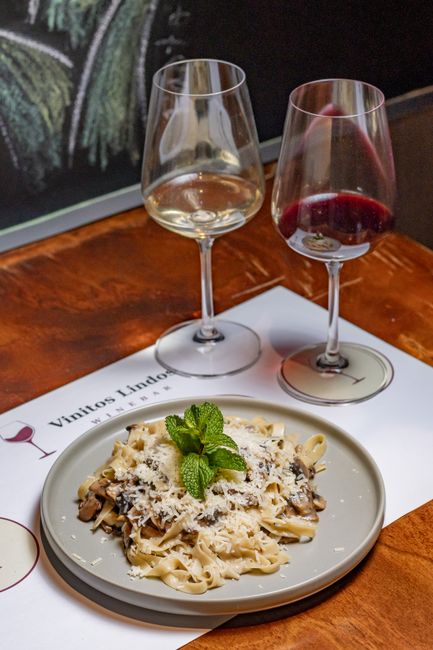
Pairing the right wine with your mushroom and red wine pasta is an integral part of the dining experience. The original red wine used in the sauce is often a good choice for drinking, but other options can also complement the dish. A medium-bodied red like a Chianti Classico, a Barbera d’Asti, or a more earthy Pinot Noir would be excellent. The acidity of these wines cuts through the richness of the sauce, while their fruit and earthy notes harmonize with the mushrooms. For those who prefer white wine, a dry and full-bodied option like a Chardonnay (unoaked or lightly oaked) or a Viognier could work, though red is the traditional and often preferred pairing.
Troubleshooting common issues can help ensure a successful outcome. If the sauce is too thin, it can be thickened by simmering it longer to reduce, or by creating a slurry of cornstarch or flour mixed with a little cold water, then whisking it into the simmering sauce. If the sauce is too thick, thin it with a little more reserved pasta water or a splash of broth. If the flavors seem a bit flat, a squeeze of lemon juice at the end can brighten them up. Overcooked mushrooms can be a disappointment; ensure they are cooked in batches and not overcrowded. The key is achieving that deep, caramelized brown.
Serving mushroom and red wine pasta is an occasion. A sprinkle of grated Parmesan cheese or Pecorino Romano cheese is a classic accompaniment, adding a salty, nutty dimension. Freshly chopped parsley or chives provide a vibrant garnish. A simple side salad with a light vinaigrette can offer a refreshing contrast to the richness of the pasta.
Beyond the classic pasta, this mushroom and red wine sauce is incredibly versatile. It can be served over polenta, gnocchi, or even as a topping for crusty bread for a gourmet bruschetta. It also makes a fantastic filling for savory crepes or as a base for a pot pie. The depth of flavor makes it a truly adaptable sauce.
In conclusion, mushroom and red wine pasta is a dish that rewards attention to detail and quality ingredients. By understanding the nuances of mushroom selection, wine pairing, pasta cooking, and sauce preparation, home cooks can create a truly memorable and delicious meal. This guide has provided a comprehensive framework, packed with SEO-friendly terms, to empower you to master this culinary delight, whether you’re seeking an "easy mushroom dinner" or a "gourmet pasta dish" to impress. Experiment with different mushroom varieties, adjust the wine to your preference, and don’t be afraid to make it your own. The journey to the perfect mushroom and red wine pasta is as rewarding as the final, delectable bite.

