
Arnott’s Tim Tam New Coat: A Deep Dive into the Latest Chocolate Innovation
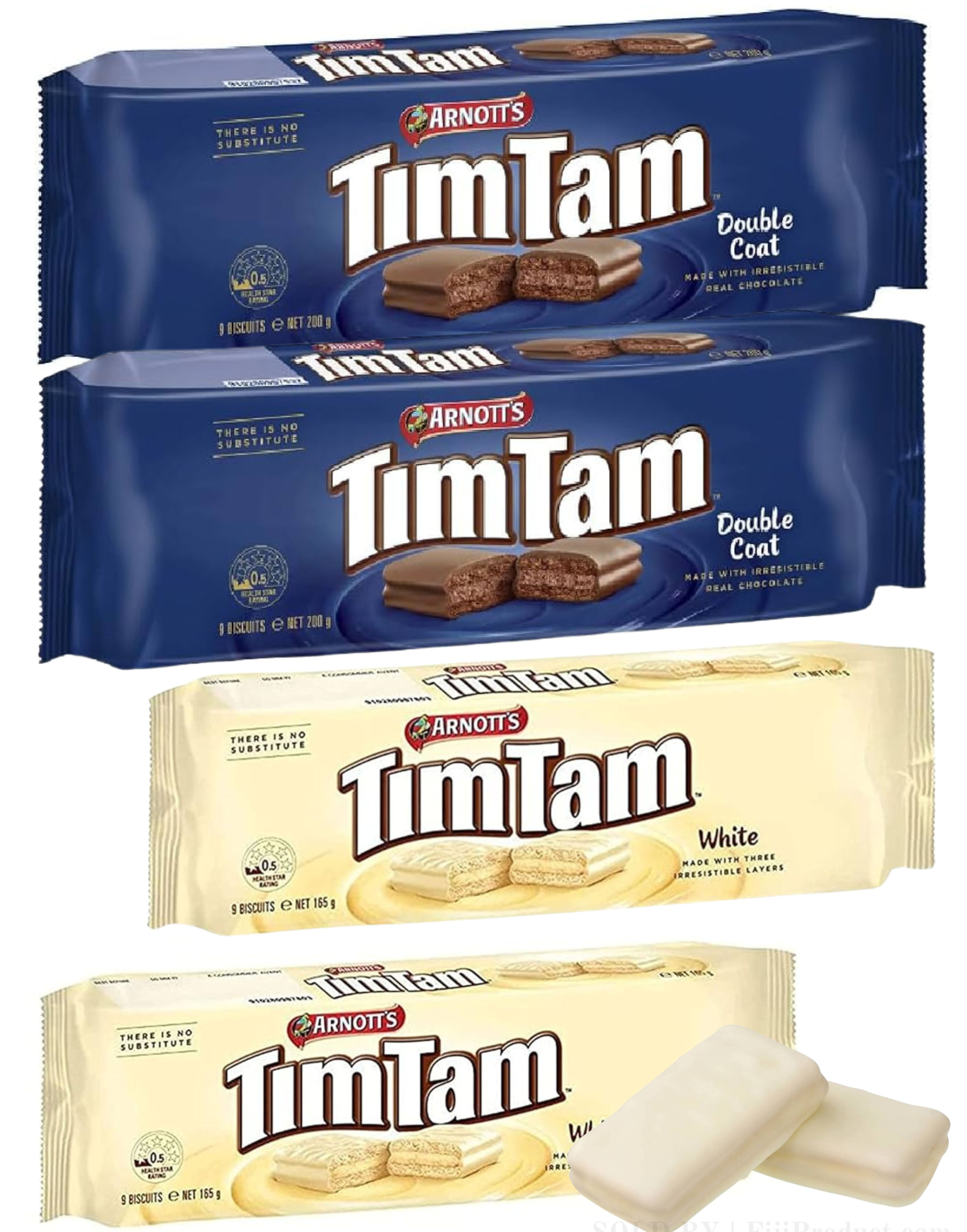
The iconic Australian biscuit, Arnott’s Tim Tam, has once again surprised and delighted consumers with its latest offering: the Tim Tam New Coat. This innovative iteration introduces a sophisticated twist to the beloved two-finger chocolate biscuit, promising a richer, more decadent, and texturally diverse experience. Unlike previous limited-edition flavours, the New Coat isn’t about a radical departure in flavour profile but rather a refinement and elevation of the core Tim Tam essence through a dual-coating technique. This article will explore the nuances of the Tim Tam New Coat, delving into its construction, sensory appeal, market positioning, and the implications of this strategic product development for the Arnott’s brand and the broader biscuit market. Understanding the Tim Tam New Coat requires an appreciation for the established Tim Tam formula and how this new variant builds upon it, aiming to capture both loyalists seeking an upgraded experience and new consumers drawn to premium indulgence.
The fundamental innovation of the Tim Tam New Coat lies in its "dual-coat" or "new coat" application. Traditionally, Tim Tam biscuits feature a single layer of chocolate coating their exterior. The New Coat variant introduces a double layer of chocolate, but with a critical distinction: the two layers are of different chocolate types. This is the key differentiator that elevates it beyond a simple thicker coating. While specific formulations can vary slightly by region or promotional period, the prevailing understanding of the Tim Tam New Coat involves a primary layer of milk chocolate, mirroring the classic Tim Tam, and an outer layer of a darker, more intense chocolate. This layering is meticulously designed. The inner milk chocolate layer provides the familiar sweetness and creamy texture that Tim Tam aficionados expect, acting as the bridge between the biscuit and the outer chocolate. The outer layer, typically a richer, more sophisticated dark chocolate, introduces a subtle bitterness and a more complex cocoa flavour. This contrast is not merely about taste; it also impacts the textural experience. The different melting points and densities of the two chocolate types contribute to a more nuanced mouthfeel, with the outer layer offering a firmer initial snap that gradually melts into the softer milk chocolate beneath. This is a carefully calculated engineering of chocolate, moving beyond a single monolithic coating to a multi-dimensional sensory experience.
The sensory appeal of the Tim Tam New Coat is where its true innovation shines. The primary objective is to deliver a heightened sense of indulgence. The double chocolate coating immediately communicates a premium positioning. Visually, the biscuit often presents with a slightly more matte finish due to the dark chocolate outer layer, hinting at its richer composition. The aroma is more pronounced, with the deeper notes of cocoa from the dark chocolate augmenting the sweet scent of milk chocolate. Upon biting, the difference is palpable. The initial crunch is firmer than a standard Tim Tam, followed by the characteristic soft biscuit and creamy filling. However, the melting profile is where the duality truly asserts itself. The dark chocolate melts slower than the milk chocolate, creating a lingering, bittersweet aftertaste that complements the sweet milk chocolate and biscuit. This creates a more sophisticated and prolonged chocolate experience. For consumers, this translates to a perceived higher quality and a more satisfying treat. It moves the Tim Tam from a simple everyday biscuit to a more considered indulgence, akin to a small luxury. This is a deliberate strategy by Arnott’s to cater to evolving consumer preferences for premiumisation within snack categories.
From a market positioning perspective, the Tim Tam New Coat represents a strategic move to reinforce the brand’s leadership in the premium biscuit segment. Arnott’s has a long history of flavour innovation with Tim Tam, ranging from classic variations like Mint and Double Coat to more experimental flavours. However, the New Coat distinguishes itself by focusing on enhancing the fundamental chocolate experience rather than introducing an entirely novel flavour. This appeals to a broad spectrum of consumers. For existing Tim Tam loyalists, it offers a familiar yet superior version of their beloved biscuit, a worthy upgrade that justifies a slightly higher price point. For consumers who might find the classic Tim Tam a little too sweet or simplistic, the introduction of a darker, more complex chocolate layer provides a more mature and sophisticated option without alienating them from the Tim Tam brand. This dual-appeal is crucial for extending the Tim Tam’s market reach and preventing brand stagnation. It also serves as a defence against increasing competition in the premium biscuit and confectionery aisles from both local and international brands. By continuously innovating within its core product, Arnott’s ensures Tim Tam remains relevant and desirable.
The development and introduction of the Tim Tam New Coat also highlight Arnott’s commitment to product innovation and understanding consumer trends. The trend towards premiumisation in the food industry is well-documented, with consumers increasingly willing to spend more on products that offer enhanced quality, flavour, and sensory experiences. The New Coat directly taps into this trend. Furthermore, the success of chocolate-based products with complex flavour profiles and layered textures suggests that consumers are becoming more discerning in their palates. Arnott’s research and development team likely conducted extensive testing to achieve the perfect balance between the two chocolate layers, ensuring they complement rather than overpower each other. The choice of specific chocolate types—a classic milk chocolate for familiarity and a richer dark chocolate for sophistication—demonstrates a nuanced understanding of consumer preferences. This approach is less about novelty for novelty’s sake and more about delivering a demonstrably superior product that meets identified consumer desires for elevated indulgence.
The manufacturing process for the Tim Tam New Coat would require meticulous adjustments to the existing Tim Tam production lines. While the biscuit base and crème filling remain consistent with the classic Tim Tam, the chocolate coating stage is significantly more complex. Automated enrobing machines would need to be calibrated to apply two distinct layers of chocolate with precise control. This could involve sequential dipping or spraying processes, ensuring the correct type and thickness of each chocolate layer are applied in the designated order. Maintaining consistent temperatures and flow rates for both milk and dark chocolate would be critical to achieve the desired texture and adhesion. Quality control measures would also be intensified, with increased scrutiny on the uniformity of the dual coating, the absence of defects such as air bubbles or uneven distribution, and the accurate flavour profile of each layer. The logistical challenge of sourcing and managing two different types of chocolate, each with its own specific storage and handling requirements, would also be a consideration for Arnott’s supply chain.
The marketing and communication surrounding the Tim Tam New Coat would have been crucial in conveying its unique selling proposition. Emphasizing the "new coat" and the "dual chocolate" aspect would be key. Visuals in advertising would likely showcase the distinct layers of chocolate, perhaps through cross-section imagery or close-up shots highlighting the texture. Messaging would focus on keywords such as "indulgence," "decadence," "rich," "sophisticated," and "elevated." Comparative advertising, subtly hinting at the superior chocolate experience compared to standard offerings, might also be employed. The launch of a premium variant like the New Coat often allows for a higher price point, which in turn can reinforce the perception of premium quality. This strategy is common across the food and beverage industry, where a higher price tag is often associated with superior ingredients and craftsmanship.
Looking ahead, the success of the Tim Tam New Coat could pave the way for further innovation in layered chocolate biscuit products. Arnott’s may explore different combinations of chocolate types, or even introduce variations in the biscuit or crème filling to complement the dual-coating. The concept of a "new coat" could be adapted to other Tim Tam flavours, offering a premium version of existing popular variants. For instance, a "Mint New Coat" could feature a dark chocolate outer layer with a mint-infused milk chocolate inner layer, or vice versa. The potential for layering extends beyond just chocolate; one could envision other confectionery elements being integrated into the coating process. This opens up a new frontier for Tim Tam product development, moving beyond simple flavour additions to more complex structural and textural innovations. The Tim Tam New Coat is more than just a new flavour; it represents a significant evolution in the Tim Tam brand’s approach to product development, demonstrating a commitment to sophisticated indulgence and continuous refinement of its iconic offering. It is a testament to the enduring appeal of a classic brand that isn’t afraid to innovate and push the boundaries of what a biscuit can be.

