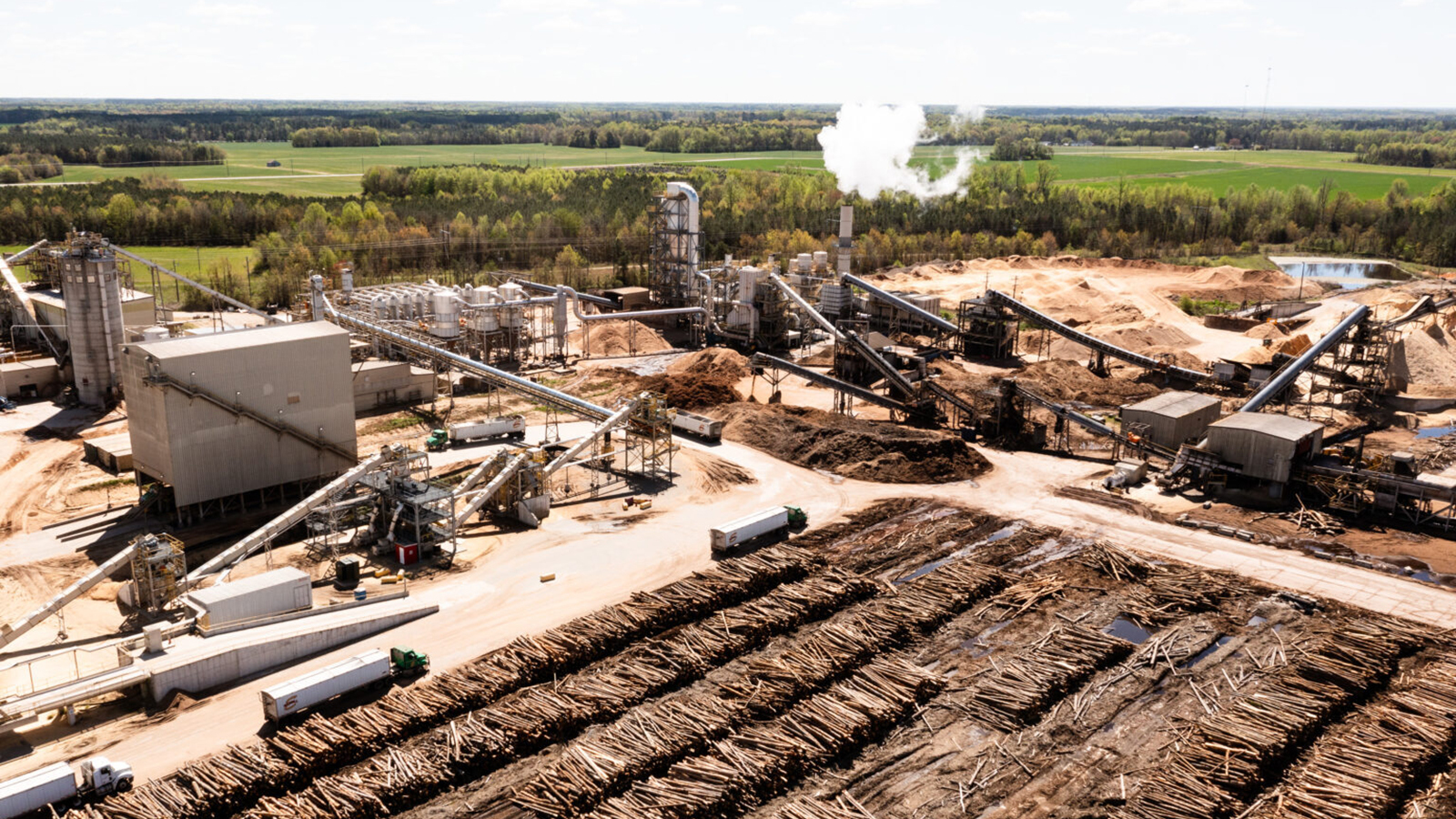
In the small town of Faison, North Carolina, Ruby Bell, a retired educator, found herself transformed from a quiet resident into a frontline environmental advocate. The catalyst was the arrival of a massive wood pellet production facility owned by Enviva Biomass, the world’s largest producer of wood pellets. While the company marketed the facility as a state-of-the-art contribution to the global green energy transition, the reality for those living in its shadow has been marked by dust, noise, and persistent health concerns. Bell’s experience is not an isolated incident; it represents a growing friction between international climate policies and the localized environmental realities of the American South.
The turning point for Bell occurred after an afternoon spent visiting neighbors to discuss the impacts of the facility. Upon returning home, she experienced acute physical symptoms: burning eyes, a running nose, and constant sneezing. It was only then that she noticed her clothing was coated in a fine layer of industrial dust from merely sitting outside for twenty minutes. This realization—that the air itself had become a vehicle for industrial waste—is what drives the grassroots movement now challenging the biomass industry’s presence in North Carolina.
The Evolution of Grassroots Advocacy in Sampson County
The struggle in Faison gained a significant legal and organizational ally in Sherri White-Williamson. After a long career with federal agencies in Washington, D.C., White-Williamson returned to her home state of North Carolina with a mission to address the industrial pollution disproportionately affecting rural communities. At the age of 63, she enrolled in Vermont Law School, believing that legal expertise was the most potent tool for systemic change. Upon graduation, she founded the Environmental Justice Community Action Network (EJCAN).
EJCAN was initially established to combat groundwater contamination and air quality degradation caused by the state’s intensive industrial hog farming and its massive landfills. However, the rapid expansion of the wood pellet industry soon became a primary focus. White-Williamson’s approach is rooted in community empowerment, providing residents with the scientific data and legal resources necessary to advocate for their own health and property rights. The organization emphasizes that environmental justice is most effective when led by those directly impacted by the pollution.
A Timeline of the Biomass Boom: From Brussels to the Carolina Woods
To understand why North Carolina’s forests are being converted into fuel for European power plants, one must look back to the late 2000s. In 2009, the European Commission implemented a landmark climate and energy policy known as the "20-20-20" targets. This mandate required a 20% reduction in greenhouse gas emissions, a 20% increase in renewable energy consumption, and a 20% improvement in energy efficiency by the year 2020.
Under these regulations, biomass—specifically wood pellets—was classified as a renewable energy source on par with wind and solar power. The logic was based on the "carbon neutrality" theory: the carbon dioxide released during the burning of wood would eventually be reabsorbed by new trees planted to replace the old ones. This policy created a massive, subsidized market for wood pellets, and the American South, with its vast private timberlands and relatively lax environmental regulations, became the primary global supplier.
Enviva Biomass established its footprint in North Carolina over a decade ago, promising economic revitalization and hundreds of high-paying jobs for rural counties. However, local residents and economic analysts note that these promises have largely gone unfulfilled. Instead of a localized economic boom, communities like Faison have inherited increased heavy truck traffic, constant industrial noise, and a measurable decline in air quality.
Scientific Contradictions and the Myth of Carbon Neutrality
The central promise of the biomass industry is its environmental benefit, yet a growing body of scientific research suggests that the carbon accounting used to justify wood pellets is fundamentally flawed. Researchers at the Massachusetts Institute of Technology (MIT) and other institutions have calculated that burning wood pellets actually emits more carbon dioxide per unit of energy produced than burning coal.
The "carbon neutral" label relies on a timeframe that many climate scientists find problematic. While it is true that trees regrow, it can take between 40 and 100 years for a new forest to sequester the same amount of carbon that was released when a mature forest was cut and burned. In the context of urgent climate targets, this "carbon debt" represents a significant net increase in atmospheric CO2 during the very years when emissions reductions are most critical.

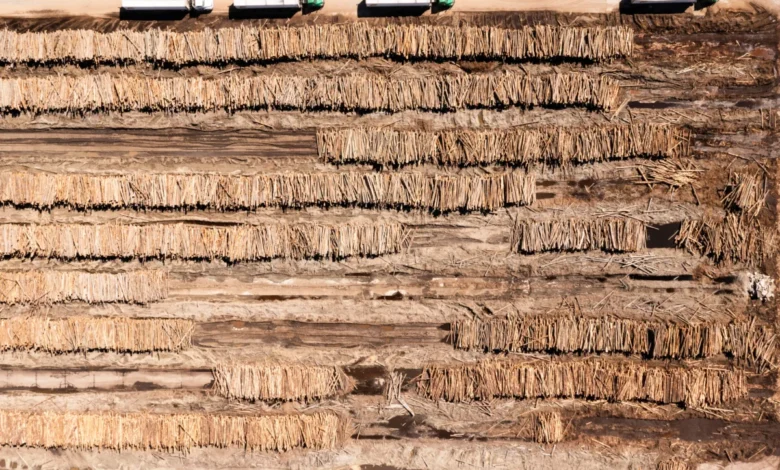
Furthermore, groups such as the Dogwood Alliance estimate that Enviva’s facilities in North Carolina alone consume approximately 50,000 acres of forest annually. While the industry maintains that it only uses "residual" wood—such as tree limbs and sawdust—investigative reporting and drone photography from the Southern Environmental Law Center (SELC) have documented the clear-cutting of whole, mature hardwood forests to feed the pellet mills. The loss of these forests not only reduces carbon sequestration capacity but also destroys natural flood barriers, making rural communities more vulnerable to the intensifying hurricanes and storms associated with climate change.
Public Health and the Toxic Load on Vulnerable Communities
The industrial process of turning raw timber into uniform pellets is chemically and mechanically intensive. Trees are debarked, chipped, dried in massive kilns, and then pressed under high heat. This process releases a cocktail of pollutants, including:
- Particulate Matter (PM2.5): Fine dust that can penetrate deep into the lungs and enter the bloodstream.
- Volatile Organic Compounds (VOCs): Chemicals that contribute to smog and have been linked to various respiratory and neurological issues.
- Carbon Monoxide and Nitrogen Oxide: Byproducts of the high-heat drying process that further degrade local air quality.
Danielle Purifoy, a professor of geography and environment at the UNC Gillings School of Public Health, points out that these pollutants are particularly dangerous for populations with pre-existing conditions like asthma or chronic obstructive pulmonary disease (COPD). The constant presence of industrial dust forces many residents to wear masks even while indoors and prevents them from using outdoor spaces like porches or gardens—spaces that are culturally and socially vital in rural Southern communities.
Data analysis has revealed a troubling pattern in the siting of these facilities. A study published in environmental journals found that wood pellet plants are 50% more likely to be located in "vulnerable" communities—those characterized by high poverty rates and a large percentage of residents of color. These communities often already host other polluting industries, leading to a "cumulative impact" where the total toxic load exceeds what any single regulation accounts for.
Regulatory Oversight and Community Response
Regulatory agencies have faced criticism for their handling of the biomass industry’s expansion. In North Carolina, the Department of Environmental Quality (NCDEQ) is responsible for issuing air quality permits. Despite several citations issued to Enviva for exceeding toxin emission limits, the agency granted a request in 2019 to expand production capacity at the Sampson County facility. This decision was made despite vocal opposition from local residents and environmental advocates during public hearings.
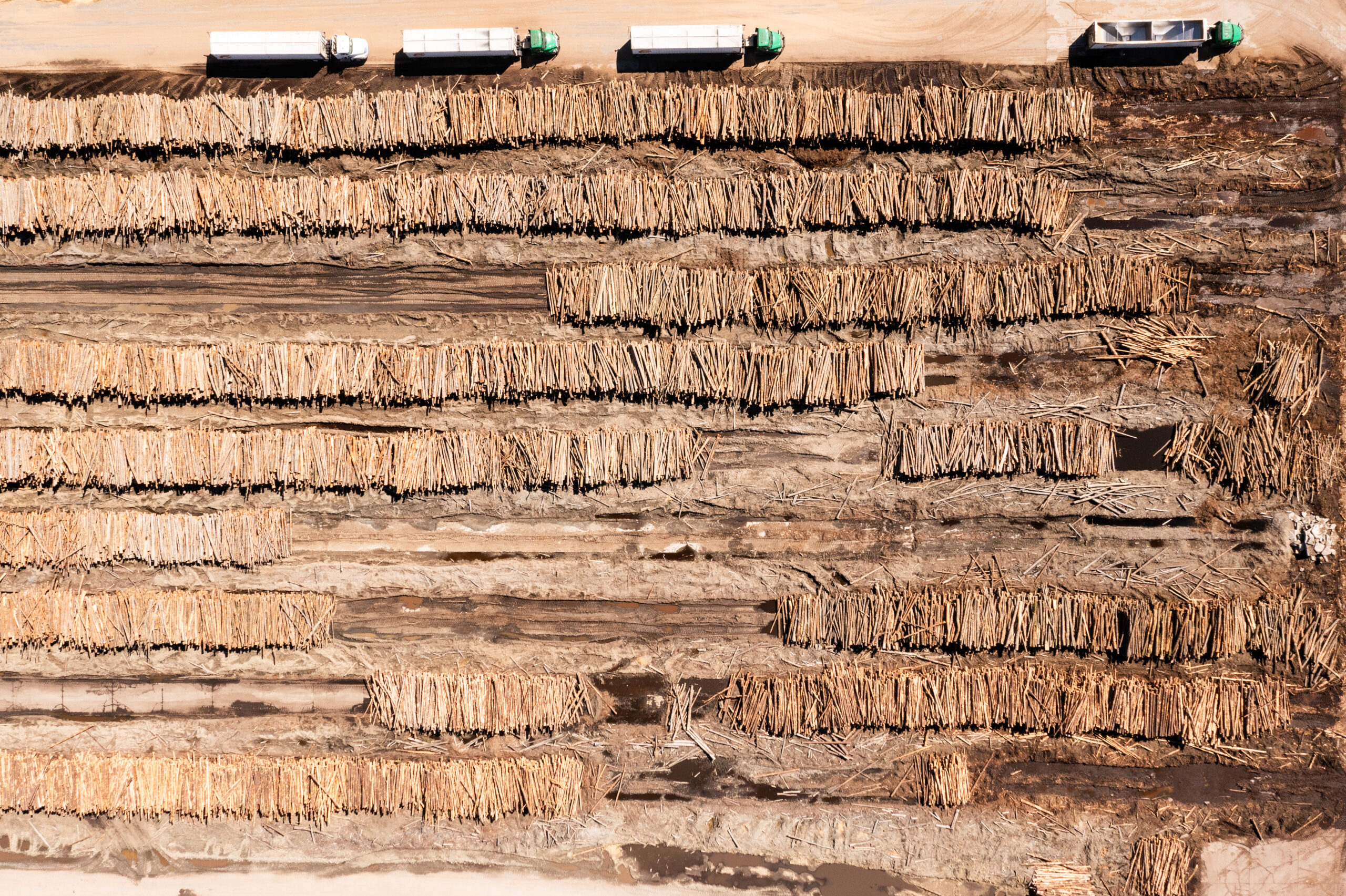
In response to what they view as a failure of official oversight, the Southern Environmental Law Center recently led a coalition to gather primary data on the lived experiences of residents near these plants. The resulting report provided a stark quantitative look at the industry’s impact:
- Quality of Life: Residents reported needing to wash their cars and homes almost daily to remove layers of wood dust.
- Noise Pollution: The 24-hour operation of the plants and the constant flow of heavy timber trucks have disrupted sleep patterns and decreased property values.
- Health Anxiety: A significant majority of survey respondents expressed deep concern over the long-term respiratory health of their children and elderly family members.
Jasmine Washington, a staff attorney for the SELC, noted that the survey confirmed what advocates had long suspected: the biomass industry extracts natural resources and community health from the American South to provide "green" energy credits to wealthy European nations.
Broader Implications and the Path Forward
The situation in North Carolina is a microcosm of a global debate over the definition of renewable energy. As the European Union and other jurisdictions revisit their energy policies, there is increasing pressure to remove primary forest biomass from the list of subsidized renewables. Critics argue that as long as these subsidies exist, companies like Enviva will have a financial incentive to continue the large-scale harvesting of American forests.
For Sherri White-Williamson and EJCAN, the goal is not just to oppose a single industry but to shift the power dynamic in rural North Carolina. By documenting harm and building collective power, they aim to ensure that "the short end of the stick" is no longer the default for communities without political or economic influence.
The story of Ruby Bell and the dust on her porch serves as a reminder that the global energy transition is not a victimless process. As the world seeks to move away from fossil fuels, the case of North Carolina’s wood pellet industry highlights the necessity of ensuring that "green" solutions do not come at the expense of the very environments and communities they are intended to protect. The fight for environmental justice in Faison continues, driven by the belief that clean air and healthy forests should not be traded for industrial profits or flawed carbon accounting.