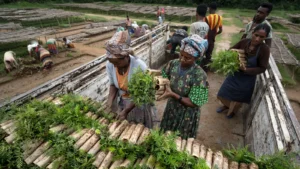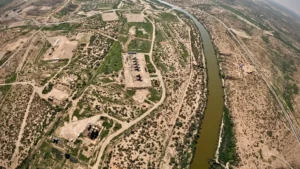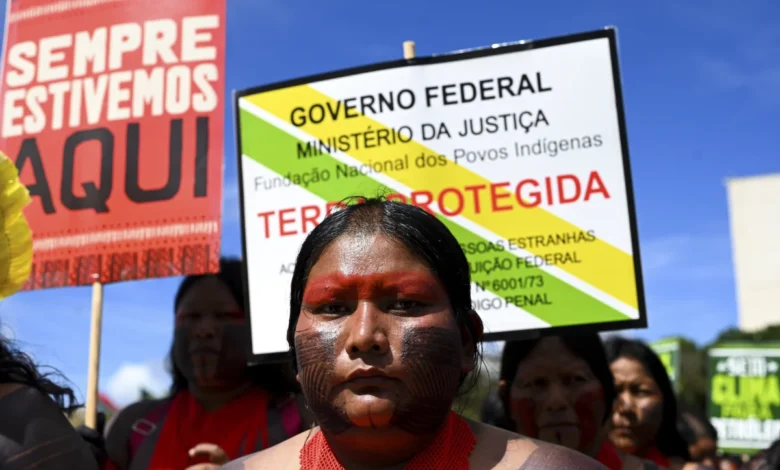
As the global community grapples with the accelerating impacts of climate change, a paradigm shift is occurring within the echelons of climate science and international policy. Long-standing assumptions regarding the preservation of the world’s most biodiverse regions are being challenged by new evidence highlighting the indispensable role of Indigenous stewardship. A comprehensive study by Conservation International, supported by decades of anecdotal evidence and emerging satellite data, asserts that the health of the planet’s most vital ecosystems is not a product of their remoteness or low population density, but rather the direct result of intentional, millennia-old management practices by Indigenous peoples. Despite this, Indigenous leaders continue to face significant barriers to climate finance, legal recognition, and a seat at the negotiating table, creating a dangerous gap between scientific recognition and political action.
The Myth of the Untouched Wilderness
For decades, global conservation strategies were often built upon the "fortress conservation" model—the idea that nature is best preserved when humans are removed from the landscape. This perspective frequently categorized Indigenous lands as "wild" or "remote," implying their ecological richness was an accidental byproduct of being untouched by civilization. However, the research led by Sushma Shrestha, an Indigenous Newar from Nepal and lead author of the Conservation International study, systematically dismantles this misconception.
The study reveals that the high levels of carbon storage and biodiversity found on Indigenous lands are the fruit of active stewardship. Traditional knowledge systems, community protocols, and cultural spiritualism are not merely anthropological curiosities; they are functional toolkits for environmental management. By viewing these lands as "empty," policymakers have historically overlooked the human labor and intellectual heritage required to maintain them. Shrestha emphasizes that the survival of humanity is now inextricably linked to these contributions, noting that the carbon sequestered within Indigenous-managed forests is a primary defense against catastrophic atmospheric warming.
Methodology and Global Scope of the Research
The Conservation International study utilized a dual approach, combining a narrative report with a rigorous peer-reviewed analysis. Researchers interviewed 49 Indigenous leaders across six continents, representing 43 distinct communities. The geographical scope was vast, encompassing the dense canopies of the Amazon rainforest, the expansive savannas of East Africa, and the vulnerable coastlines of the Pacific Islands.
The findings were strikingly consistent across diverse biomes. Approximately 96 percent of respondents reported that their communities set aside specific areas for "special uses," such as spiritual ceremonies or sacred groves. While these designations are cultural in nature, their ecological impact is profound: they act as de facto protected areas where resource extraction is strictly prohibited, allowing ecosystems to remain resilient and undisturbed. This "sacred conservation" provides a blueprint for habitat connectivity and species preservation that often exceeds the efficacy of state-run national parks.
A Chronology of Exclusion and the Rise of Indigenous Advocacy
The struggle for the recognition of Indigenous rights in climate policy has followed a long and arduous timeline. While Indigenous peoples have managed their lands for thousands of years, their formal inclusion in global governance is a relatively recent phenomenon.
- 2007: The United Nations General Assembly adopts the Declaration on the Rights of Indigenous Peoples (UNDRIP), establishing a universal framework of minimum standards for the survival, dignity, and well-being of Indigenous peoples.
- 2015: The Paris Agreement acknowledges that climate action should respect the rights of Indigenous peoples, yet it stops short of creating a binding mechanism for their inclusion in National Determined Contributions (NDCs).
- 2021: At COP26 in Glasgow, a group of governments and philanthropic organizations pledged $1.7 billion to support Indigenous and local communities’ forest tenure and stewardship. However, subsequent reports have shown that only a fraction of these funds has reached Indigenous-led organizations directly.
- 2024: The Conservation International study adds scientific weight to the argument that land rights are a prerequisite for climate stability, coinciding with increased calls for "direct access" funding models.
This chronology illustrates a growing rhetorical commitment to Indigenous roles that has yet to be matched by structural changes in how climate resilience funding is distributed or how international law is enforced.
Escalating Threats: Climate Change and Extractive Encroachment
The study highlights a grim irony: those who have contributed the least to global carbon emissions and have done the most to mitigate them are bearing the brunt of the climate crisis. All 43 surveyed communities reported experiencing severe climate impacts, with drought and extreme weather patterns cited as the most immediate threats to their traditional way of life.
Beyond environmental shifts, 61 percent of the leaders interviewed identified extractive industries—including industrial mining, commercial logging, and large-scale agriculture—as existential threats. These incursions do more than just destroy physical landscapes; they disrupt the transmission of traditional knowledge. When a community is displaced from its ancestral land, the link between the people and the ecosystem is severed, leading to a rapid decline in the ecological health of the territory.
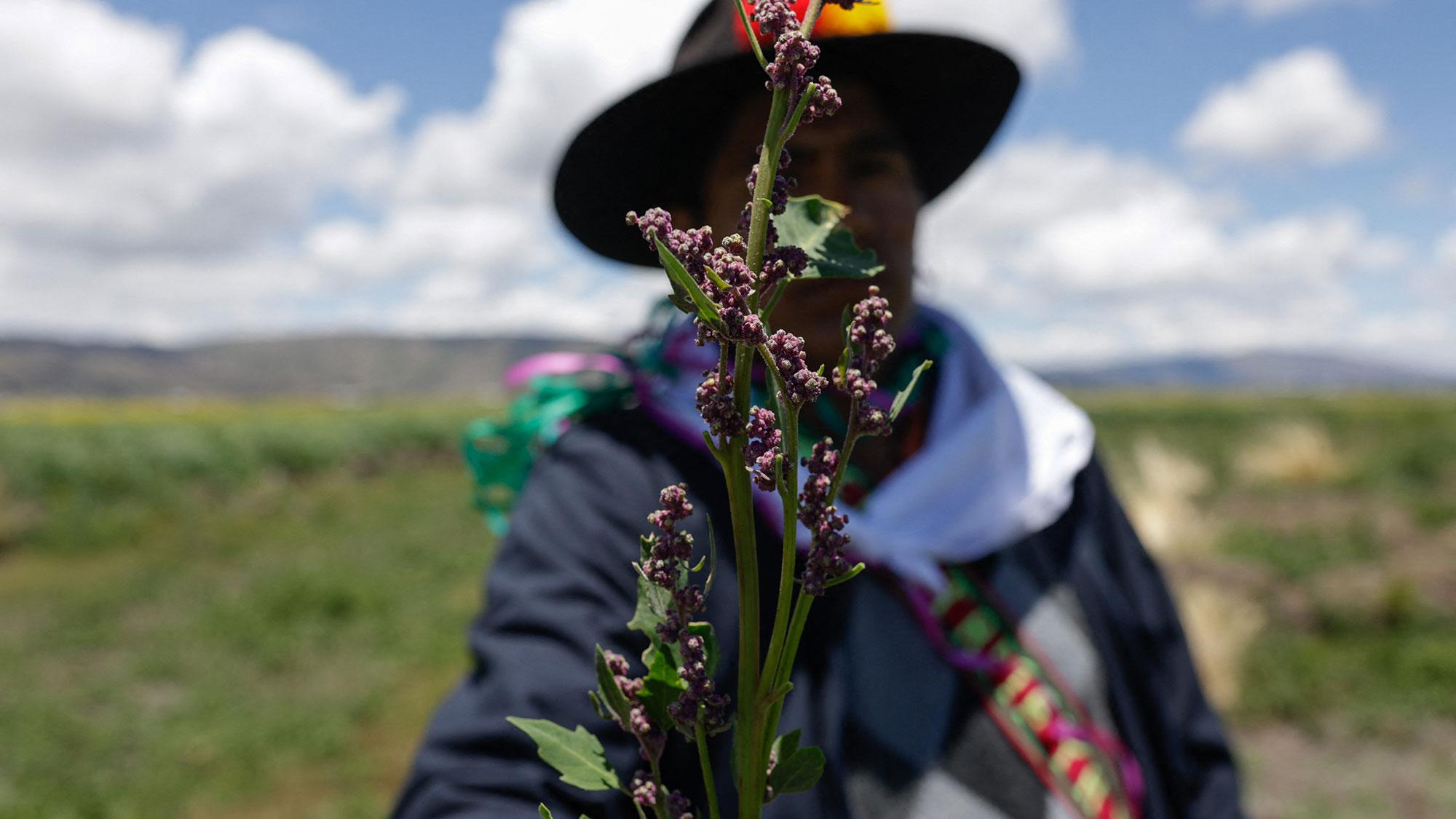
In many regions, Indigenous groups have turned to "community monitoring" or territorial patrols to defend their borders from illegal logging and mining. In countries like Bolivia, Mexico, and the Philippines, these grassroots enforcement teams are often the only line of defense against environmental degradation, yet they frequently operate without legal protection or financial support from their respective national governments.
Case Studies in Stewardship: Kichwa and Tacana Practices
The research provides specific examples of how traditional protocols translate into measurable environmental benefits. In Ecuador, the Kichwa people have long practiced selective hunting. By restricting the hunting of female tapirs and other keystone species, they ensure the long-term stability of animal populations, which in turn facilitates seed dispersal and maintains forest density.
Similarly, in the Bolivian Amazon, the Tacana people enforce strict regulations regarding riparian zones. By prohibiting the clearing of trees along riverbanks, they prevent soil erosion and maintain water quality, protecting both their own water supply and the broader watershed. These localized practices, when aggregated across the hundreds of millions of hectares under Indigenous management globally, represent one of the most effective and low-cost climate mitigation strategies available to the world.
The Financial Gap and the Call for Legal Autonomy
A recurring theme in the testimony of Indigenous leaders is the lack of direct financial support. Currently, the majority of climate finance is channeled through large international NGOs or national governments, with very little reaching the grassroots level. This "middleman" structure often results in projects that are culturally inappropriate or fail to address the specific needs of the community.
Hindou Oumarou Ibrahim, an Indigenous Mbororo leader from Chad and former chair of the United Nations Permanent Forum on Indigenous Issues, argues that the protection of Indigenous knowledge is impossible without the protection of the people themselves. "To protect our knowledge, there is an urgent need to recognize us, and our rights and lands must be secured," Ibrahim stated in the report.
Indigenous advocates are calling for a three-pronged approach to reform:
- Direct Access Funding: Bypassing bureaucratic hurdles to ensure resources reach the communities on the front lines.
- Legal Land Strengthening national laws to grant Indigenous peoples permanent, irrevocable rights to their ancestral territories.
- Human Rights Enforcement: Holding corporations and governments accountable for violations of Indigenous sovereignty through international courts.
Analysis: The Broader Implications for Global Climate Targets
The implications of this research are clear: global climate targets, such as the goal to limit warming to 1.5 degrees Celsius, are likely unattainable without the active participation and leadership of Indigenous peoples. Indigenous lands currently hold an estimated 80 percent of the world’s remaining biodiversity and a significant portion of its terrestrial carbon. If these lands are lost to extraction or climate-induced degradation, the resulting "carbon bomb" could render other mitigation efforts—such as the transition to renewable energy—insufficient.
Furthermore, the study suggests that the "30 by 30" initiative—the global goal to protect 30 percent of the planet’s land and oceans by 2030—must be centered on Indigenous-led conservation. Expanding state-managed protected areas at the expense of Indigenous autonomy would not only be a human rights violation but an ecological mistake, as community-managed lands often show lower rates of deforestation than government-run parks.
As Sushma Shrestha concluded, the current era requires "all hands on deck." The world can no longer afford to treat Indigenous knowledge as a secondary resource. It is, instead, a primary defense mechanism for a planet in crisis. The transition from acknowledging Indigenous value to enforcing Indigenous rights remains the most critical hurdle in the global fight for a sustainable future.