Shower Gels vs. Shower Oils: A Comprehensive, SEO-Friendly Deep Dive into Skin Benefits
The debate between shower gels and shower oils for optimal skin health is a nuanced one, with each formulation offering distinct advantages and disadvantages. Understanding the core composition and cleansing mechanisms of both is crucial for making an informed choice that aligns with your individual skin type and concerns. Shower gels, characterized by their gel-like consistency, are primarily water-based. Their cleansing action is typically achieved through the use of surfactants, which are agents that help to lift dirt, oil, and impurities from the skin’s surface. Common surfactants found in shower gels include sodium lauryl sulfate (SLS), sodium laureth sulfate (SLES), and coco-glucoside. While effective at removing grime, these surfactants, particularly SLS and SLES, can be quite potent and, in some individuals, may strip the skin of its natural oils. This can lead to dryness, irritation, and a compromised skin barrier. The lather produced by shower gels is a direct result of these surfactants interacting with water, creating the airy foam that many associate with cleanliness. The viscosity of a shower gel is often achieved through the addition of thickeners, such as carbomers or xanthan gum, and preservatives are essential to maintain product stability and prevent microbial growth. The overall experience of using a shower gel is often perceived as refreshing and invigorating, with a wide array of fragrances and active ingredients available to cater to diverse preferences and skincare needs.
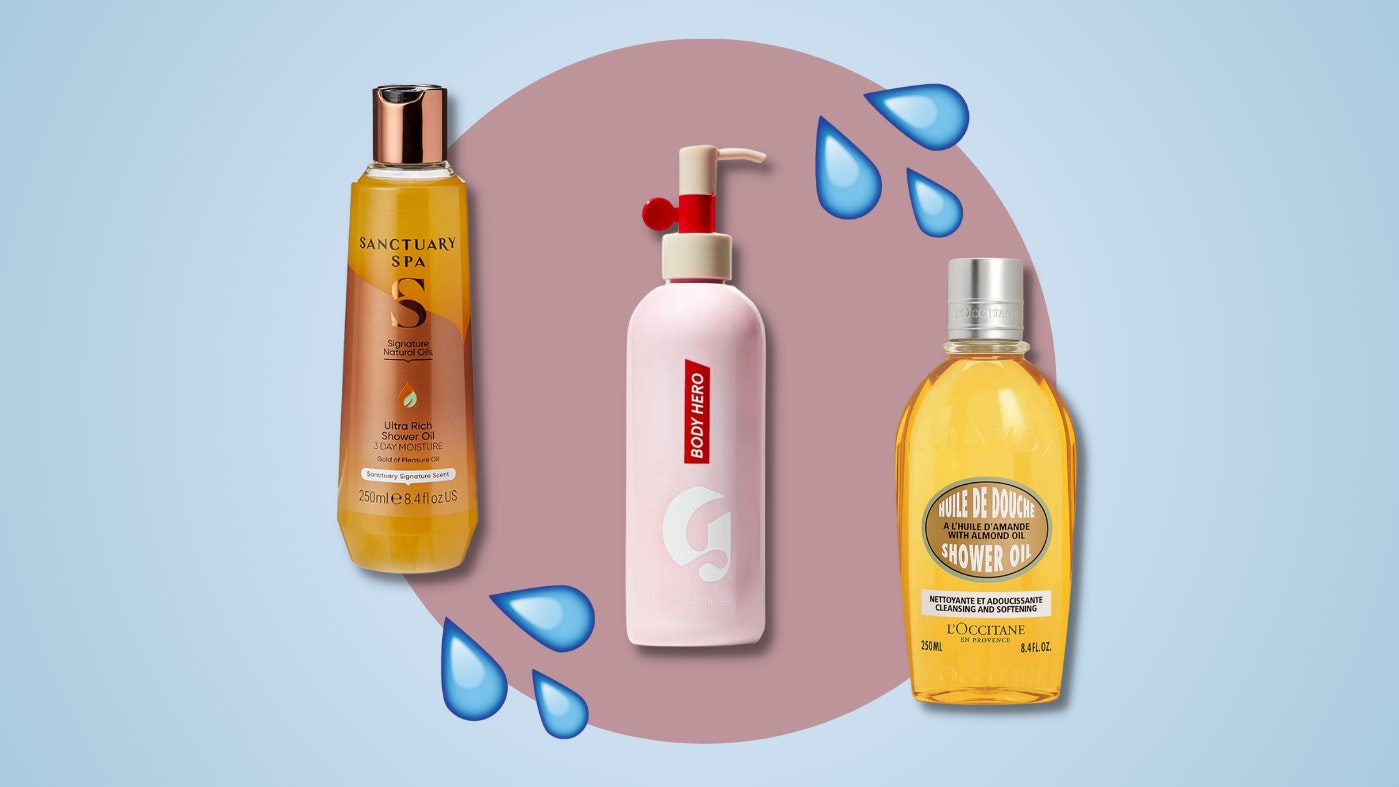
Shower oils, on the other hand, are formulated with a higher concentration of oils and emulsifiers. Their cleansing mechanism differs significantly from shower gels. Instead of relying on strong surfactants to create lather and lift impurities, shower oils utilize the principle of "like dissolves like." The oils in the formulation attract and dissolve sebum (the skin’s natural oil), makeup, sunscreen, and other oil-soluble impurities. When water is added, the emulsifiers present in the shower oil enable the oils to disperse into a milky emulsion, allowing them to be rinsed away easily without leaving a greasy residue. Common base oils include plant-derived oils such as sunflower oil, jojoba oil, almond oil, or argan oil, known for their emollient and nourishing properties. Emulsifiers, such as polysorbates, are critical to the functionality of shower oils, facilitating the transformation from oil to a water-soluble emulsion. The absence of harsh surfactants in many shower oil formulations makes them inherently gentler on the skin. This gentleness is a key differentiator and appeals to individuals with sensitive, dry, or eczema-prone skin. The moisturizing and conditioning benefits are also more pronounced with shower oils, as the inherent oil content helps to replenish the skin’s lipid barrier during the cleansing process. The lather, if any, is typically light and creamy, a stark contrast to the abundant foam often produced by shower gels.
For individuals with dry or sensitive skin, shower oils generally present a superior option. The primary reason for this is their inherent moisturizing and emollient properties. Dry skin is characterized by a deficiency in natural oils and a compromised skin barrier, which leads to increased transepidermal water loss (TEWL) and a feeling of tightness, flakiness, and discomfort. Shower gels, particularly those containing strong sulfates, can exacerbate dryness by stripping away the remaining natural oils that the skin desperately needs. This can create a vicious cycle of dryness and irritation. Shower oils, by contrast, actively replenish the skin’s moisture levels during cleansing. The beneficial oils in their formulation can penetrate the skin, softening it, improving its elasticity, and reinforcing the skin barrier. This not only cleanses but also nourishes, leaving the skin feeling supple and hydrated. For those with sensitive skin, the potential for irritation from harsh surfactants in shower gels is a significant concern. Ingredients like SLS can disrupt the skin’s pH balance and damage the protective outer layer, leading to redness, itching, and inflammation. Shower oils, with their gentler formulations and lack of aggressive cleansing agents, are less likely to trigger these adverse reactions. Their ability to cleanse without stripping makes them ideal for maintaining the integrity of a sensitive skin barrier.
However, for individuals with oily or acne-prone skin, the choice between shower gels and shower oils requires a more careful consideration. While the idea of an oil-based cleanser might seem counterintuitive for oily skin, the right formulation can be highly beneficial. The principle of "like dissolves like" is particularly relevant here. Sebum, the excess oil produced by the skin, can trap dirt, bacteria, and dead skin cells, leading to clogged pores and breakouts. Shower oils can effectively dissolve this excess sebum without over-drying the skin. Over-drying, often caused by harsh cleansers, can paradoxically trigger the skin to produce even more oil in an attempt to compensate, thus exacerbating the problem. Therefore, a well-formulated shower oil can help to regulate oil production by thoroughly removing the impactions without compromising the skin’s natural moisture balance. Conversely, some shower gels are specifically designed for oily or acne-prone skin. These often contain salicylic acid, tea tree oil, or other ingredients known for their antibacterial and pore-cleansing properties. They are formulated to effectively remove excess oil and impurities that contribute to acne. The key difference lies in their approach: shower oils aim to dissolve and lift oil-based impurities gently, while targeted shower gels aim for a more robust removal of sebum and debris, often with added blemish-fighting agents. The effectiveness of a shower gel for oily skin depends heavily on its surfactant system and the presence of specific active ingredients.
The pH balance of the skin is a critical factor in maintaining a healthy skin barrier and preventing various skin issues. The skin’s natural pH is slightly acidic, typically between 4.5 and 5.5. This acidity plays a vital role in protecting against bacterial invasion and maintaining the skin’s natural hydration. Many traditional shower gels, especially those with high concentrations of sulfates, can have an alkaline pH. When an alkaline product is used on the skin, it disrupts this natural acidic mantle. This disruption can lead to increased dryness, irritation, and a weakened skin barrier, making the skin more susceptible to environmental damage and microbial infections. Over time, repeated use of pH-imbalancing cleansers can contribute to chronic skin conditions like eczema and dermatitis. Shower oils, by their nature, tend to be formulated with pH-balanced ingredients. While not always explicitly stated on the packaging, their oil-based and emulsified structure often results in a gentler, more pH-compatible cleansing experience. When choosing any cleanser, seeking out products labeled as "pH-balanced" or formulated with milder surfactants is advisable, irrespective of whether it’s a gel or an oil. However, the inherent formulation of shower oils often lends itself to being less disruptive to the skin’s natural pH compared to many sulfate-heavy shower gels.
The concept of the skin barrier, also known as the stratum corneum, is central to understanding the benefits of different cleansing products. The skin barrier is the outermost layer of the skin, acting as a protective shield against external aggressors such as pollutants, allergens, and pathogens. It also plays a crucial role in retaining moisture within the skin. A compromised skin barrier can manifest as dryness, redness, itching, increased sensitivity, and an increased susceptibility to infections and inflammatory conditions. The ingredients and formulation of a cleanser directly impact the integrity of this barrier. Harsh surfactants found in many shower gels can strip away the natural lipids that make up the skin barrier. These lipids are essential for its structure and function. When these are removed, the barrier becomes porous and less effective. This leads to increased water loss and allows irritants to penetrate more easily. Shower oils, on the other hand, are designed to cleanse without disrupting this delicate barrier. The nourishing oils and emulsifiers work in harmony to remove impurities while simultaneously replenishing the skin’s lipid content. This process helps to reinforce and maintain the skin barrier, promoting healthier, more resilient skin. The emollient properties of shower oils are particularly beneficial in supporting barrier function, leaving the skin feeling soothed and protected.
Beyond basic cleansing, the presence of added ingredients in both shower gels and shower oils can significantly enhance their skincare benefits. Shower gels often incorporate active ingredients aimed at specific concerns. For instance, exfoliating shower gels might contain alpha-hydroxy acids (AHAs) like glycolic or lactic acid to slough off dead skin cells, promoting smoother, brighter skin. Others might include humectants like glycerin or hyaluronic acid to draw moisture into the skin, providing hydration. For acne-prone skin, ingredients like salicylic acid or benzoyl peroxide can be found in specialized shower gels to combat breakouts. However, the efficacy of these ingredients can be limited by the fact that they are in contact with the skin for a very short duration before being rinsed off. Shower oils can also be formulated with beneficial additives. Many contain a blend of nourishing plant oils rich in vitamins, antioxidants, and essential fatty acids. These can provide potent antioxidant protection against free radical damage, help to soothe inflammation, and further enhance skin hydration and elasticity. Some shower oils are enriched with ingredients like shea butter or cocoa butter for superior emollience, or with essential oils for aromatherapy benefits, which can also have therapeutic properties for the skin. The key advantage of shower oils in this regard is that their oil base allows for better penetration and retention of lipid-soluble active ingredients, potentially leading to more prolonged and effective benefits.
The sensory experience of showering plays a role in user preference and adherence to a skincare routine. Shower gels are renowned for their abundant lather, which many consumers associate with effective cleaning and a refreshing sensation. The wide variety of fragrances available for shower gels also contributes to their appeal, allowing individuals to tailor their shower experience to their mood or preferences. The visual and textural experience of a gel transforming into foam can be quite satisfying. Shower oils, while generally producing less lather, often offer a more luxurious and spa-like experience. The silky texture of the oil as it is massaged into the skin, and the subsequent transformation into a milky emulsion, can be very pleasant. The subtle, often natural, scents of shower oils derived from essential oils can be calming and grounding. While lather might be a preference for some, the emollient feel and moisturizing outcome of shower oils can be equally, if not more, desirable for those prioritizing skin health and comfort over foam production. The choice between the two often boils down to personal preference for texture, lather, and scent, in addition to the specific needs of one’s skin.
When considering the environmental impact, both shower gels and shower oils can have varying footprints depending on their ingredients and packaging. Many shower gels come in plastic bottles, which contribute to plastic waste. However, refillable options are becoming more common. The manufacturing process of surfactants can also have environmental implications. Shower oils also typically come in bottles, and while their formulations might be more biodegradable due to their oil base, the sourcing and sustainability of those oils are important considerations. Some shower oils may also contain silicones or synthetic emulsifiers, which can have their own environmental concerns. For a more eco-conscious choice, consumers can look for products with minimal packaging, biodegradable formulations, ethically sourced ingredients, and certifications like cruelty-free or vegan. The concentrated nature of some shower oil formulations might mean a little goes a long way, potentially reducing consumption over time. Ultimately, the environmental impact is a complex assessment of the entire product lifecycle.
In conclusion, the question of whether shower gels are better than shower oils is not a simple dichotomy but rather a matter of suitability for individual skin types and concerns. For those with dry, sensitive, or compromised skin, shower oils generally offer a gentler, more nourishing, and barrier-reinforcing cleansing experience. Their ability to cleanse effectively while simultaneously replenishing moisture and lipids makes them an excellent choice for maintaining skin health and comfort. For individuals with oily or acne-prone skin, the decision is more nuanced. While targeted shower gels with active ingredients can be beneficial, well-formulated shower oils can also be highly effective by dissolving excess sebum without stripping the skin. Ultimately, understanding your skin’s unique needs, the ingredient list of the product, and the mechanism of action of both shower gels and shower oils will empower you to make the most beneficial choice for your skin’s optimal health and well-being. Experimentation with different formulations within each category is often the best way to discover what truly works for your skin.

