Transforming Childhood Wonder: Why Decorating Your Kids’ Room for the Holidays is Essential
Decorating a child’s bedroom for the holidays is more than just an aesthetic choice; it’s a potent tool for fostering imagination, creating lasting memories, and enhancing a child’s emotional well-being. In an era saturated with digital distractions, the tangible joy and immersive experience of a holiday-themed room can significantly impact a child’s development and their perception of seasonal magic. This practice taps into fundamental aspects of childhood, offering a unique avenue for both parental engagement and child-led exploration. The visual stimulation and sensory engagement provided by holiday decorations can spark creativity, encourage imaginative play, and cultivate a deeper appreciation for the unique atmosphere of each festive season. From the vibrant colors of Christmas to the spooky delights of Halloween or the patriotic fervor of the Fourth of July, each holiday offers a distinct palette for transforming a child’s personal space into a magical wonderland. This transformation isn’t solely about superficial adornment; it’s about constructing an environment that resonates with a child’s developing understanding of the world and their place within it.
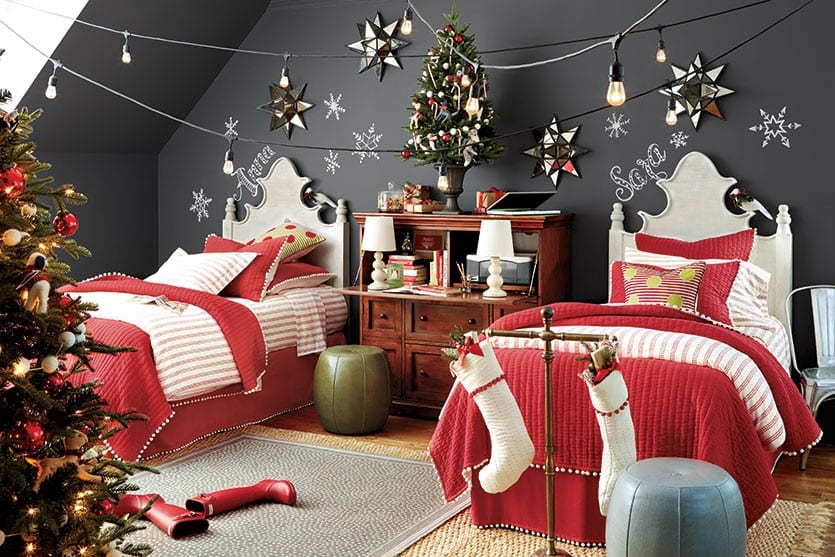
The immediate and most apparent benefit of decorating a child’s room for the holidays is the amplification of excitement and anticipation. Children, by nature, are drawn to sensory experiences and novel stimuli. A room that traditionally serves as a quiet sanctuary transforms into a vibrant, engaging space filled with visual cues that signify a special occasion. This visual transformation immediately signals to the child that something out of the ordinary is happening, heightening their sense of wonder. Think about the sheer delight a child experiences when their room is suddenly adorned with twinkling fairy lights, festive character figures, or themed bedding. This visual feast ignites their imagination, prompting questions, storytelling, and a tangible sense of the holiday spirit. This anticipation is crucial for building positive associations with holidays, transforming them from mere calendar dates into cherished, eagerly awaited events. The psychological impact of this heightened anticipation cannot be overstated; it contributes to a more positive and joyful childhood experience, embedding these festive moments into their long-term memory.
Furthermore, decorating a child’s room for the holidays actively cultivates their imagination and encourages creative play. Once the decorations are in place, the room itself becomes a stage for imaginative scenarios. A Santa’s workshop theme can lead to elaborate role-playing as elves, toy makers, or even Santa himself. A winter wonderland can inspire snowball fights with imaginary snowballs or building cozy dens. These imaginative excursions are vital for cognitive development, fostering problem-solving skills, narrative construction, and emotional expression. Children often internalize the themes and characters associated with holidays, and a decorated room provides a physical anchor for these imaginative journeys. It allows them to actively participate in the narrative of the holiday, moving beyond passive observation to active creation within their personal space. This hands-on engagement with the holiday theme through play is a powerful learning tool, allowing them to process and understand the cultural significance of these celebrations in a deeply personal way.
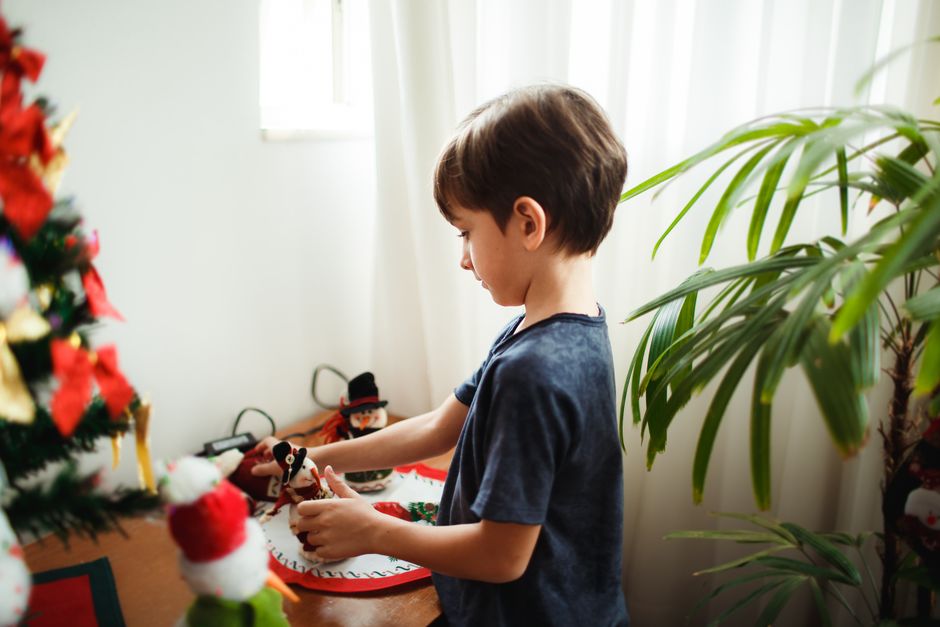
The act of decorating itself provides an invaluable opportunity for family bonding and collaborative creation. Involving children in the decorating process, from selecting decorations to hanging them, empowers them and fosters a sense of ownership. This shared activity strengthens family ties, creating precious memories that children will cherish long after the decorations are put away. The process becomes a ritual, a shared experience that reinforces family traditions and values. Children learn the importance of teamwork, communication, and the satisfaction of working together towards a common, festive goal. This shared effort transforms the task from a chore into an enjoyable, bonding experience, solidifying the emotional connection between parents and children through the shared creation of holiday magic. The conversations that arise during decorating, the laughter, and the shared excitement are all integral components of this bonding process, building a stronger foundation for family relationships.
Decorating a child’s room for the holidays also plays a significant role in building a sense of belonging and security. A child’s bedroom is their personal sanctuary, a space where they feel safe and comfortable. When this space is decorated to reflect a special occasion, it reinforces their connection to family traditions and the broader community celebrating the same holiday. This sense of inclusion is particularly important for younger children who are still developing their understanding of the world and their place within it. The familiar sights and sounds of a decorated room during a festive period can provide a sense of continuity and stability, especially if there have been significant life changes or disruptions. It creates a consistent, comforting anchor in their personal environment, reinforcing their connection to their family and cultural traditions. This feeling of belonging contributes to their overall emotional security and well-being.
The visual and sensory stimulation provided by holiday decorations can also positively impact a child’s emotional development. The bright colors, twinkling lights, and playful themes can evoke feelings of joy, happiness, and excitement. This exposure to positive emotional stimuli can help children develop a more optimistic outlook and learn to associate holidays with positive experiences. Conversely, for children who might be experiencing anxiety or stress, a well-decorated and familiar room can act as a comforting refuge, offering a sense of normalcy and joy amidst challenges. The familiarity of the decorations can be a source of comfort, providing a predictable and pleasant environment. The inherent playfulness of holiday decor encourages positive emotional expression, allowing children to freely express their happiness and excitement.
Furthermore, decorating a child’s room for the holidays can introduce them to different cultures and traditions. Many holidays are associated with specific symbols, stories, and practices from various cultures. By incorporating these elements into the room’s decor, parents can subtly educate their children about the diverse world around them. This exposure to different traditions fosters an understanding and appreciation for diversity from an early age, promoting a more inclusive and open-minded perspective. It’s an organic way to introduce the richness of global celebrations, sparking curiosity and a desire to learn more about different ways people celebrate. This early exposure to cultural diversity is a crucial aspect of global citizenship, preparing them for a multicultural world.
The anticipation built through decorating can also contribute to developing patience and delayed gratification in children. The process of putting up decorations signifies that a holiday is approaching, but it doesn’t mean the celebration is immediate. This allows children to practice waiting, building excitement over a period of time. This ability to delay gratification is a critical life skill, contributing to self-control and long-term goal achievement. The visible countdown, represented by the evolving decorations, helps children understand the passage of time and the satisfaction that comes with patiently awaiting a desired event. This practice of waiting, interspersed with the joy of the decorating process, teaches them valuable lessons about temporal awareness and the rewards of patience.
From an educational perspective, holiday decorations can serve as powerful teaching aids. Themed decorations can be used to teach children about numbers (e.g., counting ornaments), colors (identifying festive hues), shapes (recognizing holiday symbols), and even letters (spelling out holiday greetings). For younger children, the visual cues provided by decorations can help them learn new vocabulary related to the holiday. For older children, discussions about the origins and meanings of certain decorations can lead to engaging lessons on history, culture, and mythology. This integration of learning into a fun and festive context makes the educational process more enjoyable and effective, embedding knowledge in a memorable and engaging way. The interactive nature of discussing and engaging with decorations transforms passive learning into active exploration.
Moreover, decorating can foster a sense of accomplishment and pride in children. When children are involved in the decorating process, they feel a sense of contribution and ownership over their decorated space. Seeing their efforts transformed into a beautiful and festive room can boost their self-esteem and provide them with a tangible sense of achievement. This positive reinforcement of their contributions is vital for building confidence and encouraging them to participate in future endeavors. The visual evidence of their hard work, displayed in their own room, serves as a constant reminder of their capabilities and their role in creating something special. This sense of pride extends beyond the holiday itself, contributing to their overall self-perception.
The consistent practice of decorating a child’s room for the holidays also helps in establishing and reinforcing family traditions. These traditions create a sense of continuity and identity for the child, connecting them to their family’s history and values. They become cherished rituals that the child looks forward to each year, creating a predictable and comforting rhythm to family life. These shared traditions act as emotional anchors, providing stability and a sense of belonging, especially during times of change or uncertainty. The annual ritual of decorating, passed down through generations, becomes a powerful symbol of family unity and enduring love.
The therapeutic benefits of engaging with creative and festive activities should also be acknowledged. The act of decorating can be a stress-reliever for both children and parents. The focus required to arrange decorations, the playful atmosphere, and the subsequent enjoyment of the decorated space can all contribute to a sense of calm and well-being. For children who may be experiencing difficulties, the simple act of engaging with a festive and familiar environment can provide a much-needed distraction and a source of comfort. The sensory engagement with tactile decorations and visually stimulating elements can be grounding and emotionally regulating for children.
In conclusion, decorating a child’s room for the holidays is a multi-faceted practice that offers profound benefits. It goes beyond mere aesthetics to actively shape a child’s emotional, cognitive, and social development. By transforming their personal space into a magical wonderland, parents are not just creating a festive atmosphere; they are nurturing imagination, fostering family bonds, building confidence, and instilling a lifelong appreciation for the joy and wonder that the holiday season can bring. The tangible evidence of this effort – the twinkling lights, the festive characters, the colorful ornaments – creates an immersive experience that imprints upon a child’s memory, shaping their understanding and appreciation of these special times for years to come. It’s an investment in childhood, in memory, and in the enduring magic of the festive spirit.

