
India’s Celestial Canvas: The Ascendance of Astrotourism
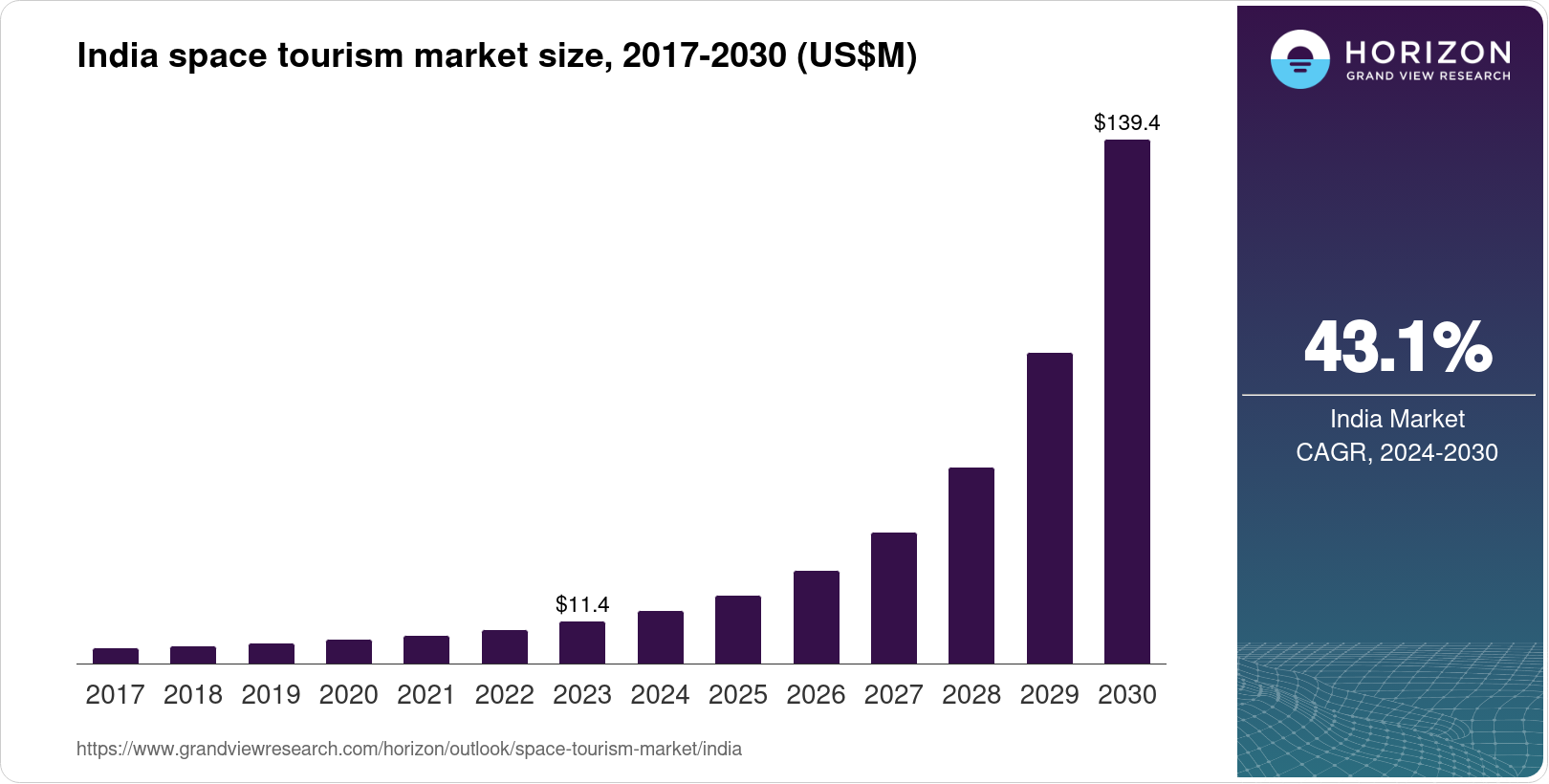
The Indian subcontinent, long steeped in ancient astronomical traditions and blessed with diverse geographical landscapes, is witnessing a remarkable surge in astrotourism. This burgeoning sector leverages the country’s dark skies, rich cultural heritage, and growing interest in space exploration to offer unique celestial experiences. Astrotourism, the practice of traveling to locations with excellent stargazing opportunities and often incorporating astronomical education and observation, is no longer a niche pursuit but is rapidly gaining traction, fueled by technological advancements, increased awareness, and a desire for alternative travel experiences. India, with its vast, sparsely populated regions and a burgeoning middle class seeking novel adventures, is perfectly positioned to become a global leader in this celestial frontier. The growth is multi-faceted, encompassing dedicated observatories, amateur astronomy clubs, community-led initiatives, and even adventure tourism operators integrating stargazing into their offerings. Factors such as improved accessibility to remote areas, the proliferation of affordable telescopes and astrophotography equipment, and a growing understanding of light pollution’s detrimental effects are all contributing to this upward trajectory. Furthermore, the increasing global fascination with space, amplified by successful Indian space missions like Chandrayaan and Mangalyaan, has instilled a sense of national pride and curiosity, directly translating into a greater public interest in the cosmos and, by extension, astrotourism.
The geographical diversity of India presents a significant advantage for astrotourism. From the high-altitude deserts of Ladakh in the north to the serene coastlines of Kerala in the south, and the remote plateaus of western India, numerous locations offer exceptional dark sky environments. Ladakh, with its thin atmosphere, minimal light pollution, and stunning vistas, has emerged as a frontrunner. The Indian Astronomical Observatory (IAO) at Hanle, operated by the Indian Institute of Astrophysics, is a world-class facility and a beacon for serious astronomers, but its remote location and the burgeoning interest from amateur astronomers and tourists alike are paving the way for a more accessible astrotourism ecosystem. Initiatives are underway to promote responsible tourism in these fragile environments, ensuring that the growth of astrotourism does not compromise the very darkness that makes these locations so special. Other regions like Spiti Valley in Himachal Pradesh, the Rann of Kutch in Gujarat, and the Western Ghats in Maharashtra and Kerala are also being recognized for their dark sky potential. These areas, often characterized by agricultural or nomadic communities, offer a unique blend of celestial observation and cultural immersion. The lack of dense urban development in these regions means significantly lower levels of artificial light, allowing for breathtaking views of the Milky Way, nebulae, and distant galaxies. The Indian government and various state tourism boards are increasingly recognizing the economic and cultural potential of astrotourism, leading to strategic investments in infrastructure and promotional activities.
The growth of astrotourism in India is intrinsically linked to the increasing accessibility of astronomical knowledge and equipment. Historically, stargazing was primarily the domain of professional astronomers and a dedicated few hobbyists. However, the digital age has democratized access to information. Online resources, astronomical apps, and social media groups have made learning about constellations, planets, and celestial events more engaging and accessible than ever before. This heightened awareness is a powerful driver for astrotourism. Amateur astronomy clubs and societies are proliferating across India, organizing public viewing sessions, workshops, and star parties. These grassroots initiatives play a crucial role in educating the public, fostering a sense of community, and identifying potential astrotourism destinations. Furthermore, the affordability and improved quality of telescopes and astrophotography equipment have empowered individuals to pursue stargazing as a serious hobby. Many tourists now travel with their own equipment, seeking out optimal viewing locations. This has led to a demand for accommodations and services that cater specifically to amateur astronomers, such as dark-sky friendly lighting and guided tours focused on celestial phenomena. The synergy between technological accessibility, educational outreach, and dedicated stargazing spots is creating a robust ecosystem for astrotourism to thrive.
Beyond dedicated observatories and amateur clubs, community-led astrotourism initiatives are gaining significant momentum. In many remote villages, local communities are recognizing the economic potential of their pristine night skies. They are developing homestay programs, offering guided nature walks that culminate in stargazing sessions, and sharing traditional astronomical knowledge passed down through generations. This model not only provides income for local residents but also promotes cultural exchange and encourages the preservation of traditional practices. For example, in parts of Gujarat, communities are organizing "Rann Utsav" type events that now include dedicated stargazing experiences, blending cultural festivities with celestial wonders. Similarly, in tribal areas of Maharashtra, elders are sharing ancient myths and legends associated with constellations, offering a unique blend of cultural and astronomical tourism. These community-driven efforts are crucial for ensuring that astrotourism benefits local economies and empowers rural populations. They also offer a more authentic and immersive experience for travelers, moving beyond mere observation to a deeper engagement with the destination and its people. The emphasis on sustainable tourism practices is also a hallmark of these initiatives, with a focus on minimizing environmental impact and preserving the natural beauty of the surroundings.
Astrophotography, the art of capturing images of celestial objects, has become a powerful catalyst for astrotourism. The advent of high-resolution digital cameras, advanced image processing software, and specialized lenses has made it possible for enthusiasts to capture stunning images of the night sky. India’s diverse landscapes, from the snow-capped peaks of the Himalayas to the arid deserts and lush coastlines, provide dramatic foregrounds for celestial photography. Dedicated astrophotography workshops and tours are becoming increasingly popular, attracting photographers from across the country and abroad. These events often combine instruction in astrophotography techniques with expeditions to prime stargazing locations. The visual appeal of astrophotography shared on social media platforms further fuels interest in astrotourism, inspiring others to embark on similar journeys. Destinations that offer unique photographic opportunities, such as the Milky Way arching over ancient forts or nebulae visible to the naked eye under pristine conditions, are becoming highly sought after. The economic impact of this trend extends beyond tourism, as it also supports the growth of the photography equipment and software industries within India.
The Indian Space Research Organisation (ISRO) has inadvertently become a significant driver of astrotourism. Successful missions like Chandrayaan and Mangalyaan have not only garnered international acclaim but have also ignited a widespread fascination with space exploration among the Indian populace. This newfound curiosity translates into a greater interest in astronomy and, consequently, astrotourism. Educational institutions and science centers are leveraging this momentum to promote STEM education and astronomical awareness. Many astrotourism operators now incorporate elements of space exploration into their tours, offering talks on ISRO’s achievements and the science behind space missions. This integration of national pride and scientific endeavor adds another layer of appeal to the astrotourism experience. Visitors are not just looking at the stars; they are connecting with India’s ambitious journey into the cosmos. This national narrative of space exploration creates a powerful sense of belonging and inspiration, making astrotourism a more meaningful and patriotic pursuit for many. The aspiration to contribute to or simply understand India’s space endeavors fuels a deeper engagement with the night sky.
The development of dedicated dark sky reserves and sanctuaries is a crucial step in formalizing and protecting India’s astrotourism potential. These designated areas are recognized for their exceptionally dark skies and are committed to minimizing light pollution. While still in its nascent stages compared to international counterparts, India is beginning to identify and protect such zones. The International Astronomical Union’s (IAU) designation of dark sky places is a global benchmark, and India’s efforts to align with these standards are vital for long-term sustainability. Establishing these reserves involves a concerted effort to work with local communities and authorities to implement light pollution control measures, such as using shielded outdoor lighting and promoting responsible energy consumption. The establishment of such reserves not only safeguards the astronomical viewing quality but also protects nocturnal ecosystems and contributes to a more peaceful and aesthetically pleasing environment. These reserves can become hubs for research, education, and high-quality astrotourism, attracting both serious astronomers and curious travelers. The long-term vision is to create a network of protected dark sky areas across India, ensuring that future generations can also marvel at the celestial wonders.
Challenges, however, persist in the widespread adoption and sustainable growth of astrotourism in India. Light pollution remains a significant hurdle, particularly in and around urban centers. Effective mitigation strategies and public awareness campaigns are crucial to combat this pervasive issue. Infrastructure development in remote areas, while improving, still requires significant investment. This includes ensuring reliable transportation, comfortable accommodation, and access to basic amenities for tourists. Furthermore, educating local communities about the economic benefits and the importance of preserving dark skies is essential for long-term success. The lack of standardized certification and training for astrotourism guides can also be a concern, impacting the quality of the experience offered. Addressing these challenges requires a collaborative approach involving government agencies, private tour operators, local communities, and astronomical organizations. Investing in research to identify and map optimal dark sky locations, developing comprehensive light pollution management policies, and promoting responsible tourism practices are all critical steps. The potential rewards, however, are immense, promising economic diversification, cultural preservation, and a unique avenue for connecting with the cosmos. The ongoing efforts to overcome these obstacles are indicative of a growing commitment to unlocking India’s full astrotourism potential, positioning the nation as a compelling destination for celestial exploration.

