
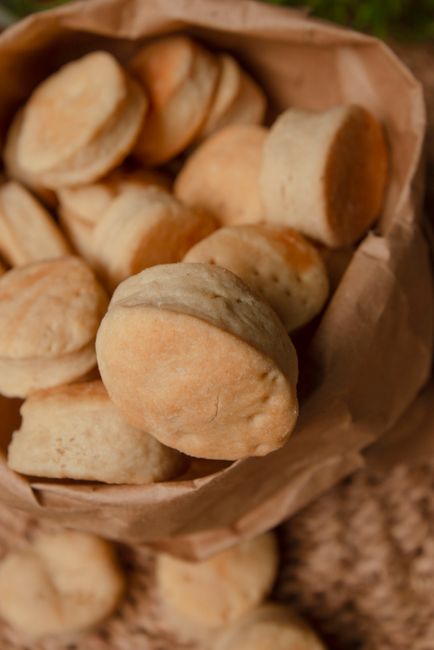
Buttermilk Biscuits and Mushroom Gravy: A Culinary Cornerstone
The union of light, flaky buttermilk biscuits and rich, savory mushroom gravy represents a foundational element of comfort food, particularly in Southern American cuisine. This classic pairing is more than just a meal; it’s an experience, evoking warmth, nostalgia, and deeply satisfying flavors. Achieving perfection in this dish hinges on understanding the specific techniques and ingredient ratios that yield superior results. From the delicate crumb of a well-made biscuit to the unctuous depth of a mushroom gravy, each component plays a crucial role, and mastering them elevates this humble dish into a culinary masterpiece. This article will delve into the intricacies of preparing both buttermilk biscuits and mushroom gravy, offering detailed instructions, ingredient insights, and tips for achieving exceptional texture and flavor.
Buttermilk Biscuits: The Foundation of Flakiness
The pursuit of the perfect buttermilk biscuit is a journey marked by careful attention to detail. The primary objective is to create a biscuit that is simultaneously tender, flaky, and slightly tangy. This begins with the selection of ingredients. All-purpose flour is the standard, but the fat is where the magic truly happens. Cold, unsalted butter is paramount. Freezing the butter ensures that it remains solid throughout the mixing process, creating pockets of fat that melt during baking, resulting in steam and separation of the dough layers, which translates to flakiness. Some bakers opt for shortening or a combination of butter and shortening for added tenderness and structure, though butter imparts a superior flavor. Buttermilk, with its inherent acidity, reacts with the leavening agents (baking soda and baking powder) to provide lift and a characteristic tang. The acidity also contributes to tenderizing the gluten in the flour, preventing a tough biscuit.
The method for incorporating the fat is as critical as the fat itself. Using a pastry blender, your fingertips, or a food processor, the goal is to cut the cold butter into pea-sized or slightly larger pieces throughout the flour mixture. Overworking the dough at this stage will melt the butter prematurely and develop too much gluten, leading to tough biscuits. A light hand is essential. Once the fat is incorporated, the buttermilk is added. It’s crucial to mix the dough just until it comes together. Lumps are acceptable, even desirable. Overmixing will develop gluten, resulting in a dense, tough biscuit rather than a light, airy one.
Turning the dough out onto a lightly floured surface is the next crucial step. Gently gather the dough into a ball, then pat or lightly roll it to a thickness of about 3/4 to 1 inch. Folding the dough is a technique that further enhances flakiness. Fold the dough in half or into thirds, then gently press down again. Repeat this process a few times. This layering of fat and dough is the key to achieving those coveted flaky strata. Avoid aggressive kneading or rolling, as this again develops gluten.
Cutting the biscuits is also an important technique. Use a sharp biscuit cutter or a drinking glass with a thin rim. Press straight down without twisting. Twisting seals the edges of the biscuit, preventing it from rising evenly and contributing to a less flaky texture. Place the cut biscuits onto a baking sheet lined with parchment paper, ensuring they are close enough to touch but not overcrowded. This close proximity encourages them to rise upwards rather than spreading outwards. Brushing the tops with a little extra buttermilk before baking adds a subtle richness and promotes browning.
Baking temperature is typically high, around 425-450°F (220-230°C). The high heat causes the leavening agents to activate rapidly, creating steam that puffs up the biscuits and sets the structure before the gluten can become tough. Baking time is relatively short, usually 10-15 minutes, or until the tops are golden brown and the sides are beginning to pull away from the baking sheet. The aroma of freshly baked biscuits is a reliable indicator of their readiness. Serve them immediately for the best experience, slathered with butter.
Mushroom Gravy: A Symphony of Umami
The mushroom gravy is the perfect counterpoint to the delicate biscuit, providing a rich, savory depth that complements the tangy notes of the biscuit. The foundation of any good gravy is a well-developed roux, and for mushroom gravy, the star ingredient is, of course, mushrooms.
The type of mushrooms used can significantly impact the final flavor. Cremini mushrooms are a popular choice for their balanced flavor and readily available texture. Shiitake mushrooms offer a more intense, earthy, and umami-rich profile. A blend of different mushrooms can create a more complex flavor. It’s essential to clean the mushrooms thoroughly. Avoid washing them under running water, as they can absorb excess moisture. Instead, gently brush or wipe them clean. Slicing them to a consistent thickness ensures even cooking.
The process begins by sautéing the mushrooms. This can be done in a large skillet over medium-high heat. A combination of butter and oil is often used. Butter adds flavor, while oil helps to prevent the butter from burning. Cook the mushrooms in batches if necessary to avoid overcrowding the pan, which would steam the mushrooms instead of browning them. Browning the mushrooms is crucial for developing their flavor and releasing their natural moisture. Cook them until they have released their liquid and are golden brown and slightly caramelized. Remove the browned mushrooms from the skillet and set them aside.
In the same skillet, a roux is prepared. A roux is a mixture of equal parts fat (butter in this case) and flour, cooked to thicken liquids. Melt more butter in the skillet over medium heat. Once melted, whisk in the all-purpose flour until a smooth paste forms. Cook the roux, stirring constantly, for a few minutes until it develops a pale golden color. This is a "white" or "blond" roux, which is ideal for gravies as it adds thickening power without imparting an overpowering cooked flour flavor. A darker roux would be used for richer, more robust sauces.
Gradually whisk in cold milk or a combination of milk and chicken or vegetable broth. Start with a small amount of liquid, whisking vigorously to incorporate it into the roux and prevent lumps. Once a smooth paste forms, continue to gradually add the remaining liquid, whisking continuously. The liquid should be cold to help prevent lump formation. Bring the mixture to a simmer, stirring frequently, and allow it to cook until it has thickened to your desired consistency. This can take several minutes.
Once the gravy has thickened, return the sautéed mushrooms to the skillet. Season generously with salt and freshly ground black pepper. Many recipes also incorporate other aromatics for added depth of flavor. Finely minced garlic and onion, sautéed until fragrant before adding the flour for the roux, contribute a foundational layer of savory taste. A pinch of dried thyme or a sprig of fresh rosemary can add herbaceous notes. For an extra layer of richness and umami, a splash of Worcestershire sauce or a touch of soy sauce can be incorporated.
The consistency of the gravy is a matter of personal preference. If it’s too thick, you can thin it with a little more milk or broth. If it’s too thin, you can continue to simmer it uncovered to allow some of the liquid to evaporate, or you can create a slurry of flour and water or cornstarch and water and whisk it into the simmering gravy until thickened.
Serving the Buttermilk Biscuits and Mushroom Gravy
The presentation of this dish is simple yet elegant. Serve the warm buttermilk biscuits piled high, and ladle the rich mushroom gravy generously over them. Freshly chopped parsley or chives can be sprinkled over the gravy as a garnish, adding a touch of color and freshness. This dish is often served as a hearty breakfast or brunch, but it also makes for a satisfying lunch or a comforting dinner. Its versatility and inherent deliciousness make it a perennial favorite.
Variations and Enhancements
While the classic preparation is undeniably satisfying, there are numerous ways to customize this dish. For the biscuits, different flours can be explored. Whole wheat flour can be incorporated for a nuttier flavor and added fiber, though it may result in a slightly denser biscuit. Using a combination of all-purpose and whole wheat flour offers a good balance. For those seeking a richer biscuit, adding a tablespoon or two of sugar to the dry ingredients can impart a subtle sweetness. Some bakers even incorporate small cubes of cheese, such as cheddar or Gruyère, into the biscuit dough for a savory twist.
The mushroom gravy offers even more avenues for variation. For a meatier gravy, consider adding crumbled cooked sausage or bacon. The rendered fat from these meats can even be used as part of the fat for the roux. For a vegan adaptation, plant-based butter and milk can be used, and vegetable broth is an excellent base. Nutritional yeast can be added to the gravy for a cheesy, umami flavor. Experimenting with different herbs and spices is also encouraged. Smoked paprika can add a subtle smoky undertone, while a pinch of nutmeg can enhance the creamy richness.
The art of making buttermilk biscuits and mushroom gravy lies in mastering fundamental techniques and understanding how ingredients interact. The cold fat and minimal handling of biscuit dough are keys to flakiness. The proper browning of mushrooms and the creation of a smooth roux are crucial for a flavorful gravy. When executed correctly, this seemingly simple dish delivers a profound depth of flavor and texture, solidifying its status as a beloved culinary comfort. The interplay between the tangy, airy biscuit and the earthy, unctuous gravy creates a harmonious bite that is both satisfying and deeply memorable, a testament to the enduring appeal of well-crafted, classic comfort food. The pursuit of this culinary perfection is a rewarding one, yielding a dish that consistently delights.

