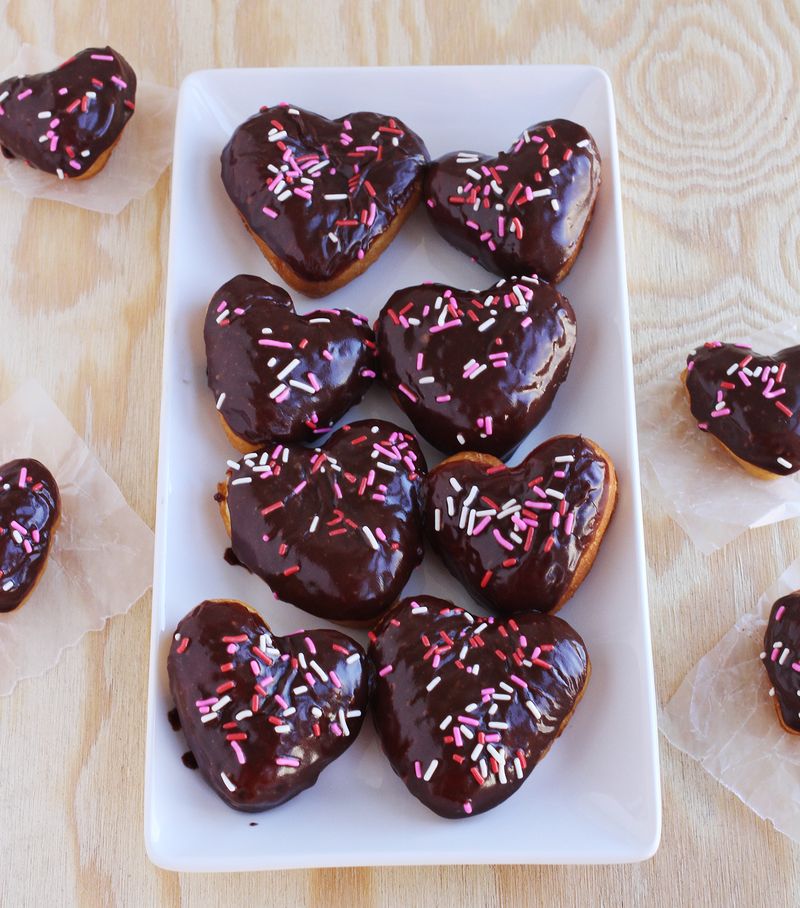

Decadent Delight: Exploring the Rich World of Chocolate Red Wine Donuts
The fusion of chocolate and red wine has long been a celebrated pairing, evoking an aura of sophisticated indulgence. This sophisticated synergy finds its most delectable expression in the chocolate red wine donut, a culinary creation that marries the deep, complex flavors of dark chocolate with the nuanced notes of red wine, all within the comforting embrace of a perfectly baked or fried donut. This article delves into the multifaceted appeal of this gourmet treat, exploring its origins, ingredients, flavor profiles, baking and frying techniques, pairing suggestions, and its burgeoning popularity in artisanal bakeries and home kitchens alike.
The genesis of the chocolate red wine donut can be traced back to the broader trend of incorporating unexpected yet harmonious flavor combinations into classic desserts. Wine, particularly red wine, has been used in cooking and baking for centuries, its tannins and fruity undertones lending a distinct depth and richness to sauces, stews, and cakes. Chocolate, a perennial favorite, offers its own spectrum of bitterness, sweetness, and aromatic complexity. When these two powerhouses unite within the humble donut, a dessert emerges that transcends its simple form, becoming a sophisticated treat worthy of special occasions or everyday indulgence. The "wine infusion" concept in baked goods has seen a resurgence, and red wine’s inherent compatibility with chocolate makes it a natural and compelling choice for donut innovation. The inherent richness of red wine complements the bitter notes of dark chocolate, while the fruit-forward characteristics can introduce surprising layers of sweetness and acidity, creating a more complex and less one-dimensional flavor experience than a standard chocolate donut.
At the heart of any exceptional chocolate red wine donut lies the quality of its core ingredients. For the chocolate component, bakers typically opt for high-quality dark chocolate, ranging from 60% to 75% cacao content. This provides a robust, slightly bitter foundation that stands up well to the wine and prevents the donut from becoming overly sweet. The type of red wine used is crucial and influences the final flavor profile significantly. Common choices include Merlot, Cabernet Sauvignon, or Pinot Noir, each offering distinct characteristics. Merlot, with its smooth, plum-like notes, can impart a mellow sweetness and fruitiness. Cabernet Sauvignon, known for its bold tannins and dark fruit flavors like blackcurrant, can contribute a more assertive and complex depth. Pinot Noir, with its bright cherry and earthy undertones, can offer a more delicate yet intriguing dimension. The wine can be incorporated in various forms: as a liquid reduction to concentrate its flavor, infused directly into the batter or glaze, or even as a filling. Beyond the star players, the donut base itself requires careful consideration. A classic cake donut recipe, with its dense crumb and slightly crisp exterior, provides an excellent canvas. Alternatively, a yeast-raised donut, with its lighter, airier texture, can offer a different, yet equally appealing, textural contrast to the rich flavors. Butter, eggs, flour, sugar, leavening agents (baking powder and/or baking soda), and a pinch of salt form the foundational elements of the donut batter, and their ratios are carefully balanced to achieve the desired texture and structure.
The flavor profile of a chocolate red wine donut is a symphony of complementary and contrasting notes. The initial taste is often dominated by the intense, slightly bitter richness of dark chocolate. This is quickly followed by the subtle, yet unmistakable, presence of red wine. Depending on the wine chosen and the method of incorporation, this can manifest as a gentle fruity sweetness, a hint of berry, or even a whisper of earthy undertones. The wine doesn’t overpower the chocolate but rather enhances it, adding a layer of complexity and sophistication that is absent in conventional chocolate donuts. The texture plays a vital role in the overall sensory experience. A well-made chocolate red wine donut should possess a tender crumb, a slight chewiness if yeast-raised, or a moist, cake-like density if cake-style. The exterior can range from a delicate glaze to a slightly crisp, fried finish, each contributing to the textural intrigue. The interplay between the moist interior, the rich chocolate, and the nuanced wine notes creates a truly memorable tasting experience. The absence of artificial flavors or excessive sweetness allows the inherent qualities of the chocolate and wine to shine through, creating a more sophisticated and satisfying dessert. The warmth of the donut, whether freshly baked or fried, further amplifies these flavors, creating an almost aromatic experience that is both comforting and exciting.
The creation of a chocolate red wine donut involves two primary methods: baking and frying. Both techniques yield distinct results, catering to different preferences.
Baking: For a healthier and less labor-intensive approach, baking is an excellent option. Cake donuts are typically baked in donut pans or silicone molds. The batter, infused with finely chopped chocolate or cocoa powder and red wine reduction, is poured into the greased or lined pans. The baking temperature and time are crucial to achieving a moist interior and a tender, slightly firm exterior. Overbaking can lead to a dry donut, while underbaking can result in a gummy texture. Common baking temperatures range from 350°F to 375°F (175°C to 190°C), with baking times typically between 10 to 15 minutes, depending on the size and depth of the donut. The wine can be incorporated as a reduction, boiling down the wine to remove alcohol and concentrate its flavor, or directly into the batter as a liquid.
Frying: For those who prefer the classic, indulgent donut experience, frying is the preferred method. Yeast-raised donuts are often fried to achieve their characteristic light and airy texture. The dough, enriched with chocolate and red wine, is allowed to rise before being shaped and gently fried in hot oil. Cake donuts can also be fried, resulting in a slightly crispier exterior and a denser, richer interior. The oil temperature is paramount for successful frying. Too low an oil temperature will result in greasy donuts that absorb too much oil, while too high a temperature will cause the exterior to burn before the interior is cooked through. A consistent oil temperature of 350°F to 375°F (175°C to 190°C) is ideal. The donuts are typically fried for 1 to 2 minutes per side, until golden brown and cooked through.
Regardless of the cooking method, the finishing touches elevate the chocolate red wine donut to its full potential. Glazes are a popular choice, providing an additional layer of flavor and visual appeal. A dark chocolate ganache, infused with a touch of red wine, offers an intensely chocolatey experience. A simple red wine glaze, made with powdered sugar and red wine, provides a lighter, more wine-forward finish. Other glazes can include a hint of cinnamon or espresso powder to further complement the chocolate and wine. For a more opulent presentation, a dusting of cocoa powder, a sprinkle of chocolate shavings, or a drizzle of melted white chocolate can be applied. Some innovative bakers also incorporate a red wine-infused cream filling, adding a delightful surprise with every bite.
The pairing potential of chocolate red wine donuts is as diverse as their creation. Their inherent richness and complex flavor profile make them an excellent accompaniment to a variety of beverages and desserts.
Beverage Pairings:
- Red Wine: Unsurprisingly, a glass of the same red wine used in the donut makes for a harmonious pairing. The familiar notes in the wine will be amplified and echoed in the donut, creating a cohesive flavor experience.
- Port or Madeira: These fortified wines, with their deep, rich fruit flavors and sweet profiles, complement the chocolate and wine notes beautifully.
- Espresso or Coffee: The bitterness of a strong espresso or coffee cuts through the richness of the donut, offering a balanced contrast.
- Milk or Cream: For a more comforting and less intense pairing, a glass of cold milk or a dollop of whipped cream can provide a delightful counterpoint.
- Stout or Porter: The dark, malty, and often chocolatey notes of these beers can create a surprisingly delightful pairing with the donut’s flavors.
Dessert Pairings:
- Vanilla Bean Ice Cream: The cool, creamy sweetness of vanilla bean ice cream provides a classic and refreshing contrast to the warm, rich donut.
- Mascarpone or Whipped Cream: A dollop of unsweetened or lightly sweetened mascarpone cheese or fresh whipped cream can add a luxurious creaminess.
- Fresh Berries: Tart berries like raspberries or blackberries can offer a bright, acidic counterpoint to the sweetness and richness of the donut.
- Chocolate Mousse: For the ultimate chocolate indulgence, pairing a chocolate red wine donut with a light, airy chocolate mousse can be an overwhelming yet incredibly satisfying experience.
The popularity of chocolate red wine donuts has surged in recent years, driven by the increasing demand for artisanal and gourmet baked goods. Craft bakeries are increasingly featuring these innovative treats on their menus, often using high-quality ingredients and creative flavor twists. This trend has also extended to home bakers, with recipes and inspiration readily available online. The appeal lies in the perceived sophistication and unique flavor combination, making it a popular choice for special occasions, dinner parties, or simply as a luxurious treat. Food bloggers and social media influencers have played a significant role in popularizing this dessert, showcasing its visual appeal and decadent flavor profile. The ability to customize the type of wine and chocolate also allows for a personalized touch, making each donut a unique creation. The evolution of this donut from a niche experimental item to a recognized gourmet offering speaks to the evolving palates of consumers and the constant innovation within the culinary world. It represents a successful marriage of familiar comfort (the donut) with sophisticated indulgence (chocolate and red wine), appealing to a broad spectrum of dessert lovers. The continued exploration of wine varietals and chocolate percentages promises to yield even more exciting variations of this decadent delight.
