
Cultivating Your Cactus Oasis: A Comprehensive Guide to Planting a Simple Cactus Garden
Establishing a successful cactus garden requires understanding their fundamental needs: excellent drainage, ample sunlight, and specific soil composition. Cacti, native to arid and semi-arid regions, have evolved to thrive in environments where water is scarce and sunlight is abundant. Replicating these conditions in your garden will be the cornerstone of your cactus oasis. The simplest approach involves selecting resilient, low-maintenance species and preparing the planting area meticulously. This guide will walk you through the entire process, from site selection and soil preparation to plant selection, planting techniques, and ongoing care, ensuring your cactus garden flourishes with minimal fuss.
Site selection is paramount. Cacti demand at least six hours of direct sunlight daily, ideally more. South-facing locations are generally optimal in the Northern Hemisphere, receiving the most intense and prolonged sun exposure. Observe your chosen area throughout the day to confirm it meets this light requirement. Avoid planting cacti in shaded spots or areas prone to prolonged dampness. Proximity to structures or dense vegetation that might cast shadows should also be considered. Furthermore, ensure the chosen location has good air circulation, which helps prevent fungal diseases, a common issue for cacti in humid environments. Consider the overall aesthetic and accessibility of your garden. Will it be a focal point visible from a window, or a more secluded retreat? Planning for accessibility will also simplify watering and maintenance tasks later on. Raised beds are an excellent option for cactus gardens, especially in areas with heavy clay soil or poor natural drainage. They elevate the root system, ensuring water drains away efficiently. If using raised beds, consider building them at least 12-18 inches high.
Soil preparation is arguably the most critical step in preventing cactus rot. Standard garden soil typically retains too much moisture for cacti. A specialized cactus and succulent mix is essential. You can purchase pre-made mixes from garden centers, or create your own by combining equal parts of coarse sand, perlite, and potting soil. The key is to create a gritty, free-draining medium that allows water to pass through quickly. For a do-it-yourself mix, aim for a ratio that feels loose and airy, not dense and compacted. Some growers also incorporate gravel or small stones into their soil mix for enhanced drainage. When preparing the planting area, whether it’s in-ground or a raised bed, excavate the soil to a depth of at least 8-12 inches. Mix your cactus soil with the excavated soil, or entirely replace it with your custom blend. Thoroughly incorporate amendments like perlite or pumice to further improve aeration and drainage. The goal is a substrate that mimics the sandy, rocky soils of their native habitats. Avoid any soil that feels heavy or sticky when wet.
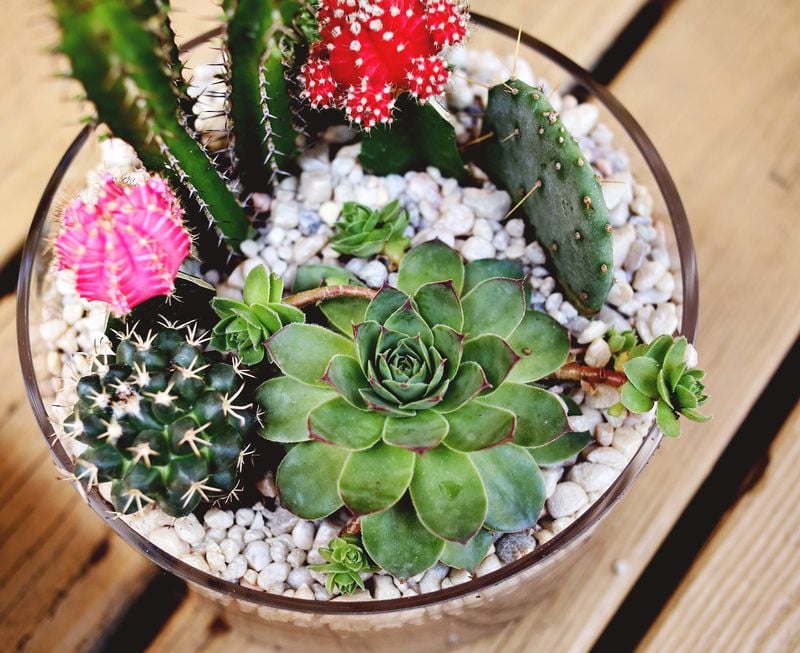
Selecting the right cacti for a simple garden involves prioritizing hardiness, low maintenance, and aesthetic appeal. For beginners, focus on species known for their resilience and tolerance to a range of conditions. Popular choices include: Opuntia (Prickly Pear) species, such as Opuntia humifusa (Eastern Prickly Pear) or Opuntia ficus-indica (Spineless Prickly Pear), are incredibly tough and can tolerate a wide range of temperatures and soil types. Echinocereus species, like Echinocereus triglochidiatus (Claret Cup Cactus), are also remarkably hardy and produce vibrant flowers. Mammillaria species, such as Mammillaria prolifera (Corkscrew Cactus), are small, clumping cacti that are easy to care for and produce masses of small flowers. Rebutia species, like Rebutia muscaria (Red Crown Cactus), are another excellent choice for their compact size and prolific flowering. Gymnocalycium species, such as Gymnocalycium mihanovichii (Moon Cactus), are known for their unusual shapes and colors, though some varieties may require slightly more protection in colder climates. Avoid highly specialized or finicky species that demand specific humidity levels or intricate watering schedules for a truly simple garden. When purchasing plants, inspect them for signs of pests or diseases. Healthy cacti will have firm bodies, no soft spots or discoloration, and a vibrant, natural color.
Planting cacti is a straightforward process, but requires a few precautions to avoid injury. Always wear thick gloves, such as leather gardening gloves, or use folded newspaper or tongs to handle cacti. Their spines, even on seemingly "spineless" varieties, can be sharp and persistent. Dig a hole slightly larger than the cactus’s root ball. Gently remove the cactus from its nursery pot, being careful not to disturb the roots excessively. If the root ball is tightly bound, you can gently tease apart some of the outer roots to encourage outward growth. Place the cactus in the hole, ensuring the top of the root ball is level with or slightly above the surrounding soil surface. Planting too deep can lead to rot. Backfill the hole with your prepared cactus soil mix, gently firming it around the base of the plant to eliminate air pockets. Do not water immediately after planting. Allow the plant to settle for a few days to a week. This resting period helps to heal any minor root damage incurred during planting and reduces the risk of rot. Spacing your cacti appropriately is crucial for their growth and to prevent overcrowding, which can lead to poor air circulation and increased disease risk. Refer to the mature size of each species when determining spacing. Generally, allow at least 12-18 inches between plants, depending on their expected spread.
Watering a cactus garden is very different from watering traditional plants. Overwatering is the most common mistake and the quickest way to kill a cactus. Cacti are adapted to periods of drought and prefer their soil to dry out completely between waterings. The frequency of watering will depend on several factors: climate, season, pot size, and the specific species of cactus. In general, during the growing season (spring and summer), water thoroughly when the soil is dry to the touch several inches down. Allow water to drain freely from the pot’s drainage holes. During the dormant season (fall and winter), significantly reduce watering. Some cacti require almost no water during this period, especially those grown in cooler climates. A light misting occasionally might be sufficient for some. The best indicator is the soil moisture. Stick your finger into the soil; if it feels dry, it’s time to water. If you’re unsure, it’s always better to underwater than overwater. Signs of underwatering include shriveling or a loss of plumpness in the cactus body. Signs of overwatering include yellowing, mushy stems, or root rot.
Fertilizing is not a primary requirement for most simple cactus gardens, as they are adapted to nutrient-poor environments. However, a light feeding during the growing season can promote healthy growth and flowering. Use a specialized cactus and succulent fertilizer, typically a low-nitrogen formula, diluted to half strength. Apply this fertilizer once or twice during the spring and summer months. Avoid fertilizing during the fall and winter when the plants are dormant. Over-fertilizing can lead to leggy, weak growth and can damage the roots. If your cacti are growing vigorously and flowering well on their own, fertilization might not be necessary at all.
Weeding is an important aspect of cactus garden maintenance, as weeds compete with cacti for water and nutrients. Because cacti have spines, manual weeding can be challenging and time-consuming. A layer of gravel or small stones on the surface of the soil can help suppress weed growth and also adds to the aesthetic of the garden. If weeds do appear, pull them out carefully, ideally when the soil is slightly moist, which makes it easier to remove the entire root system. Be mindful of the cacti spines while weeding. For larger gardens, consider using a thick mulch of gravel or decorative stones around the plants. This not only suppresses weeds but also helps regulate soil temperature and moisture.
Pest and disease management in a cactus garden is typically less intensive than with other plants. Cacti are generally quite resistant. However, mealybugs, scale insects, and spider mites can sometimes infest them. Mealybugs appear as white, cottony masses, while scale insects resemble small bumps on the plant. Spider mites create fine webbing. If you spot pests, act quickly. For small infestations, you can often remove them with a cotton swab dipped in rubbing alcohol. For more widespread infestations, consider using an insecticidal soap or neem oil, specifically formulated for cacti and succulents. Ensure good air circulation and avoid overwatering to prevent fungal diseases like root rot, which is characterized by mushy, discolored stems and roots. If root rot occurs, it is often fatal, but if caught early, you may be able to save the healthy parts of the plant by cutting them away, allowing them to callus, and then replanting them in dry, fresh soil.
Seasonal care for your cactus garden will vary depending on your climate. In colder regions, protect your cacti from frost. Many hardy desert cacti can tolerate freezing temperatures if their soil is kept dry, but prolonged exposure to wet, freezing conditions can be fatal. Consider covering them with frost cloth or bringing potted cacti indoors to a cool, bright location during winter. In warmer climates, ensure adequate watering during periods of extreme heat and drought. Monitor your plants for any signs of stress. As seasons change, observe how your cacti respond and adjust your watering and care routines accordingly. The key to a simple cactus garden is to understand and respect the plant’s natural cycles and needs, mimicking its native environment as closely as possible. With careful planning and consistent, yet minimal, effort, your cactus oasis will provide a unique and low-maintenance landscape for years to come.
