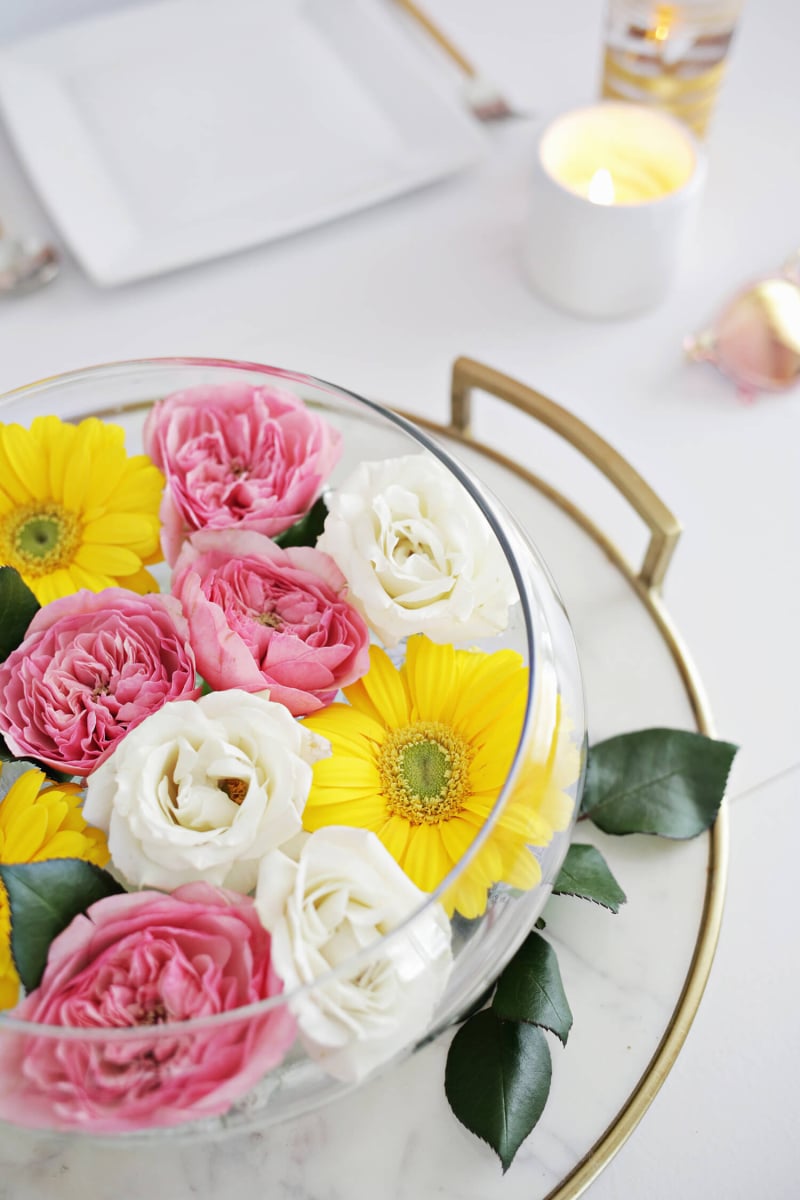

DIY Easy Floating Floral Arrangements: A Step-by-Step Guide for Stunning Home Decor
Creating beautiful and elegant floral arrangements doesn’t require advanced floristry skills or expensive materials. Easy floating floral arrangements offer a sophisticated yet surprisingly simple way to elevate any space, from intimate dinners to grand celebrations. This guide provides a comprehensive, SEO-friendly approach to crafting your own stunning floating floral displays, covering everything from material selection to arrangement techniques, ensuring you can find this information easily through search engines and implement it with confidence. We’ll delve into the visual appeal, the practicalities, and the creative possibilities of this accessible DIY project, making it a valuable resource for home decorators, event planners, and anyone seeking to infuse their surroundings with natural beauty.
The fundamental concept of a floating floral arrangement lies in its illusion of weightlessness. Flowers and foliage are suspended, or appear to be suspended, within a vessel of water, creating a mesmerizing visual effect. This technique relies on a few key principles, primarily the use of waterproof vessels, stable floral elements, and strategic placement to achieve the desired aesthetic. Unlike traditional arrangements that rely on floral foam or intricate structural support, floating designs leverage the buoyancy of water and the natural properties of flowers to achieve their ethereal charm. The simplicity of this method makes it an ideal starting point for beginners, while the endless customization options cater to more experienced crafters seeking to experiment with unique designs. Understanding these core principles is the first step towards mastering this art form.
Selecting the right vessel is paramount for a successful floating floral arrangement. The most common and effective choices are clear glass containers, such as bowls, vases, or even wide-mouthed jars. The transparency of the glass allows the water to be an integral part of the design, showcasing the stems and any submerged elements. For a truly "floating" effect, consider shallow, wide bowls or even decorative trays. Deeper vases can also be used, but the focus will shift to the submerged portion of the blooms. When choosing your vessel, consider the scale of your arrangement and the intended location. A large, statement piece might call for a substantial bowl, while a delicate centerpiece could be perfectly suited to a smaller, more intimate vase. Avoid opaque containers, as they will obscure the submerged elements and diminish the floating illusion. The material of the vessel itself can also add to the overall aesthetic. Crystal adds a touch of luxury, while colored glass can introduce an additional layer of visual interest.
The selection of flowers and foliage is where your creativity can truly shine. For floating arrangements, it’s crucial to choose blooms that can withstand submersion for a period without wilting excessively. Heartier flowers with sturdy stems are generally preferred. Roses, carnations, lilies, tulips, orchids, and chrysanthemums are excellent choices. Delicate flowers like peonies or hydrangeas can also be used, but they may require more careful handling and may have a shorter lifespan in the water. Consider the shape and texture of the blooms. Round, full flowers like roses or dahlias create a dramatic focal point, while elongated blooms like delphiniums or gladiolus can add height and drama. Foliage plays an equally important role in adding depth, texture, and color. Eucalyptus, ferns, ivy, and even delicate grasses can be used to create a lush and natural backdrop. When selecting your flora, think about color palettes. Monochromatic arrangements offer a sophisticated and understated elegance, while contrasting colors can create a vibrant and energetic display. Consider the season and availability of flowers to ensure freshness and affordability.
Preparing your flowers and foliage is a critical step that directly impacts the longevity and appearance of your arrangement. Before submerging any blooms, trim the stems at an angle using a sharp knife or floral shears. This angled cut increases the surface area for water absorption. For most flowers, remove any leaves that will fall below the waterline. Submerged leaves will decay quickly, clouding the water and potentially harming the remaining blooms. For particularly hardy flowers, a light submersion of the bloom itself can be acceptable, but for more delicate varieties, keep the petals completely dry. You can use floral tape to secure stems together if you are grouping multiple flowers, creating a more cohesive unit that will be easier to place. For arrangements where the entire flower head is intended to float, you may need to trim the stem very short, just enough to anchor it to a decorative element or to ensure it sits level on the water’s surface.
There are several techniques to achieve the floating effect, each offering a slightly different visual outcome. The simplest method involves directly placing prepared flowers and foliage onto the surface of the water in your chosen vessel. For this to work effectively, the flowers should have a relatively flat base or be able to rest securely on the water’s surface without sinking immediately. This often involves trimming the stems very short, allowing the bloom itself to be the primary element. Another popular technique utilizes submerged elements to support the floating blooms. This can involve placing a layer of pebbles, decorative stones, or even clear glass beads at the bottom of the vessel. The flowers are then arranged amongst these submerged elements, with their stems resting on them, and the blooms themselves appearing to float above. This method adds visual interest to the submerged portion of the arrangement and provides added stability.
A more advanced, yet still accessible, technique involves using clear floral beads or floral gel. These products absorb water and expand, creating a gel-like substance that can hold flowers in place. You can fill the vessel with the hydrated gel and then artfully arrange the flower heads within it, allowing them to appear suspended. This method is particularly effective for creating more intricate designs and for ensuring the flowers remain upright and stable. For a truly minimalist and modern aesthetic, consider using a single, striking bloom in a simple glass bowl. The focus here is on the purity of form and the delicate interaction of the flower with the water. Experimenting with these different techniques will help you discover your preferred method and unlock a wider range of creative possibilities.
To ensure your floating floral arrangement remains vibrant and beautiful for as long as possible, proper maintenance is essential. Begin by using the freshest flowers and foliage possible. Once your arrangement is complete, place it in a cool location away from direct sunlight, drafts, and heat sources. Direct sunlight will accelerate wilting, and heat will encourage bacterial growth. Regularly top up the water level in your vessel. As flowers absorb water, the level will decrease, and adding fresh water will help maintain their hydration. If you notice any decaying leaves or petals, carefully remove them to prevent contamination of the water and to maintain the aesthetic appeal of your arrangement. For arrangements using floral gel, monitor its moisture level and add water as needed. In some cases, you may want to change the water entirely every few days, especially if you notice any cloudiness or odor. This will help to prolong the life of your blooms.
Incorporating decorative elements can significantly enhance the visual impact of your easy floating floral arrangements. Consider adding submerged elements like colorful glass beads, polished stones, or even small shells to the bottom of your vessel. These elements add depth and intrigue, drawing the viewer’s eye down into the arrangement. For a more whimsical touch, small decorative figurines or fairy lights can be subtly placed amongst the submerged foliage. You can also experiment with floating candles alongside your flowers. The gentle glow of the candles can create a truly magical and romantic ambiance, especially for evening events. When selecting decorative elements, ensure they are waterproof and won’t leach color or contaminants into the water. The goal is to complement, not overpower, the natural beauty of the flowers.
The versatility of easy floating floral arrangements makes them suitable for a wide array of occasions and settings. For a romantic dinner, a collection of floating roses in a shallow glass bowl creates an intimate and elegant centerpiece. For a wedding, multiple arrangements down the aisle or as table decor can add a touch of ethereal beauty. Baby showers, birthday parties, or simply a desire to brighten your living space are all perfect opportunities to create these charming displays. Consider the theme and color scheme of your event or room when selecting your flowers and decorative elements. A tropical-themed party might call for vibrant orchids and lush greenery, while a rustic gathering could feature wildflowers and natural wood accents. The adaptability of this DIY project allows it to seamlessly integrate into any aesthetic, from modern and minimalist to classic and romantic.
For those seeking to optimize their search engine visibility for this topic, incorporating relevant keywords throughout the article is crucial. Terms like "DIY floating flowers," "easy floral arrangements," "how to make floating flowers," "centerpiece ideas," "home decor flowers," "wedding flowers DIY," "glass bowl flowers," and "water flower arrangements" should be naturally woven into the text. This comprehensive guide aims to provide clear, actionable advice, making it a go-to resource for individuals searching for beautiful and accessible floral arrangement solutions. By covering the essential steps from material selection to maintenance and decorative touches, this article serves as a valuable guide for both novice and experienced crafters.
The psychological impact of incorporating natural elements like flowers into our living spaces is well-documented. Floating floral arrangements, with their inherent lightness and organic beauty, can evoke feelings of tranquility, peace, and joy. The act of creating them can also be a deeply therapeutic and rewarding experience, offering a creative outlet and a sense of accomplishment. The visual appeal of these arrangements, with their delicate dance of petals on water, can transform an ordinary room into a captivating sanctuary. The ability to personalize each arrangement to suit individual tastes and occasions further enhances their appeal. Whether you’re looking to create a grand statement piece or a subtle touch of natural beauty, easy floating floral arrangements offer a simple yet profound way to connect with nature and enhance your surroundings.
Finally, the cost-effectiveness of DIY floating floral arrangements cannot be overstated. Compared to purchasing professionally made arrangements, creating your own significantly reduces expenses. By sourcing flowers from local markets, supermarkets, or even your own garden, you can achieve stunning results without breaking the bank. The vessels themselves are often readily available and affordable. This accessibility makes it an ideal project for those on a budget who still desire beautiful and sophisticated decor. The satisfaction derived from creating something beautiful with your own hands, coupled with the financial savings, makes this a truly winning DIY endeavor. This guide empowers individuals to achieve professional-looking results with minimal investment, making elegant floral displays accessible to everyone.
