
Mad Men: A Style Renaissance on Madison Avenue
The enduring sartorial impact of Mad Men transcends its narrative, cementing its status as a pivotal force in contemporary fashion. More than just a backdrop, the meticulously crafted wardrobe of the Sterling Cooper Draper Price advertising agency became a character in itself, dictating trends and influencing generations with its sophisticated silhouettes, impeccable tailoring, and aspirational aesthetic. The show, set between the early 1960s and early 1970s, captured a period of dramatic societal and stylistic evolution, mirroring the burgeoning consumerism and changing gender roles through its characters’ clothing. This detailed examination will explore the core elements of Mad Men‘s style, its historical context, its lasting influence on fashion, and its continued relevance in the digital age.
At the heart of Mad Men‘s style prowess lies its exquisite attention to detail and historical accuracy. Costume designer Janie Bryant meticulously researched period-appropriate garments, fabrics, and silhouettes, ensuring that each outfit not only reflected the specific year the episode was set but also the character’s evolving personal journey and professional standing. The men’s fashion, particularly embodied by Don Draper and Roger Sterling, is a masterclass in mid-century power dressing. Sharp, well-tailored single-breasted suits in classic hues like charcoal grey, navy blue, and subtle pinstripes were the uniform of choice. The cut was crucial: a natural shoulder, a slightly nipped waist, and a flattering drape. White or light blue dress shirts, crisp and often with a subtle stripe, formed the foundation, paired with silk ties in muted jewel tones, classic patterns like foulards and geometrics, or bold stripes that hinted at personality. Pocket squares, usually white linen or silk, added a final touch of polish. The era’s adherence to formality meant that even casual moments were imbued with a sense of dressed-up professionalism; think well-fitting sport coats, chinos, and loafers. Accessories were understated yet significant: polished leather oxfords, gleaming cufflinks, a classic wristwatch, and the ubiquitous fedora or homburg hat, especially in the earlier seasons, all contributed to the polished persona. The show’s portrayal of masculine style wasn’t just about clothes; it was about projecting confidence, authority, and a carefully curated image of success. This adherence to traditional menswear codes, when contrasted with the later shifts towards more relaxed styles, highlighted the distinct cultural moment Mad Men so brilliantly captured.
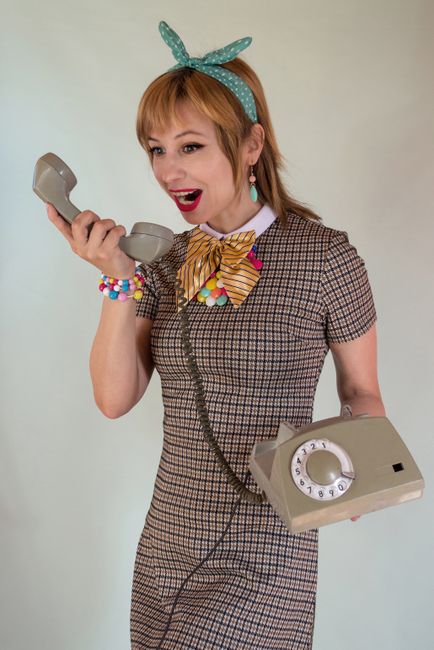
The female characters’ wardrobes, however, underwent a more dramatic transformation, mirroring the societal shifts of the era. Betty Draper, in the early seasons, embodies the idealized 1950s housewife turned modern woman. Her early looks are characterized by structured dresses with nipped waists, full skirts, and elegant fabrics like silk and tweed. Pastel colors, floral prints, and feminine details like Peter Pan collars and bows are prevalent. As she navigates her personal struggles, her style evolves, but always retains an underlying sense of polished femininity. Joan Holloway, on the other hand, presents a different facet of female power and allure. Her wardrobe is a testament to hourglass silhouettes, favoring form-fitting dresses in vibrant colors like red, emerald green, and sapphire blue. The iconic pencil skirt and tailored blouse combination, often in luxurious fabrics like silk or satin, became her signature. Joan’s style exudes confidence and sensuality, a deliberate choice in a male-dominated environment. Peggy Olson’s sartorial journey is perhaps the most pronounced arc in the series, reflecting her growth from a timid secretary to a formidable creative director. Her early outfits are more muted, favoring practical, less fashionable dresses and skirt suits. As she climbs the corporate ladder and gains self-assurance, her wardrobe becomes more sophisticated and authoritative. The introduction of trousers, a significant sartorial statement for women at the time, marks a turning point in her confidence and independence. Her later looks incorporate sharper tailoring, more refined fabrics, and a subtly powerful color palette, demonstrating a clear visual correlation between her professional ascent and her evolving personal style. The show’s exploration of female fashion wasn’t merely about aesthetics; it was about the power dynamics, the societal expectations, and the burgeoning agency of women.
The underlying philosophy of Mad Men‘s style is one of aspirational elegance and deliberate self-presentation. The characters don’t just wear clothes; they inhabit them. Each outfit is a carefully chosen statement, designed to convey a specific message about their identity, their ambition, and their place in the world. This meticulous approach to styling reflects the ad men’s own profession, where creating compelling narratives and crafting persuasive images was paramount. The show’s visual language underscored the art of persuasion, and the characters’ wardrobes were an integral part of that art. The emphasis on quality fabrics, impeccable fit, and timeless silhouettes created a sense of enduring style that transcended fleeting trends. This resonated deeply with audiences, who were drawn to the show’s idealized vision of a bygone era and its characters’ sophisticated approach to life.
The historical context of Mad Men‘s fashion is crucial to understanding its impact. The early 1960s were a transitional period, bridging the conservative aesthetic of the 1950s with the burgeoning youthquake of the late 1960s. The show masterfully captures this shift. Initially, the women’s styles lean heavily on the structured, feminine silhouettes of the previous decade. However, as the series progresses into the latter half of the 1960s, the influence of designers like Mary Quant and the rise of mod fashion become subtly evident in the hemlines, the bolder colors, and the shift towards more youthful, less restrictive garments. The men’s fashion, while more resistant to radical change, also saw subtle shifts, with narrower ties and a slight loosening of suit silhouettes in later seasons. The show’s ability to chart this evolution with such nuance provided a visual timeline of cultural change, making its sartorial choices not just fashionable, but historically significant. The characters’ wardrobes were not static; they evolved with the times, reflecting the anxieties, aspirations, and liberation that defined the decade.
The influence of Mad Men on contemporary fashion has been profound and far-reaching. The show ignited a resurgence of interest in vintage clothing and mid-century modern aesthetics. Tailored suits, classic trench coats, shift dresses, and bold prints once again found their place in modern wardrobes. The emphasis on quality craftsmanship and timeless design, a cornerstone of Mad Men‘s style, served as a counterpoint to the fast-fashion culture, encouraging a more considered approach to consumption. Designers frequently cite the show as inspiration for their collections, and retail brands have capitalized on its aesthetic by releasing "Mad Men-inspired" lines. The show’s impact is evident in the renewed popularity of specific silhouettes, color palettes, and accessory choices that echo the sartorial choices of its characters. Furthermore, the show’s emphasis on the power of presentation has encouraged a broader appreciation for how personal style can be a tool for self-expression and professional advancement.
In the digital age, Mad Men‘s style continues to find relevance through social media platforms and online fashion communities. Pinterest boards, Instagram accounts, and fashion blogs are replete with images and analyses of the show’s iconic looks, allowing new generations to discover and embrace its aesthetic. The accessibility of these platforms facilitates the sharing and dissemination of vintage inspiration and contemporary interpretations of Mad Men-esque fashion. The show’s enduring appeal lies in its ability to evoke a sense of classic glamour and sophisticated storytelling, elements that resonate deeply in a world often characterized by fleeting trends and digital ephemerality. The "Mad Men effect" persists, influencing not just what people wear but how they approach their personal style – with intention, confidence, and a touch of timeless elegance. The show’s legacy is firmly cemented not just in television history, but in the ongoing conversation and evolution of fashion itself. The meticulously crafted wardrobes remain a benchmark for period authenticity and aspirational style, continuing to inspire designers, stylists, and fashion enthusiasts alike.

