
Airbnb Introduces Collaborative Wish Lists: Revolutionizing Group Travel Planning and Discovery
Airbnb’s latest feature, Collaborative Wish Lists, marks a significant evolution in how travelers plan and share their dream getaways. Moving beyond individualistic saving of desired accommodations, this innovative tool allows multiple users to collectively curate, discuss, and book trips, addressing a long-standing pain point in group travel. This functionality is more than just a social amenity; it’s a strategic enhancement designed to increase user engagement, facilitate booking conversions, and ultimately, drive more traffic to Airbnb’s vast inventory of unique stays and experiences. By enabling shared decision-making, Airbnb is tapping into the inherent social nature of travel, making the planning process itself a more integrated and enjoyable part of the overall journey. This article will delve into the multifaceted implications of Collaborative Wish Lists, exploring their functionality, benefits for travelers and hosts, their potential impact on the travel industry, and the underlying SEO strategies that make this feature a powerful tool for Airbnb’s continued growth.
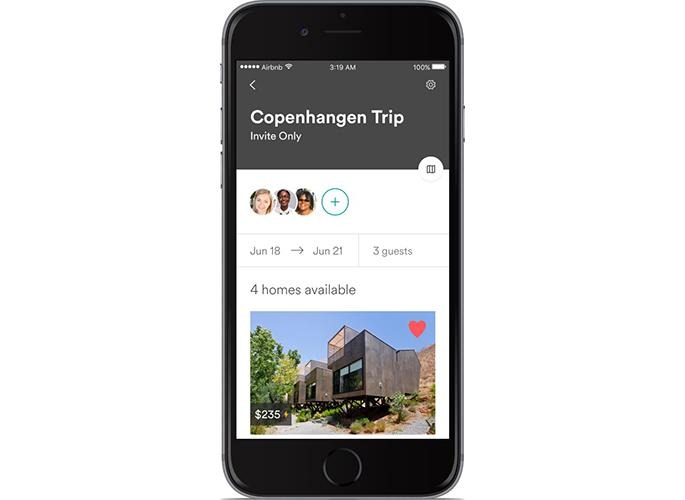
The core functionality of Collaborative Wish Lists revolves around shared access and real-time collaboration. A primary user initiates a Wish List and can then invite friends, family, or colleagues to join. Once added, each member can contribute by adding new listings they discover, commenting on existing suggestions, and voting on their favorites. This interactive element transforms passive saving into active participation. Imagine a group of friends planning a bachelorette party. Instead of a chaotic email chain or scattered links, they can now coalesce around a single, dynamic Wish List. One person might find a beachfront villa, another a charming city apartment, and a third a unique glamping experience. Each member can add their findings, and the group can then discuss the pros and cons of each option directly within the Wish List interface. This eliminates the friction and potential for miscommunication that often plagues group trip planning, making the process more streamlined and enjoyable. Furthermore, the ability to add comments and engage in discussions directly on each listing fosters a sense of shared ownership and excitement, further enhancing the pre-trip anticipation. This collaborative environment is key to moving from inspiration to booking.
For travelers, the benefits of Collaborative Wish Lists are immediately apparent and deeply impactful. Firstly, it drastically simplifies the often-arduous task of coordinating group travel. No more sending dozens of links back and forth, or trying to remember who liked which property. All potential accommodations are in one central, accessible location. This organization directly translates to saved time and reduced stress for all involved. Secondly, it democratizes the planning process. Every member of the group has a voice, and their preferences can be easily considered. This can lead to more inclusive trip planning, ensuring that everyone’s desires are at least acknowledged, if not fully accommodated. Thirdly, it enhances the discovery aspect of travel. With multiple eyes searching, the likelihood of finding that perfect, hidden gem accommodation increases exponentially. Users can leverage the collective knowledge and diverse tastes of their network to unearth unique properties they might have otherwise missed. This crowdsourced discovery is a powerful engine for serendipitous travel moments and can lead to more memorable trips. Finally, and crucially for Airbnb’s business model, it accelerates the booking decision. When a group can collectively agree on a property, the path to reservation is significantly shorter.
The impact of Collaborative Wish Lists extends beyond individual user convenience; it holds significant implications for Airbnb’s platform and its host community. From an SEO perspective, this feature is a goldmine. The increased user engagement directly translates to longer session durations and more frequent site visits. As users spend more time on the platform, interacting with listings, commenting, and inviting others, search engines like Google will perceive Airbnb as a more valuable and authoritative source of travel content. This can lead to higher rankings for relevant search queries, driving more organic traffic to the platform. Furthermore, the collaborative nature of these lists encourages sharing. When a user invites friends to a Wish List, they are essentially acting as brand advocates, promoting Airbnb to their social networks. This organic social sharing is invaluable for brand visibility and can lead to new user acquisition. The discussions and comments within Wish Lists also generate valuable user-generated content, which can be indexed by search engines, further improving Airbnb’s search footprint. Keywords naturally emerge from these conversations, providing rich semantic data that search algorithms can utilize.
For hosts, Collaborative Wish Lists represent a direct pathway to increased bookings and a more engaged customer base. By making group decision-making easier, the feature inherently reduces the lead time from discovery to booking for group trips. This means hosts are more likely to secure reservations for their properties, especially for larger accommodations that are often sought after for group events like family reunions, weddings, or friend getaways. Moreover, the interactive nature of Wish Lists can lead to more informed bookings. When guests have collaboratively vetted a property, discussing its features and suitability, they are likely to arrive with clearer expectations, potentially leading to fewer on-site issues and more positive reviews. The increased visibility of listings within collaborative Wish Lists also means that popular properties can gain further traction through social recommendations, effectively creating mini-viral loops of interest. Hosts can also indirectly benefit by ensuring their listings are optimized with high-quality photos, detailed descriptions, and responsive communication, as these elements will be scrutinized and discussed within the collaborative planning process.
The technical implementation of Collaborative Wish Lists, while not directly visible to the end-user, is crucial for its success and its SEO implications. Robust data management is required to track user interactions, permissions, and the evolution of each Wish List. The real-time updating of comments, votes, and additions necessitates efficient backend infrastructure and potentially real-time data synchronization technologies. From an SEO standpoint, each interaction within a Wish List – adding a listing, commenting, voting – can generate unique data points that can be leveraged. For instance, the collective interest in a specific listing within multiple Wish Lists can serve as a strong signal of popularity and relevance, which search engines can interpret. The ability to easily share Wish Lists via direct links or through integrated social sharing buttons also amplifies their discoverability and potential for organic reach. The more people who can easily access and view these curated lists, the more opportunities there are for those lists and the listings within them to be indexed and ranked by search engines. Furthermore, ensuring that these Wish Lists are crawlable and indexable by search engines, while maintaining user privacy where necessary, is a delicate balancing act that Airbnb must master. The metadata generated by these collaborative activities can also be used to enhance the SEO of individual listing pages.
The strategic importance of Collaborative Wish Lists for Airbnb lies in its ability to tap into the social graph of its users. Travel is inherently a social activity, and by integrating this social dimension directly into the planning and booking process, Airbnb is strengthening user loyalty and fostering a more engaging ecosystem. The feature encourages repeated engagement, as users will likely return to their Wish Lists to finalize plans, discuss details, and ultimately book their trips. This sustained interaction is a key driver of user retention and can lead to a higher lifetime value for each customer. Moreover, the success of this feature can serve as a powerful differentiator in a competitive travel market. While other platforms may offer wish list functionalities, the depth of collaboration and integration offered by Airbnb’s solution is a significant step forward. This innovation positions Airbnb not just as a booking platform, but as a comprehensive travel planning companion. The network effects are also significant; as more users adopt and benefit from Collaborative Wish Lists, the platform becomes more valuable to everyone, creating a virtuous cycle of growth and engagement.
Looking ahead, the potential for expansion and further integration of Collaborative Wish Lists is vast. Airbnb could leverage the data generated from these lists to offer more personalized recommendations, not only for accommodations but also for local experiences and activities that align with the collective preferences of a group. Imagine a Wish List for a ski trip that not only includes ski chalets but also suggests ski schools, après-ski venues, and recommended restaurants based on the group’s overall vibe. This level of hyper-personalization, powered by collaborative data, could further solidify Airbnb’s position as a holistic travel solution. The platform could also introduce more advanced collaborative features, such as integrated budgeting tools, shared itineraries, or even AI-powered suggestions for destinations and accommodations based on the group’s past travel history and expressed preferences. The SEO implications of these future iterations would be equally profound, as each new layer of functionality would generate more rich, indexable content and further enhance user engagement, reinforcing Airbnb’s authority in the travel search landscape. The ability for users to seamlessly transition from collaborative planning to booking also means that search engines will increasingly associate collaborative travel intent with Airbnb.
The integration of Collaborative Wish Lists into the Airbnb ecosystem is a masterstroke of user-centric design and strategic business development. It addresses a fundamental challenge in group travel, making the planning process more efficient, enjoyable, and ultimately, more conducive to booking. The SEO benefits are substantial, stemming from increased user engagement, organic social sharing, and the generation of valuable user-generated content. For hosts, it represents a direct avenue to increased bookings and more informed clientele. As Airbnb continues to evolve, features like Collaborative Wish Lists demonstrate a deep understanding of traveler behavior and a commitment to leveraging technology to enhance the entire travel journey, from initial inspiration to shared memories. The underlying search engine optimization strategies, though often invisible to the end-user, are meticulously woven into the fabric of this feature, ensuring that Airbnb remains at the forefront of online travel discovery and planning. This is not merely a new feature; it’s a fundamental enhancement to the travel planning paradigm, designed to foster connection, simplify complexity, and drive bookings in the increasingly social world of travel. The long-term implications for user retention, acquisition, and ultimately, platform growth, are immense, further solidifying Airbnb’s dominance in the unique accommodations market.

