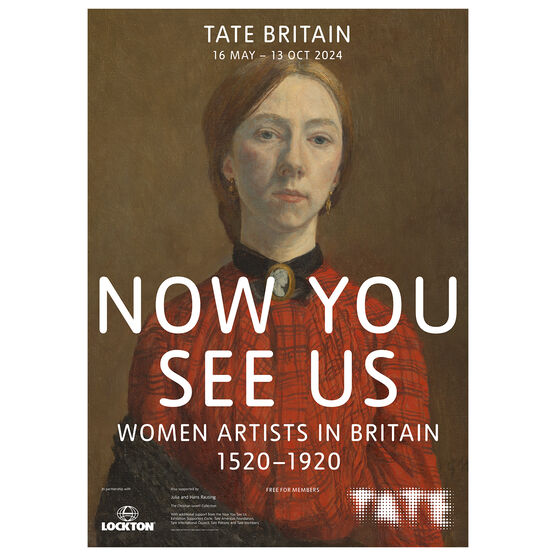

Now You See Us Opens at Tate Britain: A Monumental Showcase of Black British Art
Tate Britain unveils "Now You See Us," a groundbreaking exhibition that illuminates the rich and complex history of Black British art, spanning over 200 years. This monumental display, running from [Start Date] to [End Date], is not merely a collection of artworks; it is a vital recalibration of narratives, a deliberate act of bringing previously marginalized voices to the forefront of national art discourse. The exhibition’s genesis lies in the urgent need to acknowledge and celebrate the contributions of Black artists who have shaped, challenged, and enriched the British art landscape, often in the face of significant societal and institutional barriers. "Now You See Us" is a powerful testament to resilience, creativity, and the enduring impact of Black perspectives on British culture. The exhibition’s scale and scope are ambitious, featuring over 100 works by more than 70 artists, encompassing painting, sculpture, photography, film, and performance art. From the abolitionist era to the present day, this exhibition meticulously traces the evolution of Black artistic expression in Britain, highlighting key moments, artistic movements, and the individual journeys of artists who have often worked outside the mainstream, yet whose influence is undeniable.
The exhibition’s thematic approach is crucial to its success. Instead of a purely chronological survey, "Now You See Us" is organized around several interconnected themes that reflect the lived experiences and artistic concerns of Black Britons. These themes include identity and belonging, resistance and activism, spirituality and mythology, migration and diaspora, and the interrogation of history and representation. This thematic structure allows for a nuanced exploration of the multifaceted nature of Black British identity and its artistic manifestations. For instance, the section on "Identity and Belonging" delves into how artists have navigated the complexities of existing between cultures, forging new identities within the British context. Works in this section might explore themes of hybridity, alienation, and the search for home, often through poignant and deeply personal narratives. The "Resistance and Activism" segment directly confronts the legacy of colonialism, racism, and social injustice, showcasing art as a tool for protest, empowerment, and the articulation of political dissent. This section is particularly vital in understanding how Black artists have historically used their creativity to challenge dominant narratives and advocate for change.
The historical depth of "Now You See Us" is a key differentiating factor. The exhibition makes a concerted effort to extend its gaze beyond the more recent decades of Black British art, which have received increasing attention, to unearth and present earlier, less visible contributions. This includes works from the 18th and 19th centuries, demonstrating that Black artistic presence in Britain is not a recent phenomenon but has a long and intricate history. Artists such as Ignatius Sancho, an 18th-century composer, writer, and landowner, whose portraits are featured, and Robert Duncanson, an American landscape painter of Black and Scottish descent who spent significant time in Britain, are brought into sharper focus. This historical grounding is essential for understanding the continuum of artistic practice and the foundations upon which later generations of artists built. It challenges the prevalent notion that Black British art only emerged in the latter half of the 20th century, offering a more complete and accurate historical panorama.
Key artists featured prominently in "Now You See Us" represent a spectrum of generations and artistic styles. While an exhaustive list is beyond the scope of this article, notable inclusions such as those by Lubaina Himid, the first Black woman to win the Turner Prize, whose work often explores themes of history, memory, and the legacies of slavery; Hew Locke, known for his intricate sculptures and installations that critique colonial histories and contemporary power structures; and Yinka Shonibare MBE, whose vibrant textile works and conceptually rich installations examine issues of globalization, identity, and cultural hybridity, are central to the exhibition’s narrative. Beyond these celebrated figures, the exhibition also shines a spotlight on lesser-known but equally significant artists, offering new discoveries for audiences and scholars alike. The inclusion of artists from different diasporic communities within Britain further enriches the exhibition’s tapestry, acknowledging the diverse origins and experiences that contribute to the broader Black British art landscape.
The curatorial approach of "Now You See Us" is particularly commendable for its commitment to inclusivity and its engagement with contemporary scholarship on Black British art. The exhibition moves beyond simply presenting a collection of objects to fostering a dialogue about the methodologies, theories, and political imperatives that have informed the creation and reception of Black art in Britain. The accompanying catalogue and public programming are integral to this endeavor, offering deeper contextualization, critical essays, and opportunities for engagement with artists, curators, and academics. This holistic approach ensures that "Now You See Us" is not only a visual feast but also an intellectual and educational experience that aims to broaden understanding and foster critical reflection.
The exhibition’s title, "Now You See Us," is a direct and powerful statement. It signifies a conscious effort to shift the gaze, to demand recognition, and to assert the presence and significance of Black artists within the British art canon. It acknowledges the historical invisibility and underrepresentation that these artists have endured and proclaims their undeniable impact. The exhibition’s positioning within Tate Britain, a national institution, is also significant. It signifies a landmark moment for Black British art, moving it from the margins to the center of national art discourse and ensuring its visibility to a broad and diverse audience. This institutional validation is crucial for continued recognition, support, and the integration of Black British art into academic curricula and museum collections.
The thematic sections offer specific insights into the diverse expressions within Black British art. The "Spirituality and Mythology" section, for example, explores how artists draw upon African spiritual traditions, folklore, and belief systems to inform their work, creating powerful visual languages that connect to ancestral heritage and offer alternative cosmologies. This often involves vibrant symbolism, ritualistic elements, and a deep engagement with the spiritual dimensions of life. Conversely, the "Migration and Diaspora" theme directly addresses the journeys of individuals and communities to Britain, the complexities of establishing new lives, and the enduring connections to ancestral lands. This theme is often expressed through narratives of displacement, cultural negotiation, and the creation of hybrid identities, reflecting the lived realities of many Black Britons.
"Now You See Us" also provides a critical lens through which to examine the historical relationship between art institutions and Black artists in Britain. The exhibition implicitly, and sometimes explicitly, addresses the systemic biases and exclusions that have characterized the art world for centuries. By bringing these works together and contextualizing them within a national institution, Tate Britain is actively participating in a process of redress and recognition. This exhibition is a tangible step towards a more equitable and representative art history, one that acknowledges the full spectrum of creative talent that has shaped Britain.
The engagement with contemporary issues is also a vital aspect of "Now You See Us." While historical works are prominently featured, the exhibition is not a static historical document. It demonstrates the continuing relevance and evolution of Black British artistic practice in response to contemporary challenges and opportunities. The inclusion of emerging artists alongside established figures ensures that the exhibition reflects the dynamic and ongoing nature of Black creativity in Britain. This forward-looking perspective is crucial for understanding the future trajectory of Black British art.
In conclusion, "Now You See Us" at Tate Britain is an exhibition of profound significance. It is a bold and necessary undertaking that reclaims, celebrates, and critically engages with the vast and varied contributions of Black artists to British art history. Through its thematic organization, historical depth, and powerful selection of works, the exhibition compels audiences to see, understand, and appreciate the indelible mark that Black artists have made and continue to make on the cultural fabric of Britain. This is an exhibition that demands attention, sparks dialogue, and ultimately contributes to a more inclusive, accurate, and vibrant understanding of art in Britain. Its success will undoubtedly pave the way for further critical reappraisals and a more sustained commitment to showcasing and supporting Black British art within national institutions and beyond. The exhibition’s impact will resonate long after its closing date, serving as a vital resource and inspiration for generations to come.

