
The Forever Home: More Than Bricks and Mortar, It’s a Symphony of Belonging
The concept of a "forever home" transcends mere ownership of property; it represents a profound emotional and psychological anchor, a sanctuary built not just with wood and nails but with shared experiences, personal growth, and an unwavering sense of belonging. It’s the culmination of a journey, a destination where one can shed the anxieties of transience and embrace the deep-rooted comfort of permanence. For many, the allure of a forever home lies in its promise of stability, a solid foundation upon which to build a life, raise a family, and cultivate cherished memories. It’s not about acquiring the largest or most expensive dwelling, but rather finding a space that resonates with the individual’s spirit, a place that feels inherently “right.” This feeling is often intangible, a subtle but powerful connection that whispers, "You’ve arrived." It’s the embodiment of security, a place where one can feel truly safe and unburdened, free from the perpetual need to search for the next chapter. The desire for a forever home is deeply ingrained in the human psyche, a primal yearning for a place to call our own, a haven from the storms of life. It’s a tangible representation of our dreams, our aspirations, and our deepest desires for a life well-lived.
The tangible aspects of a forever home are, of course, crucial. Location plays a pivotal role. Is it in a vibrant community with access to amenities and opportunities, or a tranquil retreat offering solace and connection with nature? Proximity to work, schools, or family can significantly influence this choice, but the ultimate determinant is often the emotional pull of the environment. A home in a neighborhood that feels welcoming and fosters a sense of community can be as vital as the house itself. Children growing up in a place where they feel connected to their peers and have safe spaces to explore often develop a stronger sense of belonging. Similarly, adults benefit from neighborhoods that offer a supportive network, whether through social clubs, shared interests, or simply friendly faces. The presence of green spaces, parks, or recreational areas can contribute to a sense of well-being and provide outlets for physical activity and relaxation. For some, a forever home might be in a bustling city, offering endless possibilities and a dynamic lifestyle. For others, it’s a quiet countryside setting, a place to escape the noise and find peace. The key is finding a location that aligns with one’s values and aspirations, a place that nurtures and inspires. Beyond the broader geographical considerations, the immediate surroundings of the home are also important. The presence of mature trees, a well-maintained garden, or a peaceful street can all contribute to the overall appeal and sense of permanence.
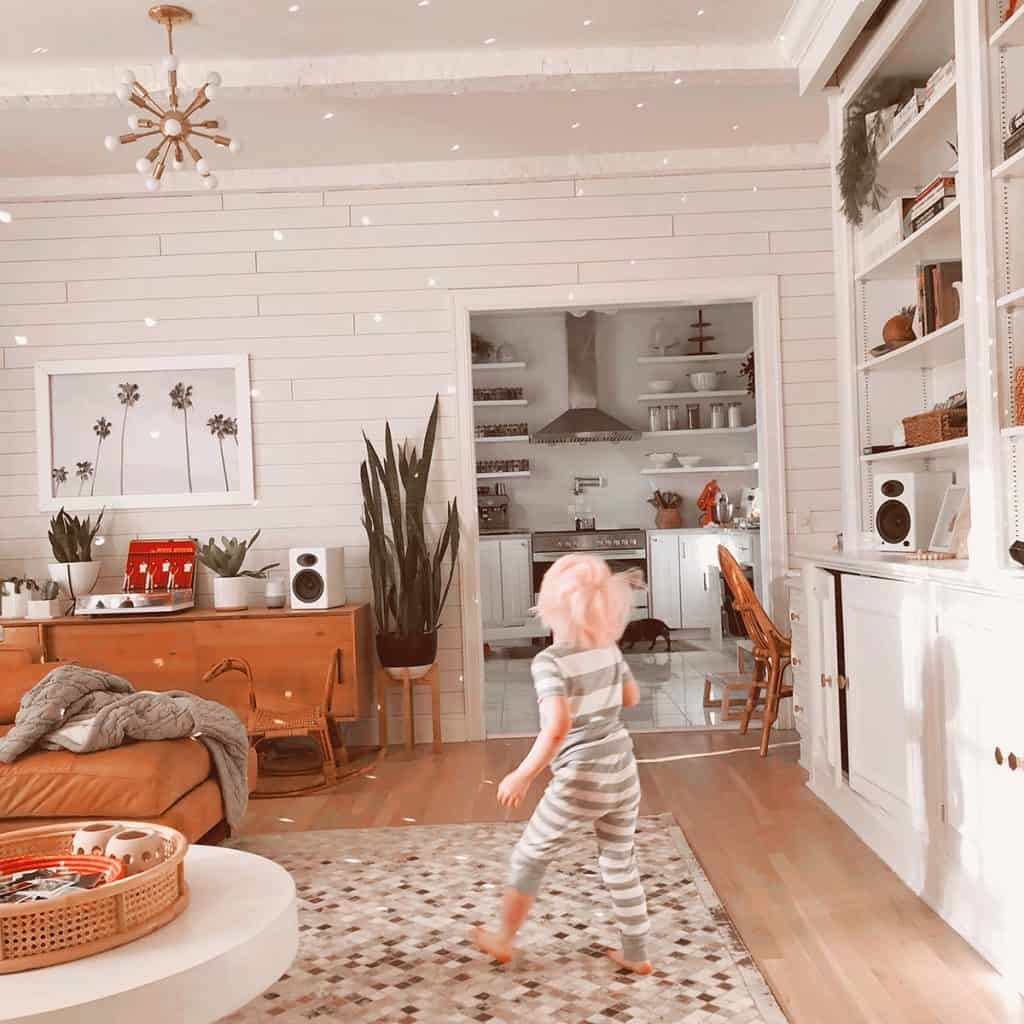
Architectural style and interior design preferences are deeply personal but contribute significantly to the feeling of a forever home. A house that reflects one’s aesthetic sensibilities, where every corner feels curated and intentional, becomes more than just a structure; it becomes an extension of the self. Whether it’s a charming historic cottage, a sleek modern dwelling, or a sprawling farmhouse, the style should evoke a sense of comfort and personal expression. The layout of the home is equally important. Does it accommodate current needs and future plans? A growing family might require more bedrooms and living spaces, while an individual or couple might prioritize a home that is easy to maintain and offers dedicated areas for hobbies. Natural light, the flow of rooms, and the overall functionality of the space all contribute to a sense of ease and livability. The materials used in construction and finishing can also evoke a sense of timelessness and quality. Natural wood, stone, and other durable materials often contribute to a feeling of longevity and substance. The way a home is decorated and personalized further solidifies its status as a forever home. It’s in the artwork on the walls, the photographs on the mantelpiece, the comfortable furniture that invites relaxation, and the little touches that tell a unique story.
Financially, a forever home represents a significant investment and a commitment to a particular lifestyle. It’s a place where one can build equity, gain a sense of financial stability, and plan for the future. The ability to modify and improve the home over time, adding personal touches and adapting it to evolving needs, is a key component of its enduring appeal. This freedom from the constant pressure of moving due to lease expiries or landlord decisions allows for a more relaxed approach to homeownership. It fosters a sense of pride and ownership that goes beyond mere occupancy. The financial freedom to invest in renovations, landscaping, or even just new paint colors without seeking permission adds another layer to the feeling of permanence. It’s the ability to leave one’s mark, to create a legacy within the walls of their home. This financial commitment also signifies a belief in the future, a willingness to invest in a place that will serve as a stable backdrop for life’s many seasons. The emotional security derived from knowing your living situation is stable, and not subject to the whims of external forces, is a powerful contributor to the concept of a forever home.
Beyond the physical and financial, the emotional resonance of a forever home is paramount. It’s the feeling of sanctuary, a place of refuge where one can retreat from the demands of the outside world and be their authentic self. This emotional safety net allows for vulnerability, for mistakes, and for the unhindered pursuit of personal growth. It’s where deep connections are forged, where laughter echoes through the halls, and where comfort is found in the quiet moments. The sense of belonging that a forever home provides is deeply nurturing, fostering a feeling of being accepted, valued, and loved. It’s the opposite of feeling like an outsider, a transient visitor. It’s the feeling of being anchored, of having roots that run deep. This emotional connection is built over time, through shared experiences, both joyful and challenging. It’s in the traditions that are established, the holidays celebrated, and the everyday routines that create a rhythm of life. The home becomes a repository of memories, each object, each room, holding a story.
The concept of a forever home is not static; it evolves with us. What might be considered a forever home in one stage of life may transform its meaning in another. For young couples, it might be a starter home that they plan to grow into. For families with children, it’s a place that accommodates their expanding needs. As children leave the nest, the forever home might become a place for different kinds of gatherings, for grandchildren, or for quiet reflection. The ability of a home to adapt and remain relevant throughout these different phases of life is a testament to its enduring value. It’s not about finding a perfect, unchanging dwelling, but rather a home that has the capacity to be reinterpreted and repurposed as our lives unfold. It’s a home that allows for flexibility and embraces the natural transitions that life brings. This adaptability is a key characteristic of a truly cherished and lasting abode. The physical structure may remain, but its purpose and the memories it holds will continue to evolve, making it a true forever home.
Ultimately, a forever home is a deeply personal definition. It’s the place where you feel most at peace, most yourself, and most connected. It’s a space that nourishes your soul, supports your dreams, and provides a constant source of comfort and belonging. It’s the place where you can truly exhale and say, "I am home." The search for this perfect, yet often imperfect, haven is a quest that many embark upon, driven by a desire for stability, security, and a profound sense of belonging. It’s a journey that begins with a dream and culminates in the quiet joy of finding that special place that resonates with your deepest sense of self. The feeling of a forever home is not something that can be easily quantified or explained; it is felt. It is the culmination of a life’s aspirations and the foundation upon which future happiness is built. It is the ultimate expression of finding your place in the world, a place to not just live, but to thrive. The search for a forever home is a testament to our innate need for connection, security, and a lasting sense of belonging in a world that is often in flux.

