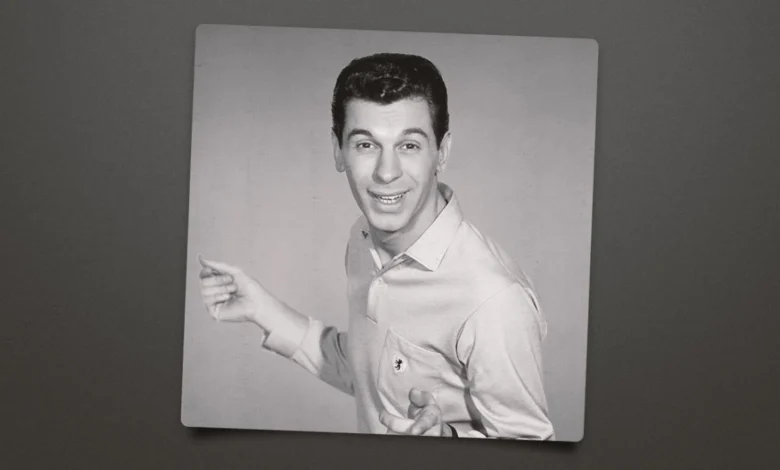
The vibrant era of early rock and roll has lost one of its most energetic and enduring voices with the passing of Freddy Cannon, the dynamic performer whose string of energetic hits, including the enduring anthems "Palisades Park" and "Tallahassee Lassie," defined a generation. Cannon died on Friday at the age of 89, succumbing to his illness at a hospice facility in California, as confirmed by his close friend and iHeart Radio personality, Tom Cuddy. Cuddy shared that Cannon had been eagerly anticipating an interview with legendary DJ Cousin Brucie Morrow scheduled for July 11th, but was hospitalized the day prior to this planned engagement, a poignant reminder of his continued active engagement with his music and fans.
Born Frederick Anthony Picariello Jr. on December 4, 1936, in Lynn, Massachusetts, Cannon’s journey from the industrial heartland of New England to the glittering stages of rock and roll history is a testament to raw talent and unwavering determination. It was in Lynn that his musical aspirations began to take shape. His early recordings, particularly a nascent version of what would become the infectious "Tallahassee Lassie," caught the ear of Dick Clark, the impresario of teenage entertainment and host of the seminal television program American Bandstand. Clark’s keen insight into burgeoning talent proved instrumental, and he encouraged the young Cannon, then in his late teens, to relocate to Philadelphia, a move that would irrevocably alter the course of his life and career. This relocation, facilitated by Clark’s influence, was a pivotal step, placing Cannon at the epicenter of the burgeoning rock and roll scene.
The release of "Tallahassee Lassie" in 1959 proved to be Cannon’s breakthrough moment. The song, a rollicking ode to the charm of the Florida capital, resonated with a national audience, climbing the charts to peak at number six on Billboard’s Hot 100. This achievement marked Cannon’s inaugural appearance on the prestigious Billboard charts, signaling his arrival as a significant force in the music industry. His connection with Dick Clark deepened, leading to his debut on American Bandstand the following year. This initial appearance was the first of an astounding and record-setting 110 performances on the weekly dance show, a remarkable feat that underscores his enduring popularity and his ability to connect with the youth culture of the era. His frequent appearances on American Bandstand solidified his image as a quintessential rock and roll performer, a regular fixture in the homes of teenagers across America.
Cannon’s career continued its upward trajectory with the release of "Palisades Park" in 1962. This effervescent track, celebrating the joys of a day at the iconic New Jersey amusement park, proved to be his most commercially successful single, soaring to an impressive number three on the Billboard Hot 100. The song’s infectious melody and Cannon’s signature energetic delivery cemented its status as a timeless summer anthem. Beyond these signature hits, Cannon’s discography boasts a rich tapestry of memorable tunes that captured the spirit of the 1960s. His other notable chart successes include the dynamic "Jump Over" and the jaunty "Chattanooga Shoe Shine Boy" in 1960, followed by the whimsical "Abigail Beecher" in 1964. Further solidifying his presence in the latter half of the decade were the high-octane "Action" in 1965 and the poignant "The Dedication Song" in 1966, among a multitude of other popular recordings that showcased his versatility and enduring appeal.
Beyond his musical achievements, Freddy Cannon was a multi-faceted entertainer. In 2011, he published his memoir, aptly titled Where the Action Is!, a title that mirrored the spirit of his career and his energetic stage persona. His foray into acting also saw him appear in a television series of the same name, further expanding his reach. Cannon’s screen credits extended to various television shows and films, including roles in "No Time for Sergeants," the sci-fi cult classic "Village of the Giants," the popular teen show "Never Too Young," and an appearance on "Svengoolie," demonstrating his continued engagement with the entertainment industry throughout his life.
Freddy Cannon’s legacy extends to his family, who survive him. He is remembered by his children, Conny Weber and Billy Cannon, his sister Mary Lou, his son-in-law Jim, his daughter-in-law Beth, five grandchildren, and seven great-grandchildren. His passing follows the recent loss of his son John, who died in April, and his wife Jeanette, who passed away earlier in 2024. These recent family bereavements cast a somber shadow over his final days, yet his enduring spirit and the joy he brought through his music will undoubtedly continue to be a source of comfort to his loved ones.
The "Boom Boom" Sound: A Sonic Landscape of the Early Rock and Roll Era
Freddy "Boom Boom" Cannon’s music was characterized by its unadulterated energy, infectious rhythms, and a distinctively youthful exuberance that perfectly encapsulated the spirit of early rock and roll. His signature vocal style, often delivered with a playful, almost shouting quality, was instantly recognizable and contributed to his energetic stage persona. The nickname "Boom Boom," bestowed upon him by his fans and the media, was a fitting descriptor of his electrifying performances and the powerful, driving sound of his most popular songs.
His early recordings, often produced with a raw, unpolished aesthetic that was characteristic of the era, possessed an undeniable authenticity. The instrumentation typically featured prominent guitar riffs, a driving bassline, and a steady, danceable drum beat, all designed to get teenagers on their feet. The lyrical content of his songs, while often simple, focused on themes of youthful romance, summer fun, and carefree escapism, resonating deeply with a generation eager to break free from the more staid musical traditions of the past.
"Tallahassee Lassie" and the Birth of a Star
The story of "Tallahassee Lassie" is a cornerstone of Cannon’s career. The song’s initial recording sessions, conducted with a sense of urgency and creative spark, laid the groundwork for its eventual success. Dick Clark’s involvement was crucial, not just in spotting the song’s potential but in guiding Cannon’s career trajectory. The song’s success on the charts was a significant event, not only for Cannon but for the broader landscape of popular music. It demonstrated the commercial viability of artists emerging from regional scenes and the power of television in nationalizing musical trends. The song’s enduring popularity is a testament to its catchy melody and Cannon’s spirited performance, making it a staple of oldies radio and a beloved anthem for those who grew up with it.
"Palisades Park" and the Pinnacle of Chart Success
"Palisades Park" represented the zenith of Cannon’s chart performance, reaching number three on the Billboard Hot 100. The song’s vibrant depiction of a day at the amusement park tapped into a universal theme of summer joy and adolescent adventure. Its success solidified Cannon’s position as a major recording artist and cemented his reputation for producing upbeat, crowd-pleasing hits. The song’s enduring appeal lies in its ability to evoke nostalgic memories of carefree days and youthful excitement, making it a timeless classic that continues to be celebrated.
The American Bandstand Connection: A National Stage
Freddy Cannon’s relationship with Dick Clark’s American Bandstand was a defining element of his career. The weekly television show served as a crucial platform for emerging artists, exposing them to a national audience of millions. Cannon’s record-breaking 110 appearances on the program were not merely a measure of his popularity; they were a testament to his consistent ability to captivate viewers and embody the youthful spirit that American Bandstand championed. Each appearance was an opportunity to showcase his latest hits and connect with his burgeoning fanbase, further solidifying his image as a relatable and exciting performer. The show provided a visual and auditory identity for his music, transforming him from a regional artist into a national phenomenon. His consistent presence on the show also mirrored the evolving trends in popular music and youth culture, making him a constant presence during a transformative decade for American society.
Beyond the Music: A Multifaceted Entertainer
Cannon’s talents extended beyond his musical prowess. His memoir, "Where the Action Is!", offered fans a glimpse into his life and career, revealing the man behind the energetic stage persona. His participation in the television series adaptation of his memoir, alongside other acting roles, demonstrated his versatility and his continued desire to engage with the entertainment world. These ventures showcased his ability to connect with audiences across different mediums, further cementing his status as a beloved entertainer. His appearances in shows like "Village of the Giants," a science fiction film known for its cult following, and his work on "Svengoolie," a program dedicated to classic horror films, highlight a playful engagement with different genres and fan bases.
Legacy and Impact: A Soundtrack to a Generation
Freddy "Boom Boom" Cannon leaves behind a legacy as a quintessential rock and roll pioneer. His energetic performances, memorable hits, and enduring connection with his audience have secured his place in music history. He was a vital figure in the transition from the early days of rock and roll to the more complex sounds that would emerge in the following decades. His music provided a soundtrack for a generation, evoking feelings of joy, freedom, and youthful exuberance. The impact of his music can still be felt today, as his songs continue to be played on radio stations, featured in films and television shows, and cherished by fans who remember the vibrant era he helped to define. His passing marks the end of an era, but the echoes of his "Boom Boom" sound will undoubtedly resonate for generations to come. The longevity of his career, spanning decades and adapting to changing musical landscapes, speaks volumes about his talent and his ability to remain relevant in the ever-evolving world of popular music. His influence can be seen in the many artists who have followed, drawing inspiration from his infectious energy and his unwavering commitment to creating music that made people want to dance and feel alive.