The Ultimate Guide to Homemade Veggie Chips with Creamy Ranch Dip: A Crispy, Healthy Snack Revolution
Forget processed, salty snacks. This comprehensive guide unlocks the secrets to crafting incredibly satisfying, homemade veggie chips paired with a zesty, homemade ranch dressing. Elevate your snacking game with nutrient-rich, flavorful alternatives that are both delicious and genuinely good for you. We’ll delve into the science of achieving perfect crispness, explore a wide array of vegetable possibilities, and provide an unbeatable ranch dressing recipe that will become your new go-to. This isn’t just about making a snack; it’s about mastering a healthier, more vibrant way to enjoy crunchy goodness.
The Foundation of Flavor: Selecting Your Veggies for Optimal Chip Creation
The success of your homemade veggie chips hinges on the intelligent selection of vegetables. Not all produce is created equal when it comes to achieving that coveted crispness and agreeable texture. The key lies in understanding moisture content, starch levels, and natural sugars. Root vegetables are often the stars of the show due to their lower water content and inherent sweetness, which caramelizes beautifully during baking or air frying.
Sweet Potatoes: These are a perennial favorite for a reason. Their vibrant color is matched only by their natural sweetness and satisfyingly firm texture when sliced thinly. Look for firm, unblemished sweet potatoes. Different varieties like Beauregard (classic orange flesh) or Garnet (deeper red flesh) offer subtle flavor nuances.
Potatoes: While often demonized in their fried form, thinly sliced potatoes, especially russets or Yukon Golds, can yield excellent homemade chips. The starch content provides structure and a delightful crunch. It’s crucial to slice them uniformly to ensure even cooking.
Carrots: Similar to sweet potatoes, carrots offer a pleasing sweetness and a slightly firmer bite. Their distinct color makes for an attractive chip. Baby carrots can be sliced lengthwise for a more uniform chip shape, while larger carrots can be cut into rounds.
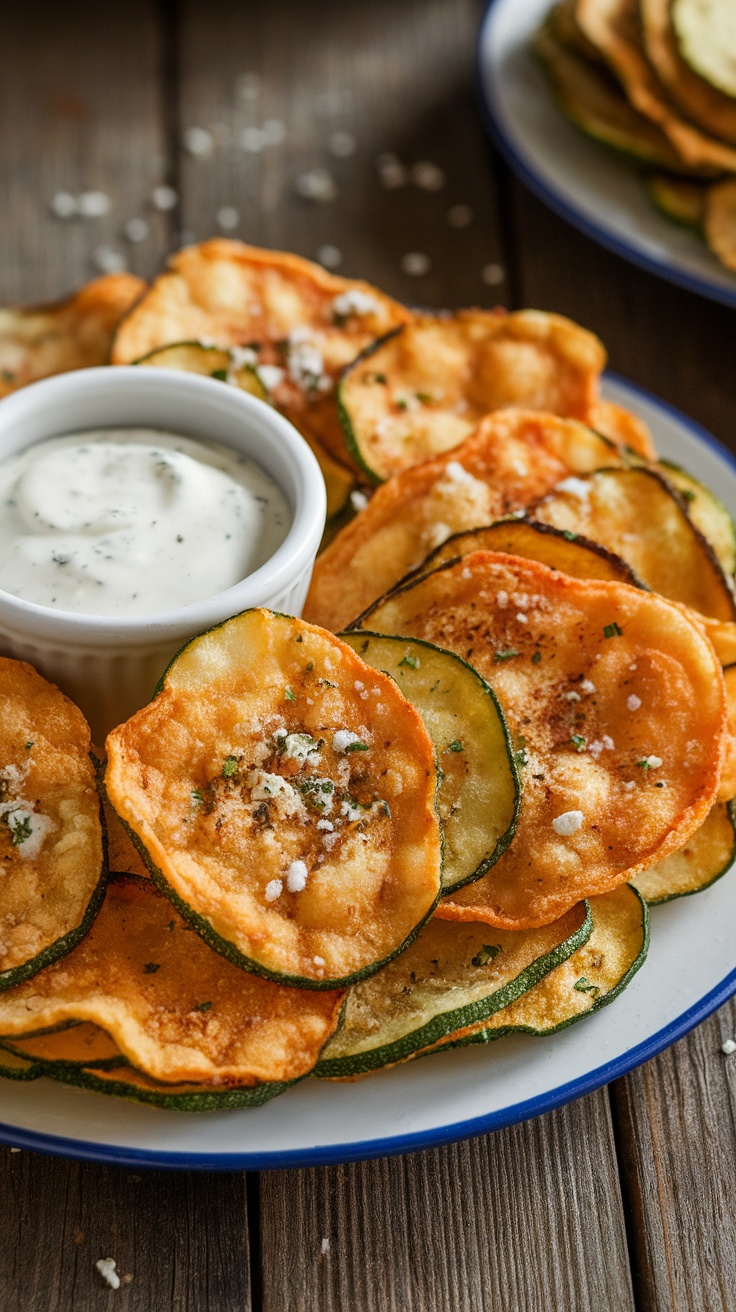
Zucchini and Summer Squash: These are surprisingly versatile. When sliced thinly and properly dehydrated, they can achieve a satisfying crispness. However, their high water content requires careful attention to slicing and cooking time to prevent sogginess. Look for firm, young zucchini and squash for the best results.
Beets: Earthy and rich, beets transform into stunning, jewel-toned chips. Their natural sweetness is more pronounced than many other root vegetables. Red beets are the most common choice for chips, but golden beets offer a milder, sweeter flavor profile and a less staining experience.
Parsnips: With a taste reminiscent of a sweeter, more complex carrot, parsnips bake up beautifully into crunchy chips. Their pale color contrasts nicely with other root vegetables.
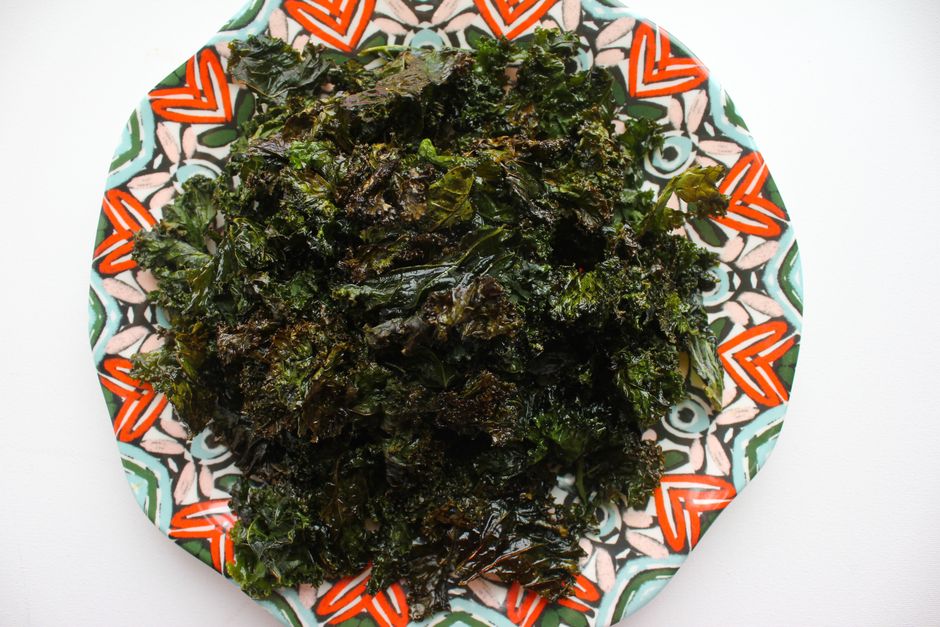
Kale: While not a root vegetable, kale chips are a popular and incredibly healthy option. The key here is to remove the tough stems and ensure the leaves are completely dry before seasoning and baking. They achieve a light, airy crispness rather than a dense crunch.
Broccoli and Cauliflower Stems: Don’t discard these nutrient-rich powerhouses! Sliced thinly, the stems of broccoli and cauliflower can be surprisingly delicious and offer a unique texture. They require a bit more attention to ensure they cook through without burning.
Rutabaga and Turnips: These lesser-known root vegetables offer a slightly more peppery and pungent flavor profile, which can be a delightful change of pace. Their firm texture lends itself well to chip making.
Beyond the obvious, consider less conventional options like jicama for a refreshing, slightly sweet crunch, or green beans (blanched first) for a delicate crispness. The universe of veggie chips is limited only by your culinary curiosity.
The Art of the Slice: Achieving Uniformity for Consistent Crispness
The single most critical factor in creating perfect homemade veggie chips is consistent slicing. Uneven slices will result in a frustrating mix of burnt edges and undercooked, floppy pieces. This is where a mandoline slicer becomes your most valuable kitchen tool.
Mandoline Slicer: Invest in a good quality mandoline. They offer adjustable blade settings, allowing you to achieve paper-thin slices essential for crispiness. Always use the safety guard to protect your fingers. Practice on a less precious vegetable first if you are new to using one.
Sharp Knife and Cutting Board: If a mandoline isn’t an option, a very sharp chef’s knife and a steady hand are paramount. Aim for slices that are no more than 1/16th of an inch thick. This will require patience and practice.
Pre-Slicing Preparation: For vegetables with higher moisture content like zucchini or cucumber, consider salting them lightly after slicing and letting them sit in a colander for 15-30 minutes to draw out excess water. Pat them thoroughly dry before proceeding.
The Science of Crisp: Baking vs. Air Frying for the Perfect Texture
Achieving that satisfying crunch requires the right cooking method and controlled environment. Both oven baking and air frying are excellent alternatives to deep frying, offering healthier profiles without sacrificing texture.
Oven Baking: This is the most accessible method for most home cooks. The key is to use a relatively low temperature and allow for ample air circulation.
- Preheat Oven: 300-325°F (150-160°C). Lower temperatures are crucial for allowing the moisture to evaporate without burning the edges.
- Prepare Baking Sheets: Line baking sheets with parchment paper or silicone baking mats to prevent sticking and ensure even browning.
- Arrange in a Single Layer: This is non-negotiable. Overcrowding will steam the vegetables, leading to soggy chips. You may need multiple baking sheets.
- Flip Midway: Rotate and flip the chips about halfway through the cooking time to ensure even crispness on both sides.
- Cooking Time: This will vary significantly based on the vegetable, thickness of the slice, and your oven. Start checking around 15-20 minutes and continue until desired crispness is achieved, potentially up to 30-45 minutes.
Air Frying: Air fryers excel at circulating hot air, mimicking the effect of deep frying with significantly less oil. This method is generally faster and produces an exceptional crispness.
- Preheat Air Fryer: Typically 350-375°F (175-190°C).
- Don’t Overcrowd: Work in batches. The air fryer basket needs space for air to circulate freely.
- Shake the Basket: Midway through cooking, shake the basket vigorously to redistribute the chips and promote even cooking.
- Cooking Time: Usually 8-15 minutes, depending on the vegetable and air fryer model.
Dehydrator: For those seeking the ultimate in crispness and a truly shelf-stable chip, a food dehydrator is the best tool. It uses a gentle, prolonged drying process at low temperatures. Follow your dehydrator’s instructions for specific vegetables.
Seasoning Secrets: Elevating Veggie Chips Beyond Plainness
Plain veggie chips are a canvas awaiting flavor. The right seasoning can transform them from simple snacks to culinary delights.
The Base: A light coating of olive oil or avocado oil is essential for helping the seasonings adhere and promoting browning. A pastry brush is ideal for even distribution.
Salt: The universal enhancer. Sea salt or kosher salt are preferred for their texture and flavor.
Pepper: Freshly ground black pepper adds a subtle kick.
Herbs:
- Rosemary: Particularly good with potatoes and root vegetables.
- Thyme: Versatile and pairs well with most vegetables.
- Dill: Excellent with zucchini and potato chips.
- Oregano: A classic for a Mediterranean flair.
- Chives: Adds a mild oniony note.
Spices:
- Garlic Powder/Granulated Garlic: Essential for depth of flavor.
- Onion Powder/Granulated Onion: Complements garlic perfectly.
- Paprika (Sweet, Smoked, or Hot): Adds color and a range of smoky or spicy notes. Smoked paprika is particularly transformative for root vegetables.
- Cumin: For an earthy, slightly smoky flavor, especially with sweet potatoes and beets.
- Chili Powder/Cayenne Pepper: For a spicy kick.
- Nutritional Yeast: Adds a cheesy, umami flavor without dairy, a fantastic option for vegan veggie chips.
Combinations to Try:
- Smoky Paprika & Garlic: For sweet potatoes and beets.
- Rosemary & Thyme: Classic for potatoes and parsnips.
- Dill & Garlic: Perfect for zucchini.
- Spicy Cumin & Lime: A vibrant pairing for jicama and sweet potatoes.
- Nutritional Yeast & Garlic: A crowd-pleasing "cheesy" option for any vegetable.
Application: Toss the thinly sliced vegetables with a minimal amount of oil in a bowl, then sprinkle generously with your chosen seasonings. Ensure even coating before arranging on your baking sheet or air fryer basket.
The Unbeatable Homemade Ranch Dressing: A Creamy, Tangy Counterpart
No discussion of veggie chips is complete without an exceptional ranch dressing. This recipe is designed to be creamy, tangy, and bursting with fresh herb flavor, a perfect foil to the crispy, seasoned chips.
Ingredients:
- 1 cup buttermilk (for tang and richness)
- 1 cup sour cream (for creaminess, can substitute with full-fat Greek yogurt for a lighter option)
- 1/4 cup mayonnaise (for extra richness and emulsification, light mayo can be used sparingly)
- 2 tablespoons fresh dill, finely chopped
- 2 tablespoons fresh chives, finely chopped
- 1 tablespoon fresh parsley, finely chopped
- 1 teaspoon garlic powder (or 1 clove garlic, minced very finely)
- 1/2 teaspoon onion powder
- 1/2 teaspoon salt (or to taste)
- 1/4 teaspoon black pepper (freshly ground preferred)
- 1 teaspoon lemon juice or white vinegar (for an extra tangy note, optional)
Instructions:
- Combine Wet Ingredients: In a medium bowl, whisk together the buttermilk, sour cream, and mayonnaise until smooth and well combined.
- Add Herbs and Spices: Stir in the chopped fresh dill, chives, and parsley. Add the garlic powder, onion powder, salt, and black pepper.
- Taste and Adjust: This is where you personalize. Taste the dressing and add more salt, pepper, or herbs as needed. If you prefer a tangier dressing, stir in the lemon juice or vinegar.
- Chill: For the best flavor, cover the bowl and refrigerate the ranch dressing for at least 30 minutes (or preferably a few hours) to allow the flavors to meld. This is a crucial step for a truly delicious ranch.
- Serving: Serve chilled with your freshly made veggie chips.
Tips for Ranch Perfection:
- Fresh Herbs are Key: While dried herbs can be used in a pinch, fresh herbs provide a vibrant, superior flavor.
- Buttermilk Substitute: If you don’t have buttermilk, you can make your own by adding 1 tablespoon of white vinegar or lemon juice to 1 cup of milk and letting it sit for 5-10 minutes.
- Consistency Control: If the dressing is too thick, add a tablespoon or two more buttermilk. If it’s too thin, add a bit more sour cream or mayonnaise.
- Storage: Homemade ranch dressing will keep in an airtight container in the refrigerator for up to 5-7 days.
The SEO Powerhouse: Keywords and Phrases for Discoverability
To ensure this comprehensive guide reaches those seeking healthy, homemade snack solutions, strategic SEO is paramount. Incorporate a variety of relevant keywords and long-tail phrases naturally throughout the text.
Primary Keywords:
- Homemade veggie chips
- Healthy vegetable chips
- Baked veggie chips
- Air fryer veggie chips
- Homemade ranch dressing
- Healthy ranch dip
- Vegetable chip recipes
Secondary Keywords & Long-Tail Phrases:
- How to make crispy veggie chips
- Best vegetables for chips
- Sweet potato chips recipe
- Carrot chips baking
- Zucchini chips air fryer
- Kale chips recipe
- DIY ranch dip recipe
- Low-calorie snack ideas
- Nutritious snack alternatives
- Gluten-free chip recipes
- Vegan ranch dip
- Best dips for homemade chips
- Crispy oven-baked vegetable chips
- Easy veggie chip recipes
- Healthy party snacks
By weaving these terms into headings, subheadings, and the body of the article, search engines will better understand the content and rank it for relevant user queries. For instance, using "The Art of the Slice: Achieving Uniformity for Consistent Crispness" as a subheading naturally incorporates keywords related to achieving the desired texture. Similarly, "The Science of Crisp: Baking vs. Air Frying for the Perfect Texture" directly addresses two popular cooking methods.
Conclusion: Your Journey to Crispy, Flavorful Snacking Begins Now
Mastering homemade veggie chips with ranch dressing is a rewarding culinary endeavor that prioritizes health without compromising on taste or texture. By understanding vegetable selection, mastering the art of the slice, and employing the right cooking techniques, you can unlock a world of crispy, flavorful possibilities. The accompanying homemade ranch dressing provides the perfect creamy, tangy complement, transforming your homemade chips into a sophisticated and satisfying snack. This guide provides the foundational knowledge and practical advice to embark on your own delicious journey into the realm of healthy, homemade crunchy delights. Experiment with different vegetables, explore new seasoning combinations, and savor the unparalleled satisfaction of creating your own guilt-free, incredibly tasty treats.

