Germany’s Christmas Markets: A Multisensory Feast for the Soul
Germany’s Christmas markets, known as Weihnachtsmärkte, are an ancient tradition that transforms cities and towns into magical winter wonderlands, offering an unparalleled sensory experience that captivates visitors from early November through the end of December. These festive gatherings are far more than just places to purchase gifts; they are meticulously crafted spectacles designed to engage every sense, from the intoxicating aromas that waft through the crisp air to the twinkling lights that banish the winter gloom, creating a deeply immersive and unforgettable cultural immersion. The sheer variety, from grand metropolises like Berlin and Cologne to smaller, charming villages, ensures that each market offers a unique yet universally enchanting atmosphere, rooted in centuries of tradition and a profound celebration of the holiday spirit.
The olfactory symphony of a German Christmas market is arguably its most potent and immediate sensory hook. The air is thick with the sweet, spicy, and savory notes that define festive German cuisine. Foremost among these is the unmistakable aroma of Glühwein, mulled wine, a ubiquitous and beloved beverage. Its intoxicating scent, a blend of red wine, warming spices like cinnamon, cloves, star anise, and citrus peel, is a constant presence, beckoning visitors to warm their hands and their spirits. This comforting fragrance is often intertwined with the equally enticing smell of roasted almonds, caramelized to perfection, their nutty sweetness a perfect counterpoint to the spiced wine. Further deepening the aromatic tapestry are the vendors grilling Bratwurst, the quintessential German sausage, their savory, smoky scent mingling with the sweet and spicy notes. The crackling of the grill, the sizzle of the meat, and the release of its rich aroma create a primal, satisfying olfactory experience. Beyond these dominant fragrances, the markets also offer hints of gingerbread, its spicy sweetness reminiscent of childhood, and the subtle, earthy scent of pine needles from the ever-present Christmas trees. These layered aromas work in concert to create an olfactory signature that is instantly recognizable as "Christmas market" and deeply ingrained in the cultural memory of those who experience it.
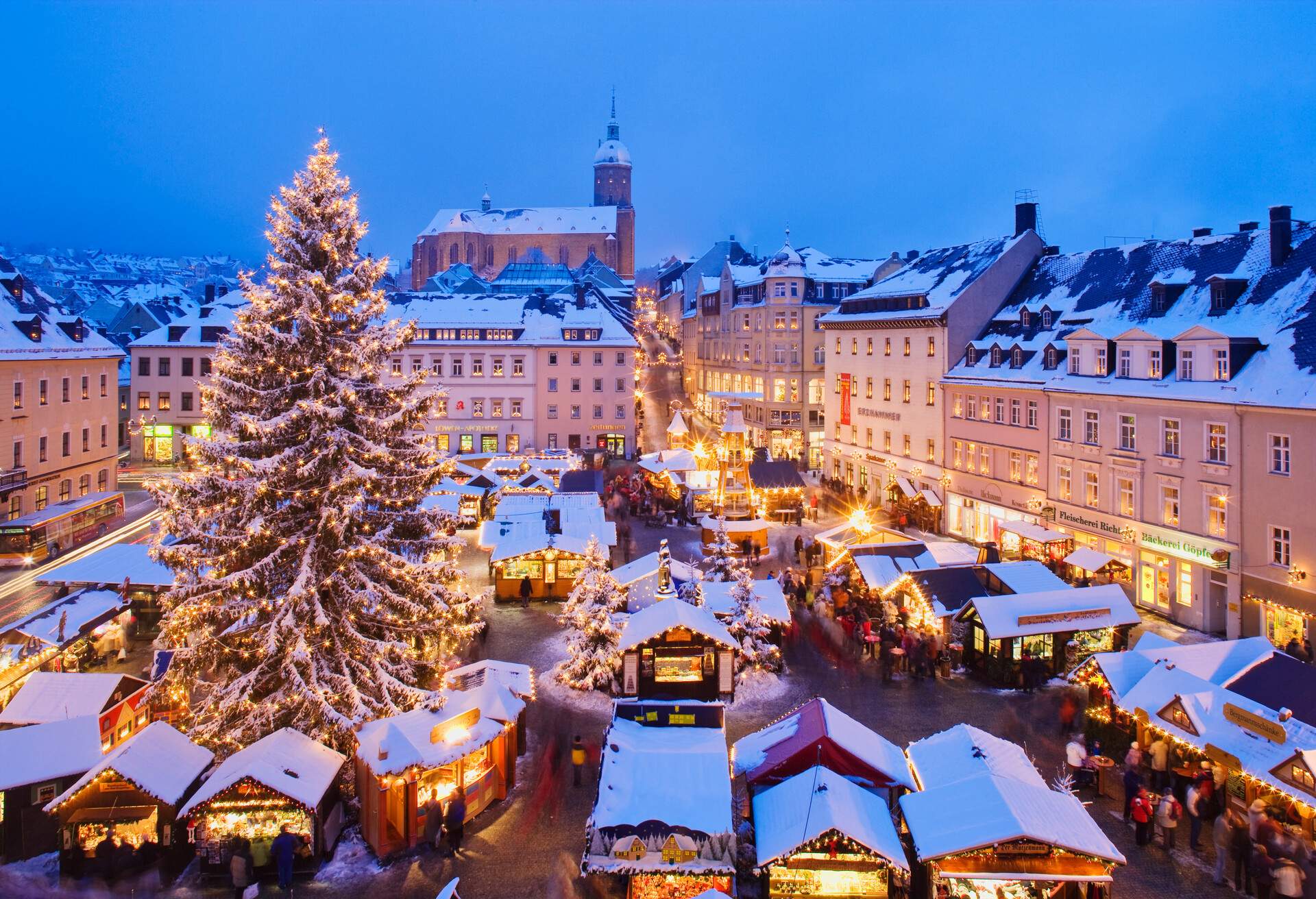
Visually, German Christmas markets are a breathtaking spectacle of light and color. As dusk descends, the markets truly come alive, illuminated by thousands upon thousands of twinkling lights. These lights are not merely functional; they are an integral part of the aesthetic, strung across stalls, wrapped around trees, and adorning every available surface. The traditional warm, golden glow of incandescent bulbs is often complemented by more modern, vibrant LEDs, creating a dazzling and dynamic display. Many markets feature elaborately decorated Christmas trees as their centerpiece, often towering over the stalls, adorned with ornaments, tinsel, and a cascade of lights. The architecture of the market itself plays a significant role in the visual experience. Many are held in historic city squares, surrounded by medieval cathedrals, ornate town halls, and timber-framed houses, their ancient facades providing a dramatic backdrop to the festive activity. The stalls themselves are often miniature works of art, constructed from wood, decorated with garlands of fir branches and twinkling lights, and meticulously arranged to showcase their wares. The vibrant colors of the goods on display – the deep reds and greens of Christmas decorations, the earthy browns of wooden crafts, the glittering metallics of ornaments – add to the visual richness. Many markets also feature animated nativity scenes or mechanical Christmas figures, adding an element of playful movement and narrative to the visual feast. The overall impression is one of enchantment and wonder, a scene plucked from a fairytale.
The auditory landscape of a German Christmas market is as important to the overall sensory experience as the sights and smells. The air hums with a joyful cacophony of sounds that create a lively and festive atmosphere. The most prominent sound is often the murmur of happy crowds, a cheerful hum of conversation in multiple languages, punctuated by laughter and exclamations of delight. Intertwined with this human chorus is the melodic sound of traditional Christmas carols, performed live by choirs or played from speakers. These timeless melodies, often sung in German, evoke a sense of nostalgia and reinforce the festive spirit. The distinctive sound of sleigh bells can also be heard, sometimes from passing horse-drawn carriages offering rides, or as decorative elements on stalls and costumes. The cheerful shouts of vendors, calling out their wares and engaging with customers, add to the lively ambience. The rhythmic clang of hammers from artisans demonstrating their craft, the sizzle of food cooking on open grills, and the clinking of mugs as Glühwein is poured all contribute to the rich sonic texture. For those who venture to larger markets, the sounds of fairground rides, such as carousels and Ferris wheels, add an element of playful excitement. This vibrant soundscape creates a sense of community and shared joy, drawing people together in a collective celebration.
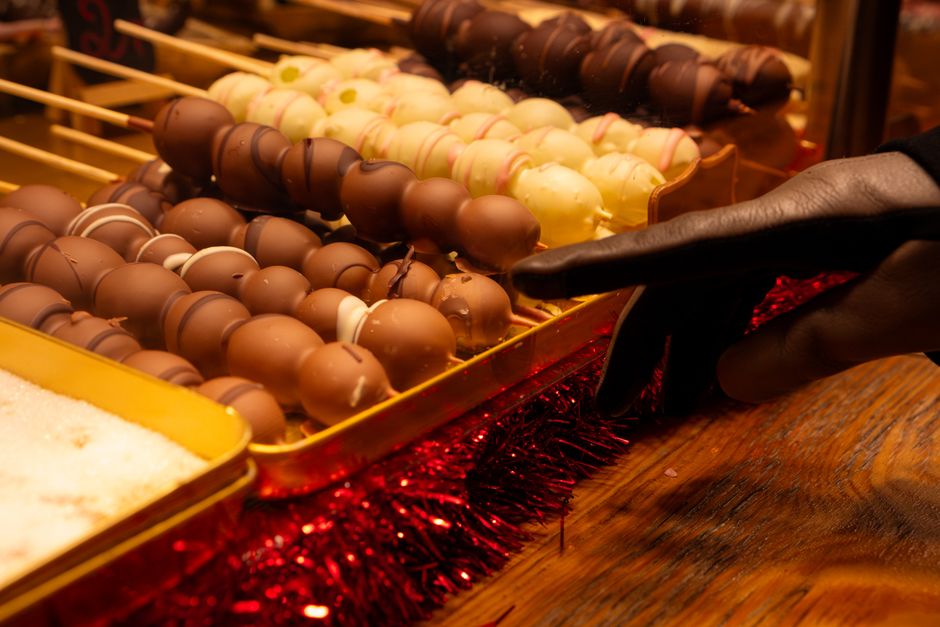
Taste is, of course, a paramount element of the German Christmas market experience. The culinary offerings are as diverse as the markets themselves, ranging from comforting, hearty fare to delicate sweet treats. The aforementioned Glühwein is the undisputed king, its warming spices and sweet, fruity notes a perfect antidote to the winter chill. But the beverage options extend beyond mulled wine. Hot chocolate, rich and creamy, is a popular choice for those who prefer non-alcoholic options. Kinderpunsch, a non-alcoholic mulled fruit juice, is ideal for younger visitors. For those seeking something stronger, Eierlikör (egg liqueur) and various schnapps are often available. The savory food stalls are equally enticing. Bratwurst, served in a bun with mustard, is a classic. Thüringer Rostbratwurst is a regional specialty, known for its flavorful seasoning. Käsespätzle, a comforting dish of soft egg noodles topped with melted cheese and fried onions, is a hearty and satisfying option. Kartoffelpuffer (potato pancakes), served with applesauce, are another beloved savory treat. For those with a sweet tooth, the options are endless. Lebkuchen, a type of gingerbread, comes in many variations, from soft and chewy to firm and crisp, often decorated with intricate icing. Spekulatius, spiced shortbread cookies, are another popular choice. The ubiquitous roasted almonds, coated in a sugary glaze, offer a satisfying crunch and a burst of sweetness. Marzipan figures, beautifully crafted into festive shapes, are both a visual delight and a sweet treat. Crepes, filled with fruit or chocolate, and various pastries further expand the sweet offerings. The emphasis is on traditional, comforting flavors, prepared with care and presented with pride, creating a truly delightful gastronomic journey.
The tactile sensations offered by German Christmas markets contribute significantly to their immersive quality. The rough texture of wooden crafts, the smooth coolness of hand-blown glass ornaments, and the soft warmth of knitted woolen scarves all engage the sense of touch. The crisp, cold air against the skin is a constant reminder of the season, making the warmth emanating from the food stalls and the comforting heat of a mug of Glühwein all the more welcome. Holding a warm mug of mulled wine, feeling the heat seep into your hands, is a deeply comforting and grounding experience. The satisfying crunch of a freshly roasted almond, the yielding softness of a gingerbread cookie, and the chewy texture of a crepe all offer distinct tactile pleasures. For those purchasing gifts, the feel of the materials – the weight of a ceramic ornament, the intricate weave of a tapestry, the polished surface of a wooden toy – adds to the appreciation of the craftsmanship. The gentle brush of a winter coat against a fellow market-goer, the accidental bump of shoulders in the friendly throng, all contribute to the physical engagement with the space and the community. Even the feel of cobblestones underfoot, a common feature of historic market squares, connects visitors to the age-old tradition of these gatherings.
Beyond the traditional five senses, German Christmas markets also engage a deeper, more profound sense: the sense of tradition and belonging. These markets are not merely commercial enterprises; they are cultural touchstones, embodying centuries of history and communal celebration. The continuity of these traditions, passed down through generations, creates a powerful sense of connection to the past and to a shared cultural heritage. Witnessing families gathered together, children wide-eyed with wonder, and friends sharing laughter over Glühwein, fosters a palpable sense of community and belonging. The act of participating in these rituals – drinking Glühwein, browsing for ornaments, enjoying festive treats – is a way of actively engaging with and perpetuating these cherished traditions. For many, these markets evoke deep feelings of nostalgia, conjuring memories of childhood Christmases and the warmth of family gatherings. The atmosphere of shared joy and anticipation is infectious, creating a collective emotional experience that transcends individual concerns. This intangible sense of shared history, community, and festive spirit is perhaps the most enduring and impactful sensory element of a German Christmas market, leaving visitors with a feeling of warmth and connection that extends far beyond the physical realm.

