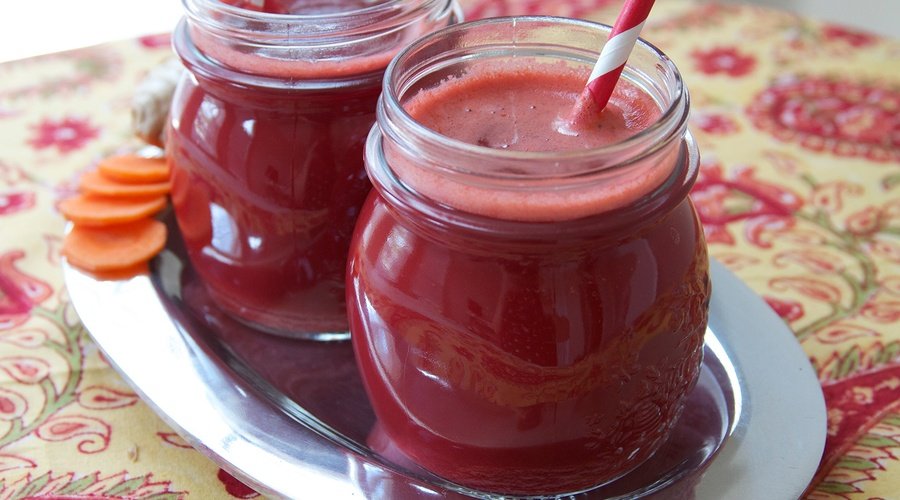

Beet Juice: The Crimson Elixir for Health, Performance, and Beyond
Beet juice, a vibrant crimson liquid derived from the humble beetroot, has surged in popularity as a nutritional powerhouse. Its distinctive earthy flavor and potent health benefits are increasingly recognized, making it a staple in health-conscious diets and athletic training regimens alike. This comprehensive article delves into the multifaceted advantages of incorporating beet juice into your daily routine, exploring its scientific backing, practical applications, and considerations for optimal consumption.
The profound health benefits of beet juice stem primarily from its rich composition of nitrates, antioxidants, vitamins, and minerals. The star players are undoubtedly the dietary nitrates. Once ingested, these nitrates are converted by enzymes in the mouth and stomach into nitrites, and subsequently, into nitric oxide (NO). Nitric oxide is a critical molecule that plays a pivotal role in vasodilation, the widening of blood vessels. This process leads to improved blood flow, reduced blood pressure, and enhanced oxygen delivery to muscles and organs. The implications of this are far-reaching, impacting everything from cardiovascular health to athletic endurance.
Cardiovascular Health: A Natural Blood Pressure Regulator and Heart protector
The vasodilatory effects of nitric oxide derived from beet juice are a boon for cardiovascular health. Studies have consistently demonstrated that regular consumption of beet juice can lead to a significant reduction in both systolic and diastolic blood pressure, particularly in individuals with hypertension. This natural blood-pressure-lowering effect is a safer and more sustainable alternative or adjunct to pharmaceutical interventions for many. Beyond blood pressure, improved blood flow facilitated by beet juice can reduce the workload on the heart, decreasing the risk of heart disease and stroke. The antioxidants present in beet juice, such as betalains, also contribute to cardiovascular well-being by combating oxidative stress and inflammation, key contributors to arterial damage.
Athletic Performance Enhancement: Fueling Endurance and Recovery
For athletes and fitness enthusiasts, beet juice has become a performance-enhancing secret weapon. The increased nitric oxide levels translate directly to improved exercise performance by enhancing oxygen utilization in muscles. This means athletes can sustain higher intensities for longer durations, experiencing increased time to exhaustion. Studies have shown improvements in cycling time trials, running performance, and overall endurance in various sports. Furthermore, the anti-inflammatory properties of beet juice may aid in post-exercise muscle recovery, reducing soreness and promoting faster repair. This makes it an invaluable tool for athletes looking to optimize their training and competition outcomes. The nitrates can also contribute to improved muscle efficiency, meaning muscles require less oxygen to perform the same amount of work, a significant advantage during strenuous activity.
Cognitive Function and Brain Health: Nourishing the Brain with Oxygen
The benefits of beet juice extend to the brain. Improved blood flow, a direct consequence of nitric oxide production, means more oxygen and nutrients reach the brain. This can translate to enhanced cognitive function, including improved attention, memory, and executive function. Research suggests that beet juice may be particularly beneficial for older adults, where age-related cognitive decline can be a concern. By increasing cerebral blood flow, beet juice may help preserve cognitive abilities and potentially mitigate the risk of neurodegenerative diseases. The antioxidants also play a role in protecting brain cells from oxidative damage, which is implicated in various neurological conditions.
Detoxification and Liver Support: Supporting the Body’s Natural Cleansing Processes
Beet juice is often lauded for its detoxification properties. The betalains, responsible for its vibrant color, are potent antioxidants that help neutralize harmful free radicals, supporting the liver’s natural detoxification pathways. The liver plays a crucial role in filtering toxins from the body, and by reducing the oxidative burden, beet juice can assist in this process. While it’s not a magic bullet for detoxification, its ability to support liver function contributes to overall well-being and a more efficient internal environment. The fiber content in whole beets, which is retained to some extent in juice, also aids in digestive regularity, further contributing to the body’s cleansing mechanisms.
Nutritional Profile: A Concentrated Source of Essential Vitamins and Minerals
Beyond nitrates and antioxidants, beet juice is a rich source of essential vitamins and minerals. It provides significant amounts of folate (vitamin B9), crucial for cell growth and function. It’s also a good source of potassium, vital for maintaining fluid balance and nerve signals, and manganese, important for bone health and metabolism. Additionally, beet juice contains vitamin C, another antioxidant that supports the immune system and collagen production, and iron, essential for oxygen transport in the blood. This dense nutritional profile makes it a valuable addition to a balanced diet, helping to fill potential nutrient gaps.
Culinary Versatility and Practical Considerations: Maximizing Your Beet Juice Intake
Incorporating beet juice into your diet is relatively straightforward. It can be consumed on its own, appreciated for its unique earthy sweetness. However, for those who find the flavor intense, it can be blended with other fruits and vegetables. Common pairings include apples, carrots, ginger, and lemon, which can mellow the earthiness and add complementary flavors and nutrients. Juicing fresh beets at home offers the freshest and most potent form of beet juice, allowing for control over ingredients and preparation. Store-bought beet juice is also readily available, but it’s important to opt for 100% pure beet juice without added sugars or artificial ingredients.
When preparing beet juice at home, proper cleaning of the beets is essential. The skin contains many nutrients, so it’s often recommended to juice unpeeled beets after thorough scrubbing. The leafy tops of beets are also edible and can be juiced or cooked. The intensity of the flavor can vary depending on the beet variety and freshness.
Potential Side Effects and Precautions: Navigating Responsible Consumption
While beet juice is generally safe for most individuals, there are a few considerations. The most common, and harmless, side effect is beeturia, a temporary pink or red discoloration of the urine and stools. This is due to the presence of betalains and poses no health risk. However, individuals with a history of kidney stones may need to exercise caution, as beets are relatively high in oxalates. Excessive consumption could potentially contribute to oxalate stone formation in susceptible individuals. Furthermore, individuals taking blood-pressure-lowering medications should consult with their healthcare provider before significantly increasing their beet juice intake, as it could potentiate the effects of their medication. Pregnant and breastfeeding women should also consult with their doctor before making significant dietary changes.
The Science Behind the Crimson Hue: Decoding Betalains and Their Power
The vibrant red pigment in beet juice is primarily due to a group of antioxidants called betalains. These compounds are unique to beets and a few other plants and are responsible for a wide range of health benefits. Betalains exist in two main forms: betacyanins (red-violet) and betaxanthins (yellow). The red-violet betacyanins are the dominant form in beet juice and are potent antioxidants. They work by scavenging free radicals, unstable molecules that can damage cells and contribute to chronic diseases, aging, and inflammation. Research into the specific mechanisms of betalain action is ongoing, but their anti-inflammatory and antioxidant properties are well-established.
Beyond the Juice: The Whole Beet and its Nutritional Synergy
While beet juice offers a concentrated dose of nutrients, it’s important to acknowledge the benefits of consuming whole beets as well. Whole beets retain their fiber content, which is crucial for digestive health, promoting satiety, and regulating blood sugar levels. Fiber can also contribute to a slower release of sugars into the bloodstream, mitigating potential blood sugar spikes that might occur with pure juice consumption. The synergistic effect of all the compounds present in the whole beet, including fiber, vitamins, minerals, and antioxidants, creates a more complete nutritional package. Therefore, a balanced approach that includes both whole beets and beet juice can offer the most comprehensive health benefits.
Future Research and Emerging Applications: The Evolving Landscape of Beet Juice
The scientific exploration of beet juice’s health benefits is a continuously evolving field. Researchers are investigating its potential roles in areas such as cancer prevention, where the antioxidant and anti-inflammatory properties of betalains are of particular interest. Studies are also exploring its impact on exercise-induced muscle damage, the management of chronic inflammatory conditions, and even its potential as a natural coloring agent in the food industry. As our understanding of the intricate biochemical pathways involved in nitric oxide production and the potent effects of betalains deepens, we can anticipate even more targeted and impactful applications of this remarkable crimson elixir. The future of beet juice appears as vibrant and promising as its distinctive color.

