
DIY Updates: How Did That Hold Up?
The allure of DIY home improvement projects is undeniable. The promise of saving money, personalizing your space, and the sheer satisfaction of a job well done are powerful motivators. However, not all DIY endeavors are created equal, and the passage of time often reveals the true durability and effectiveness of our weekend warrior efforts. This article delves into the longevity of common DIY updates, analyzing what works, what doesn’t, and the crucial factors that determine their enduring success.
One of the most popular and seemingly straightforward DIY updates is painting. From accent walls to entire room makeovers, paint is a transformative tool. The question of "how did that hold up?" with paint largely depends on several critical elements. Firstly, surface preparation is paramount. A thorough cleaning, sanding of glossy surfaces, and application of a quality primer will significantly improve adhesion and prevent peeling, chipping, or bubbling down the line. Cheap, thin paints applied directly to unprepared surfaces are far more likely to show wear and tear quickly, requiring touch-ups or a complete redo within a few years. Conversely, high-quality paints, especially those formulated for high-traffic areas like kitchens and bathrooms, can last five to ten years, or even longer, with minimal fading or scuffing. Environmental factors also play a role; direct sunlight can accelerate fading, while high humidity can exacerbate peeling issues. For example, a hastily painted bathroom vanity without proper sealant or a suitable moisture-resistant paint might begin to blister or peel around the edges within 18-24 months due to consistent exposure to steam and moisture. On the other hand, a well-primed and painted living room wall, using a durable eggshell or satin finish, can easily maintain its fresh appearance for a decade. The sheen of the paint also contributes to its durability; glossier finishes are generally more resistant to scrubbing and staining, making them a better choice for areas prone to messes.
Another common DIY project is flooring installation. Laminate, vinyl plank, and even some types of tile are often tackled by homeowners. The "hold up" factor here is heavily influenced by the quality of the material chosen and the meticulousness of the installation. Cheap laminate can chip easily, especially in high-traffic zones, and its click-lock mechanisms can weaken over time, leading to creaking or separation. Water damage is a significant enemy of many laminate and even some vinyl products, so ensuring proper sealing, particularly in kitchens and bathrooms, is crucial. Luxury Vinyl Plank (LVP) has proven to be a more durable and water-resistant option, with many quality LVP floors holding up exceptionally well for 10-15 years, resisting scratches and moisture effectively. The underlayment is also a critical component often overlooked in DIY installations. A good quality underlayment provides cushioning, sound dampening, and moisture protection, all of which contribute to the longevity of the flooring. Improperly laid tiles, with insufficient grout coverage or cracked tiles from impact, can lead to water seepage beneath the surface, causing subfloor damage and ultimately requiring a complete removal and replacement. For instance, a DIY installation of laminate flooring in a busy entryway might start showing significant wear marks and edge chipping within three to five years if the traffic is heavy and the material quality is subpar. In contrast, a well-installed LVP floor in a family room, using a reputable brand and proper technique, could easily outlast a decade with only minor cosmetic wear.
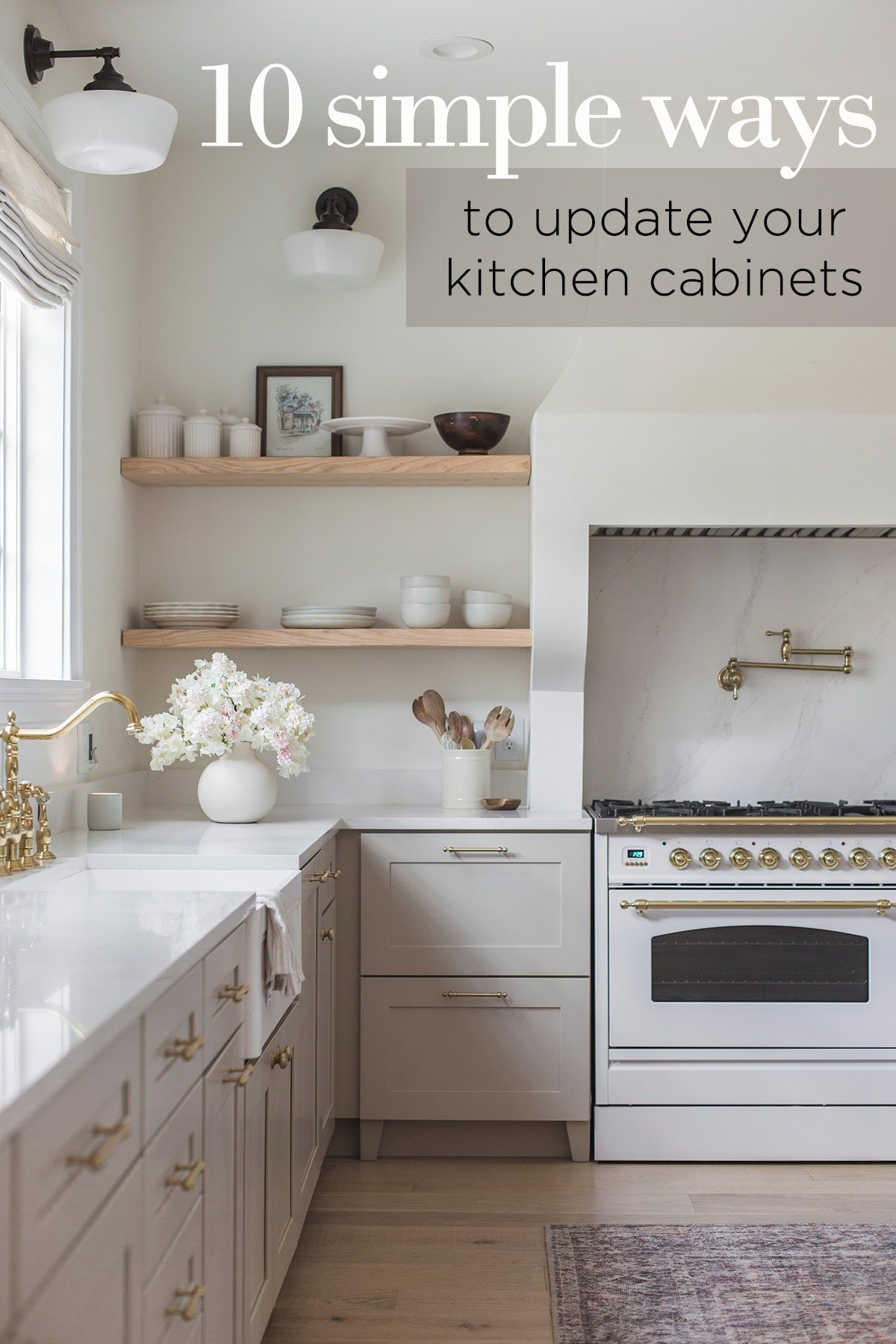
Updating hardware, such as cabinet pulls, doorknobs, and light fixtures, is a relatively low-risk DIY project that can have a high impact on a home’s aesthetic. The durability of these updates is largely determined by the material quality and the finish. Brass, stainless steel, and solid metals tend to hold up better than plated or hollow-fill options. Finishes like brushed nickel, oil-rubbed bronze, and matte black are often more resistant to showing fingerprints and minor scratches than polished chrome or brass. The actual physical installation is usually straightforward, but ensuring secure mounting and proper alignment prevents premature wear. A cheaply made, plated brass cabinet pull might start to show wear on the edges, revealing a duller metal underneath, within two to three years. However, a solid stainless steel doorknob, with a robust mechanism, can easily last 15-20 years with regular use. The key here is to invest in hardware that feels substantial and is made from reputable materials. For example, a set of inexpensive, hollow-core interior door knobs might begin to feel loose or develop a squeak within a year or two, while a set of solid brass knobs with a high-quality latch mechanism will likely function flawlessly for decades.
DIY shelving installations are another common undertaking. From floating shelves to built-in units, the success of these projects hinges on proper support and the weight-bearing capacity of the materials. Inadequate brackets, screws that are too short, or mounting into drywall without hitting studs are recipes for disaster. Shelves that sag, pull away from the wall, or even collapse under the weight of books or decorative items are a direct consequence of poor planning and execution. For lighter decorative items, simple floating shelves secured with appropriate anchors might hold up for years. However, if a DIYer attempts to create a heavy-duty bookshelf from particleboard and flimsy brackets, the shelves are likely to bow significantly within a year or two, especially under load. Cedar plank shelving installed directly into wall studs with robust L-brackets, however, can support considerable weight and last for decades, provided the wood is sealed and maintained. The weight distribution of the items placed on the shelves is also a critical factor in their long-term stability. A DIY floating shelf designed for decorative trinkets will inevitably fail if overloaded with heavy books.
Countertop resurfacing or painting is a DIY project that often promises a dramatic transformation at a fraction of the cost of replacement. However, the long-term durability of these solutions is highly variable and often disappointing. Many countertop paint kits rely on a thick, enamel-like coating that, while initially attractive, is susceptible to chipping, scratching, and heat damage. Hot pans placed directly on the surface, sharp knives, or abrasive cleaning products can quickly degrade the finish. While some epoxy-based resurfacing kits offer a more robust and durable result, they still require meticulous preparation and a careful application process to avoid imperfections and ensure longevity. A hastily painted laminate countertop might start to show wear marks around the sink or stovetop within six months to a year, requiring touch-ups or a complete repaint. A professionally applied epoxy resin countertop, on the other hand, can potentially last five to ten years with proper care, resisting stains and minor impacts. However, the risk of user error in DIY countertop resurfacing is high, and the results rarely match the polished finish of professionally installed solid surface or stone countertops.
Tackling plumbing fixtures, such as faucets and showerheads, is a common DIY task that can save on labor costs. The longevity of these updates depends on the quality of the fixtures themselves and the accuracy of the installation. Cheaply made faucets can develop leaks, corrode, or have their internal cartridges fail within a few years. Improperly tightened connections can lead to slow drips that waste water and potentially damage surrounding materials. High-quality, reputable brands, such as Moen or Delta, often come with warranties and are constructed with more durable materials, ensuring they function correctly for 10-15 years or more. The use of plumber’s tape and proper tightening techniques are crucial for preventing leaks. A DIY installation of a generic brand faucet in a high-use bathroom might start to show signs of wear, like a dripping spout or a stiff handle, within 2-3 years. Conversely, a well-installed, premium brand faucet can provide reliable service for well over a decade.
DIY electrical work, such as replacing light switches, outlets, or ceiling fans, carries a higher risk and requires a good understanding of electrical safety. While seemingly straightforward, improper wiring can lead to tripped breakers, short circuits, or even fire hazards. The "hold up" factor here is less about cosmetic wear and more about electrical integrity and safety. A correctly installed GFCI outlet in a bathroom will reliably provide surge protection for many years. However, a DIYer who incorrectly wires a ceiling fan might find it wobbles excessively, hums loudly, or intermittently stops working within a year. The quality of the electrical components themselves is also a factor; cheap switches can become loose or fail to make proper contact over time. For most DIYers, electrical updates should be limited to replacing like-for-like components in existing wiring. Any modification to the existing wiring system should ideally be done by a qualified electrician to ensure safety and code compliance, thus guaranteeing it will "hold up" safely for its intended lifespan.
The longevity of DIY home improvement projects is a multifaceted issue. It is a direct result of the synergy between material quality, meticulous preparation, precise execution, and an understanding of the intended use and environmental factors. While many DIY updates can offer significant cost savings and a sense of accomplishment, cutting corners on any of these critical elements will invariably lead to premature wear and a diminished return on investment. The true test of a DIY project’s success lies not just in its initial appearance, but in its ability to withstand the rigors of daily life and maintain its integrity and functionality for years to come. A successful DIY update is one that, when revisited years later, still looks good, functions as intended, and doesn’t present a hidden problem requiring a costly professional repair. The "how did that hold up?" question is the ultimate verdict on the quality of our DIY endeavors.

