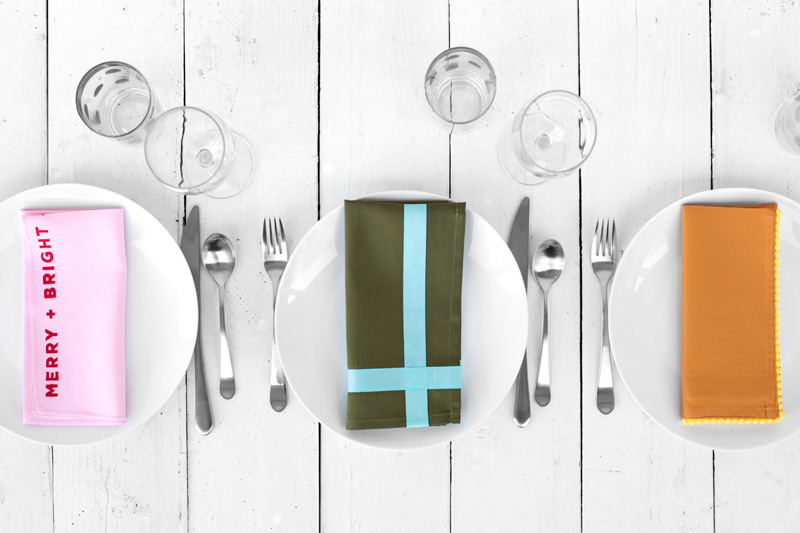

Elevate Your Table: A Comprehensive Guide to Dress Up Dinner Napkins
Transforming ordinary dinner napkins into elegant and functional table accents is an accessible yet impactful way to enhance any dining experience. Beyond their practical purpose, creatively folded or embellished napkins lend a touch of sophistication, personality, and thoughtfulness to your table setting. This guide explores a wide array of techniques, from simple folds that require minimal effort to more elaborate creations demanding a bit more practice, all designed to elevate your dinner. Understanding the impact of napkin presentation is the first step. A well-dressed napkin signals attention to detail and a desire to create a memorable meal. It’s a silent communication of hospitality, setting the tone for the entire event. Whether for a casual family dinner, a formal dinner party, or a festive holiday gathering, the humble napkin offers a canvas for culinary artistry.
The foundation of a beautifully dressed napkin lies in its material and size. Linen and cotton are classic choices, offering a crisp texture that holds folds well. For a more casual affair, softer cotton blends can be used. The size of the napkin also dictates the complexity of the fold that can be achieved. Larger napkins (18×18 inches or more) are ideal for more intricate designs, while smaller cocktail napkins are better suited for simpler, elegant folds. Always ensure your napkins are clean and freshly pressed for a polished look. Wrinkles detract from even the most ambitious napkin art, so ironing is a crucial preparatory step. Consider the overall aesthetic of your table when selecting napkin fabric. For a rustic theme, a natural linen might be perfect. For a more formal setting, a crisp white cotton offers timeless elegance. The weight of the fabric also matters; heavier fabrics tend to hold their shape better for more structured folds.
Simple yet impactful folds are the cornerstone of easy table elegance. The "Bishop’s Hat" or "Monk’s Hat" is a classic, requiring just a few folds. Lay the napkin flat, fold it in half diagonally to form a triangle, then fold the two pointed ends up towards the center. Bring the two sides inwards, creating a pocket that can hold cutlery or a small menu card. This fold is quick, visually appealing, and adds a distinct architectural element to the table. The "Rectangle" or "Folded Fan" is another beginner-friendly option. Fold the napkin in half, then in half again to create a smaller rectangle. Then, starting from one end, create accordion-like pleats until you reach the other end. Gently fan out the pleated side to create a soft, elegant fan. This fold works exceptionally well with slightly stiffer fabrics that can maintain the pleats. The "Crescent" fold is achieved by folding the napkin in half horizontally, then folding it in half again to create a smaller rectangle. Next, fold the napkin in half vertically, then fold one half back on itself to create a curved shape. This minimalist fold adds a touch of understated elegance, especially when paired with a napkin ring.
For a slightly more involved yet still accessible approach, consider the "Lotus Flower" or "Rose" fold. To create the Lotus Flower, lay the napkin flat and bring all four corners to the center, creating a square. Flip the napkin over and repeat the process, bringing all four corners to the center again. Gently lift the center point upwards, allowing the corners to fan out like petals, creating a blooming flower effect. This fold is particularly stunning with larger, more pliable fabrics. The "Rose" fold is a beautiful way to add a romantic touch. Lay the napkin flat and roll it tightly from one corner to the opposite corner. Gently twist the rolled napkin to create the illusion of a rosebud. You can then tuck the ends underneath or secure it with a napkin ring. This fold often looks best when the napkin has a slight sheen or texture.
Napkin rings offer a straightforward and stylish way to adorn your dinner napkins. They range from simple metallic bands to intricately carved wooden designs, or even natural elements like braided twine or sprigs of rosemary. A napkin ring can secure a neatly folded napkin, or it can be the sole decorative element for a minimalist approach. For a more personalized touch, consider DIY napkin rings. Use twine, ribbon, or even painted craft rings. You can also embellish plain rings with beads, shells, or small charms that reflect your theme or season. For instance, small seashells are perfect for a coastal-themed dinner, while mini pinecones suit a fall gathering. The key is to ensure the napkin ring complements, rather than competes with, the rest of your table decor. Consider the scale of your table and the formality of the meal when choosing napkin rings. A chunky, rustic ring might overwhelm a delicate china setting, while a slim, elegant ring might get lost on a heavily laden table.
Beyond simple folds and rings, adding embellishments elevates napkin dressing to an art form. Small sprigs of fresh herbs like rosemary, thyme, or lavender tied around a folded napkin not only add visual appeal but also a subtle, delightful aroma. Seasonal additions like small pinecones or berries in autumn, or holly sprigs and cranberries in winter, can create a festive and thematic touch. For a more formal occasion, consider attaching a small, elegant charm or a personalized tag with the guest’s name. This doubles as a place card and a lovely keepsake. Ribbon, lace, or even a delicate piece of twine can be used to secure these embellishments. Think about the texture and color of your napkin and choose embellishments that create a harmonious contrast or a complementary blend. A rough texture of twine might look striking against a smooth satin napkin, for example.
Thematic napkin dressing can significantly enhance the overall dining experience. For a holiday gathering, think red and green ribbon, holly sprigs for Christmas, or pastel colors and floral elements for Easter. A summer barbecue might call for gingham napkins tied with twine and a sprig of basil. For a romantic dinner, consider deep red roses or velvet ribbons. A child’s birthday party could feature brightly colored napkins folded into fun shapes like animals or stars, perhaps with small edible treats tucked inside. The possibilities are endless and directly tied to the occasion. When planning your theme, consider how the napkin dressing will tie into your menu, your tableware, and your overall room decor. Consistency is key to creating a cohesive and impactful visual statement.
Incorporating personalized elements adds a unique and thoughtful dimension to your napkin presentation. Handwritten place cards tucked into a napkin fold are a classic touch. For a more interactive experience, consider a "fortune teller" style fold that reveals a fun fact or a question for guests to ponder. For a special occasion, a small, personalized note or a poem can be placed inside the napkin. This adds a deeply personal and memorable element that guests will surely appreciate. The effort put into such small details can make a significant difference in how your guests feel welcomed and valued. Personalization doesn’t have to be elaborate; a simple, well-chosen detail can speak volumes.
The practical considerations of napkin dressing should not be overlooked. Ensure that any embellishments are securely attached and won’t fall off during the meal. If you’re tucking cutlery into a napkin fold, make sure it’s stable and won’t slide out. For edible embellishments like herbs, ensure they are food-safe and haven’t been treated with pesticides. Consider the ease of use for your guests. While elaborate folds are visually stunning, they shouldn’t hinder your guests’ ability to access their cutlery or unfold their napkins comfortably. The functionality of the napkin should always be balanced with its aesthetic appeal. A fold that looks beautiful but is impossible to navigate is ultimately counterproductive.
Experimentation is key to discovering your personal style and mastering various napkin dressing techniques. Start with simpler folds and gradually progress to more complex ones. Don’t be afraid to try different fabrics and embellishments. The internet and books offer a wealth of inspiration, but the best way to learn is by doing. Practice makes perfect, and with a little effort, you can transform your dinner napkins into works of art that will impress your guests and elevate every meal. Consider the longevity of your napkin creations. Will they hold their shape throughout the meal? Are they likely to wilt or fall apart? Planning for these practicalities will ensure your efforts are rewarded with a consistently beautiful table.
Ultimately, dressing up your dinner napkins is about more than just aesthetics; it’s about creating an experience. It’s a subtle yet powerful way to show your guests you care and to make them feel special. From the simplest fold to the most elaborate design, each detail contributes to the overall ambiance of your dining space. By investing a little time and creativity, you can transform an everyday item into a focal point that delights the senses and enhances the joy of sharing a meal. The subtle rustle of linen, the satisfying weight of a well-folded napkin, the visual harmony of a perfectly arranged table – these are the elements that elevate dining from a necessity to a celebration. Embrace the art of napkin dressing and watch your table come alive. Remember to consider your guest list; a formal dinner party might call for a different approach than a casual family gathering. Tailoring your napkin presentation to the specific context will ensure maximum impact and appreciation.
