
Mastering the Chain Braid: A Comprehensive Guide to Effortless Elegance
The chain braid, a surprisingly simple yet undeniably chic hairstyle, offers a unique visual appeal that mimics the interlocking links of a chain. Its intricate appearance belies its ease of creation, making it an accessible option for both beginners and seasoned stylists seeking to elevate their everyday looks or add a touch of sophistication for special occasions. This comprehensive guide delves into the nuances of styling a perfect chain braid, covering essential preparation, step-by-step instructions, variations, styling tips, and maintenance for achieving a polished and enduring finish. Understanding the foundational principles of this braid unlocks a world of styling possibilities, from subtle accents to statement-making hairstyles.
The success of any braid, including the chain braid, hinges on proper hair preparation. Before attempting to create a chain braid, ensure your hair is detangled to prevent snags and ensure a smooth braiding process. Depending on your hair type and desired outcome, you may opt to start with dry or slightly damp hair. Dry hair offers more grip and control, making it easier to manipulate individual strands, particularly for those with fine or slippery hair. Conversely, slightly damp hair can provide a smoother, more elongated braid and may help to tame frizz for those with coarser or more unruly textures. Applying a light leave-in conditioner or detangling spray can further enhance manageability. For added texture and grip, especially on very fine hair, a texturizing spray or a dry shampoo applied to the roots can be beneficial. This pre-braiding prep is crucial for achieving a clean, defined chain braid that holds its shape without appearing messy.
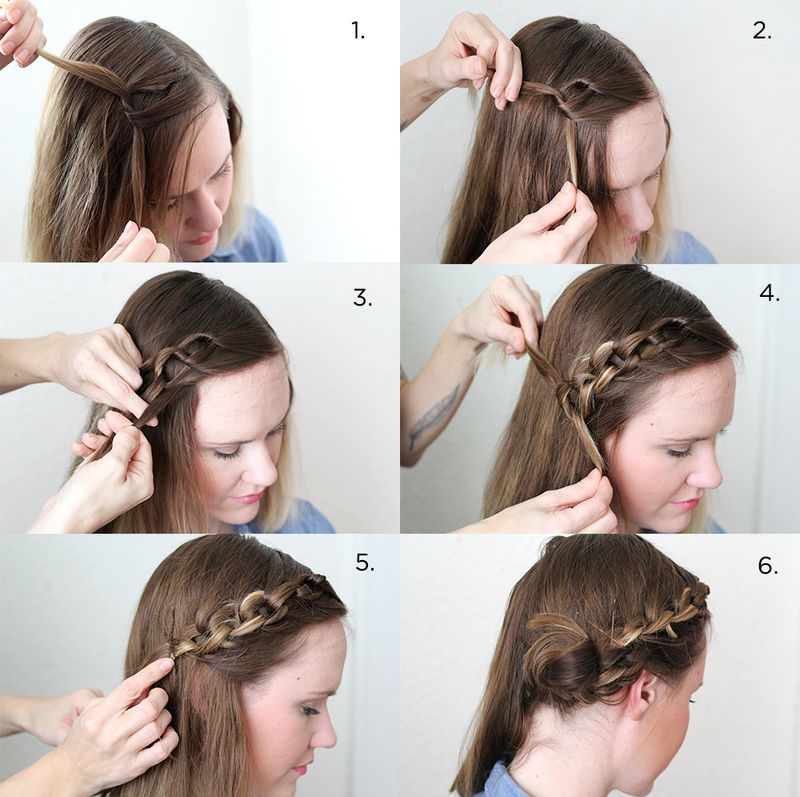
To begin creating a basic chain braid, the first step involves dividing a section of hair into two equal strands. The size of this section will dictate the thickness and prominence of your chain braid. For a subtle accent, a smaller section is ideal, whereas a bolder statement can be achieved with a wider section. Once the section is divided, hold one strand in each hand. The core mechanic of the chain braid involves transferring small subsections from one main strand to the other. Begin by taking a small, thin subsection of hair from the outer edge of the right strand. This subsection should be no wider than approximately a quarter to half an inch, depending on the overall thickness of your hair and the desired fineness of your chain links. This small piece of hair is then brought over the top of the right strand and incorporated into the left strand. It’s important to pull this transferred subsection firmly to ensure a tight and defined link.
Following the transfer from the right side, the next crucial step is to mirror the action on the left side. Take a similarly sized, thin subsection of hair from the outer edge of the left strand. This subsection is then brought over the top of the left strand and seamlessly incorporated into the right strand. The key to achieving the characteristic "chain link" appearance lies in the consistent and deliberate transfer of these small subsections. Each transfer creates a new loop, and as these loops interlock, they form the visual illusion of a chain. Maintaining even tension throughout the braiding process is paramount. If the tension is uneven, the links of the chain braid will appear inconsistent in size and tightness, detracting from the polished aesthetic. Regularly checking and adjusting tension as you work is a vital habit to cultivate for a flawless chain braid.
The process of alternating these transfers continues down the length of the hair section. With each new loop created, you are essentially building the chain link by link. It’s imperative to maintain a consistent rhythm and size for the subsections being transferred. Larger subsections will result in chunkier, more relaxed links, while smaller subsections will create a finer, more delicate chain braid. The direction in which you bring the subsection over the top strand also influences the visual outcome. Typically, bringing the subsection over the top of the strand to which it is being added creates a more visible, interlocking link. Experimentation with this technique will help you discover the specific tension and subsection size that best suits your hair type and desired aesthetic. As you progress, you may find it helpful to use your fingers to gently smooth the hair and keep the sections defined.
Once you have braided down to the desired length, the ends of the chain braid need to be secured. The most common and effective method is to use a clear or color-matched elastic band. Wrap the elastic band around the end of the braid, ensuring it is snug but not so tight that it creates undue stress on the hair. For added security and a more cohesive look, you can gently pull on the edges of the braid to loosen it slightly, creating a softer, more voluminous appearance, or leave it taut for a sharper, more defined style. If you are incorporating the chain braid into a larger hairstyle, such as a ponytail or updo, you may secure the end of the braid within the larger style, hiding the elastic. However, if the chain braid is a standalone feature, a well-placed elastic is essential.
The chain braid can be styled in a multitude of ways, extending its versatility beyond a single, basic execution. One popular variation is the double chain braid. To achieve this, divide the hair into two equal halves. Then, create a standard chain braid on each side, mirroring the process described above. This results in two parallel chain braids, offering a more substantial and striking visual impact. This style is particularly effective when worn as pigtails or when incorporated into an updo, framing the face or adding detail to a bun.
Another impactful variation is the fishtail chain braid. This sophisticated style combines the interlocking technique of the chain braid with the distinctive two-strand weave of the fishtail braid. Begin by dividing a section of hair into two strands. Instead of taking subsections from the outer edge of each strand as in a traditional chain braid, you will take a thin subsection from the inner edge of one strand and cross it over to the other. Then, take a thin subsection from the inner edge of the other strand and cross it over. This slight alteration in where you grab the hair creates a more intricate and often finer chain link pattern that is reminiscent of a fishtail. It requires a bit more dexterity but results in a truly stunning braid.
For those with longer hair, a waterfall chain braid offers a delicate and romantic aesthetic. This variation involves incorporating the chain braiding technique into a partial braid that flows downwards, allowing strands of hair to cascade through the braid. To create this, begin a chain braid at the temple. Instead of continuing to incorporate all the hair into the braid, allow a section of hair to fall freely from underneath the braid. Then, pick up a new section of hair from the unbraided portion to continue the chain braid. This creates the illusion of "waterfall" strands. This style is perfect for adding an ethereal touch to an event or for a soft, everyday look.
The chain braid also lends itself beautifully to being used as an accent. A side-swept chain braid is a popular choice. Simply create a chain braid along one side of your head, either starting from the hairline or incorporating it into a ponytail or bun. This adds a touch of intricate detail without overwhelming the entire hairstyle. Similarly, a small chain braid accent can be created by taking a very thin section of hair from the front hairline and braiding it, then either pinning it back or allowing it to blend into the rest of your hair. This is a subtle yet effective way to add visual interest.
When it comes to styling, the chain braid can be enhanced with various products and techniques. For a smoother, more polished look, a small amount of serum or smoothing cream can be applied to the hair before braiding. This helps to tame flyaways and add a healthy sheen. Conversely, for a more textured, bohemian vibe, a texturizing spray or sea salt spray can be used to create a slightly tousled and lived-in appearance. Once the braid is complete, gently tugging on the edges of the links can help to "pancake" the braid, making it appear fuller and wider. This technique is particularly effective for those with finer hair who want to create a more substantial-looking braid.
Hair accessories can also play a significant role in elevating the chain braid. Delicate pins with pearls or subtle crystals can be used to secure the end of the braid or to add embellishments along its length. For a bolder statement, ribbons or scarves can be incorporated into the braid during the braiding process, woven in with the strands of hair. This adds color, texture, and a personalized touch. When using ribbons or scarves, ensure they are the same width as the subsections you are transferring to maintain the seamless appearance of the chain links.
Maintaining a chain braid requires a few considerations to ensure its longevity and polished appearance. For braids that are meant to last throughout the day, hair spray is an indispensable tool. A light to medium-hold hair spray will help to keep the braid in place without making it stiff or crunchy. For more structured updos incorporating chain braids, a stronger-hold hair spray might be necessary. If frizz is a concern, especially in humid conditions, a frizz-control serum or spray can be applied after the braid is completed.
For chain braids that are intended to be worn for an extended period, such as overnight, consider sleeping with a silk or satin bonnet or pillowcase. This minimizes friction and helps to prevent the braid from unraveling and frizzing, preserving its neat appearance. When it comes time to remove the braid, do so gently. Start by carefully unraveling the links from the end, rather than simply pulling the elastic out, which can cause breakage.
The chain braid is a versatile and beautiful hairstyle that can be adapted to suit various hair types, lengths, and occasions. By understanding the fundamental technique and exploring its many variations, you can unlock a new level of hairstyling creativity. Whether you opt for a subtle accent or a full statement braid, the chain braid offers an elegant and enduring charm that is sure to turn heads. Consistent practice will refine your technique, allowing you to create these intricate-looking braids with confidence and ease. The key lies in consistent tension, even subsection sizes, and a clear understanding of the interlocking transfer mechanism that defines this exquisite braid. Experimentation with different hair textures and styling products will further enhance your ability to personalize and perfect your chain braid creations.
