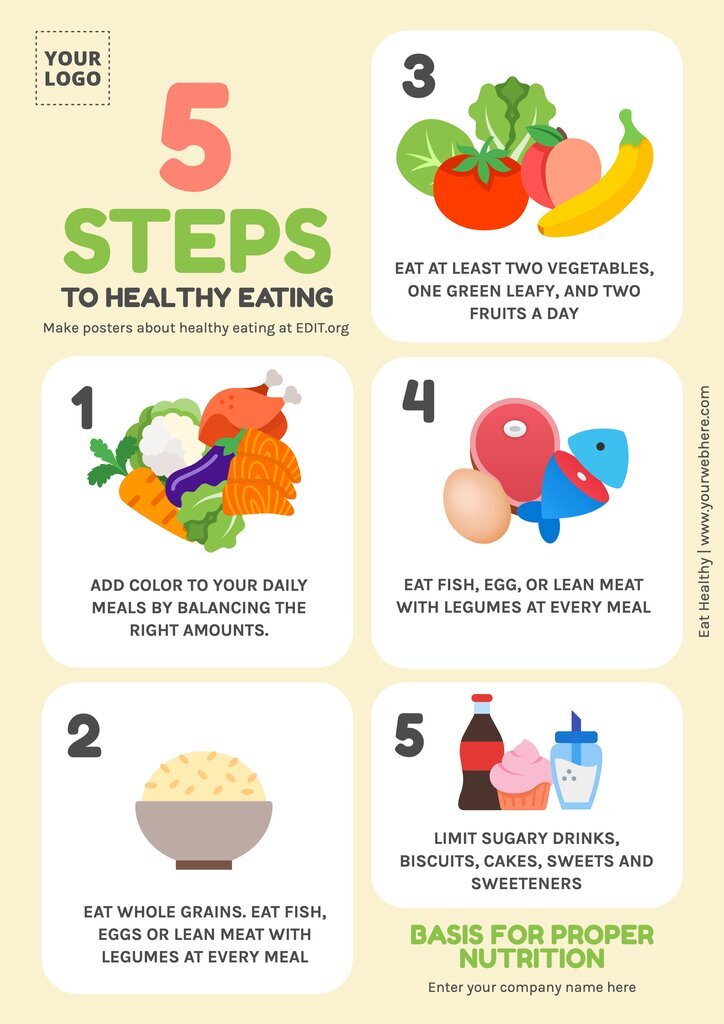

5 Proven Strategies for Adopting Healthier Eating Habits
Embarking on a journey toward healthier eating practices is a foundational step for long-term well-being. This isn’t about restrictive diets or fleeting trends, but about cultivating sustainable habits that nourish the body and mind. The following five strategies offer a practical and actionable framework for anyone seeking to improve their dietary intake, fostering a more robust and vibrant life. Each approach focuses on building a positive relationship with food, emphasizing nutrient density, mindful consumption, and the integration of wholesome choices into daily routines. By understanding and implementing these principles, individuals can unlock significant improvements in energy levels, mood, physical health, and overall quality of life. This article will delve into each strategy, providing detailed explanations and practical tips for successful adoption.
1. Prioritize Whole, Unprocessed Foods: The cornerstone of any healthy eating strategy is a steadfast commitment to whole, unprocessed foods. This means centering your diet around ingredients that are as close to their natural state as possible. Think fruits, vegetables, lean proteins, whole grains, and healthy fats. These foods are rich in essential vitamins, minerals, fiber, and antioxidants, which are vital for optimal bodily function and disease prevention. Processed foods, conversely, are often stripped of their nutritional value and laden with added sugars, unhealthy fats, sodium, and artificial additives. These can contribute to inflammation, weight gain, chronic diseases like heart disease and diabetes, and a general feeling of sluggishness.
The transition to whole foods begins with understanding what constitutes an "unprocessed" item. Fresh produce, whether it’s vibrant berries, leafy greens, or root vegetables, is inherently whole. Similarly, unprocessed proteins include fresh cuts of meat, poultry, fish, eggs, and legumes like beans and lentils. Whole grains encompass oats, quinoa, brown rice, barley, and whole wheat products where the entire grain kernel is intact. Healthy fats are found in avocados, nuts, seeds, and olive oil.
Implementing this strategy involves a conscious effort to read food labels. Look for ingredients lists that are short and understandable. If you can’t pronounce most of the ingredients, it’s likely highly processed. Aim to fill your grocery cart predominantly with items from the perimeter of the supermarket, where fresh produce, meats, and dairy are typically located, while minimizing time spent in the aisles filled with packaged and pre-made goods.
Meal preparation becomes a powerful tool in this approach. Dedicate time each week to wash, chop, and portion fruits and vegetables. Cook larger batches of whole grains or lean proteins to have readily available for meals and snacks. This foresight prevents impulsive, less healthy choices when time is scarce. For example, having pre-cooked chicken breast ready can be added to salads or stir-fries, eliminating the need for processed deli meats. Similarly, a container of washed berries can be a quick and nutritious snack.
Furthermore, focus on the diversity of whole foods. Different colored fruits and vegetables offer a wide spectrum of nutrients and phytonutrients, each with unique health benefits. Incorporating a variety ensures you’re getting a broad range of essential compounds. Don’t be afraid to explore new produce at your local farmer’s market or experiment with different types of legumes and grains. This exploration not only enhances nutritional intake but also adds enjoyment and variety to your meals, preventing dietary monotony.
The principle of "eating the rainbow" is a simple yet effective way to ensure broad nutrient coverage. Aim to include a spectrum of colors on your plate throughout the day – red from tomatoes and bell peppers, orange from carrots and sweet potatoes, yellow from corn and squash, green from spinach and broccoli, blue/purple from blueberries and eggplant, and white/tan from cauliflower and mushrooms. This visual cue serves as a constant reminder of the nutrient density you are consuming.
In essence, prioritizing whole, unprocessed foods is not about deprivation but about abundance – an abundance of nutrients, flavors, and sustained energy. It’s about making intentional choices that honor your body’s need for genuine nourishment, laying the groundwork for a healthier and more resilient you.
2. Practice Mindful Eating and Portion Control: Beyond what you eat, how you eat significantly impacts the benefits derived from your food. Mindful eating involves paying full attention to the experience of eating and drinking, as well as to the sensations and emotions that accompany it. This practice encourages a deeper connection with your food, fostering a more appreciative and less compulsive relationship with eating. Portion control, on the other hand, is the conscious effort to consume appropriate amounts of food, preventing overconsumption that can lead to weight gain and digestive discomfort.
Mindful eating begins with creating a conducive environment for meals. This means minimizing distractions like televisions, phones, and computers. Sit down at a table and focus solely on the act of eating. Engage your senses: observe the colors, textures, and aromas of your food. Take small bites and chew thoroughly. This not only aids digestion but also allows your brain more time to register feelings of fullness. Studies indicate that it takes approximately 20 minutes for your stomach to signal to your brain that it is full, so a slower eating pace can prevent overeating.
Pay attention to hunger and fullness cues. Before and during a meal, ask yourself: "Am I truly hungry?" and "How full do I feel?" Learn to differentiate between physical hunger (a rumbling stomach, low energy) and emotional hunger (eating due to stress, boredom, or sadness). When you feel satisfied, not stuffed, it’s a sign to stop eating. This requires cultivating self-awareness and respecting your body’s natural signals.
Portion control can be integrated into mindful eating. Instead of eating directly from large packages or containers, pre-portion your meals and snacks. Using smaller plates and bowls can also create the illusion of a larger portion, tricking your brain into feeling more satisfied with less food. When dining out, consider ordering a half portion, sharing an entrée, or taking half of your meal home for another time.
Understanding standard serving sizes is crucial for effective portion control. While many packaged foods provide this information, it’s helpful to develop a visual understanding of what constitutes a typical serving for different food groups. For example, a serving of meat is often the size of a deck of cards, a serving of cooked grains is about the size of a baseball, and a serving of nuts is roughly a small handful.
Another practical aspect of portion control involves being mindful of calorie-dense foods. While healthy, foods like nuts, seeds, and oils are high in calories. While they are beneficial in moderation, overconsumption can quickly lead to exceeding your caloric needs. This doesn’t mean eliminating them, but rather being conscious of the quantities you are consuming.
The psychological component of mindful eating is also significant. Instead of viewing food as a source of comfort or a reward, reframe it as fuel for your body and nourishment for your well-being. Acknowledge any feelings or thoughts that arise during eating without judgment. This non-judgmental awareness can help break unhealthy eating patterns and foster a more positive relationship with food.
Ultimately, practicing mindful eating and portion control empowers you to make conscious, deliberate choices about your food intake. It’s about savoring each bite, listening to your body’s needs, and preventing the detrimental effects of overconsumption, leading to a more balanced and healthier relationship with food.
3. Hydrate Adequately with Water and Nutrient-Rich Beverages: Proper hydration is an often-overlooked, yet critically important, aspect of a healthy diet. Water is essential for virtually every bodily function, from regulating body temperature and transporting nutrients to aiding digestion and flushing out waste products. Dehydration can manifest as fatigue, headaches, decreased cognitive function, and even lead to cravings for sugary or high-calorie foods, which can derail healthier eating efforts.
The recommended daily water intake varies based on individual factors such as activity level, climate, and overall health. However, a general guideline of eight 8-ounce glasses (about 2 liters) per day is a good starting point. It’s important to listen to your body and drink when you feel thirsty. Carrying a reusable water bottle throughout the day is a simple yet effective strategy to ensure consistent hydration. Keep it visible on your desk, in your bag, or in your car.
Beyond plain water, other beverages can contribute to healthy hydration, provided they are chosen wisely. Herbal teas, unsweetened iced teas, and sparkling water infused with natural fruit flavors are excellent alternatives to sugary drinks. These options offer flavor and variety without the added calories and potential health drawbacks of soda or fruit juices high in added sugars.
When considering juices, opt for 100% fruit juice and consume it in moderation, as the natural sugars can still be concentrated. It’s often more beneficial to consume whole fruits, which provide fiber alongside vitamins and minerals, slowing sugar absorption. Vegetable juices can be a good source of nutrients, but be mindful of sodium content in commercially prepared versions.
The importance of limiting or eliminating sugary drinks cannot be overstated. Sodas, sweetened teas, energy drinks, and many store-bought smoothies are significant sources of "empty calories," meaning they provide energy but very little nutritional value. These beverages contribute to weight gain, dental problems, and an increased risk of type 2 diabetes and other chronic diseases.
Infusing water with fruits, vegetables, or herbs can be a simple way to make it more appealing and encourage increased consumption. Lemon slices, cucumber, mint, berries, or ginger can add subtle flavors and even a boost of antioxidants. Experiment with different combinations to find your favorites.
Beyond beverages, water content in foods also contributes to hydration. Many fruits and vegetables, such as watermelon, strawberries, cucumbers, and spinach, have a high water content, so incorporating these into your diet further supports your hydration goals.
The impact of hydration extends to metabolism and appetite regulation. When you are adequately hydrated, your body functions more efficiently, including metabolic processes. Furthermore, sometimes thirst can be mistaken for hunger. Drinking a glass of water before a meal can help you gauge your true hunger levels and potentially reduce your food intake.
Developing a consistent hydration habit is as crucial as the quality of the foods you consume. Make it a priority to incorporate water and other healthy fluids throughout your day, recognizing their vital role in supporting your overall health and well-being, and as a powerful ally in your pursuit of healthier eating practices.
4. Incorporate Regular Physical Activity and Pair it with Diet: The synergy between diet and exercise is undeniable. While healthy eating provides the building blocks for a healthy body, regular physical activity is crucial for utilizing those nutrients effectively, building strength, improving cardiovascular health, and managing weight. These two pillars of wellness are not independent entities; they work in tandem to optimize your health.
The benefits of regular exercise are vast and well-documented. It strengthens muscles and bones, improves mood and reduces stress, enhances sleep quality, and significantly lowers the risk of chronic diseases such as heart disease, stroke, type 2 diabetes, and certain types of cancer. When combined with a healthy diet, exercise also plays a key role in weight management. It burns calories, builds lean muscle mass (which boosts metabolism), and improves insulin sensitivity.
Finding a form of physical activity that you genuinely enjoy is paramount for long-term adherence. This could be anything from brisk walking, jogging, cycling, swimming, dancing, or team sports to more structured activities like yoga, Pilates, or weightlifting. The key is to find something that fits your lifestyle, preferences, and physical capabilities.
Aim for a combination of cardiovascular exercise and strength training. Cardiovascular exercise, such as running or swimming, strengthens your heart and lungs, improves endurance, and burns a significant number of calories. Strength training, which involves using resistance to build muscle, is essential for maintaining muscle mass, which declines with age. Increased muscle mass boosts your metabolism, meaning you burn more calories even at rest.
Consistency is more important than intensity, especially when starting out. Aim for at least 150 minutes of moderate-intensity aerobic activity or 75 minutes of vigorous-intensity aerobic activity per week, along with muscle-strengthening activities at least two days a week, as recommended by health organizations. Breaking down these goals into smaller, manageable sessions throughout the week can make them feel less daunting. For instance, three 30-minute brisk walks a week are more sustainable than trying to do one long 90-minute session.
The relationship between diet and exercise is bidirectional. A healthy diet provides the energy and nutrients needed to perform well during exercise and aids in muscle recovery. Conversely, exercise can increase your appetite, making it even more important to fuel your body with nutritious foods. When you’ve just completed a workout, your body is more receptive to absorbing nutrients for repair and growth. Choosing protein-rich snacks and meals post-exercise can significantly enhance muscle recovery and adaptation.
For example, consuming a combination of lean protein and complex carbohydrates after a workout can help replenish glycogen stores and repair muscle tissue. This could be a smoothie with protein powder and fruit, Greek yogurt with berries, or grilled chicken with sweet potato.
It’s also important to acknowledge that exercise can sometimes stimulate cravings, particularly for high-calorie or sugary foods. This is where mindful eating practices become even more crucial. By being aware of your hunger cues and choosing nutrient-dense options, you can prevent these cravings from derailing your healthy eating efforts.
Integrating physical activity into your daily routine doesn’t always require dedicated gym time. Look for opportunities to move more throughout the day. Take the stairs instead of the elevator, park further away from your destination, go for a walk during your lunch break, or incorporate short bursts of movement like jumping jacks or squats during downtime.
Ultimately, embracing both a healthy diet and regular physical activity creates a powerful synergy that leads to a more robust, energetic, and resilient you. They are not separate tasks but integral components of a holistic approach to well-being, each supporting and amplifying the benefits of the other in the pursuit of a healthier lifestyle.
5. Plan Meals and Cook at Home More Often: The act of planning meals and preparing food at home is a fundamental strategy for gaining control over your dietary intake and ensuring the consumption of nutritious, whole foods. It empowers you to make informed choices, manage ingredients, control portion sizes, and ultimately, create healthier eating habits that are sustainable and budget-friendly.
Meal planning involves intentionally deciding what you will eat for a specific period, typically a week. This process can range from simply jotting down breakfast, lunch, and dinner ideas to creating detailed shopping lists and preparing ingredients in advance. The benefits are manifold: it reduces impulsive, less healthy food choices, minimizes food waste, and can save both time and money.
Start by assessing your schedule for the week. Identify days when you have more time for cooking and days when you might need quick, easy options. Consider your personal preferences, dietary needs, and any ingredients you already have on hand. Brainstorm a variety of meals, focusing on incorporating lean proteins, plenty of vegetables, whole grains, and healthy fats.
Once you have a meal plan, create a detailed grocery list based on the ingredients you’ll need. This prevents unnecessary purchases and impulse buys at the supermarket, leading to more efficient shopping and a reduction in food waste. Shopping with a list also helps you stick to your budget.
The act of cooking at home offers unparalleled control over the ingredients that go into your food. You can choose fresh, high-quality produce, select leaner cuts of meat, and control the amount of salt, sugar, and unhealthy fats used. This is in stark contrast to restaurant meals or pre-packaged convenience foods, where ingredients and preparation methods are often hidden.
Home cooking also allows for experimentation and personalization. You can adjust recipes to suit your taste preferences, experiment with new spices and herbs, and cater to any specific dietary restrictions or allergies. This engagement with food preparation can foster a deeper appreciation for the effort involved in creating nourishing meals.
To facilitate more home cooking, consider dedicating some time each week to meal preparation or "batch cooking." This can involve washing and chopping vegetables, pre-cooking grains or proteins, or even assembling entire meals that can be reheated later in the week. For example, cooking a large batch of quinoa on Sunday can be used in salads, as a side dish, or as a base for bowls throughout the week. Roasting a tray of vegetables can be added to various meals.
When time is limited, embrace simple cooking methods. Sheet pan dinners, stir-fries, and one-pot meals are excellent for busy weeknights, minimizing cleanup and requiring fewer ingredients. Utilize slow cookers or pressure cookers for hands-off cooking.
The social aspect of home cooking can also be a motivator. Cooking with family members or friends can make the process more enjoyable and educational. Sharing healthy, homemade meals can strengthen bonds and create positive food experiences.
Furthermore, meal planning and home cooking contribute to mindful eating. When you have a plan and have prepared your food, you are more likely to sit down and savor your meal without the distractions that often accompany eating out or relying on convenience foods.
In conclusion, actively planning your meals and prioritizing home cooking are powerful strategies for adopting healthier eating practices. They offer a tangible path to greater control, better nutrition, and a more sustainable and enjoyable relationship with food, ultimately contributing to a healthier and more vibrant life.

