
Apex Legends: Legendary Hunt – Your Ultimate Guide to Mastering the Hunt
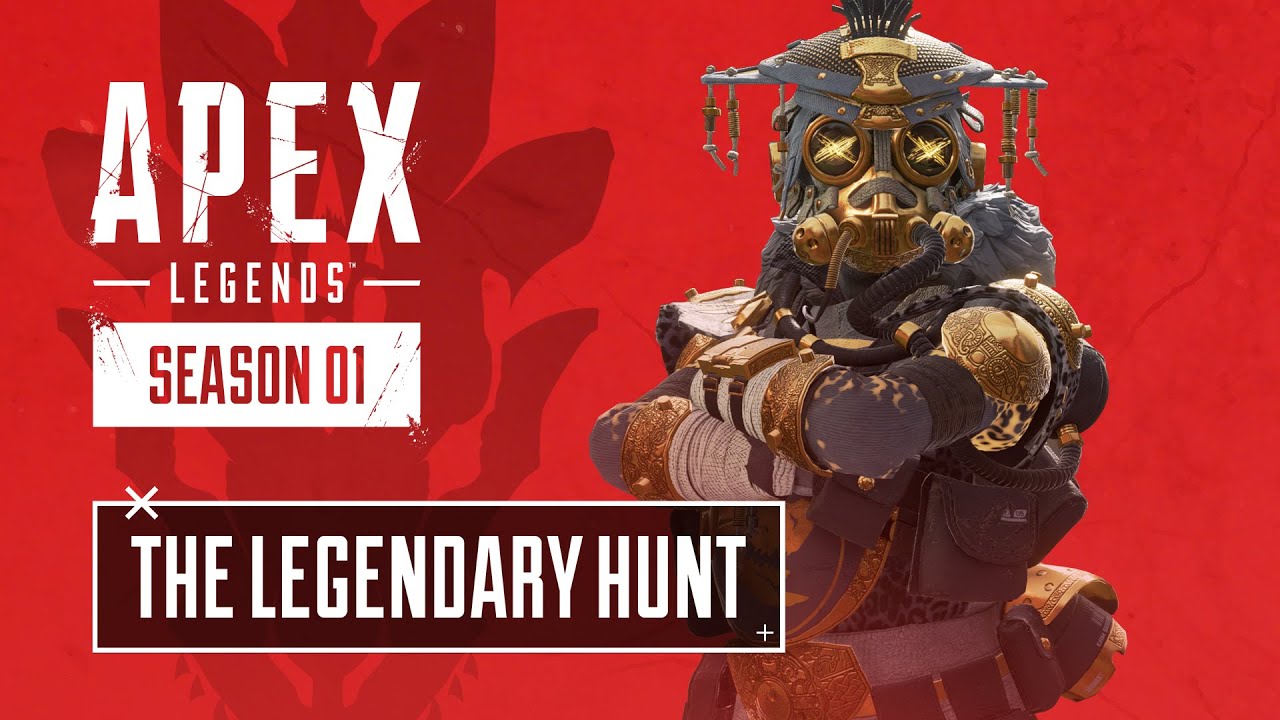
The Legendary Hunt, a limited-time event in Apex Legends, introduced a thrilling new layer of competition and exclusivity to the battle royale. Running from March 26th to July 2nd, 2019, it wasn’t just about survival; it was about proving your mettle against the fiercest of players and earning unique cosmetic rewards that denoted true mastery. This event fundamentally altered the meta, encouraging aggressive playstyles and rewarding those who could consistently outperform their peers in the highest echelons of the Apex Games. Understanding its mechanics, the specific challenges it presented, and the lasting impact it had on the game is crucial for any serious Apex Legends player, especially those who missed out or are curious about its significance. This guide will delve deep into every facet of the Legendary Hunt, providing actionable insights and historical context.
At its core, the Legendary Hunt event revolved around a tiered ranking system. Players ascended through different Ranks – Bronze, Silver, Gold, Platinum, Diamond, and Master – based on their performance in a series of special matches. The primary objective was to achieve a specific Rank and then maintain it to unlock rewards. Unlike standard Ranked Leagues that often extend over an entire season, the Legendary Hunt had a more focused, shorter duration, demanding sustained excellence. The scoring system rewarded kills and placement, with greater emphasis on kills in higher Ranks. This incentivized players to not only survive but to actively seek out engagements and eliminate enemy squads. The sheer intensity of these matches was palpable, as the stakes were significantly higher than in casual play. Achieving a higher Rank wasn’t just a badge of honor; it was a gateway to exclusive loot.
The rewards were arguably the biggest draw of the Legendary Hunt. At the forefront were the Legendary Hunt badges, awarded to players who reached the highest Ranks. A Gold Tier badge was given for reaching Platinum, a Platinum Tier badge for reaching Diamond, and a Diamond Tier badge for reaching Master. These were not simply cosmetic flair; they were tangible proof of a player’s skill and dedication during the event. Beyond these prestigious badges, the event also featured a set of exclusive Legendary weapon skins. These were not obtainable through Apex Packs or the Crafting Store; they could only be earned by reaching specific Rank tiers. For instance, players who reached Gold or higher would receive the "Masterwork" Flatline skin, a highly coveted cosmetic. Reaching Platinum or higher unlocked the "Apex Predator" Wingman skin. The ultimate prize, however, was reserved for those who achieved the elusive Master Rank. These players were not only granted the highest-tier badges but also received the "Legendary Hunt" Havoc skin, a truly unique and sought-after weapon cosmetic. The exclusivity of these rewards fueled a competitive frenzy, as players strived to obtain them before the event concluded.
The competitive landscape of the Legendary Hunt was significantly shaped by its matchmaking. The game employed a system designed to pit players of similar skill levels against each other, especially within the higher Ranks. This meant that once a player ascended to Platinum or Diamond, their lobbies would be populated with other highly skilled players. This created incredibly challenging and often brutal matches. The meta in these high-tier lobbies shifted dramatically. Teams focused on precise rotations, strategic use of abilities, and impeccable aim. Aggressive pushes were still viable but required a higher degree of coordination and execution. The pressure to perform was immense, as a single mistake could lead to a swift elimination and a significant loss of Rank points. This intense environment served as a proving ground for aspiring professional players and seasoned veterans alike.
One of the most significant aspects of the Legendary Hunt was its impact on the meta. The emphasis on kills and higher Ranks encouraged a more aggressive playstyle. Legends with strong offensive capabilities, such as Wraith for her repositioning abilities, Bangalore for smoke cover, and Octane for his speed and aggressive pushes, saw increased pick rates. Defensive Legends like Caustic and Wattson, while still valuable, sometimes struggled to maintain the pace required to rack up kills and climb the ranks quickly. The event also highlighted the importance of precise aiming and quick decision-making. Players who could consistently win gunfights and adapt to rapidly changing situations were the ones who excelled. The meta, therefore, became a dynamic interplay of aggressive skirmishing, strategic positioning, and superior gun skill. This often led to shorter, more action-packed matches, especially in the latter stages of the event.
The Legendary Hunt was not without its controversies and community discussions. While many players embraced the challenge and the exclusive rewards, some expressed concerns about the event’s perceived pay-to-win elements, although this was largely a misunderstanding of the event’s mechanics. The initial confusion often stemmed from the fact that the event was tied to a Battle Pass, and progression through the Battle Pass could offer boosts to XP gain, indirectly aiding in Rank progression. However, the core ranking system itself was skill-based. Furthermore, the limited-time nature of the event meant that players who couldn’t dedicate significant time to grinding were at a disadvantage, leading to discussions about accessibility and fairness. Respawn Entertainment, the developers, often iterated on the Ranked system based on player feedback, and the lessons learned from the Legendary Hunt undoubtedly informed future iterations of Ranked Leagues.
For players looking to understand the Legendary Hunt in retrospect or to glean insights for future events, studying the top-performing Legends and strategies is crucial. Legends that offered strong team synergy and tactical advantage, such as Gibraltar for his defensive dome and offensive bombardment, and Bloodhound for their tracking abilities, remained consistently strong picks. The ability to coordinate effectively with teammates became paramount. Communication was key, whether it was calling out enemy positions, coordinating pushes, or strategizing rotations. Squads that could communicate clearly and execute their plans efficiently had a significant advantage over solo players or uncoordinated teams. The Legendary Hunt underscored the importance of teamwork in Apex Legends, even more so than in standard casual play.
The impact of the Legendary Hunt on the Apex Legends ecosystem was multifaceted. It solidified the concept of limited-time events as a powerful tool for player engagement and retention. The success of the reward structure and the competitive intensity of the ranking system provided a blueprint for future events and Ranked Leagues. It also created a clear distinction between players who participated and excelled during this period and those who did not. The legendary badges and weapon skins became highly sought-after symbols of achievement, even years after the event concluded. For many players, the Legendary Hunt represented a peak in their Apex Legends journey, a period where they pushed their skills to the limit and were rewarded for their dedication. The event also spurred a significant amount of content creation, with streamers and YouTubers dedicating their channels to showcasing their attempts to climb the ranks and achieve the coveted rewards. This content, in turn, helped to further popularize Apex Legends and attract new players.
Looking back, the Legendary Hunt was more than just a temporary game mode; it was a significant milestone in Apex Legends’ development. It demonstrated the game’s potential for deep competitive play and introduced a level of prestige to in-game achievements. The event’s success proved that players were eager for challenging, skill-based experiences that offered meaningful rewards. The exclusivity of the Legendary Hunt items has made them some of the most desirable cosmetics in the game. While these items are no longer obtainable, the memory of the event and the skills honed during that period continue to influence how players approach Apex Legends today. The lessons learned from the Legendary Hunt regarding event design, reward systems, and competitive balancing have undoubtedly contributed to the ongoing evolution of Apex Legends’ multiplayer experience, shaping the way future events and ranked seasons are conceptualized and implemented by Respawn Entertainment. The focus on skill-based progression and exclusive, high-tier rewards remains a core tenet of the game’s ongoing appeal, a testament to the foundational success of events like the Legendary Hunt.
The Legendary Hunt also served as a catalyst for community discussion regarding game balance and the impact of specific Legends. Players meticulously analyzed which Legends thrived in the high-pressure environment of the Legendary Hunt, leading to discussions about potential buffs or nerfs that could foster a more diverse meta. This iterative process of player feedback and developer response is crucial for the long-term health of any competitive game. The event provided a concentrated period of intense gameplay from which the developers could gather invaluable data on player behavior and engagement. This data would have been instrumental in informing balance patches and future design decisions. Furthermore, the Legendary Hunt fostered a sense of community around shared challenges and aspirations. Players would often band together to share strategies, celebrate triumphs, and commiserate over near misses. This camaraderie is a vital component of any successful online game. The event’s success underscored the hunger for meaningful progression and achievement within Apex Legends, paving the way for more sophisticated ranking systems and reward structures in subsequent updates. The event’s legacy is evident in the ongoing focus on competitive integrity and the desire to provide players with tangible recognition for their skill and dedication.

