Mumbai Unveils "The Wonder Lab": A Revolutionary Museum of Answers for Curious Young Minds
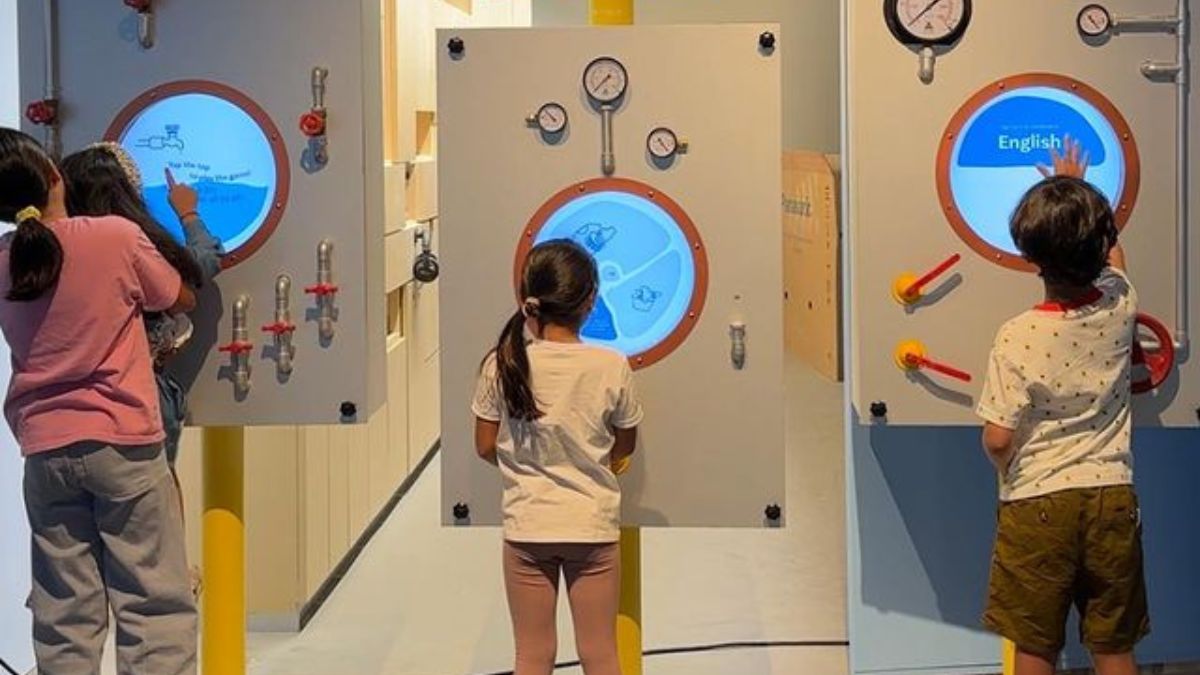
Mumbai, a city pulsating with innovation and a vibrant cultural tapestry, has just gifted its youngest citizens an extraordinary new educational destination: "The Wonder Lab." This isn’t your typical museum filled with static displays and hushed reverence. Instead, The Wonder Lab is a dynamic, interactive sanctuary dedicated to the art of questioning, exploring, and, most importantly, discovering answers. Designed specifically for children, this groundbreaking institution transcends traditional learning by fostering a deep-seated curiosity and empowering young minds to become active participants in their own knowledge acquisition. The museum’s core philosophy centers on the understanding that children are born with an insatiable desire to know "why" and "how," and The Wonder Lab provides a meticulously crafted environment where these questions are not just welcomed, but celebrated and actively explored.
The genesis of The Wonder Lab stems from a recognized gap in conventional educational offerings. While schools provide structured learning, the often-unpredictable and wonderfully organic nature of childhood inquiry can sometimes be difficult to accommodate within rigid curricula. Parents and educators have long sought spaces that can nurture this innate curiosity, allowing children to delve into subjects that pique their interest at their own pace and in their own way. The Wonder Lab aims to fill this void by offering a multi-sensory, hands-on experience that sparks imagination and encourages critical thinking. The museum is not about rote memorization; it’s about cultivating a lifelong love for learning and equipping children with the tools and confidence to seek out answers independently. This is achieved through a thoughtfully curated collection of exhibits and interactive installations, each designed to address a wide spectrum of childhood questions, from the scientific to the philosophical.
The Wonder Lab’s architecture and design are as integral to its mission as its exhibits. Spread across a significant area, the museum is envisioned as a sprawling, interconnected ecosystem of discovery. Bright, airy spaces are punctuated with vibrant colors and engaging textures, creating an environment that is both stimulating and welcoming. Safety and accessibility are paramount, with child-friendly materials and clear pathways ensuring that children of all ages and abilities can navigate and interact with the exhibits comfortably. The layout encourages exploration, with open-plan areas fostering a sense of freedom and discovery, while dedicated zones offer focused engagement with specific themes. Natural light streams into many of the galleries, enhancing the sense of openness and providing a connection to the outside world, a subtle reminder of the vastness of the universe waiting to be explored.
The heart of The Wonder Lab lies in its meticulously designed exhibits, each acting as a springboard for exploration. These are not passive displays; they are interactive portals to understanding. For instance, a prominent exhibit, "The Mechanics of Motion," allows children to experiment with levers, pulleys, and inclined planes, understanding fundamental physics principles through direct manipulation. They can build their own simple machines and observe firsthand how forces are applied and how motion is generated. Another exhibit, "The Symphony of Sound," invites them to explore the science of acoustics. Children can create different sounds using a variety of instruments, experiment with echo chambers, and even learn how their own voices produce sound waves. The exhibit visually represents sound waves, allowing children to see the abstract become tangible.
The museum’s commitment to addressing a diverse range of questions is evident in its "Journey Through the Human Body" exhibit. Here, children can explore the intricate workings of organs through large-scale, tactile models, participate in interactive simulations of the circulatory system, and learn about the senses in a fun and engaging way. The exhibit demystifies complex biological processes, making them accessible and fascinating for young learners. In contrast, the "Cosmic Chronicles" exhibit takes children on a celestial adventure. Through immersive planetarium shows and interactive models of the solar system, they can learn about planets, stars, and galaxies, sparking wonder about the universe and our place within it. They can even experience a simulated journey to the moon, grasping the vastness of space in a way that textbooks often cannot convey.
Beyond the purely scientific, The Wonder Lab also delves into the realms of art, culture, and everyday phenomena. The "Story Weaver’s Studio" encourages creative expression, providing tools and prompts for children to craft their own narratives, explore different art forms, and understand the power of storytelling. This exhibit fosters imagination and develops communication skills. The "Everyday Engineering" section tackles the seemingly mundane, breaking down how common objects work, from the simple mechanics of a zipper to the complex engineering behind a bicycle. This exhibit highlights the ingenuity present in everyday life and encourages children to look at the world with a more analytical and appreciative eye. Furthermore, dedicated zones like "The Empathy Engine" explore social-emotional learning, using interactive scenarios and role-playing to help children understand different perspectives and develop crucial interpersonal skills.
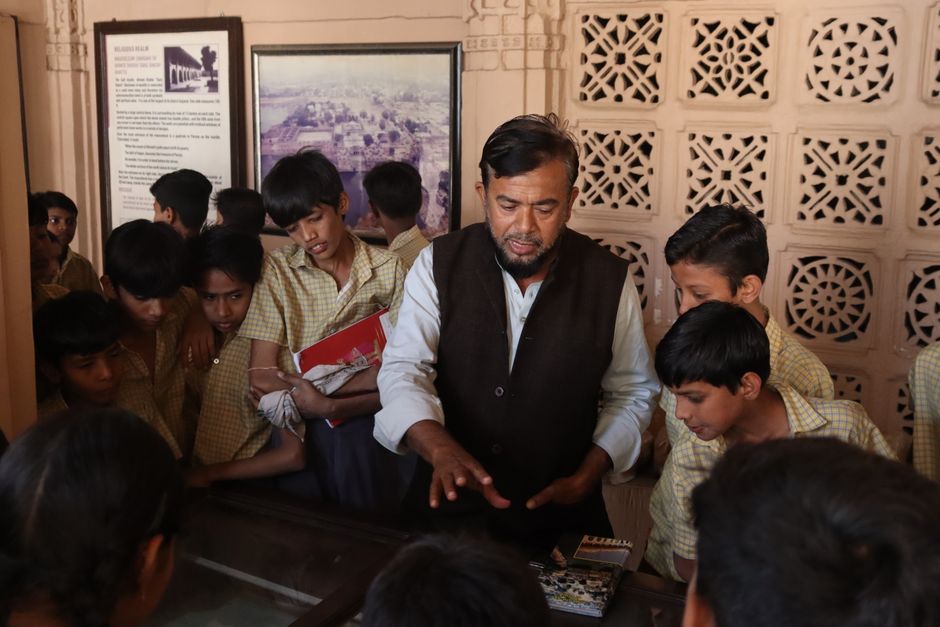
A cornerstone of The Wonder Lab’s philosophy is its emphasis on inquiry-based learning. Instead of providing direct answers, the exhibits are designed to prompt further questions. For example, a display showcasing different types of seeds might be accompanied by a set of magnifying glasses and a series of prompts like, "What do these seeds need to grow?" or "How are these seeds different from each other?" Children are encouraged to investigate, experiment, and discover the answers themselves, with the museum providing the resources and guidance to facilitate this process. This approach fosters critical thinking, problem-solving skills, and a sense of ownership over their learning. Expert facilitators, referred to as "Curiosity Guides," are strategically placed throughout the museum. These individuals are not lecturers but rather guides, trained to ask probing questions, facilitate exploration, and assist children in their quest for understanding. They act as mentors, encouraging experimentation and celebrating the process of discovery.
The Wonder Lab understands that learning is a lifelong journey, and its exhibits are designed to evolve and adapt. The museum plans to host regular workshops, guest speaker sessions with scientists, artists, and innovators, and special exhibitions that delve into current scientific breakthroughs or historical discoveries. This commitment to ongoing engagement ensures that the museum remains a dynamic and relevant resource for children and families in Mumbai. The "Ask an Expert" booths, where children can pose their burning questions to visiting professionals, are a particularly exciting feature, bridging the gap between theoretical knowledge and real-world application. These sessions are designed to be informal and encouraging, making complex subjects approachable.
The impact of The Wonder Lab on Mumbai’s educational landscape is poised to be profound. By offering a space that nurtures curiosity, encourages experimentation, and celebrates the joy of discovery, the museum is contributing to the development of a generation of critical thinkers, problem-solvers, and lifelong learners. In a rapidly evolving world, the ability to ask the right questions and pursue meaningful answers is more crucial than ever. The Wonder Lab is not just a museum; it’s an investment in the future, a testament to Mumbai’s commitment to fostering the intellectual growth and boundless potential of its youngest citizens. The museum’s online presence is also designed for SEO optimization, with a rich repository of articles, exhibit descriptions, and educational resources that cater to parents, educators, and curious minds alike, all optimized with relevant keywords to ensure discoverability. The "Digital Discovery" section, accessible both on-site and online, provides virtual tours, interactive quizzes, and downloadable activity sheets, extending the learning experience beyond the museum walls. This digital integration ensures that the educational benefits reach a wider audience and reinforce the museum’s position as a leading educational hub. The museum’s programming calendar, frequently updated with new events and workshops, is also a key SEO component, attracting repeat visitors and maintaining engagement within the online community.

