
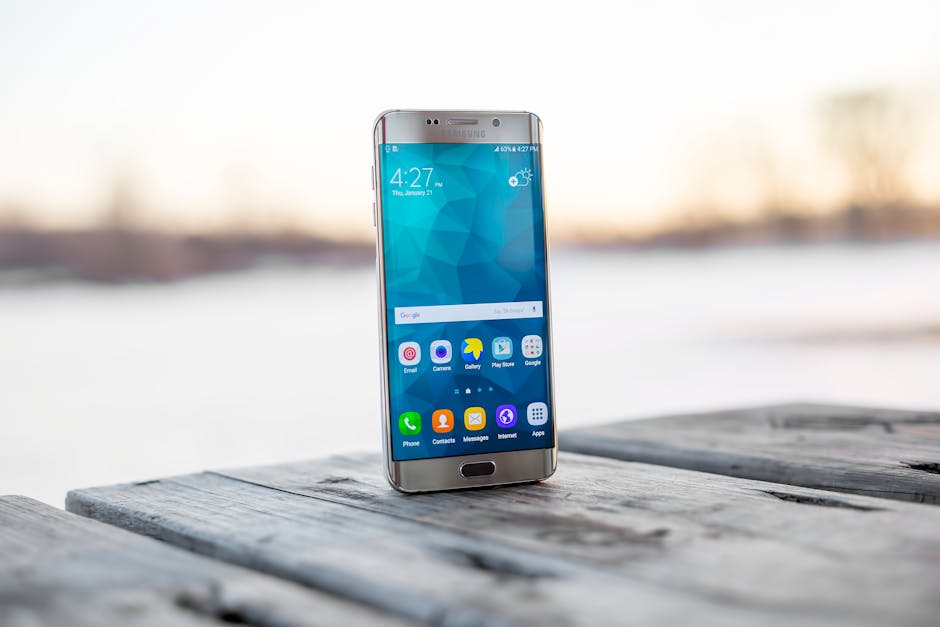
Samsung Galaxy Note8: Comprehensive Final Specifications and Feature Deep Dive
The Samsung Galaxy Note8, launched in late 2017, represented a significant evolution for Samsung’s premium phablet line, addressing concerns from the previous year and solidifying its position as a productivity and multimedia powerhouse. Its final specifications were meticulously engineered to offer a refined and robust user experience, blending cutting-edge hardware with sophisticated software. This article delves into the complete technical details of the Galaxy Note8, exploring its display, performance, camera system, S Pen functionality, battery, and other key features that defined its market presence.
At the heart of the Galaxy Note8’s visual appeal and functionality was its groundbreaking display. Samsung equipped the device with a 6.3-inch Super AMOLED capacitive touchscreen, boasting a resolution of 1440 x 2960 pixels. This translated to an exceptionally sharp 521 pixels per inch (PPI) density, delivering incredibly crisp text, vibrant images, and immersive video playback. The display’s aspect ratio was a then-contemporary 18.5:9, a departure from the traditional 16:9, enabling a more expansive viewing area for multitasking and content consumption without significantly increasing the overall device footprint. This larger screen real estate, coupled with Samsung’s industry-leading AMOLED technology, ensured deep blacks, stunning contrast ratios, and true-to-life color reproduction. The display also featured HDR10 compliance, meaning it could render High Dynamic Range content with enhanced brightness, contrast, and a wider color gamut, making movies and supported apps visually spectacular. Protection was paramount, and the Note8’s display was shielded by Corning Gorilla Glass 5, offering robust resistance against scratches and minor impacts. The Infinity Display design, a signature of Samsung’s premium offerings, minimized bezels, pushing the screen closer to the edges of the device and creating a near-borderless aesthetic that was both modern and ergonomic. This design philosophy not only contributed to its visual appeal but also facilitated a more immersive user experience.
Under the hood, the Samsung Galaxy Note8 was powered by a formidable combination of chipset and RAM, ensuring smooth and responsive performance across a wide range of demanding tasks. Depending on the region, the device was powered by either the Qualcomm MSM8998 Snapdragon 835 (for the US and China markets) or Samsung’s own Exynos 8895 Octa-core processor (for international markets). Both chipsets were built on a 10nm manufacturing process, signifying advanced power efficiency and performance capabilities. The Snapdragon 835 featured an octa-core CPU with a configuration of 4×2.35 GHz Kryo & 4×1.9 GHz Kryo cores, while the Exynos 8895 utilized a heterogeneous setup of 4×2.3 GHz Mongoose M2 & 4×1.7 GHz Cortex-A53 cores. These powerful processors, when paired with 6GB of LPDDR4X RAM, provided ample horsepower for multitasking, running complex applications, mobile gaming, and seamlessly switching between various apps. The generous RAM capacity ensured that even with multiple applications running in the background, the Note8 maintained its fluidity and responsiveness. Storage options were also generous, with internal storage available in 64GB, 128GB, and 256GB variants. Crucially, the Galaxy Note8 retained a microSD card slot, allowing for expandable storage up to 256GB, a feature that was increasingly being omitted from flagship devices at the time and was a significant draw for users requiring extensive local storage for photos, videos, and applications. This combination of high-end processing power and flexible storage made the Note8 a capable device for both professional and personal use.
The camera system of the Samsung Galaxy Note8 was a significant leap forward, establishing it as a benchmark for mobile photography. It was the first Samsung flagship to feature a dual-lens rear camera setup. The primary sensor was a 12MP wide-angle lens with an f/1.7 aperture, dual pixel PDAF (Phase Detection Auto Focus), and OIS (Optical Image Stabilization). This combination of a wide aperture and OIS allowed for excellent low-light performance and sharp, steady shots. Complementing this was a 12MP telephoto lens, also with an f/2.4 aperture, supporting 2x optical zoom and OIS. This dual-lens arrangement enabled the groundbreaking Dual Capture feature, which simultaneously took two photos – one wide and one from the telephoto lens – allowing users to choose the best perspective or use both for creative compositions. The telephoto lens’s optical zoom was a key differentiator, offering superior image quality for zoomed-in shots compared to digital zoom. Both rear cameras were capable of recording video at up to 4K resolution at 30 frames per second, with 1080p video recording at 60fps and 720p at 240fps (super slow-motion). For selfies and video calls, the Note8 featured an 8MP front-facing camera with an f/1.7 aperture and autofocus, ensuring sharp and well-lit self-portraits. AI-powered scene optimization was also integrated, automatically adjusting camera settings based on the scene being captured, further enhancing image quality. Live Focus, a software-driven feature, allowed users to adjust the depth of field (bokeh effect) before or after taking a photo, giving users more control over their portrait shots.
The S Pen stylus was, and remains, the defining characteristic of the Galaxy Note series, and the Note8’s S Pen was the most advanced iteration yet. It featured a 0.7mm tip, offering a natural and precise writing and drawing experience that closely mimicked a real pen on paper. The S Pen was pressure-sensitive, allowing for varying line thickness and stroke intensity, crucial for artistic applications and detailed note-taking. Its functionality was enhanced by a suite of software features collectively known as Air Command. These included: Screen Off Memo, which allowed users to jot down quick notes directly on the screen without unlocking the device; Smart Select, enabling users to easily capture and crop portions of any screen content, extract text from images, and create GIFs; Pen Translate, providing instant translation of text on screen when the S Pen hovers over it; and Magnify, which allowed users to enlarge specific areas of the screen. The S Pen also boasted improved latency, meaning there was less delay between the stylus tip and the on-screen response, further contributing to its natural feel. The S Pen was IP68 water and dust resistant, just like the phone itself, and could be conveniently stored within its dedicated silo in the device. Its integration with the Note8’s hardware and software ecosystem made it an indispensable tool for productivity, creativity, and quick interactions.
Powering the extensive feature set of the Galaxy Note8 was a 3300 mAh non-removable Li-Ion battery. While this capacity might have seemed modest compared to some competitors at the time, Samsung’s optimization of the hardware and software, coupled with the power efficiency of the 10nm chipsets, generally provided respectable battery life for a full day of moderate use. Heavy users, especially those heavily utilizing the display, camera, or gaming, might have found themselves reaching for a charger before the end of the day, but for typical daily usage, it proved adequate. Charging capabilities were also a strong suit. The Note8 supported Fast Battery Charging via the USB Type-C port, allowing for significantly quicker top-ups. Furthermore, it boasted Fast Wireless Charging support (Qi/PMA compatible), adding a layer of convenience for users who preferred cable-free charging. The inclusion of both fast wired and wireless charging options provided users with flexibility in how they replenished their device’s power.
Beyond the core specifications, the Samsung Galaxy Note8 was packed with a comprehensive array of connectivity, security, and multimedia features. It supported the latest in wireless communication, including Wi-Fi 802.11 a/b/g/n/ac, dual-band, Wi-Fi Direct, and hotspot functionality. Bluetooth 5.0 was integrated, offering improved range, speed, and energy efficiency for connecting to accessories. NFC was present for mobile payments and data sharing, and GPS with A-GPS, GLONASS, and BDS provided accurate location services. For charging and data transfer, the device utilized a USB Type-C 3.1 port, which was also capable of supporting DisplayPort for video output, allowing users to connect the Note8 to external displays. Audio features included a 3.5mm headphone jack, a feature that would soon become a rarity in flagship devices, and stereo speakers, delivering a more immersive audio experience for media consumption. Security was a top priority, with the Note8 offering multiple authentication methods. These included a rear-mounted fingerprint sensor, iris scanning technology for rapid and secure unlocking, and face recognition. Samsung’s Knox security platform was also integrated, providing a hardware-level security solution for protecting sensitive data. For multimedia, the Note8 supported a wide range of audio and video formats, and its expansive display made it an ideal device for watching movies, playing games, and consuming digital content. The device also featured IP68 water and dust resistance, meaning it could withstand submersion in up to 1.5 meters of water for up to 30 minutes, offering peace of mind against accidental spills and exposure to the elements. The operating system was initially Android 7.1.1 Nougat, upgradable to later versions, and it ran Samsung’s custom One UI (formerly TouchWiz) overlay, which provided a wealth of customization options and exclusive features.
The Samsung Galaxy Note8’s chassis was constructed from premium materials, featuring an aluminum frame and Corning Gorilla Glass 5 on both the front and rear. This combination not only contributed to its sophisticated aesthetic but also provided a durable and comfortable in-hand feel. The dimensions of the device were 162.5 x 74.8 x 8.6 mm, and it weighed 195 grams, making it a substantial device, befitting its large display and S Pen functionality. The design prioritized a sleek profile, with subtle curves that aided in ergonomics. The placement of the fingerprint sensor on the rear, adjacent to the camera module, was a common design choice of the era, though it was a point of contention for some users. Despite its size, the careful engineering of the Infinity Display and the placement of buttons allowed for a relatively manageable user experience for most. The available color options typically included Midnight Black, Orchid Gray, Deep Sea Blue, and Maple Gold, catering to a variety of aesthetic preferences. The build quality was indicative of Samsung’s commitment to premium craftsmanship, solidifying its position as a high-end smartphone.
In conclusion, the Samsung Galaxy Note8’s final specifications represented a masterful integration of hardware and software, designed to deliver an unparalleled mobile experience. Its expansive, high-resolution display, coupled with a powerful processor and ample RAM, ensured exceptional performance. The pioneering dual-lens camera system revolutionized mobile photography, while the refined S Pen continued to set the standard for stylus-equipped smartphones. With its robust battery, advanced connectivity, and comprehensive security features, the Note8 cemented its legacy as a device that seamlessly blended productivity, creativity, and entertainment, offering a premium and feature-rich platform for its users.

