The Ultimate Guide to Organizing Your Hall Closet in One Afternoon
The hall closet, often the forgotten frontier of home organization, can quickly transform from a functional entryway essential into a chaotic black hole. Piles of shoes, misplaced umbrellas, discarded mail, and forgotten outerwear can create an unmanageable mess, impacting the overall flow and tidiness of your home. This comprehensive guide details a step-by-step process for tackling your hall closet, transforming it from a source of stress into a beacon of order, all achievable within a single afternoon. This isn’t about Pinterest-perfect aesthetics initially; it’s about functionality, accessibility, and creating a system that works for your household. The objective is to declutter, categorize, and implement smart storage solutions that will make finding what you need a breeze.
The first crucial step in any effective organization project is a thorough decluttering. This involves completely emptying the hall closet. Do not attempt to organize in situ; this only creates a superficial illusion of order. Pull everything out. Lay it all out in an open space, such as your living room floor or a cleared dining table. This visual representation of your closet’s contents is vital for understanding the sheer volume of items you possess and for making informed decisions about what to keep, donate, or discard. Be ruthless. Consider the "one-year rule": if you haven’t used an item in the past year, it’s a prime candidate for removal. For seasonal items, a slightly longer timeframe might be acceptable, but generally, if it’s been dormant for two years, it’s time to let it go.
Once everything is out, it’s time to categorize. Group similar items together. Common categories for a hall closet include: coats (heavy, light, raincoats), jackets, outerwear accessories (scarves, hats, gloves), shoes (casual, athletic, dressy, boots), bags (purses, backpacks, reusable shopping bags), cleaning supplies, sports equipment, and miscellaneous items (tools, emergency supplies, forgotten paperwork). As you categorize, create distinct piles for "Keep," "Donate," "Sell," and "Trash." Be honest with yourself about the condition of items. Torn linings, worn-out soles, or broken zippers are clear indicators that an item belongs in the trash or requires repair before being considered for reintroduction. For items in good condition that you no longer need, consider selling them online or at a local consignment shop for a bit of extra cash. This selling pile can be a motivator and offset the cost of any new organizational tools you might purchase.
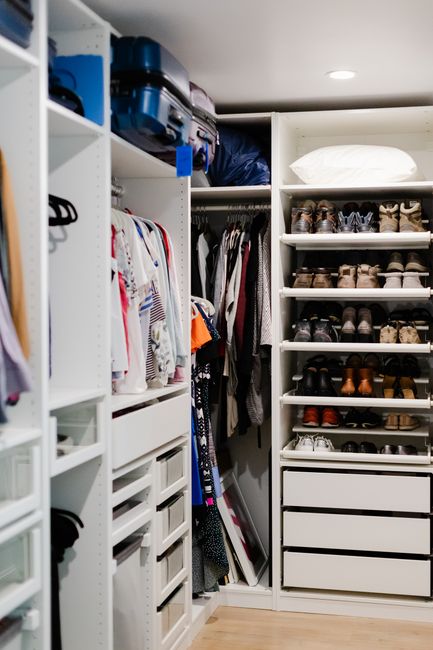
With your decluttering and categorization complete, the next phase is strategic storage. The goal is to maximize vertical space and ensure easy accessibility. Consider your existing closet dimensions and layout. For hanging items, such as coats and jackets, ensure there’s adequate rod space. If the current rod is too high or too low, adjust it or consider adding a second rod to create more hanging capacity. Utilize slim, uniform hangers. Velvet or non-slip hangers are excellent for preventing clothes from sliding off and for creating a streamlined visual. They also take up less space than bulky plastic or wire hangers. For lighter jackets and cardigans that don’t require full-length hanging, consider adding shelves above or below the main hanging rod.
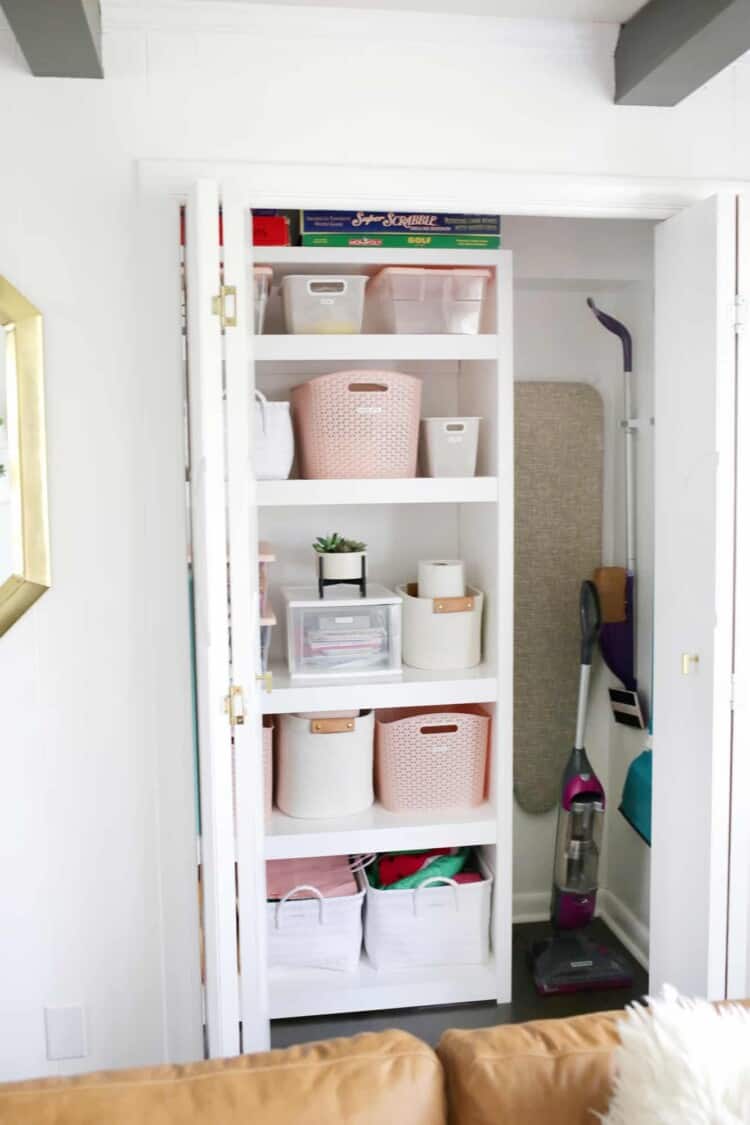
Shelving is a game-changer for hall closet organization. If your closet has existing shelves, assess their depth and height. Are they too deep, leading to items getting lost in the back? Are they too short, forcing you to stack items precariously? If your closet lacks sufficient shelving, consider investing in affordable shelving units or modular shelf systems. These can be adjusted to accommodate your specific needs. For shoes, dedicated shoe shelves or racks are ideal. Stackable shoe racks offer a modular solution that can be expanded as your shoe collection grows. Alternatively, consider clear plastic shoe boxes for dust protection and visibility. Labeling these boxes clearly will ensure you can quickly identify the contents without having to open each one.
For smaller accessories like scarves, hats, and gloves, consider utilizing wall space within the closet. Over-the-door organizers with multiple pockets are fantastic for storing these smaller items. You can also install hooks or a pegboard on the closet walls to hang individual hats, scarves, or even keys. Drawer units or small bins can be placed on shelves to corral smaller items like sunglasses, lip balm, or spare change. Repurposed containers from other parts of your home can also be effective. Even empty shoeboxes or sturdy cardboard boxes can be used as dividers or storage bins, especially if they are covered with attractive paper or fabric to match your aesthetic.
Cleaning supplies often find their way into hall closets. Designate a specific area for these. If you have shelves, a dedicated lower shelf or a pull-out bin works well. For taller items like brooms and mops, consider wall-mounted holders or a designated corner. Ensure any liquids are stored upright and in leak-proof containers. If you keep tools or DIY supplies in your hall closet, a pegboard system or small toolboxes can keep everything organized and easily accessible. Think about how often you use these items. Frequently used items should be at eye level and within easy reach, while less frequently used items can be stored higher up or further back.
The "miscellaneous" category often becomes the Bermuda Triangle of the hall closet. This is where things go to disappear. For this category, clear bins with lids are highly recommended. Label each bin clearly with its contents, e.g., "First Aid Supplies," "Winter Emergency Kit," "Guest Items." This prevents items from being randomly shoved in and makes it easy to retrieve what you need in a hurry. Consider a dedicated bin for "Outgoing Items" – mail you need to mail, items to be returned to the library or a friend, or donations. This prevents these items from cluttering other surfaces.
As you begin placing items back into the organized closet, implement a system of "like with like" and "zone creation." Assign specific zones for each category. For example, the top shelf might be for less frequently used items or seasonal storage, the middle section for coats and jackets, and the lower section for shoes and bags. Utilize the full height of the closet. If you have high shelves that are difficult to reach, use step stools or designate these areas for lightweight, infrequently used items. Consider investing in a small, collapsible step stool that can be stored within the closet itself for easy access to higher shelves.
Labels are your best friend in maintaining long-term organization. Invest in a label maker or use sturdy cardstock and a marker to create clear, legible labels for shelves, bins, and drawers. This not only helps you and your family know where things belong but also serves as a visual reminder of the organizational system you’ve implemented. When you introduce new items into the closet, take the extra minute to place them in their designated spot and update labels if necessary. This proactive approach prevents the closet from reverting to its previous chaotic state.
Consider the ergonomics of your closet. Items that are used daily should be the most accessible. This means placing your most frequently worn coats, your go-to shoes, and your everyday bag at the front of the closet and at a comfortable height. Seasonal items, like heavy winter coats or summer accessories, can be stored in bins on higher shelves or at the back of the closet. If you have limited space for seasonal storage, consider vacuum-sealed bags to compress bulky items like winter jackets and blankets.
The "one afternoon" timeframe is ambitious, but achievable with a focused approach. Break down the process into manageable steps. Allocate specific time slots for decluttering, sorting, cleaning, and arranging. Music or a podcast can help keep you motivated and the time will fly by. The initial emptying and sorting will likely take the longest. Once that’s done, placing items back in an organized fashion with the help of shelving, bins, and labels will be significantly faster.
Cleaning the closet itself is an essential part of the process. Before putting anything back, give the interior of the closet a good scrub. Vacuum or sweep the floor, wipe down shelves, and dust any surfaces. This is an opportunity to start with a clean slate and ensure a fresh environment for your newly organized belongings. If there are any lingering odors, consider placing a sachet of baking soda or a natural air freshener in the closet.
The key to sustaining this organization is consistent upkeep. Schedule a quick "hall closet check-in" once a month. This involves a five-minute scan to ensure items are in their designated places and to address any emerging clutter. Encourage all household members to participate in maintaining the system by returning items to their correct spots after use. A family meeting to explain the new system and the importance of keeping it tidy can be beneficial.
When purchasing organizational tools, prioritize functionality and durability. Measure your closet space carefully before buying any shelving units, bins, or drawer organizers. It’s better to invest in a few high-quality items that fit your space perfectly than to accumulate a collection of ill-fitting gadgets. Look for versatile solutions that can be adapted as your needs change. For example, modular shelving can be reconfigured to accommodate different items or larger storage needs.
Think about the flow of your entryway. Your hall closet should facilitate a smooth transition as you enter and leave your home. Having essentials like keys, mail, and your wallet in a designated spot near the closet entrance can save valuable time during busy mornings. Consider adding a small hook or tray near the closet for these items.
The process of organizing your hall closet in one afternoon is not just about tidying up. It’s about creating a more efficient and stress-free living environment. By dedicating a focused block of time, decluttering effectively, categorizing strategically, and implementing smart storage solutions, you can transform a chaotic space into a functional and beautiful part of your home. The lasting impact of a well-organized hall closet extends beyond mere aesthetics; it contributes to a sense of calm and control, making your daily routines smoother and your home more enjoyable. Remember, the goal is not perfection, but a system that works for you and your household, making it easy to find what you need, when you need it.

