Overwatch: A Definitive Dive into its Anime Soul
The vibrant character designs, dynamic action sequences, and overarching narrative threads of Blizzard Entertainment’s Overwatch are not merely inspired by anime; they are, in many respects, a distilled essence of the medium itself. From the moment players boot up the game, they are plunged into a world that bleeds anime sensibilities, a deliberate choice by its creators that has profoundly shaped its identity and global appeal. This article will dissect the multifaceted ways in which Overwatch embodies anime, exploring character archetypes, visual aesthetics, narrative tropes, and thematic resonance that firmly plant it within the anime canon, even if it originates from a Western studio.
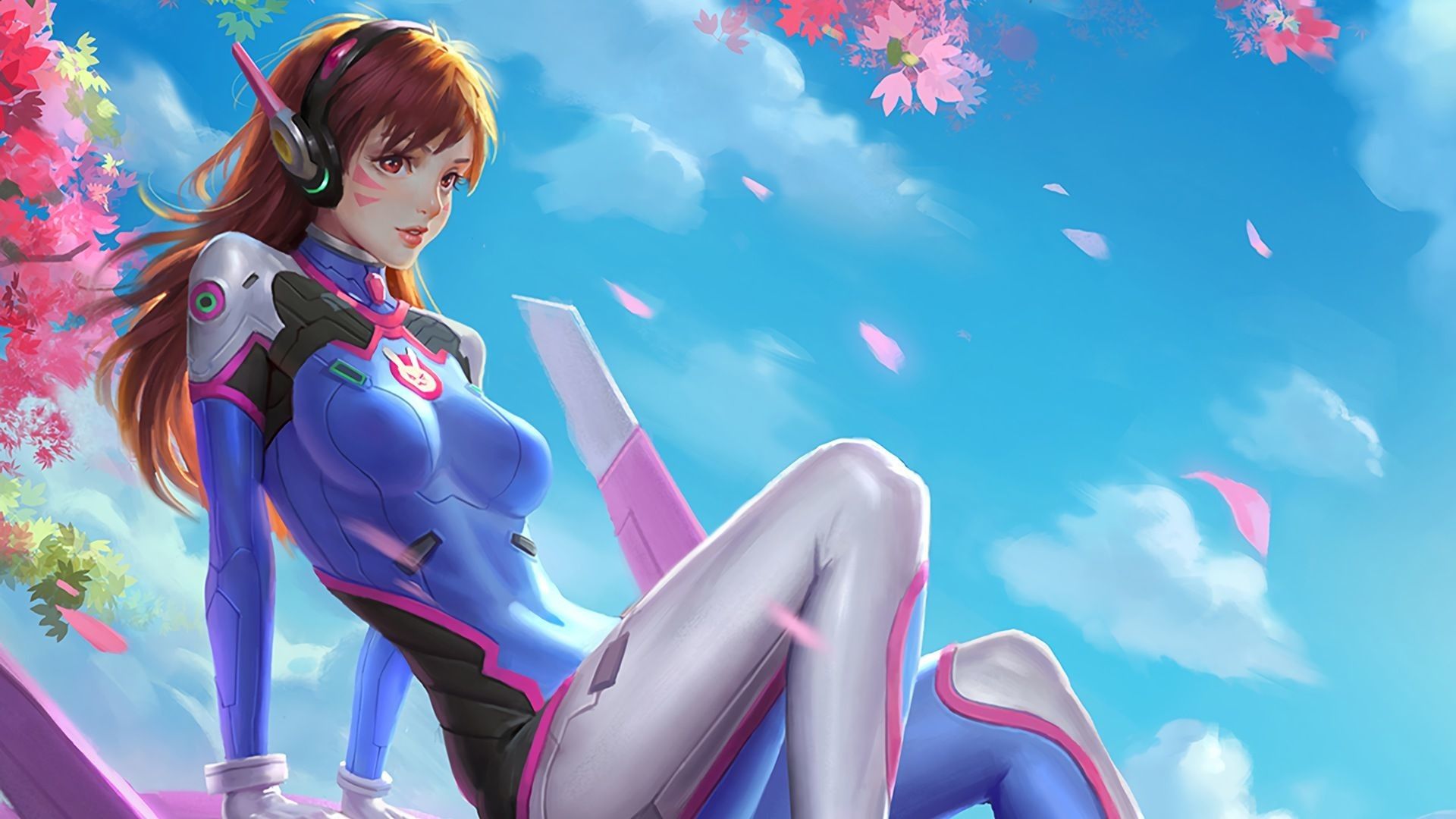
The visual language of Overwatch is arguably its most immediate and potent connection to anime. Character designs, the bedrock of any animated or graphically driven medium, are meticulously crafted to evoke specific anime archetypes and aesthetic philosophies. Take, for instance, the diverse cast of heroes. Tracer, with her spunky attitude, goggles, and impossibly agile movements, is a textbook example of a shonen protagonist – energetic, optimistic, and possessing a unique, almost magical ability that sets her apart. Her bright color palette and expressive facial animations further reinforce this connection. Genji, the cybernetic ninja, is a masterclass in the "cyborg samurai" trope, a recurring and highly popular character type in anime, particularly in genres like cyberpunk and action. His design, with its sharp angles, glowing eyes, and emphasis on fluid, deadly combat, directly echoes iconic figures from series like Ghost in the Shell or Samurai Champloo.
Furthermore, the hero roster is populated with characters who embody classic anime character archetypes. Hanzo, Genji’s stoic and morally conflicted brother, fits the mold of the brooding anti-hero or the tragic swordsman, often found in historical or fantasy anime. Mercy, the angelic healer, embodies the benevolent and compassionate support character, a staple in many team-based anime narratives, providing a maternal or guiding presence. Reinhardt, the crusading knight, is the quintessential "brave warrior" archetype, embodying courage, honor, and a unwavering sense of justice, reminiscent of characters from classic mecha anime or fantasy epics. Even characters with more unconventional designs, like Zenyatta or Brigitte, carry distinct visual cues that resonate with anime aesthetics, be it the spiritual, meditative presence of Zenyatta or the determined, mechanically-augmented knightess in Brigitte. The sheer breadth of these archetypes, meticulously rendered with a distinct artistic flair, demonstrates a deep understanding and appreciation for the visual storytelling conventions of anime.
Beyond individual character designs, the overall art direction of Overwatch leans heavily into anime’s characteristic visual vibrancy and stylistic exaggeration. The clean lines, bold color blocking, and slightly stylized proportions of the character models are all hallmarks of modern anime illustration. Environments, too, reflect this. From the neon-drenched streets of Neo-Kyoto in the Hanamura map to the lush, ancient temples of Shambali Monastery, these locations are designed with a keen eye for atmospheric detail and a deliberate exaggeration of visual elements to create memorable and impactful backdrops. The way light interacts with surfaces, the fluidity of character animations during combat, and the visual flair of ability effects – explosions that blossom like fireworks, energy blasts that crackle with vibrant hues, and teleports that shimmer into existence – are all designed to be visually spectacular, a direct lineage from the over-the-top action and visual dynamism that defines much of anime.
The narrative and thematic elements of Overwatch further solidify its anime kinship. While Overwatch often presents itself as a character-driven hero shooter, it weaves a rich tapestry of lore that embraces common anime narrative structures and themes. The concept of a near-future world grappling with conflict and the rise of extraordinary individuals is a recurring narrative in many popular anime series. The establishment of Overwatch itself, a global peacekeeping force comprised of heroes with unique abilities, mirrors the premise of many superhero or mecha anime where specialized teams are formed to combat existential threats.
The underlying theme of hope versus despair, of humanity striving to overcome its internal divisions and external threats, is a powerful current running through Overwatch’s lore. This resonates deeply with the often optimistic, yet sometimes somber, explorations of human resilience found in anime narratives. The struggle against Omnic oppression, a core conflict in Overwatch’s backstory, can be seen as a metaphor for various social and political struggles explored in anime, prompting questions about prejudice, artificial intelligence, and the definition of sentience.
The character relationships and their development also echo anime conventions. The intense rivalries, like that between Genji and Hanzo, are often characterized by deep emotional stakes, familial bonds, and the potential for eventual reconciliation or understanding. The camaraderie and found-family aspects of the Overwatch team, particularly during their reintegration period after the organization’s disbandment, are classic anime tropes that foster emotional investment from the audience. The "chosen one" narrative, while not always explicitly stated, can be inferred in the way certain heroes rise to prominence and become symbols of hope.
The use of cinematic trailers and animated shorts by Blizzard further cements Overwatch’s anime identity. These shorts, often produced with a high degree of animation quality and emotional depth, are essentially short anime episodes that flesh out the characters’ backstories, motivations, and the world they inhabit. They employ visual storytelling techniques common in anime, such as dramatic close-ups, impactful music scores, and fluid, expressive animation to convey emotion and drive the narrative forward. The character interactions within these shorts, filled with banter, heartfelt moments, and explosive action, are undeniably anime in their execution. They serve as miniature anime OVAs (Original Video Animations) that enhance the player’s connection to the Overwatch universe.
Furthermore, the very concept of "heroes" with distinct power sets and specialized roles, operating within a larger conflict, is a cornerstone of many battle-oriented anime genres. Think of My Hero Academia‘s Quirks, Fairy Tail‘s magic, or Naruto‘s Jutsu. Overwatch’s diverse roster of heroes, each with their unique "abilities" derived from technology, biology, or other extraordinary means, fits this paradigm perfectly. The strategic team compositions, where players must synergize these abilities to overcome opponents, mirrors the tactical battles often depicted in anime, where clever use of powers and understanding of an opponent’s weaknesses are paramount.
The game’s emphasis on "ultimate abilities," often visually spectacular and game-changing maneuvers, directly draws inspiration from the concept of super moves or signature attacks that are a staple of anime combat. These ultimates are not just powerful; they are often designed to be visually impactful, a moment of high drama and spectacle that mirrors the dramatic reveals and finishing moves seen in anime battles. The sound design accompanying these abilities, from the impactful roars to the distinctive sonic cues, further enhances this feeling of heightened reality and anime-esque flair.
The influence of Japanese culture, a natural conduit for anime, is also subtly present in Overwatch’s design. While not always overt, elements such as the aesthetics of Hanamura, the design of Genji and Hanzo, and the spiritual undertones of Zenyatta’s character hint at a respectful nod to Japanese art and philosophy. This integration, rather than being a superficial addition, feels organic to the world-building, contributing to its richness and appeal to a global audience that appreciates the multifaceted nature of anime.
In conclusion, Overwatch is not simply a game with anime elements; it is a game that has successfully integrated the core tenets of anime into its very DNA. From its instantly recognizable character archetypes and vibrant visual design to its thematic explorations of hope, conflict, and camaraderie, Overwatch embodies the spirit and aesthetic of anime. Its success lies, in no small part, to this deliberate and masterful embrace of a beloved medium, creating a world that is not only engaging to play but also deeply resonant with fans of anime worldwide. The game’s ongoing popularity and continued appeal are a testament to how effectively Blizzard has translated the magic of anime into an interactive and immersive experience.

