Sweet Potato Pie with Boozy Marshmallows: A Decadent Dessert Elevated
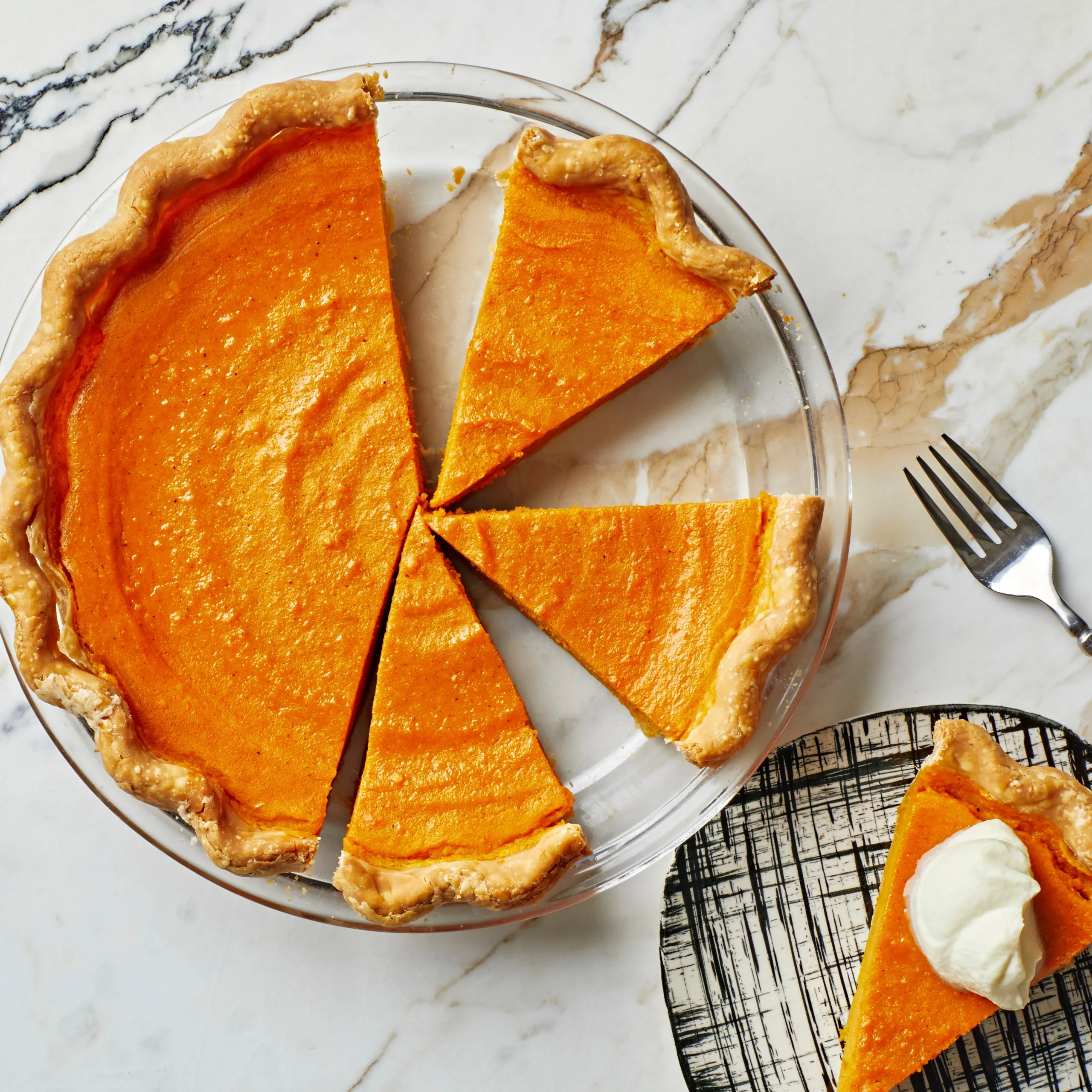
The humble sweet potato, a staple in countless cuisines, finds its ultimate expression in the realm of desserts, particularly in the beloved sweet potato pie. While a classic sweet potato pie is a masterpiece of creamy, spiced, and subtly sweet filling encased in a flaky crust, the addition of boozy marshmallows elevates this comfort food to an extraordinary level of indulgence. This article delves into the intricacies of crafting a truly exceptional sweet potato pie, focusing on the perfect execution of both the pie itself and the transformative boozy marshmallow topping, providing insights for both novice bakers and seasoned dessert enthusiasts.
The Foundation: A Perfect Sweet Potato Puree
The soul of any great sweet potato pie lies in its filling, and the cornerstone of that filling is the sweet potato puree. Achieving a silky-smooth, intensely flavorful puree is paramount. Opt for sweet potatoes that are vibrantly orange and feel heavy for their size, indicating optimal moisture and sugar content. Roasting is generally the preferred method for preparing sweet potatoes for pie. Unlike boiling, which can introduce excess water and dilute flavor, roasting concentrates the natural sugars and develops a deeper, more complex sweetness. Wash the sweet potatoes thoroughly, prick them several times with a fork, and roast them directly on the oven rack at 400°F (200°C) until they are fork-tender and the skins are slightly shriveled, typically 45-60 minutes depending on size. Allow them to cool sufficiently to handle. Once cool, split them open and scoop out the flesh, discarding the skins.
The critical step for achieving a superior puree is to pass the roasted sweet potato flesh through a fine-mesh sieve or a food mill. This process removes any fibrous strings and ensures an incredibly smooth texture, preventing the common pitfall of a grainy pie. Alternatively, a food processor can be used, but be cautious not to over-process, which can lead to a gummy consistency. The goal is a luxurious, almost baby-food-like smoothness. Measure the puree accurately; consistency in measurement is key to successful baking. For a standard 9-inch pie, approximately 2 to 2.5 cups of puree is generally required.
The Pie Filling: Balancing Sweetness, Spice, and Creaminess
The sweet potato puree forms the base, but it’s the alchemy of additional ingredients that creates the iconic flavor profile of sweet potato pie. The standard ingredients include sugar, eggs, dairy, and a symphony of warm spices. For the sugar, a combination of granulated sugar and brown sugar often yields the best results. Brown sugar contributes a molasses-like depth and moisture that complements the sweet potato beautifully. The ratio can be adjusted to personal preference, but a good starting point is roughly half granulated and half brown sugar.
Eggs act as a binder, providing structure and richness. Two to three large eggs are typically sufficient for a 9-inch pie. Over-baking with too many eggs can lead to a rubbery texture, so judicious use is important. The dairy component contributes to the pie’s characteristic creaminess. Evaporated milk is a classic choice, offering a concentrated, rich dairy flavor without adding excess water. Heavy cream or half-and-half can also be used, providing an even richer mouthfeel. A touch of milk can be added if a slightly less dense filling is desired.
The spice blend is what truly defines the character of sweet potato pie. Cinnamon is indispensable, providing its warm, sweet aroma and flavor. Nutmeg, with its slightly sweet and pungent notes, adds complexity. Ground ginger contributes a subtle heat and zing. Allspice, a blend of cinnamon, clove, and nutmeg, ties these flavors together harmoniously. Cloves, used sparingly, offer a potent, pungent warmth. The amount of spice is a matter of personal preference, but a balanced blend ensures no single spice overpowers the others. A common starting point is 1 teaspoon of cinnamon, 1/2 teaspoon of nutmeg, 1/4 teaspoon of ginger, and a pinch each of allspice and cloves. Some bakers also incorporate a touch of vanilla extract for an extra layer of aroma and flavor.
Assembly and Baking the Perfect Pie Crust
A truly outstanding sweet potato pie is only as good as its crust. A flaky, buttery pie crust is essential. While store-bought crusts can be convenient, a homemade crust offers unparalleled flavor and texture. A classic all-butter pie crust provides the most desirable flakiness and rich flavor. The key to a flaky crust is keeping the butter cold and incorporating it into the flour in pea-sized pieces. Avoid overworking the dough, as this develops gluten and results in a tough crust. Chilling the dough thoroughly before rolling and lining the pie plate is crucial for preventing shrinkage during baking.
Blind baking the pie crust is highly recommended for sweet potato pie. This involves partially or fully baking the crust before adding the filling. This step ensures that the bottom crust is cooked through and avoids the dreaded soggy bottom, a common problem with custard-based pies. To blind bake, line the chilled pie shell with parchment paper, fill it with pie weights, dried beans, or rice, and bake until the edges are lightly golden. Remove the weights and parchment and bake for a few more minutes to dry out the bottom.
Once the pie crust is blind-baked, pour the prepared sweet potato filling into the crust. Avoid overfilling, as the filling will puff slightly during baking. Bake the pie in a preheated oven, typically at 350°F (175°C). The baking time will vary, but generally, it takes 40-60 minutes. The pie is done when the edges are set and slightly puffed, and the center is mostly set but still has a slight wobble. A knife inserted near the center should come out clean. Over-baking can cause the filling to crack. Cool the pie completely on a wire rack before proceeding to the marshmallow topping. This allows the filling to fully set.
The Star of the Show: Crafting Boozy Marshmallows
The boozy marshmallow topping is where this sweet potato pie truly shines, transforming a familiar dessert into an unexpected delight. The marshmallows themselves can be homemade or high-quality store-bought marshmallows can be used. For a truly exceptional topping, consider making your own marshmallows, which allows for greater control over texture and flavor. Homemade marshmallows are made from gelatin, sugar, corn syrup, and water, whipped to a fluffy, cloud-like consistency.
The "boozy" element can be incorporated in several ways. The most straightforward method is to add a complementary spirit to the marshmallow mixture itself during the whipping process. Bourbon or whiskey are excellent choices, their caramel and oak notes harmonizing beautifully with the sweet potato and spices. Rum, particularly dark rum, can also add a warm, tropical dimension. The amount of alcohol can be adjusted, but a tablespoon or two is generally sufficient to impart flavor without making the marshmallows overly liquid or impacting their setting.
Alternatively, the alcohol can be infused into the marshmallow fluff after it has been whipped and is ready to be toasted or broiled. This can be done by drizzling a liqueur like Grand Marnier, Kahlua, or a spiced rum over the marshmallow topping before applying heat. This method allows for a more intense alcohol flavor to be released through evaporation during toasting.
Another creative approach involves soaking dried fruit, such as cranberries or cherries, in a spirit for a few days before folding them into the marshmallow topping. This adds both texture and a concentrated burst of boozy flavor.
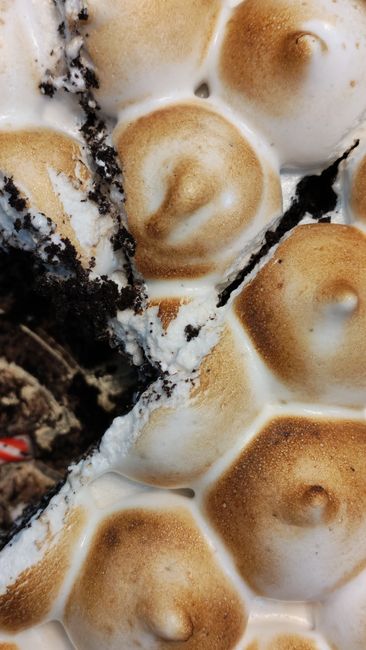
The method of applying and toasting the marshmallows is crucial for achieving that desirable golden-brown, slightly crisp exterior and molten interior. Spread a generous layer of marshmallows evenly over the cooled sweet potato pie. Then, using a kitchen torch is the ideal method for achieving an even, beautifully caramelized crust. Move the torch steadily over the marshmallows, ensuring they puff up and develop golden-brown peaks. If a torch is not available, the pie can be placed under a preheated broiler for a short period. Keep a very close eye on it, as marshmallows can burn very quickly under a broiler. Rotate the pie as needed to ensure even browning. The goal is to achieve a toasted marshmallow topping that complements the rich, creamy filling without overpowering it.
Variations and Serving Suggestions
While the classic sweet potato pie with bourbon-marshmallows is a perennial favorite, there are numerous avenues for creative variation. Consider incorporating citrus zest, such as orange or lemon, into the sweet potato filling to add brightness and cut through the richness. A pinch of cardamom can introduce an exotic floral note. For a richer, more decadent experience, swirl a tablespoon or two of melted dark chocolate into the filling before baking.
When it comes to serving, the boozy marshmallow-topped sweet potato pie is best served slightly warm or at room temperature. The warmth accentuates the creamy texture of the filling and the molten, gooey nature of the marshmallows. A dollop of unsweetened whipped cream or a scoop of vanilla bean ice cream can provide a refreshing counterpoint to the richness of the pie. For those who enjoy an extra kick, a drizzle of the same spirit used in the marshmallows can be offered as an optional accompaniment.
The SEO Appeal: Keywords and Recipe Optimization
To ensure this delectable recipe reaches a wide audience, strategic SEO is essential. Incorporating relevant keywords naturally throughout the article is key. This includes terms such as "sweet potato pie recipe," "boozy marshmallows," "bourbon sweet potato pie," "homemade marshmallows," "dessert recipes," "holiday baking," "Thanksgiving dessert," "Christmas dessert," "easy sweet potato pie," and "decadent desserts."
Structuring the article with clear headings and subheadings aids both readability and search engine crawlers. Using descriptive meta titles and descriptions for online publication will further enhance search visibility. High-quality images of the finished pie, showcasing both the creamy filling and the perfectly toasted marshmallows, are crucial for visual appeal and social sharing.
Emphasizing the unique "boozy marshmallow" aspect will attract a niche audience seeking elevated dessert experiences. The detailed instructions for both the pie and the topping provide valuable content for users searching for comprehensive guidance. By focusing on the distinct elements that make this recipe special – the smooth sweet potato puree, the balanced spice profile, the flaky crust, and the spectacular boozy marshmallow topping – this article aims to become a go-to resource for anyone looking to master this elevated classic. The integration of practical advice, ingredient explanations, and creative variations ensures a comprehensive and engaging piece that caters to a broad spectrum of bakers and dessert enthusiasts, ultimately driving traffic and encouraging culinary exploration.

