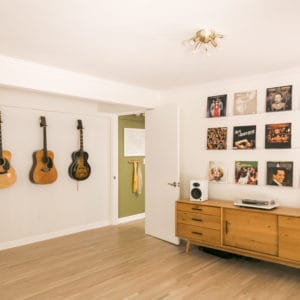
Elsie’s Basement Living Room Tour: A Masterclass in Maximizing Small-Space Style and Functionality
Elsie’s basement living room isn’t just a renovated subterranean space; it’s a testament to intelligent design, a curated aesthetic, and an unwavering commitment to maximizing every square inch. This tour delves deep into the strategic choices that transformed a potentially gloomy, underutilized area into a vibrant, comfortable, and highly functional living space. From clever storage solutions to the thoughtful selection of furniture and décor, Elsie’s basement serves as an inspiring blueprint for anyone looking to elevate their own home, particularly those with limited square footage. The success of this renovation lies in its holistic approach, where form and function are inextricably linked, creating an environment that feels both expansive and intimately inviting.
The foundational element of Elsie’s basement living room’s success is its strategic lighting plan. Recognizing the inherent challenges of natural light in subterranean spaces, Elsie prioritized a multi-layered lighting scheme. Recessed LED downlights, strategically placed to avoid glare and create a uniform glow, form the primary illumination. These are complemented by a series of ambient lamps, including a striking arc floor lamp that casts a warm, inviting pool of light over the main seating area, and smaller table lamps on side tables, providing task lighting and creating intimate nooks. The inclusion of dimmer switches on all fixtures allows for complete control over the mood, transitioning from bright, functional light for reading or entertaining to a soft, cozy ambiance for relaxing evenings. The color temperature of the bulbs was also carefully considered, opting for warmer tones (around 2700K-3000K) to mimic natural daylight and prevent the space from feeling sterile or overly cool. Furthermore, Elsie incorporated subtle uplighting behind key architectural features and plants, adding depth and visual interest, further counteracting the basement’s inherent lack of verticality. This meticulous approach to illumination not only combats the potential darkness of a basement but also actively shapes the perception of space, making it feel larger and more welcoming.
The color palette is another pivotal factor in Elsie’s basement living room’s visual appeal and perceived spaciousness. A foundation of light, neutral tones dominates the walls, ceilings, and larger furniture pieces. Soft whites, light grays, and warm beiges create a sense of airiness and reflect light effectively, a critical consideration in a basement environment. These neutrals are then strategically punctuated with pops of color through accent pillows, artwork, and decorative objects. A deep teal in a throw pillow, a vibrant ochre in a piece of pottery, or a rich emerald in a potted plant inject personality and prevent the space from feeling monotonous. The judicious use of these accent colors draws the eye, creating focal points and adding visual depth without overwhelming the senses. Elsie has also employed a subtle use of texture to add warmth and interest to the neutral base. Think of a chunky knit throw draped over a sofa, a woven rug underfoot, or the natural grain of a wooden coffee table. These tactile elements contribute significantly to the overall cozy and inviting atmosphere, proving that a basement can be just as, if not more, comfortable and stylish than a main-floor living area.
Furniture selection in Elsie’s basement living room is a masterclass in balancing scale, comfort, and multi-functionality. Given the typically lower ceilings and potentially more confined dimensions of a basement, oversized, bulky furniture would be a design disaster. Instead, Elsie has opted for pieces with clean lines and a sense of visual lightness. The main sofa, for instance, is upholstered in a durable, light-colored fabric and features relatively slender arms and elevated legs, creating a sense of openness beneath it. Complementing this are armchairs that are scaled appropriately, providing ample seating without dominating the room. The coffee table is a key element, and Elsie has chosen a design that is both practical and visually unobtrusive. Perhaps it’s a nesting set, allowing for flexibility, or a minimalist design with ample surface area but a slim profile. Storage is seamlessly integrated into the furniture choices. A console table behind the sofa might offer drawers for media accessories, or a stylish ottoman could double as a storage chest for blankets and games. Every piece of furniture serves a purpose, and often, multiple purposes, a crucial strategy for small-space living. The arrangement of the furniture is also deliberate, fostering conversation and optimizing flow, ensuring that pathways remain clear and the space feels easy to navigate.
Storage solutions are the unsung heroes of Elsie’s basement living room, transforming potential clutter into organized elegance. Recognizing that basements often lack built-in storage, Elsie has implemented a variety of clever strategies. Wall-mounted shelving units, perhaps in a light wood finish or a sleek white, provide vertical storage for books, decorative items, and even media components. These shelves are styled thoughtfully, avoiding overcrowding and incorporating personal touches. Beneath the television, a modern media console with closed cabinetry hides away electronics and cables, maintaining a clean aesthetic. Ottomans with hidden storage are strategically placed, offering convenient spots to stow away extra blankets, board games, or even seasonal décor. Elsie has also embraced the power of baskets and bins, utilizing them to corral smaller items like remotes, coasters, or children’s toys. These are often placed on shelves or within cabinetry, providing a contained and organized appearance. The key here is to integrate storage into the overall design, making it a natural and aesthetically pleasing part of the room rather than an afterthought. Every surface, from the top of a bookshelf to the inside of a decorative trunk, is considered for its storage potential.
The decorative elements in Elsie’s basement living room are carefully chosen to enhance the overall ambiance and inject personality without creating visual clutter. Artwork plays a significant role, with a mix of framed prints and perhaps a larger statement piece that draws the eye and anchors a wall. The scale of the artwork is important, ensuring it complements rather than overwhelms the space. Mirrors are strategically placed to reflect light and create the illusion of greater depth, a timeless trick for smaller rooms. Elsie likely has a generously sized mirror above a console table or on a prominent wall to maximize this effect. Greenery, in the form of potted plants, adds life and a touch of nature to the basement. These plants not only improve air quality but also introduce organic shapes and vibrant colors. Decorative pillows and throws are essential for adding comfort and personality. They are chosen to complement the room’s color palette, offering layers of texture and visual interest. Elsie’s approach to décor is about intentionality. Each item has a purpose, whether it’s functional, aesthetic, or sentimental. This curated approach prevents the space from feeling overstuffed and ensures that every element contributes to the harmonious whole.
The flooring in Elsie’s basement living room is a critical consideration for both comfort and aesthetic. Given the typical concrete subfloor of a basement, the choice of flooring directly impacts warmth and sound absorption. Elsie has likely opted for a soft, resilient flooring option that enhances the cozy feel of the space. Luxury vinyl plank (LVP) or engineered wood flooring are excellent choices, offering durability, water resistance, and a warm aesthetic. These materials are also relatively easy to install and maintain. Alternatively, a high-quality carpet or a large, plush area rug over a neutral base can provide exceptional comfort and sound dampening, crucial for a basement environment where noise can be a concern. Elsie’s choice of flooring contributes significantly to the overall warmth and inviting nature of the room, ensuring it feels like a true extension of the home and not a cold, unfinished space. The texture and color of the flooring are carefully selected to complement the rest of the décor, further enhancing the cohesive and inviting atmosphere.
The acoustics of Elsie’s basement living room have been thoughtfully addressed, transforming a potentially echoey space into one with pleasant sound qualities. The combination of soft furnishings, such as upholstered furniture, rugs, and decorative textiles, plays a crucial role in absorbing sound and reducing reverberation. Elsie has likely incorporated heavy curtains or drapes that not only control light but also contribute to sound dampening. The strategic placement of artwork, particularly pieces with textured surfaces or fabric elements, can also help to break up sound waves. For even greater acoustic control, Elsie might have considered acoustic panels, perhaps integrated subtly into the wall décor or ceiling design, though this is a more advanced solution. The goal is to create a space where conversations can be held comfortably without an overwhelming echo, and where audio from entertainment systems is clear and immersive. This attention to acoustics elevates the overall experience of spending time in the basement living room, making it a truly functional and enjoyable space.
The integration of technology in Elsie’s basement living room is seamless and discreet, enhancing functionality without detracting from the aesthetic. Hidden cable management systems ensure that wires for the television, sound system, and gaming consoles are out of sight, maintaining a clean and uncluttered look. Smart lighting controls, perhaps integrated with voice assistants, allow for effortless adjustments to the ambiance. Elsie may also have incorporated discreet charging stations for devices, built into furniture or disguised within decorative elements. The television itself is likely wall-mounted to save floor space and present a sleek, integrated look. If a sound system is present, speakers are either discreetly placed within the décor or are part of a minimalist setup. The overall approach to technology is one of enhancement rather than imposition, ensuring that it serves the needs of the occupants without dominating the visual landscape of the room.
Ultimately, Elsie’s basement living room tour reveals a deep understanding of how to create a highly functional and aesthetically pleasing space within the often-challenging confines of a basement. It’s a masterclass in thoughtful design, where every element, from the lighting and color palette to the furniture and decorative accents, works in concert to create a welcoming, comfortable, and stylish environment. The success of this renovation lies in its holistic approach, proving that a basement can be transformed into a cherished living area that enhances the overall livability and enjoyment of a home. This comprehensive approach to maximizing space, light, and comfort makes Elsie’s basement living room a true inspiration for anyone looking to unlock the full potential of their own home.

