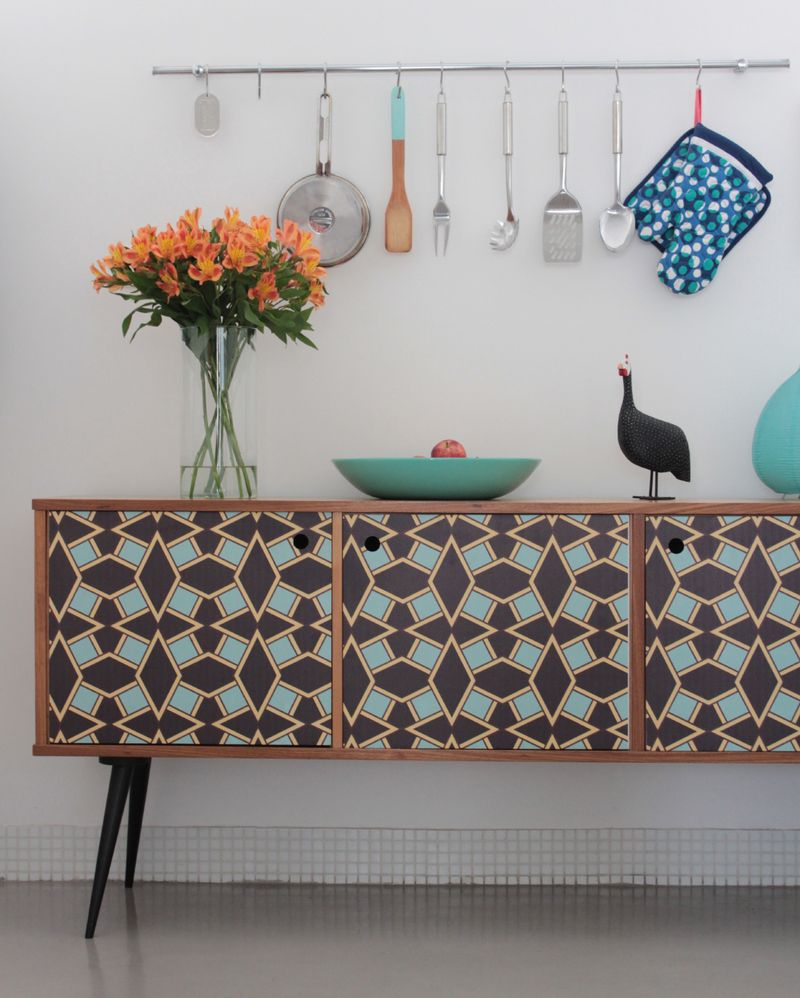
At Home with Paula Passini: Designing Your Dream Living Space with Expertise and Inspiration
Paula Passini has carved a significant niche in the interior design world, particularly for those seeking to imbue their homes with personality, functionality, and enduring style. Her approach, often characterized by a keen understanding of individual client needs and a sophisticated yet accessible aesthetic, resonates with a broad audience. This article delves into the core principles and practical applications of designing "at home with Paula Passini," exploring how her methodologies can empower homeowners to create living spaces that are not only beautiful but also deeply reflective of their lives.
At the heart of Paula Passini’s design philosophy is a profound belief in the transformative power of personalized environments. She emphasizes that a home is more than just a structure; it’s a sanctuary, a canvas for memories, and a reflection of the inhabitants’ identities. This client-centric approach necessitates a deep dive into understanding the client’s lifestyle, daily routines, aesthetic preferences, and functional requirements. Passini’s process often begins with in-depth consultations, where she actively listens and observes, gathering crucial information that will inform every design decision. This isn’t about imposing a singular style; it’s about collaborating to uncover the latent desires and aspirations for the space. For instance, a young family might prioritize durable, easy-to-clean surfaces and flexible furniture arrangements, while a couple nearing retirement might seek a more serene and organized environment, with an emphasis on comfort and accessibility. Passini skillfully navigates these diverse needs, translating them into tangible design solutions.
One of the cornerstones of creating an "at home with Paula Passini" experience is the emphasis on creating functional beauty. Passini understands that a visually stunning room that fails to serve its purpose is ultimately unsuccessful. She masterfully balances aesthetics with practicality, ensuring that every element, from the placement of furniture to the choice of materials, contributes to a cohesive and livable environment. This involves meticulous space planning, optimizing flow and circulation, and considering the intended use of each area. For example, in a living room, she might suggest strategically placed lighting to create distinct zones for reading, entertaining, or family gatherings. In a kitchen, functionality takes center stage, with an eye for efficient workflows, ample storage solutions, and ergonomic design. The goal is to create spaces that are intuitively easy to navigate and a joy to inhabit, reducing clutter and maximizing usability without sacrificing visual appeal.
Color palettes play a pivotal role in the "at home with Paula Passini" aesthetic. Passini is a virtuoso in leveraging color to evoke specific moods and enhance the perceived dimensions of a space. Her selections are rarely arbitrary; they are carefully considered to complement the natural light, the existing architecture, and the desired atmosphere. Whether it’s the grounding warmth of earthy tones, the calming serenity of cool blues and greens, or the invigorating energy of pops of accent color, Passini employs color with intention. She often advocates for a thoughtful layering of hues, creating depth and visual interest. For those looking to replicate this at home, understanding basic color theory, considering the psychological impact of different shades, and observing how light interacts with various colors in their own space are crucial first steps. Passini’s work often demonstrates how a well-chosen color scheme can completely transform the feel of a room, making it more inviting, sophisticated, or stimulating as desired.
Materiality is another critical component that defines the "at home with Paula Passini" approach. Passini possesses a discerning eye for selecting materials that are not only aesthetically pleasing but also durable, sustainable, and appropriate for their intended use. Her choices often reflect a blend of natural textures and refined finishes, contributing to a sense of warmth and authenticity. Think of the tactile appeal of natural wood, the cool elegance of marble, the cozy comfort of rich textiles, or the subtle sheen of well-chosen metals. She understands how different materials interact visually and physically, and how they contribute to the overall sensory experience of a space. For homeowners seeking to emulate this, exploring a range of material samples, considering their longevity and maintenance requirements, and thinking about how they feel to the touch can be a rewarding exercise. Passini’s ability to juxtapose contrasting textures and finishes creates a layered and sophisticated look that is both inviting and visually dynamic.
Furniture selection and arrangement are central to creating functional and aesthetically pleasing interiors, and this is an area where Paula Passini excels. Her approach goes beyond simply filling a room with furniture; it involves curating pieces that are both beautiful and serve a purpose, while also considering scale, proportion, and the overall layout. Passini often advocates for a thoughtful mix of statement pieces and more understated elements, creating a balanced and harmonious composition. She understands how to use furniture to define zones within a room, to enhance circulation, and to create focal points. For homeowners, this means investing in quality pieces that are well-proportioned to the space, and considering how they will be used on a daily basis. Experimenting with different furniture layouts, even using masking tape on the floor to visualize arrangements, can be incredibly helpful. Passini’s expertise lies in creating arrangements that feel both intentional and effortlessly comfortable, inviting people to gather and interact.
Lighting design is an often-underestimated aspect of interior design, but one that Paula Passini masterfully utilizes to enhance both the ambiance and functionality of a space. She understands that lighting is not a one-size-fits-all solution; it requires a layered approach, incorporating ambient, task, and accent lighting to create different moods and cater to various activities. This might involve the soft glow of ambient lighting for relaxation, focused task lighting for reading or working, and dramatic accent lighting to highlight artwork or architectural features. Passini’s selections often include a mix of statement fixtures and more subtle, integrated lighting solutions. For those aiming for a "Passini-inspired" home, it’s about understanding the different types of lighting, their purpose, and how they can be controlled to create the desired atmosphere throughout the day and evening. The right lighting can transform a space, making it feel more intimate, spacious, or dramatic, and Passini’s work consistently showcases this principle.
Accessorizing is the final, crucial layer that brings a "Paula Passini" designed space to life. This is where personality truly shines through. Passini believes that accessories are the jewelry of a home, adding character, warmth, and a sense of curated individuality. Her approach is about thoughtful selection, not overcrowding. She encourages the use of personal items, such as photographs, treasured objects, and art, to tell a story and make a house feel like a home. This might involve the strategic placement of decorative objects, the layering of textiles like cushions and throws, or the incorporation of plants to add life and color. The key is to create a sense of balance and intention, ensuring that each accessory contributes to the overall aesthetic and narrative of the space. For homeowners, it’s an invitation to explore their own tastes, to curate collections that are meaningful, and to use accessories to inject personality and charm into their living environments.
The "at home with Paula Passini" ethos also extends to an appreciation for longevity and timelessness in design. Passini’s projects are not typically driven by fleeting trends. Instead, she focuses on creating spaces that possess an enduring appeal, utilizing classic design principles and high-quality materials that stand the test of time. This means making investment choices in furniture and finishes that will remain stylish and functional for years to come. It’s about building a foundation of quality that can be updated with accessories and smaller decorative elements as tastes evolve. For homeowners, this philosophy encourages a more mindful approach to decorating, prioritizing pieces that are not only fashionable today but will also be cherished tomorrow. This leads to homes that feel cohesive, sophisticated, and deeply personal, a testament to thoughtful planning and a discerning eye for lasting beauty.
